The Monstera, often recognized by its iconic, perforated leaves, is a frequent choice for office environments looking to add a touch of natural structure. While its visual appeal is undeniable, integrating one into a workspace requires more than just finding a corner with some light. Whether you are managing a reception area, a shared open-office floor, or a private executive desk, understanding how this plant interacts with artificial lighting and HVAC systems is essential for long-term health.
- Light: Thrives in bright, indirect office light.
- Watering: Allow the top inch of soil to dry between waterings.
- Humidity: Prefers higher-than-average indoor humidity levels.
- Difficulty: Moderate; requires consistent care and space.
- Toxicity: Toxic to pets if ingested (contains calcium oxalate crystals).
In an office setting, the Monstera acts as a statement piece that can soften the rigid lines of cubicles and conference tables. However, it is not a “set-it-and-forget-it” plant. Its ability to thrive depends on your ability to provide stable, bright, indirect light and a consistent watering routine that accounts for the dry, climate-controlled air common in modern buildings.
Growth Habits and Visual Presence
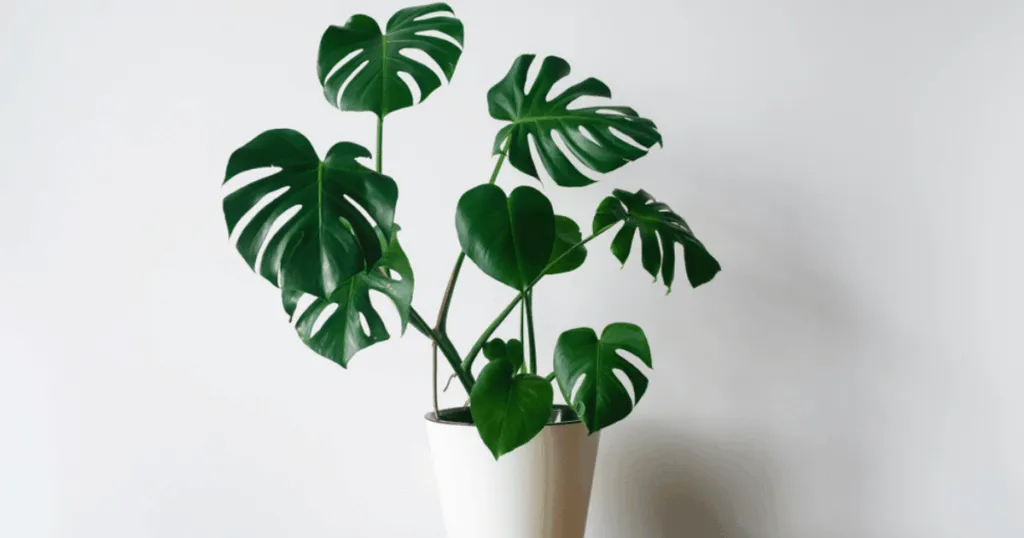
The Monstera is a vining epiphyte, meaning that in its natural habitat, it uses aerial roots to climb trees toward the forest canopy. In an office, this translates to a plant that wants to expand both vertically and horizontally. If you are selecting a Monstera for a specific space, you must account for its eventual footprint. A small, desk-sized specimen can easily double in size within a single growing season if provided with adequate light and space.
The signature fenestrations-the splits and holes in the leaves-are the plant’s primary draw, but they are not guaranteed. These structural adaptations develop as the plant matures and receives sufficient light. In low-light corners or under dim fluorescent office lighting, a Monstera may produce smaller, solid leaves without the characteristic splits. To encourage the dramatic foliage that makes the plant famous, it needs access to a window or a high-output LED grow light.
Because of its vining nature, the plant eventually becomes top-heavy. In a professional setting, this often requires the use of a moss pole or a sturdy trellis. Without support, the stems will naturally sprawl, which can create a tripping hazard in high-traffic areas or clutter a desk surface. Training the plant to grow upward keeps it contained and allows it to maintain a cleaner, more intentional aesthetic that fits a corporate environment.
Managing Care in Climate-Controlled Offices
Office environments are notoriously challenging for tropical plants due to fluctuating temperatures and low humidity. The Monstera prefers consistent, warm temperatures and above-average humidity, which are rarely found near HVAC vents or drafty windows. When positioning your plant, avoid placing it directly in the path of air conditioning vents, as the constant stream of dry, cold air can cause leaf edges to brown and curl.
Watering is the most critical aspect of maintenance. The rule of thumb is to let the top inch of soil dry out completely before adding more water. In an office, it is easy to overwater, especially if multiple people are responsible for plant care. A common mistake is to water on a rigid calendar schedule regardless of the soil moisture. Instead, use a simple finger test: if the soil feels damp an inch down, wait a few more days. Overwatering leads to root rot, which is often irreversible in a container-bound plant.
Light quality is the final pillar of care. While the Monstera is often labeled as a low-light plant, this is a misconception that leads to stunted growth. It performs best in bright, indirect light. If your office lacks windows, you may need to supplement with dedicated horticultural lighting. If the plant is placed in a dark corner, it will likely survive, but it will not thrive, and you will miss out on the vigorous growth and large, fenestrated leaves that make it such a popular office addition.
Strategic Placement for Professional Spaces
Choosing the right location for a Monstera involves balancing its aesthetic impact with its functional needs. In a reception area, a large, mature Monstera can create a welcoming, organic focal point. However, ensure it is placed in a spot that does not obstruct pathways. Because of its wide leaf span, it can easily catch on clothing or bags if placed too close to a high-traffic corridor.
For meeting rooms or open-office layouts, consider the light availability. A south or east-facing window is ideal, provided the plant is shielded from harsh, direct afternoon sun, which can scorch the leaves. If you are placing the plant on a desk, ensure it has enough clearance to grow without interfering with computer monitors or paperwork. If the space is tight, consider a smaller variety or a different species that maintains a more compact, upright habit.
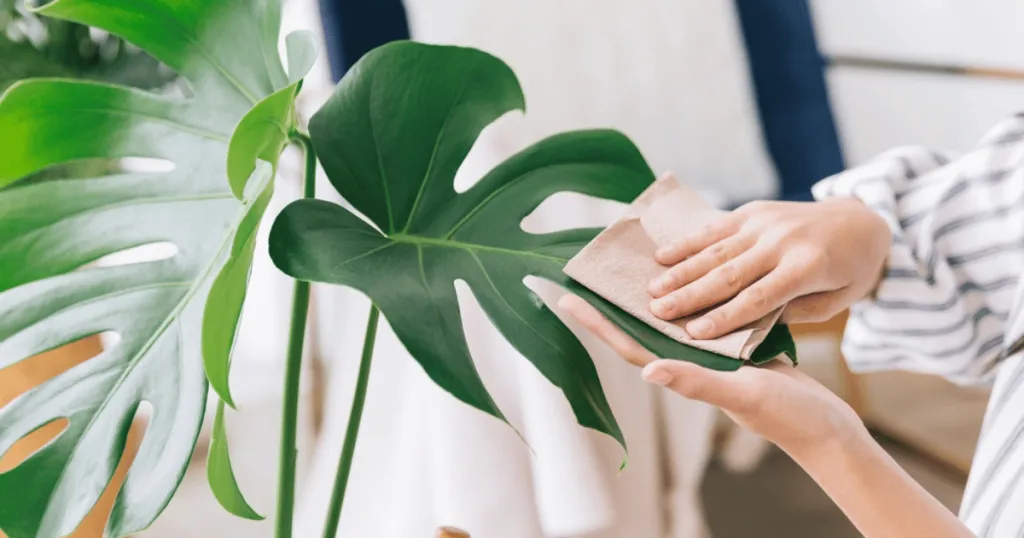
Maintenance access is another factor. You need to be able to reach the pot to check soil moisture and periodically wipe dust off the leaves. Dust accumulation is a significant issue in offices; it blocks light and can attract pests. A quick wipe with a damp cloth every few weeks keeps the plant healthy and looking professional.
Safety and Potential Risks
When incorporating plants into a shared office, it is important to consider the safety of everyone in the space. According to the ASPCA, the Monstera is toxic to cats and dogs if ingested. The plant contains calcium oxalate crystals, which can cause irritation, swelling, and difficulty swallowing if the leaves are chewed or consumed. While this is primarily a concern for offices that allow pets, it is a point of information that should be shared with staff or facilities management.
Beyond pet safety, consider the plant’s physical presence. The stems can be brittle, and the large leaves can be easily damaged if bumped or brushed against repeatedly. If your office has a high volume of foot traffic, a Monstera might be better suited for a corner or a raised stand where it is protected from accidental contact. If you have concerns about toxicity or space limitations, it is always wise to review your office’s specific plant policy before introducing a large specimen.
Moving Forward with Your Monstera
Successfully keeping a Monstera in an office comes down to matching the plant’s needs with your specific environment. It is a rewarding choice that adds life to a workspace, provided you are prepared to manage its light, water, and space requirements. If you find your plant is struggling, look first at your light levels and soil moisture; these are the two most common culprits for poor performance.
This overview provides the foundation for keeping your plant healthy, but remember that detailed troubleshooting and specific care techniques-such as repotting, pruning, or managing specific pests-are covered in our dedicated care guides. If you are ready to commit to the maintenance required, the Monstera is an excellent, long-term addition to any professional office.
Related Monstera Guides
- how to care for a Monstera
- common Monstera problems
FAQ
Does a Monstera need direct sunlight to grow well in an office?
No, a Monstera prefers bright, indirect light. Direct sunlight, especially through a window, can scorch the leaves and cause brown, crispy patches. In an office, aim for a spot that receives plenty of ambient light but is shielded from the sun’s direct rays.
How often should I water my office Monstera?
There is no fixed schedule, as watering depends on your office’s temperature and humidity. Instead, check the soil by sticking your finger one inch deep into the pot. If it feels dry, it is time to water. If it is still damp, wait a few more days to avoid root rot.
Why are the leaves on my office Monstera not splitting?
The iconic splits, or fenestrations, are a sign of a mature, healthy plant receiving strong light. If your Monstera is producing small, solid leaves, it likely needs more light. Consider moving it closer to a window or adding a high-quality LED grow light to encourage more dramatic growth.