Affiliate Disclosure: As an Amazon Associate, I earn from qualifying purchases.
Selecting the best desk plants for an office environment requires a shift in perspective from traditional home gardening. In a typical workplace, you are not working with optimal sun exposure or consistent environmental conditions. Instead, you are managing a micro-climate defined by artificial fluorescent or LED lighting, forced-air HVAC systems that strip moisture from the air, and the reality of a five-day work week where plants may go days without attention.
- Select plants based on actual light, not desk proximity.
- Prioritize slow-growing species to avoid frequent repotting.
- Choose hardy varieties that tolerate weekend neglect.
- Avoid plants requiring high humidity or daily misting.
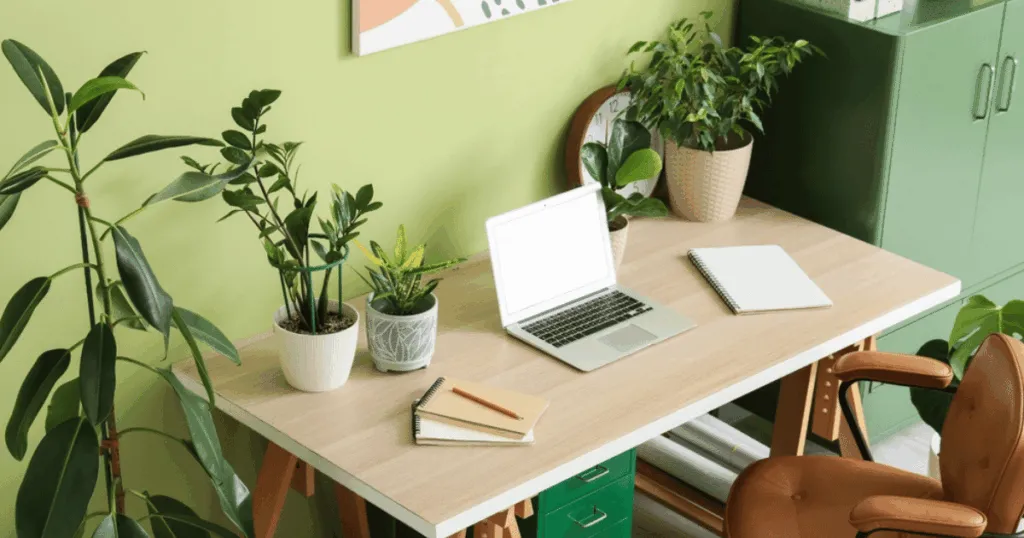
Criteria for Selecting Office-Ready Greenery
The most successful office plants are those that prioritize resilience over aesthetic complexity. When evaluating a candidate, look for species that exhibit slow growth rates, as this reduces the frequency of repotting and pruning. Furthermore, focus on plants with thick, waxy, or succulent-like foliage, which generally possess better water-retention capabilities. These physiological traits allow them to survive the fluctuating humidity levels common in large office buildings.
Finally, consider the footprint. A desk is a workspace first. A plant that requires a wide spread or constant pruning to keep it from encroaching on your keyboard or monitor is a liability, not an asset. Vertical growth habits are almost always superior to sprawling or vining habits in a high-traffic desk setting.
Top Selections of Best Desk Plants
Snake Plant (Dracaena trifasciata)
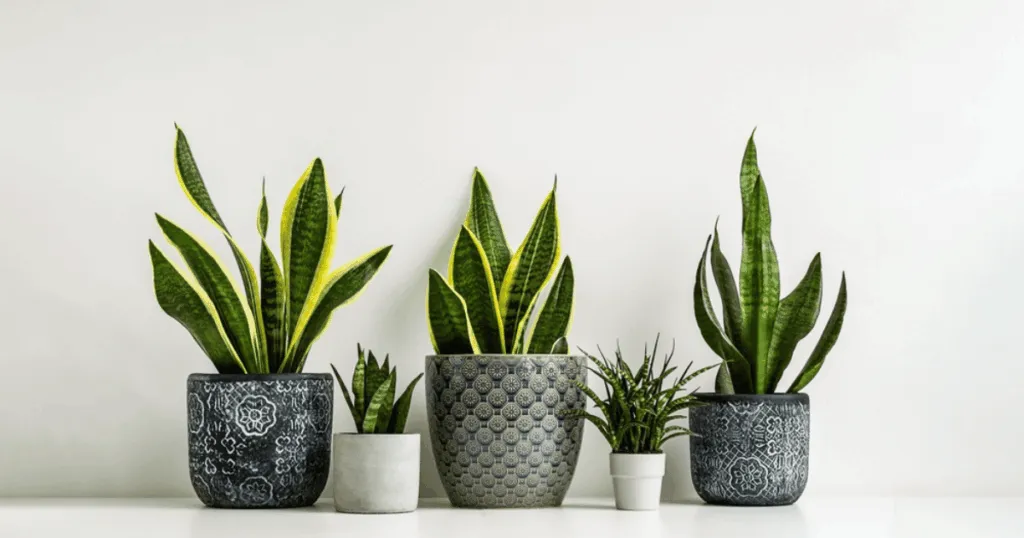
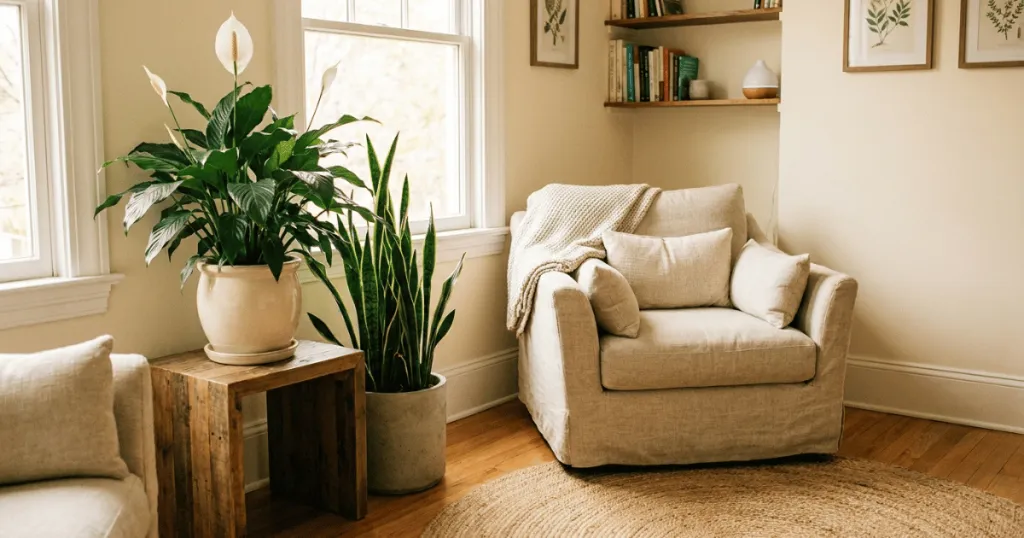
The Snake Plant is arguably the gold standard for office environments. Its upright, architectural leaves take up very little horizontal space, making it ideal for tight desk corners. It is remarkably tolerant of low-light conditions and can survive for weeks without water, as its leaves store moisture effectively. One practical note: avoid overwatering at all costs, as these plants are highly susceptible to root rot if the soil remains soggy for too long.
ZZ Plant (Zamioculcas zamiifolia)
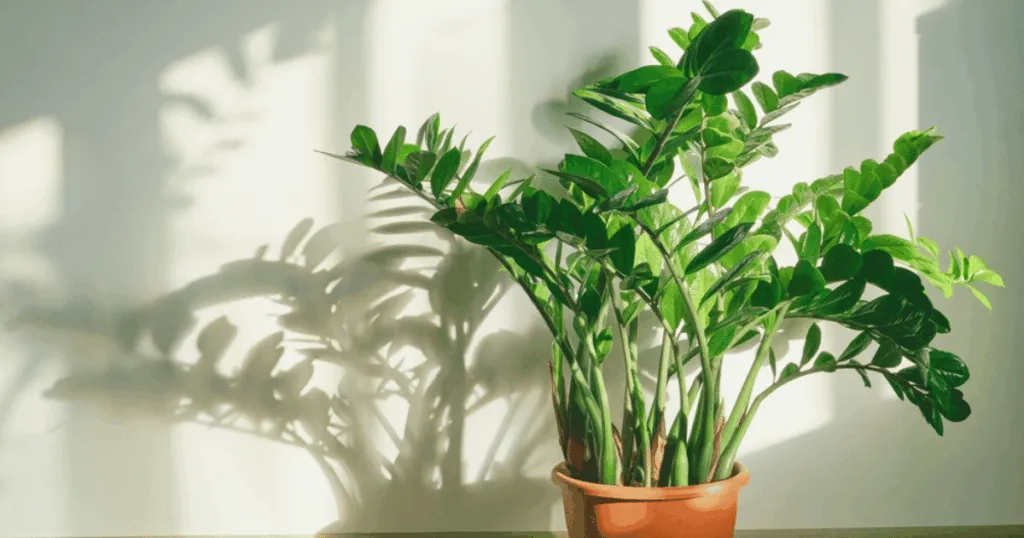
If you have a desk that receives almost no natural light, the ZZ plant is your best option. It thrives under standard office fluorescent lighting and requires minimal intervention. Its rhizomes—thick, potato-like structures under the soil—act as a reservoir for water, allowing the plant to handle the dry air of an HVAC-controlled office with ease. Keep in mind that this plant grows slowly, so you won’t need to worry about it outgrowing its container for several years.
Pothos (Epipremnum aureum)
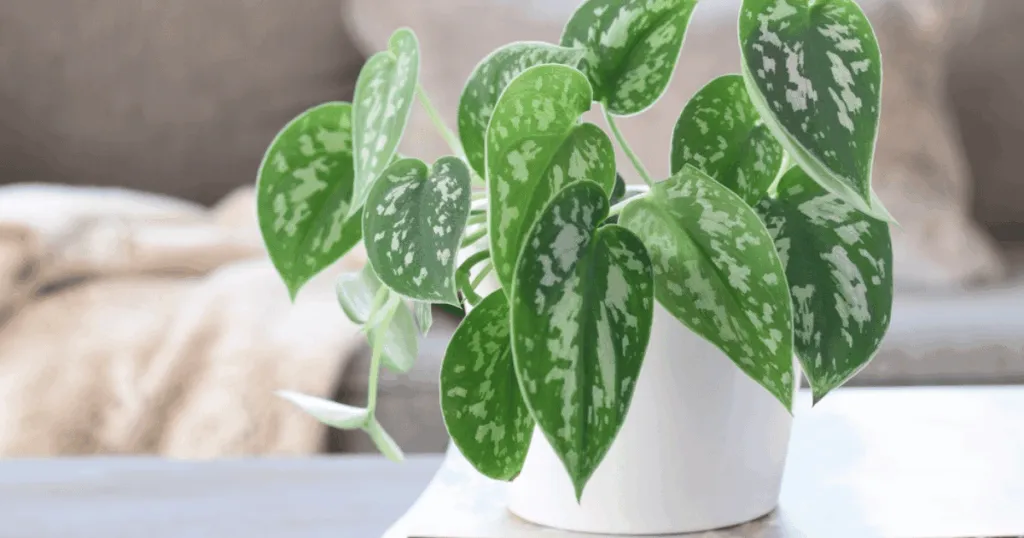
Pothos is the most versatile choice for those who want a trailing element in their office. It is incredibly communicative; when it needs water, the leaves will begin to droop slightly, giving you a clear visual cue before it suffers permanent damage. While it prefers moderate light, it will persist in dimmer corners. A practical tip is to keep the vines trimmed if they start to tangle with your office equipment or power cords.
Cast Iron Plant (Aspidistra elatior)
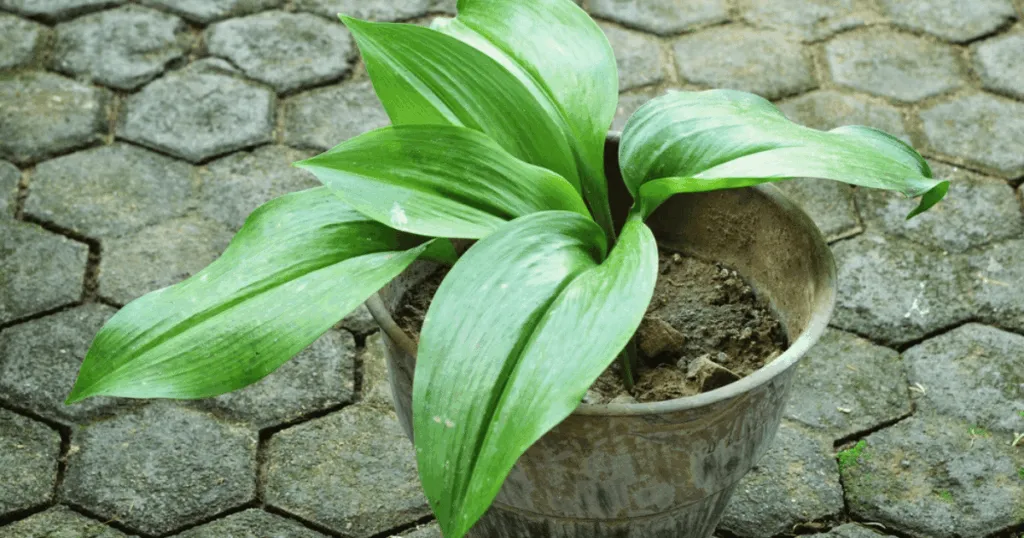
True to its name, this plant is nearly indestructible. It is a slow-growing, deep-green foliage plant that handles temperature fluctuations better than almost any other indoor species. It is an excellent choice for offices near drafty doors or windows where temperatures might shift significantly throughout the day. Because it grows so slowly, it is a long-term investment that won’t require constant maintenance.
Aglaonema (Chinese Evergreen)
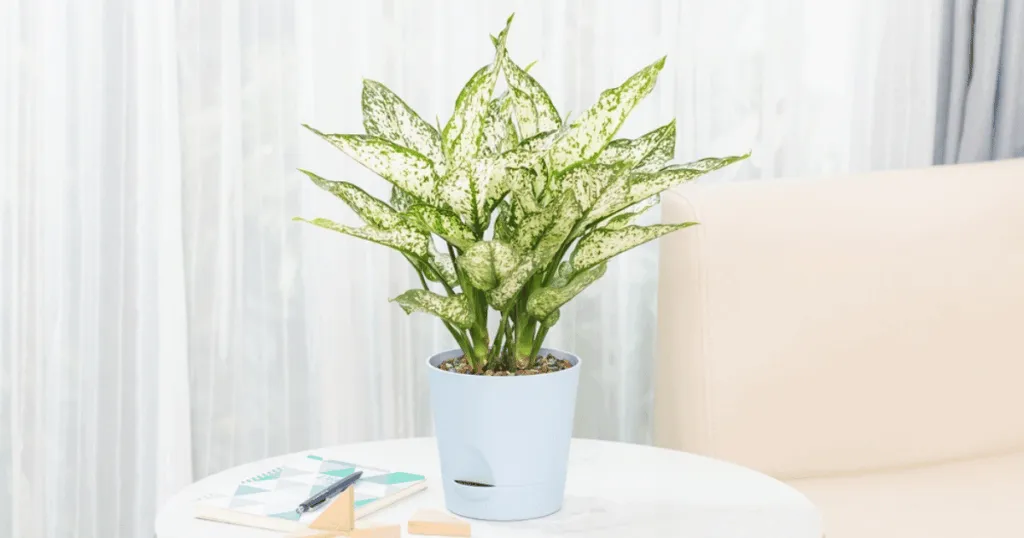
For those looking to add a bit of color beyond standard green, the Aglaonema offers variegated foliage in shades of silver, pink, or red. It is more tolerant of low light than many other colorful plants and maintains its pattern well even in dim conditions. It prefers slightly more consistent moisture than the Snake Plant, so check the soil once a week to ensure it isn’t completely bone-dry.
Strategic Placement and Environmental Management
Placement is the most significant factor in plant longevity. Most office workers make the mistake of placing plants directly under an air vent. The constant stream of dry, moving air will desiccate foliage rapidly, leading to brown, crispy edges regardless of how much you water the soil. If your desk is in the path of an HVAC vent, move the plant to a more sheltered corner or use a small decorative screen to deflect the airflow.
Lighting in offices is often deceptive. What looks bright to the human eye is often insufficient for photosynthesis. If your desk is more than a few feet away from a window, you are likely in a low-light environment. In these cases, rely on the species listed above. If you find your plant is stretching, leaning heavily toward a light source, or losing its leaf color, it is likely light-starved. Rather than moving it to a window where it might get scorched, consider a small, dedicated LED grow light that clips onto your desk or sits discreetly behind the pot.
Watering in an office setting should be treated as a weekly ritual rather than a daily task. A common mistake is the ‘little bit every day’ approach, which often leads to dry soil at the bottom of the pot and salt buildup at the top. Instead, water thoroughly until it drains out of the bottom, then ensure the plant is not sitting in a saucer of standing water. This mimics natural rainfall and ensures the entire root system is hydrated.
Limitations and When to Choose Differently
Not every office desk is suitable for live plants. If your workspace is in a windowless room with no air circulation and no access to natural light, even the hardiest plants will struggle over time. In these scenarios, the maintenance required to keep a plant alive may become a distraction rather than a benefit. If you find yourself spending more time troubleshooting leaf drop than actually working, it may be time to reconsider the placement or the species.
Another trade-off involves the size of the container. Small, decorative pots are popular for desks, but they dry out much faster than larger vessels. If you are prone to forgetting to water, a slightly larger pot with more soil volume provides a buffer against dehydration. However, ensure the pot has adequate drainage holes. A decorative cachepot without drainage is a recipe for root rot, as water will pool at the bottom where you cannot see it.
Finally, be mindful of the physical space. If you work in a shared or open-plan office, ensure your plant does not encroach on your neighbor’s space or create a hazard for cleaning crews. A plant that is constantly knocked over or brushed against will suffer mechanical damage, leading to unsightly brown spots and stunted growth. Keep your greenery contained within your own footprint to ensure it stays healthy and respected.
A Note on Plant Care in Shared Spaces
Integrating greenery into a professional environment is a personal choice that enhances the workspace, but it remains a commitment to a living organism. While the plants listed here are chosen for their resilience, they are not immune to neglect. We recommend establishing a simple routine—such as checking soil moisture every Friday afternoon—to ensure your plants are prepared for the weekend. This small habit prevents the common cycle of over-drying and over-compensating that often leads to plant failure. If you are frequently away for extended periods, consider a self-watering insert or a simple wick system to maintain consistent moisture levels without constant human intervention.
Optimizing Workflow with Desk Plants
Beyond the aesthetic appeal, the best desk plants serve as functional elements of your office ergonomics. By selecting plants that require minimal plant maintenance, you ensure that your botanical additions remain a source of calm rather than a source of stress. When choosing your greenery, consider the verticality of the plant; tall, slender plants like the Snake Plant allow you to maximize your desk surface area, leaving ample room for monitors, documents, and other essential tools. This strategic use of space is vital in modern, compact cubicles where every square inch counts.
Furthermore, consider the psychological impact of your plant choice. While low-light office plants are often chosen for their survival skills, their visual presence can soften the harsh lines of office furniture. Using plants with varied textures—such as the glossy leaves of a ZZ plant contrasted with the matte finish of a Pothos—can create a more dynamic and visually interesting environment. This layering approach, even with just two or three plants, can significantly improve the atmosphere of a sterile workspace.
Troubleshooting Common Office Plant Issues
Even with the most resilient indoor plants for work, you may encounter challenges. One of the most common issues is the accumulation of dust on foliage. In an office, dust settles quickly on leaves, which can block light and hinder photosynthesis. Wipe the leaves of your plants with a damp cloth every few weeks to keep them clean and efficient at absorbing light. This simple task also allows you to inspect the plant for pests, which can occasionally hitch a ride on office supplies or clothing.
Another frequent concern is the presence of yellowing leaves. While this can be a sign of overwatering, it can also indicate that the plant has reached the end of its natural leaf cycle. If you see one or two yellow leaves on an otherwise healthy plant, it is likely just normal aging. However, if multiple leaves are turning yellow simultaneously, it is time to re-evaluate your watering schedule and ensure that your plant is not sitting in stagnant water. Understanding these visual cues is part of becoming a proficient office gardener.
Integrating Plants into Open-Plan Offices
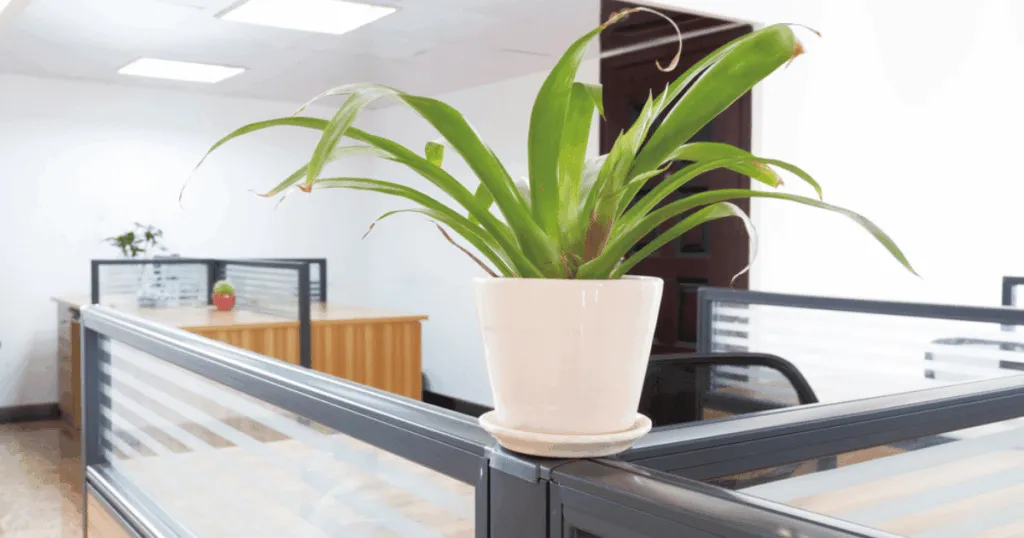
In open-plan offices, the best plants for cubicles are those that can act as natural dividers without becoming obstructive. Using a row of uniform plants can create a subtle, living barrier that provides a sense of privacy without blocking communication. When selecting plants for this purpose, ensure they are stable and not easily tipped over. Using heavier ceramic pots or weighted bases can prevent accidents in high-traffic areas. Additionally, choose plants that are non-toxic if you work in an environment where colleagues may have sensitivities, though most standard office plants are safe if handled with basic care.
Long-Term Sustainability of Your Office Garden
Treating your desk plants as a long-term investment means planning for their growth. Even slow-growing species will eventually need a larger home. When you notice roots growing out of the drainage holes or the plant becoming top-heavy, it is time to repot. Choose a container that is only one or two inches larger in diameter than the current one to avoid excessive soil moisture retention. Using a high-quality potting mix designed for indoor plants will provide the necessary nutrients and drainage to keep your plant thriving for years to come. By following these guidelines, you can maintain a vibrant, healthy, and professional office garden that enhances your daily work experience.
FAQ
Can I keep the best desk plants in a room with no windows?
Yes, provided you have consistent overhead lighting. The Snake Plant and ZZ Plant are specifically noted for their ability to thrive under standard office fluorescent or LED lighting, which is often sufficient for these low-light tolerant species.
How often should I fertilize my office plants?
Office plants generally require very little fertilizer. Because they are often in lower light, they grow slowly and do not consume nutrients quickly. A light application of a balanced, water-soluble fertilizer once or twice during the spring and summer is usually more than enough.
What is the best way to handle weekend neglect?
Choose drought-tolerant species like the Snake Plant or ZZ Plant. These store water in their leaves or rhizomes, allowing them to easily survive a two-day weekend or even longer holidays without any attention.
Why are the tips of my plant leaves turning brown?
Brown tips are most commonly caused by low humidity or inconsistent watering. In an office, this is often exacerbated by HVAC systems. Try to keep the plant away from direct air vents and ensure you are watering deeply rather than just misting the leaves.