The care factor that keeps a Sansevieria zeylanica snake plant stable in an office is dry soil. This tough, upright plant handles missed watering far better than frequent attention. Most problems begin when several coworkers water it before the pot has fully dried, especially in a dim office where moisture leaves the soil slowly.
If you are learning how to care for sansevieria zeylanica snake plant, give it a draining pot, let the soil dry completely, and place it in the brightest indirect light your workspace can offer. It can tolerate low light, dry HVAC air, weekends alone, and an occasional forgotten watering. It will not tolerate soggy roots for long.
At a Glance
- Tolerates low light; prefers medium to bright indirect light.
- Let soil dry completely before watering.
- Dry office air is usually not a problem.
- Overwatering is the main risk.
- Mildly toxic to cats and dogs if chewed.
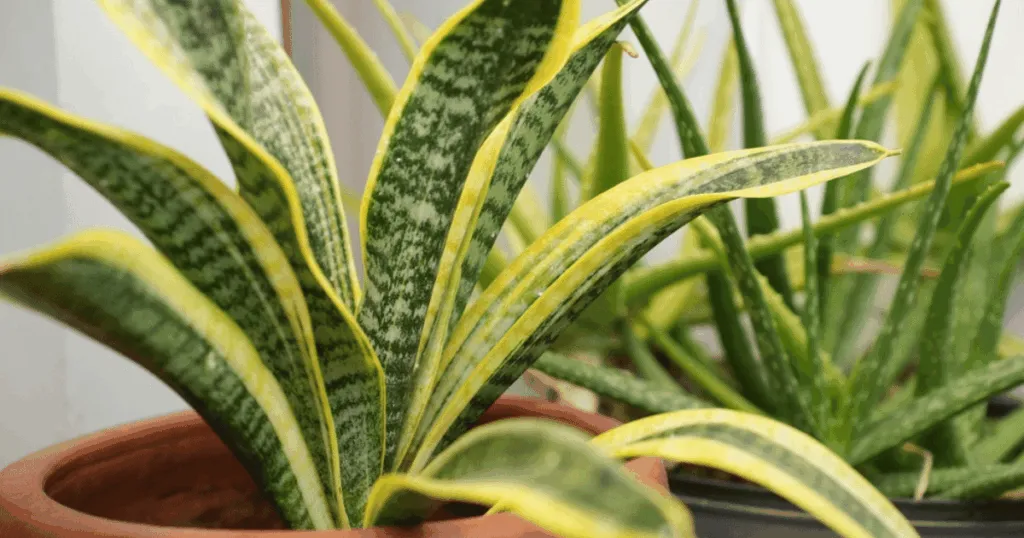
How to Care for Sansevieria Zeylanica Snake Plant at Work
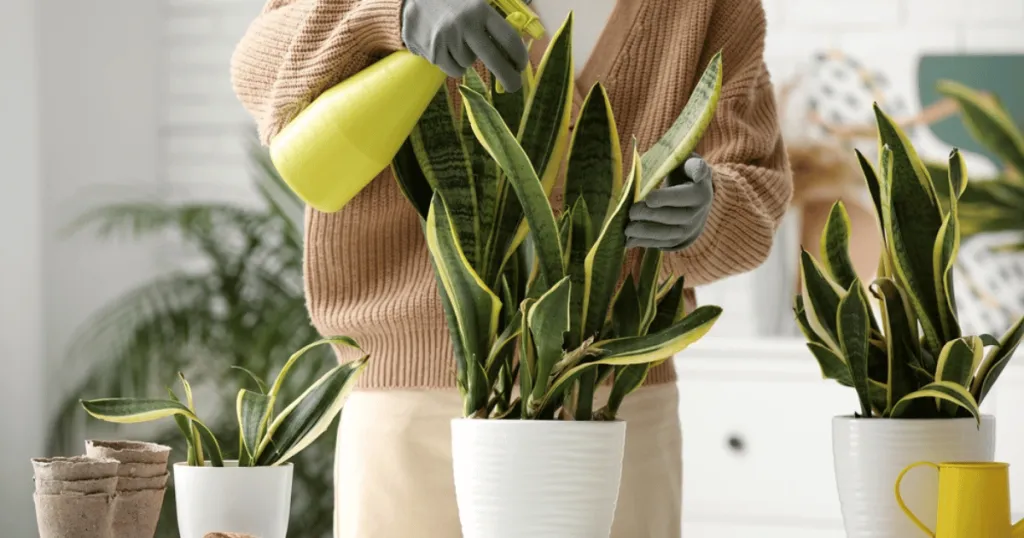
Sansevieria zeylanica is commonly sold as a snake plant, though many plants now grouped with snake plants are also labeled Dracaena trifasciata. Its tall, stiff leaves make it useful where a desk or reception area needs vertical form without a demanding care schedule.
Use a simple dry-soil rule rather than a calendar alone. Assign one person to check the plant, rather than giving everyone permission to water it. A small dated tag in the pot or a shared facilities note can prevent duplicate watering. In most offices, the right decision is to wait when there is any doubt.
Healthy leaves should stand fairly upright, feel firm, and show clear green banding. New leaves emerge from the base and are usually narrower at first. Expect slow growth indoors, particularly under ceiling lights. A snake plant that stays the same size but remains firm and evenly colored is often doing well.
For a broader overview of this plant’s role in shared workspaces, see the low-maintenance office snake plant. Its forgiving reputation is deserved, but it does not mean the plant is indestructible. Root rot, cold air, and a pot without drainage can still cause a healthy-looking plant to decline quickly.
Light and Placement for Upright, Healthy Leaves
Give it bright indirect light when possible
Sansevieria zeylanica tolerates low light, but medium to bright indirect light produces the strongest growth and the best leaf color. In an office, that usually means a location near a window with filtered daylight, or several feet back from an unobstructed east, west, or south-facing window. Tinted glass reduces the available light, so move the pot closer to tinted windows than you might expect.
A north-facing window can work if the plant is close to it. A desk far from any window is low light, even if the room looks bright to people. Ceiling LED or fluorescent panels can keep a snake plant alive, but they rarely provide enough intensity for meaningful new growth unless the plant is directly beneath consistently used fixtures.
Keep it out of harsh direct sun and dark corners
A few hours of gentle morning sun is usually fine. Strong afternoon sun through glass can bleach or scorch leaves, particularly after the plant has spent months in lower light. If a sunny sill is the only option, set it back from the glass or use a sheer blind.
Do not place it in a windowless conference room where lights are off every night and through weekends. It may survive for a while, but growth will slow and watering becomes harder to judge. Move it closer to daylight, rotate it into a brighter room periodically, or add a suitable grow light if the location must stay windowless.
Turn the pot one-quarter turn about every month if the light comes from one side. This helps keep the leaves from leaning. Avoid squeezing the pot between monitors, filing cabinets, or furniture that will bend the leaves. Bent leaves do not straighten again, although new growth can be upright.
Watering and Soil: Prevent Root Rot Before It Starts
Check dryness, then water thoroughly
Water only after the potting mix is dry all the way down, not just dry on the surface. Push a wooden chopstick, moisture probe, or your finger several inches into the soil. If the tool comes out cool, damp, or coated with soil, wait. In a small desk pot, also lift the container. A dry pot is noticeably lighter than one holding moisture.
In a typical office, check every 10 to 14 days, but expect to water about every 2 to 4 weeks in medium or bright indirect light. In low light, winter, or a cool air-conditioned building, intervals can stretch to 4 to 6 weeks. These are starting ranges, not instructions to water on a fixed date. Soil dryness decides the timing.
When the mix is fully dry, carry the pot to a sink and water slowly until water runs from the drainage hole. Let it drain for several minutes before returning it to a saucer or cachepot. Empty standing water from the outer pot. Do not add a little splash each week, because shallow watering leaves some roots dry while keeping the lower root zone wet.
A long weekend or a one-week office closure does not require extra watering. Even a healthy plant can usually handle a longer holiday closure if it was allowed to dry normally first. Watering heavily before closing the office is one of the easiest ways to create rot while no one is there to notice.
If leaves wrinkle slightly or curl inward and the mix is bone dry, water thoroughly once and resume the dry-soil routine. Soft, yellowing, or collapsing leaves are more urgent signs of too much moisture. For a closer look at these symptoms, use office snake plant watering problems.
Use a gritty mix and a pot with a hole
Use a cactus and succulent mix, or improve regular indoor potting mix with perlite, pumice, or coarse orchid bark. The goal is air around the roots and fast drainage, not soil that stays dense and wet after watering. A heavy decorative planter with no drainage hole is a poor long-term home for this plant.
If appearance matters in a lobby or reception area, keep the nursery pot with drainage inside a larger decorative cover pot. Remove it to water and let it drain completely before putting it back. This approach also makes it easier for a facilities team to inspect moisture without lifting a heavy planted container.
Our advice is to avoid self-watering pots for Sansevieria zeylanica. Their reservoir system works against a plant that needs a full dry period. A basic draining pot is safer and easier for a shared office to manage. For more detail on building a dependable schedule, see snake plant watering routines.
Dry Air, Temperature, Fertilizer, and Shared-Space Safety
Humidity and temperature in offices
Dry office air is usually well within this snake plant’s comfort zone. You do not need misting, pebble trays, or a humidifier. Misting can leave water sitting in leaf bases and does little to change humidity across a whole office.
Aim for ordinary indoor temperatures of about 65 to 80°F [18 to 27°C]. It can handle slightly warmer conditions if the soil dries normally. Keep it away from sustained temperatures below 50°F [10°C], cold window glass in winter, and direct blasts from an AC vent. Cold stress can create soft, water-soaked patches and make roots more vulnerable to rot.
Heat from a radiator, copier, or electronics can dry the pot unusually fast. Move the plant at least a few feet away if leaves feel hot or the soil dries much faster than usual. A stable spot is better than frequent moves between a warm reception desk and a cold, empty conference room.
Feed lightly, only during active growth
Fertilizer is optional for a plant in low light. If it receives medium to bright indirect light and is producing new leaves, feed once in spring and once in summer with a balanced houseplant fertilizer diluted to half the label rate. Water first if the mix is dry.
Do not fertilize in fall or winter when office light levels drop and growth slows. Never use fertilizer to fix yellow or soft leaves. Solve the watering, drainage, or temperature issue first.
Saponins matter in pet-friendly workplaces
Snake plants contain saponins. ASPCA guidance on toxic and non-toxic plants lists snake plant as toxic to cats and dogs, and veterinary poison-control resources describe stomach upset as a possible result of chewing or swallowing plant material. Keep it off the floor in pet-friendly offices and out of reach of visiting children. This is not the best choice for a low reception planter where a pet can easily chew the leaves.
Repotting, Leaf Cleanup, and Propagating Sansevieria Zeylanica
Repot only when the roots need room
Snake plants prefer to be slightly snug in their pots. Repot every 2 to 4 years, or sooner if roots are pushing the pot out of shape, growing through the drainage hole, or lifting the root ball above the rim. Slow growth in low light can make the interval longer.
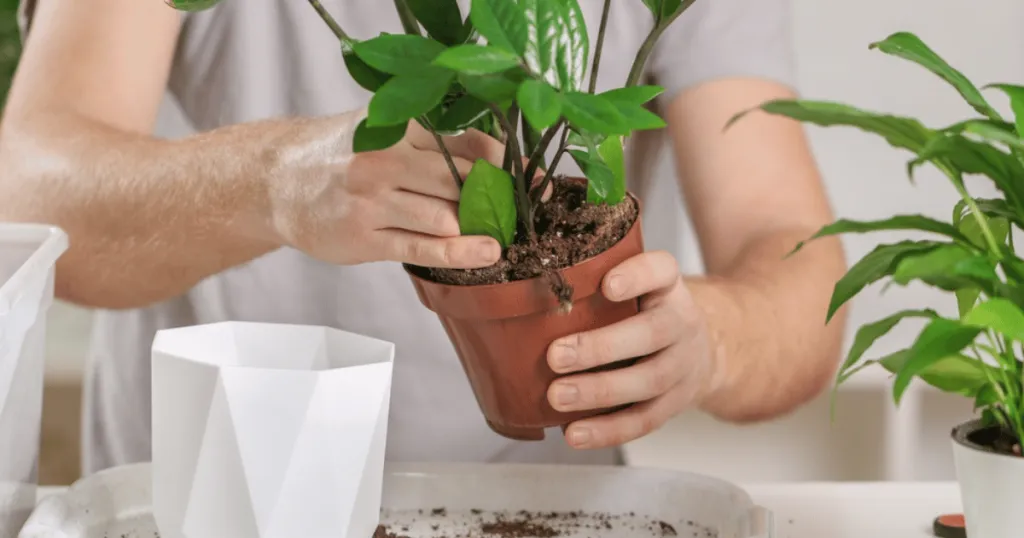
Repot in spring or early summer when the plant has the best chance to establish. Choose a new pot only 1 to 2 inches wider than the current one. A much larger container holds excess wet soil around a small root system. Use a sturdy pot, because tall leaves can make a light plastic pot tip over.
Slide the plant out, gently remove loose old mix, and inspect the roots. Firm pale roots are healthy. Cut away black, mushy, or foul-smelling roots with clean scissors, then repot in fresh gritty mix. Wait several days before watering if you removed damaged roots, so cuts can dry.
Prune damaged leaves at the base
Pruning is mostly cosmetic. Wipe dust from leaves with a soft damp cloth so office grime does not dull their appearance. Cut yellow, broken, or badly bent leaves close to the soil line using clean, sharp pruners. Do not cut the leaf halfway down in an attempt to shorten it. The cut edge will stay blunt and will not regrow its pointed tip.
Division is the most reliable propagation method
To make another plant, divide a crowded root clump during repotting. Separate a section with roots and at least a few leaves, then plant it in its own small draining pot. Keep the mix lightly dry at first and do not fertilize until you see new growth.
Leaf cuttings can also root, but they take longer and may not preserve the exact appearance of a variegated snake plant. For a straightforward office plant project, division is less fussy and gives you an established section right away.
Seasonal Adjustments and Mistakes That Cause Most Failures
Change the watering interval, not the basic routine
In spring and summer, stronger daylight and warmer office temperatures can make the soil dry more quickly. Check more often, but still wait for complete dryness. In fall and winter, low light and cooler conditions slow water use. A plant that needed water every three weeks in July may need it every five or six weeks in January.
Winter brings two office hazards: cold glass and holiday closures. Keep the leaves from pressing against a cold window, especially overnight. Before a closure, check that the pot drains and then leave the plant alone if the mix is still damp. It is safer dry than saturated.
Common errors and the practical fix
- Watering on a weekly rotation: Check soil instead. Most offices water this plant too often.
- Using a pot without drainage: Move it into a nursery pot with holes inside the decorative container.
- Putting it in a dark interior corner: Expect little growth, or move it nearer a window or grow light.
- Leaving it under an AC vent: Relocate it so cold moving air does not hit the leaves.
- Letting everyone water it: Give one person responsibility and record watering dates.
- Trying to fix slow growth with fertilizer: Improve light first, then feed lightly only in active growth.
A few dry brown leaf tips are often old damage, inconsistent watering, or contact with hot or cold air. Soft yellow leaves point more strongly to moisture trouble. If the roots are mushy, remove damaged material, replace wet soil, and use a draining pot. The plant may recover if its firm leaves and healthy roots remain.
If your office has a particularly dim desk, compare its needs with ZZ plant care for low light. A ZZ plant can be a useful alternative where a snake plant would receive almost no meaningful light for most of the week.
What to Do With Your Snake Plant This Week
Start by checking the pot. Confirm that it has a drainage hole and that no water is sitting inside an outer container. Then assess the placement: medium or bright indirect light is ideal, while a dim desk may need a closer window position or supplemental light.
For how to care for sansevieria zeylanica snake plant over the long term, make one person responsible for checking soil every 10 to 14 days and watering only when it is dry all the way through. Keep it away from cold AC drafts, skip unnecessary misting, and leave it alone during short office closures. That modest routine is usually all this durable plant needs.
FAQ
Can Sansevieria zeylanica live in a cubicle with no window?
It may survive for some time under ceiling LEDs or fluorescent panels, but it is unlikely to grow much in a cubicle with no natural light. Keep it near the brightest fixture that stays on during work hours, water less often, and watch for weak or leaning new leaves. A small grow light is the more dependable choice for a permanently windowless cubicle.
Why is my Sansevieria zeylanica leaning over?
Leaning can come from one-sided light, a pot that is too light for the plant, physical pressure from nearby furniture, or weakened roots from overwatering. Rotate the pot monthly and move it into brighter indirect light. If leaves feel soft near the base or the soil stays wet, inspect the roots and correct the drainage issue before staking the plant.
Can I put a snake plant in a bathroom at work?
A bathroom can work if it has a window or strong, regularly used lighting. Humidity is not necessary for Sansevieria zeylanica, and poor ventilation can slow soil drying. Use a pot with drainage and check the soil carefully, since a warm, humid bathroom may keep the mix wet longer than a dry office desk.
Should I wipe snake plant leaves with leaf shine products?
Skip leaf shine products. They can leave a residue that attracts dust or interferes with the natural leaf surface. Wipe leaves with a soft cloth dampened with plain water whenever dust is visible, then dry them gently. This is enough to improve the plant’s appearance in a reception area or meeting room.
How do I care for sansevieria zeylanica snake plant after moving offices?
Give the plant two to three weeks to adjust before changing its care routine. Place it in medium to bright indirect light, keep it away from vents, and do not water unless the mix is fully dry. A new office may have very different light and temperature conditions, so use the dryness check rather than following the old watering calendar.