If you are searching for a plant that can survive the unpredictable conditions of a modern office, Pothos is often the first recommendation from experienced plant managers. Known for its trailing vines and heart-shaped leaves, this plant is remarkably forgiving of the irregular attention that often occurs in busy workplaces. Whether you are looking to green up a reception desk or add life to a dim corner of an open office, this species provides immediate visual impact without requiring a background in horticulture.
- Light: Thrives in medium to bright indirect light; tolerates low light.
- Watering: Allow the top inch of soil to dry between waterings.
- Humidity: Performs well in standard, HVAC-controlled office humidity levels.
- Difficulty: Highly resilient, making it an excellent choice for beginners.
- Toxicity: Contains calcium oxalate crystals; toxic to cats and dogs if ingested.
The primary appeal of Pothos in a professional setting is its adaptability. While many indoor plants demand strict adherence to light and water schedules, this plant signals its needs clearly. It is a workhorse of the indoor plant world, capable of handling the artificial lighting of cubicles and the occasional missed watering during a long weekend or holiday break. For office managers tasked with maintaining a welcoming environment, it represents a low-risk, high-reward investment in workplace aesthetics.
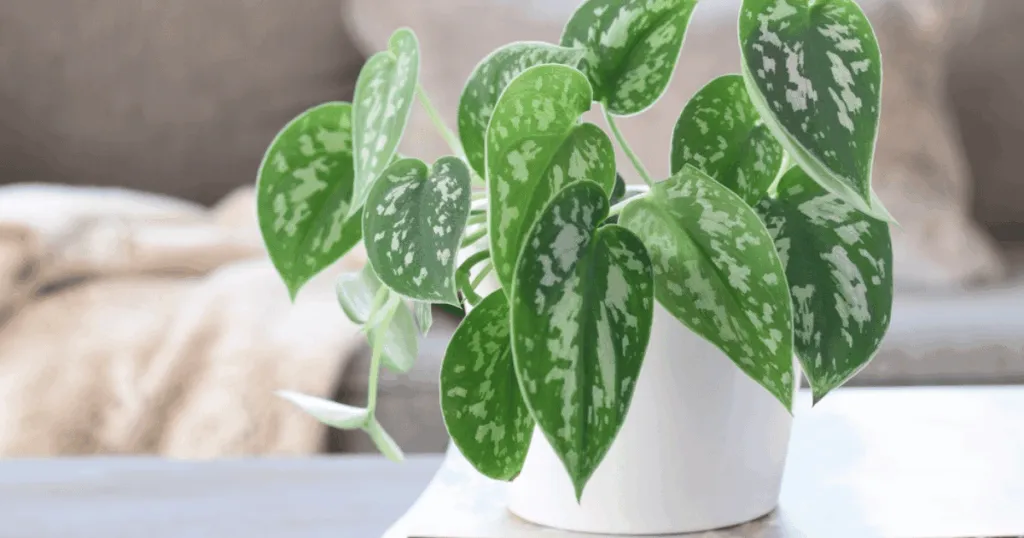
Growth Habits and Visual Characteristics
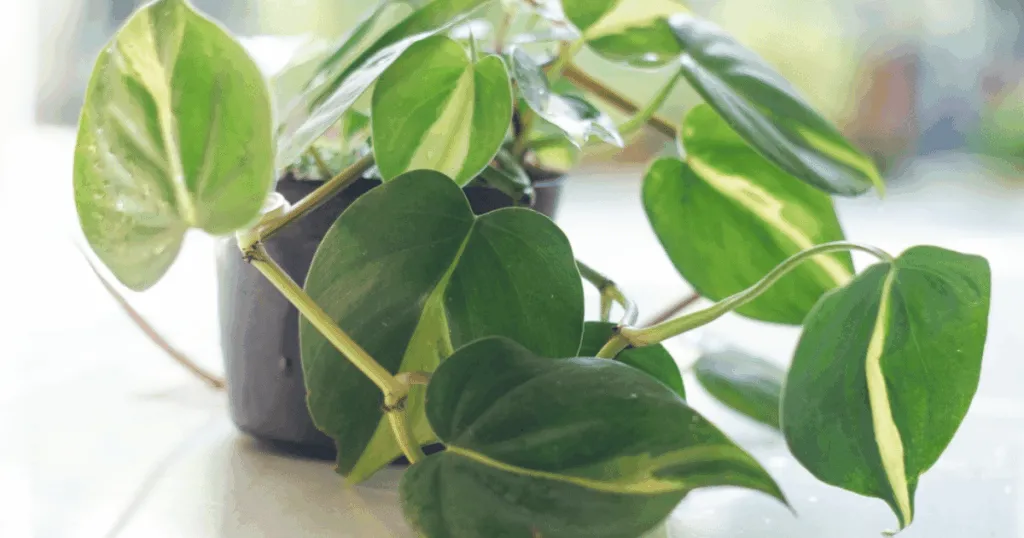
Pothos, often recognized by its scientific name Epipremnum aureum, is a vining plant that grows rapidly under the right conditions. In an office environment, you will typically see it displayed in one of two ways: trailing from a hanging basket or a high bookshelf, or trained to climb a vertical support like a moss pole. Its growth habit is defined by long, flexible stems that can reach several feet in length, making it a versatile choice for filling vertical space or softening the hard edges of office furniture.
The foliage is arguably its most attractive feature. Depending on the specific cultivar, leaves can range from solid deep green to vibrant variegations of cream, yellow, or white. These patterns are not just decorative; they are indicators of the plant’s health and light exposure. In lower light, you may notice the variegation fading as the plant produces more chlorophyll to compensate for the lack of light. This is a natural, healthy response to its environment and should not be mistaken for a decline in vigor.
As the plant matures, its leaves can become quite large, especially if it is allowed to climb. However, in most office settings, the plant is kept in a container that restricts its root system, which naturally keeps the leaf size manageable for a desk or side table. The stems are sturdy and rarely break under their own weight, allowing them to drape elegantly over the side of a planter or across a filing cabinet. This structural resilience is exactly why it remains a staple in office design; it holds its shape well even in high-traffic areas where it might be brushed against by staff.
Care Needs at a Glance
Managing Pothos in an office requires an understanding of how indoor environments differ from natural habitats. The most critical factor is light. While the plant is famous for its ability to survive in low-light cubicles, it does not necessarily thrive there. If you want to see active, vigorous growth, place the plant near a window that provides bright, indirect light. If your office only has fluorescent or LED overhead lighting, the plant will survive, but its growth rate will be significantly slower, and the stems may become leggy as they stretch toward the nearest light source.
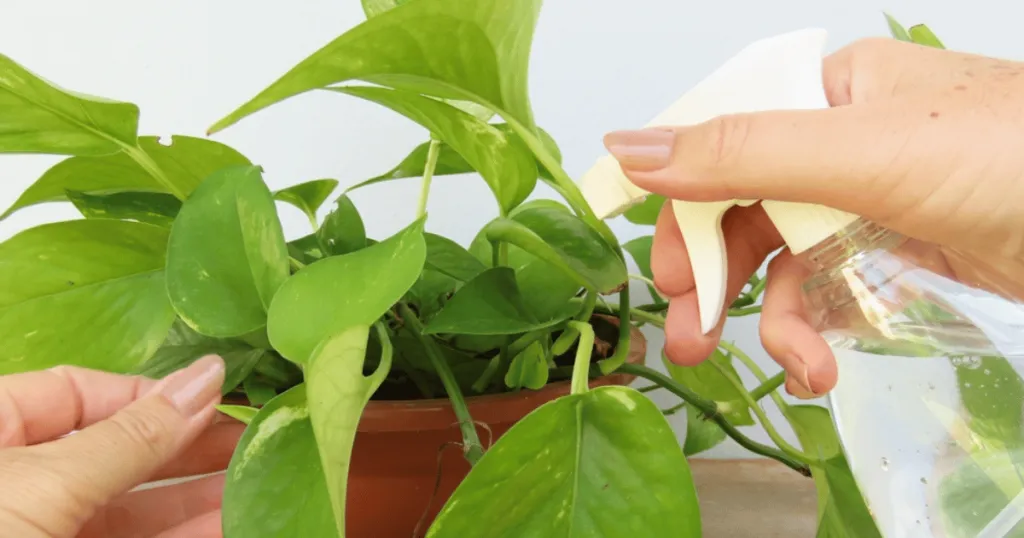
Watering is the second pillar of care. The most common mistake in an office setting is overwatering, often caused by multiple people trying to be helpful or a rigid, calendar-based watering schedule. Instead, follow the soil moisture. Use your finger to check the top inch of the potting mix; if it feels dry, it is time to water. If the soil is still damp, wait a few more days. Pothos is much more tolerant of being slightly underwatered than being waterlogged, which can lead to root rot and yellowing leaves.
Humidity and temperature are generally non-issues in standard office buildings. Pothos is perfectly comfortable in the 65°F to 75°F range, which is the standard set point for most HVAC systems. While it appreciates higher humidity, it does not require the misting or pebble trays that more temperamental tropical plants need. Keep the plant away from direct blasts of cold air from AC vents or heat from radiators, as these rapid temperature fluctuations can cause leaf drop or stress the plant’s vascular system.
Office Placement and Practical Suitability
Choosing the right location for your Pothos involves balancing aesthetic goals with the plant’s biological needs. For reception areas, a large, established Pothos in a heavy, stable ceramic pot can create a welcoming, professional focal point. Because these areas often have higher foot traffic, ensure the plant is positioned where it won’t be constantly knocked or damaged. The trailing vines can be pinned to walls or allowed to cascade down a reception desk, creating a lush, green barrier that feels both private and inviting.
In open offices or cubicle farms, Pothos serves as an excellent natural divider. Using a tall planter with a trellis allows the plant to grow upward, creating a semi-transparent screen that provides a sense of privacy without blocking light or making the space feel cramped. This is particularly effective for separating individual desks or creating a visual buffer between a workstation and a high-traffic hallway.
One practical consideration for office managers is the “weekend factor.” Because Pothos is efficient at retaining moisture in its stems and leaves, it is one of the few plants that can comfortably go from Friday afternoon to Monday morning without needing intervention. If your office closes for extended holidays, a thorough watering before you leave is usually sufficient to sustain the plant. If you find that your office is exceptionally hot or dry, a self-watering pot can provide an extra layer of security, though it is rarely strictly necessary for this species.
Addressing Toxicity and Safety
It is important to address the reality of toxicity in a workplace setting. According to resources from the ASPCA, Pothos is considered toxic to cats and dogs. The plant contains insoluble calcium oxalate crystals, which can cause irritation, swelling, and discomfort if the leaves or stems are chewed or ingested. While this is primarily a concern for offices that allow pets or in home-office environments where pets are present, it is a factor to consider if your workplace has a pet-friendly policy.
For the vast majority of standard offices, this toxicity is not a barrier to entry, but it is a point of awareness. If your office is a pet-friendly environment, keep the plant in a location that is inaccessible to animals, such as a high shelf or a hanging planter. In spaces without pets, this is a non-issue. There is no risk of toxicity from merely touching the leaves, so employees can handle, prune, or move the plant without concern for skin irritation or allergic reactions.
A Note on Ongoing Care
While this profile provides the foundational knowledge needed to keep a Pothos healthy in your office, every plant will eventually encounter minor issues like dust accumulation on leaves, the need for occasional pruning, or the requirement for a larger pot as it grows. These tasks are part of the routine maintenance that keeps an office plant looking professional rather than neglected.
For detailed instructions on how to prune for bushier growth, how to diagnose specific leaf spots, or how to repot when the roots become crowded, please refer to our dedicated care and troubleshooting guides. Those resources offer step-by-step guidance to ensure your Pothos remains a vibrant, long-term fixture in your workspace.
Related Pothos Guides
- the full Pothos care breakdown
- common Pothos problems
FAQ
Why are the leaves on my office Pothos turning yellow?
Yellowing leaves on a Pothos are most frequently a sign of overwatering. In an office, this often happens when the plant is watered on a fixed schedule regardless of how dry the soil is. Check the soil moisture; if it is soggy, stop watering and allow the soil to dry out. Other causes can include poor drainage or, less commonly, the plant sitting in a spot with too little light for too long.
Can Pothos grow solely under office fluorescent lighting?
Yes, Pothos is one of the few plants that can survive under standard office fluorescent or LED lighting. However, it will not grow as quickly as it would in natural, indirect light. You may notice the leaves becoming smaller and the stems stretching out, which is the plant’s way of searching for more light. If the plant looks healthy, it is likely receiving enough light to maintain its current state.
How often should I prune my Pothos to keep it looking tidy?
Pruning is entirely optional but recommended if you want to keep the plant looking full and bushy. If the vines become too long or sparse, you can trim them back just above a leaf node. This encourages the plant to branch out and produce new growth from that point. In an office, pruning once or twice a year is usually sufficient to maintain the desired shape and prevent the vines from becoming tangled.