The Dracaena genus stands apart in the office plant world because it offers the structural presence of a tree without the temperamental nature of high-maintenance indoor foliage. In an office setting, where light levels are often inconsistent and environmental conditions are dictated by HVAC systems, this plant remains remarkably stable. Unlike delicate tropicals that wilt at the first sign of a draft or a missed watering, the Dracaena adapts to the rhythms of a workplace, making it a staple for reception areas, corner offices, and open-plan layouts.
- Tolerates low light; thrives in medium to bright indirect light.
- Allow soil to dry significantly between waterings.
- Sensitive to fluoride and chlorine; use filtered water.
- Moderately toxic to cats and dogs if ingested.
- Easy-care plant suitable for most office environments.
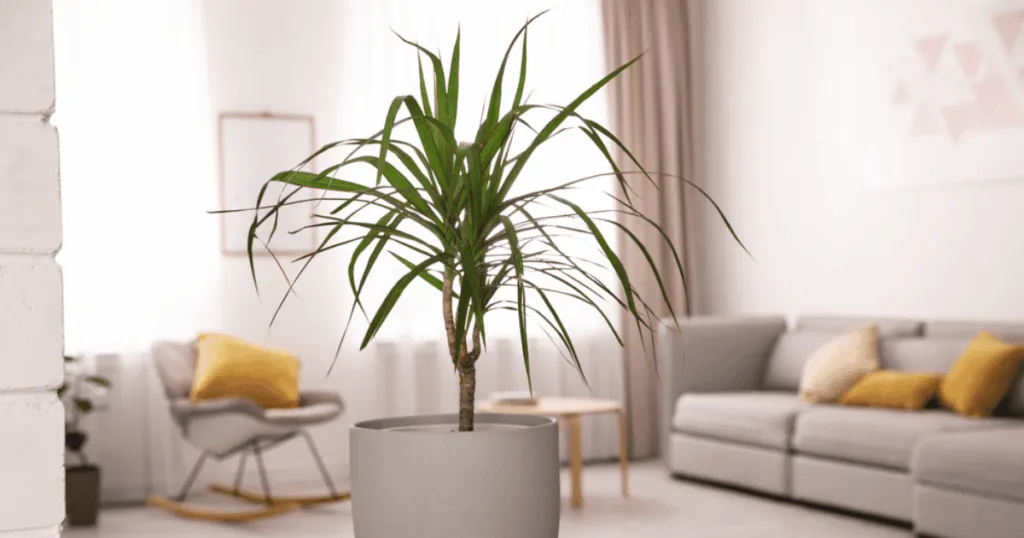
Defining the Dracaena in Professional Spaces
Its distinct aesthetic-often characterized by cane-like stems and architectural leaf patterns-provides a clean, professional look that complements modern office furniture and neutral color palettes. Whether you are managing a small desk space or a large communal area, the plant’s ability to maintain its form without constant pruning or specialized environmental controls makes it a top-tier candidate for office managers who need reliable greenery that does not demand a dedicated horticulturalist.
In the context of workplace greenery, the Dracaena acts as a structural anchor. Its vertical growth habit allows it to occupy vertical space without encroaching on floor-level foot traffic, a common challenge in high-density office layouts. By selecting varieties that align with the specific architectural constraints of your space, you can achieve a cohesive design that feels intentional rather than cluttered.
Appearance and Growth Habits
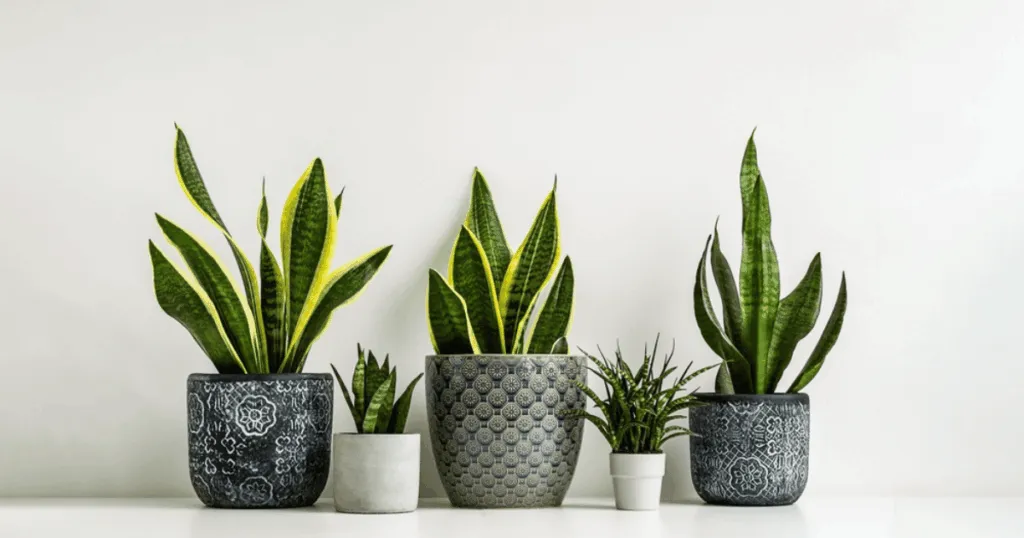
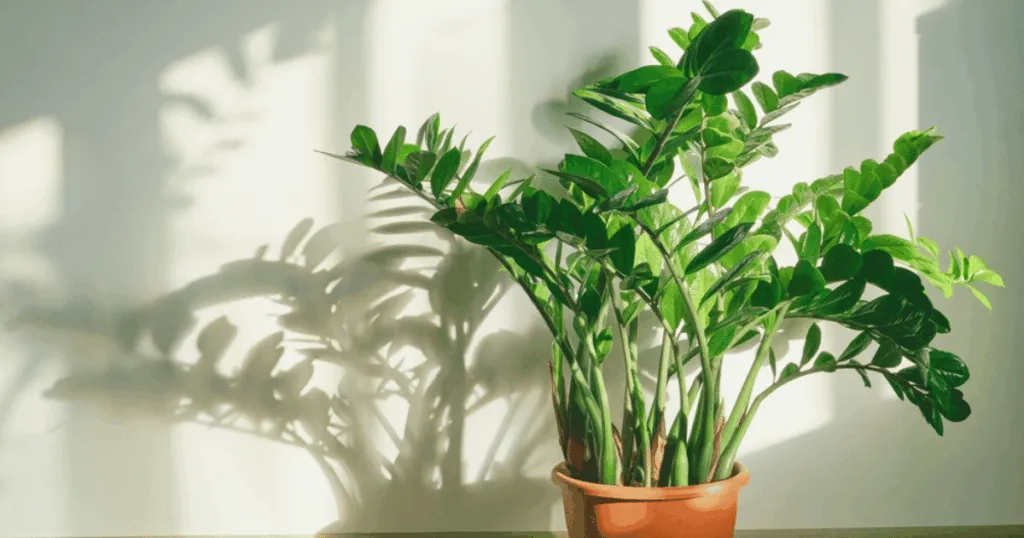
The visual appeal of the Dracaena lies in its variety. While many office managers recognize the classic corn plant (Dracaena fragrans) with its broad, arching leaves, the genus encompasses a wide range of forms. Some varieties, such as the Dracaena marginata, offer a more slender, spiky profile that adds vertical interest to tight corners without overwhelming the floor space. Others, like the compact varieties, are perfectly scaled for desktop placement.
Growth in an office environment is generally slow and steady. Because these plants are often grown in containers that restrict root expansion, they rarely outgrow their designated spots quickly. You can expect a healthy specimen to maintain its shape for years, provided it receives adequate light. The stems, or canes, often become more pronounced as the plant matures, creating a woody, tree-like appearance that feels sophisticated and established. This slow growth rate is a significant advantage for office managers; it means the plant will not suddenly become an obstruction or require frequent repotting, allowing for long-term planning of office layouts.
Understanding the growth habit also helps in predicting long-term maintenance. As the plant grows, lower leaves may naturally yellow and drop. This is a normal part of the plant’s life cycle, not necessarily a sign of neglect. In a professional setting, this allows for a clean, “tree-like” aesthetic where the focus remains on the vibrant crown of leaves at the top of the cane.
Care Needs for the Workplace
Maintaining a Dracaena in an office requires understanding its specific preferences regarding light and water. While the plant is famously tolerant of low-light conditions, it does not mean it thrives in total darkness. In practice, this means placing the plant near a window or in a spot that receives ambient light from LED or fluorescent fixtures is essential for long-term health. If the plant is placed in a windowless interior room, it may eventually lose its vigor, so choosing a location with at least some natural light exposure is a best practice.
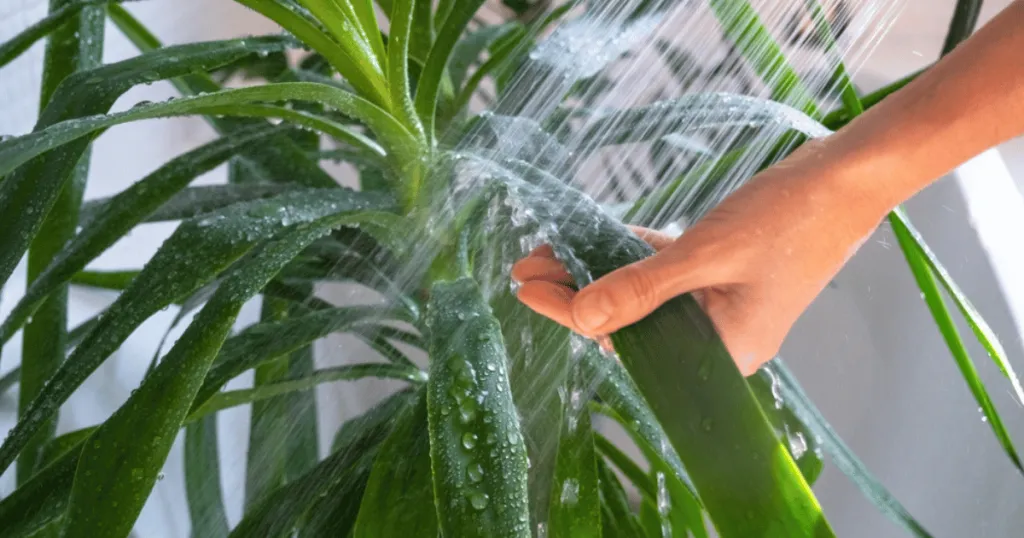
Watering and Soil Management
The most common mistake in office plant care is overwatering, and the Dracaena is particularly sensitive to this. The root system requires oxygen to stay healthy; therefore, the soil should be allowed to dry out significantly between waterings. A good rule of thumb is to check the top two inches of soil; if it is still damp, wait a few more days. In an office with low humidity, the soil may dry out faster than you expect, but it is always safer to err on the side of dryness than to leave the roots sitting in stagnant water.
When managing plant health in an office, consider the drainage capacity of your containers. If your decorative pots lack drainage holes, use a nursery liner inside the pot to prevent water from pooling at the base. This simple step prevents root rot, which is the primary cause of decline in indoor plants. During the winter months, when HVAC systems are running and the air is particularly dry, the plant’s metabolic rate slows down, meaning it will require even less water than during the warmer, brighter months of the year.
Water Quality Considerations
One specific nuance of the Dracaena is its sensitivity to minerals and chemicals found in municipal tap water. Fluoride and chlorine can accumulate in the leaves, leading to unsightly brown tips. If you notice this occurring, it is not necessarily a sign of a dying plant, but rather a reaction to water quality. Switching to filtered or distilled water is the most effective way to prevent this issue. For many offices, keeping a gallon of filtered water near the plant station is a simple, low-effort solution that keeps the foliage looking pristine.
If filtered water is not available, allowing tap water to sit in an open container for 24 hours can help some chlorine evaporate, though this does not remove fluoride. For the best results in a professional environment where visual presentation matters, investing in a simple water filtration system or using distilled water is the most reliable strategy for maintaining healthy foliage.
Office Suitability and Placement
When deciding where to place a Dracaena, consider the traffic patterns of your office. Because they are generally upright, they work exceptionally well in transition zones like hallways, near elevator banks, or flanking the entrance to a meeting room. They provide a sense of order and natural structure without the sprawling habit of vines or the fragility of flowering plants.
In open-plan offices, a large Dracaena can serve as a soft divider between workstations, providing a visual break that enhances privacy without blocking light or airflow. For smaller desk setups, smaller cultivars provide a touch of nature that is non-intrusive. The key to successful placement is avoiding direct, harsh sunlight, which can scorch the leaves, and keeping them away from direct blasts of air from HVAC vents, which can cause rapid moisture loss and stress the plant. Ventilation is important for indoor air quality, but direct, high-velocity air can dehydrate the leaves faster than the roots can replenish them.
Toxicity and Safety Considerations
It is important to address the reality of plant safety in a shared space. According to resources like the ASPCA, the Dracaena genus contains saponins, which are toxic to cats and dogs if ingested. While this is rarely a concern in a standard office environment, it is a critical factor if your workplace is pet-friendly or if you are considering these plants for a home office where pets have access. If ingestion occurs, it can cause symptoms such as vomiting, drooling, or loss of appetite. If you have a pet-friendly office policy, you may want to place these plants on elevated stands or in areas inaccessible to animals to mitigate any risk.
Handoff to Care and Troubleshooting
While this overview provides the foundational knowledge needed to select and place your plant, the longevity of your Dracaena depends on consistent, long-term maintenance. If you encounter specific issues-such as yellowing lower leaves, which is often a natural part of the aging process, or persistent brown tips that do not respond to water changes-you should consult a dedicated troubleshooting guide. Most common issues are easily corrected with minor adjustments to your care routine. By focusing on the basics of light, water quality, and soil moisture, you can keep your office greenery vibrant and healthy for years to come.
As an office manager, you might also consider the role of indoor plants in overall office wellness. While Dracaena is not a magic solution for air quality, its presence contributes to a more biophilic office environment, which can help reduce stress and improve the perceived quality of the workspace. By maintaining these plants properly, you ensure that your office remains a professional, welcoming, and aesthetically pleasing environment for all employees.
Related Dracaena Guides
- how to care for a Dracaena
- fixing common Dracaena issues
FAQ
Why are the tips of my Dracaena leaves turning brown?
Brown tips on a Dracaena are often caused by sensitivity to fluoride or chlorine in tap water. Try switching to filtered or distilled water to see if the issue resolves. It can also be a sign of low humidity or inconsistent watering, so ensure the soil is drying out properly between waterings.
Can a Dracaena survive in a room with no windows?
While the plant is highly tolerant of low light, it still requires some light to photosynthesize. If your office has no windows, ensure the plant is placed directly under bright LED or fluorescent office lighting for several hours a day. Without any light source, the plant will eventually decline in health.
How often should I repot my office Dracaena?
Dracaena are slow growers and generally prefer to be slightly root-bound. You typically only need to repot them every two to three years, or when you notice roots growing out of the drainage holes. When you do repot, use a well-draining potting mix to ensure the roots do not sit in water.