When considering greenery for a professional workspace, the primary concern for most office managers is reliability. Is the ZZ Plant truly easy to live with, or does it require a dedicated horticulturalist to keep it looking professional? The answer lies in its evolutionary adaptation to harsh, arid environments, which translates perfectly to the modern office. Unlike temperamental foliage that wilts at the slightest change in temperature or light, the ZZ Plant is remarkably forgiving, making it a top-tier candidate for desks, lobby areas, and meeting rooms where consistent care is rarely guaranteed.
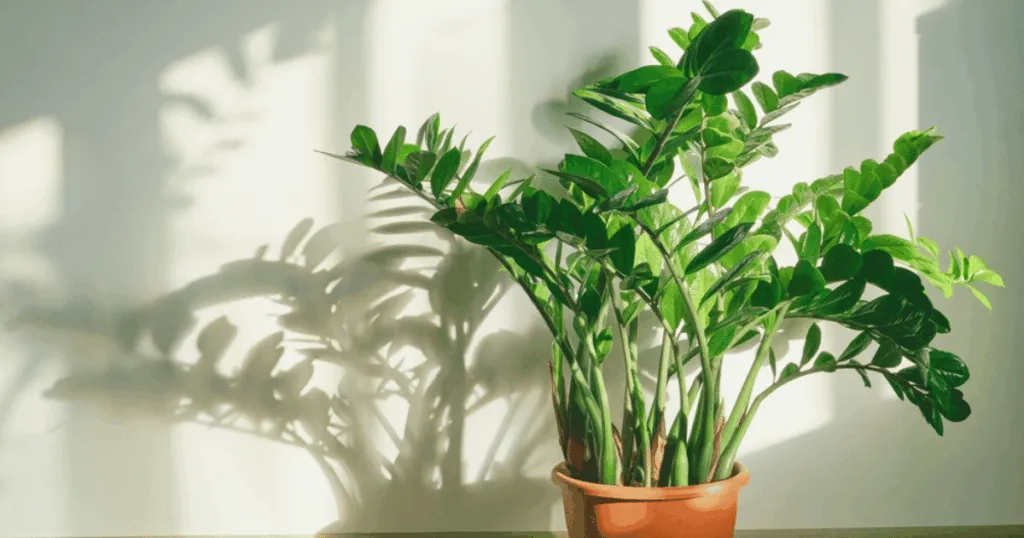
The ZZ Plant, or Zamioculcas zamiifolia, is structurally distinct, characterized by its thick, succulent-like stems and glossy, dark green leaflets. These leaflets grow in a rhythmic, pinnate pattern along the stalk, creating a structured, architectural look that fits well in modern office aesthetics. Unlike plants that require frequent pruning to maintain a professional appearance, the ZZ Plant maintains a naturally tidy, upright habit.
- Thrives in low to bright indirect light conditions.
- Requires minimal water; highly drought-tolerant via rhizomes.
- Perfect for offices with dry, HVAC-controlled air.
- Toxic if ingested; keep away from office pets.
- Ideal for busy professionals who need low-maintenance greenery.
Appearance and Growth Habits
Its growth is relatively slow, which is a significant advantage in constrained office spaces. You will not find yourself needing to repot this plant every few months or worrying about it outgrowing a desk or a corner of a reception area. The plant develops from thick, potato-like rhizomes beneath the soil surface. These storage organs are the secret to its resilience, allowing the plant to store water and nutrients, which helps it survive long weekends or holiday breaks without human intervention.
In an office setting, the plant typically reaches a manageable height of two to three feet. Because it does not sprawl or vine aggressively, it remains a predictable, low-impact addition to meeting rooms or individual workstations. The foliage retains a waxy, reflective sheen that helps it look clean and vibrant even in environments where dust might accumulate, making it a low-maintenance favorite for high-traffic areas. This glossy surface is not just for show; it is an evolutionary trait that helps the plant retain moisture, which is a massive benefit in the low-humidity environments created by central heating and cooling systems.
Care Needs at a Glance
The ZZ Plant is defined by its ability to tolerate neglect, but understanding its basic requirements ensures it stays looking its best. The most critical factor for this species is light management. While it is famously tolerant of low-light conditions-such as windowless offices lit primarily by fluorescent or LED overheads-it will grow more robustly when provided with bright, indirect light. Avoid placing it in direct, harsh sun, which can scorch the leaves. In an office, this means finding a balance; a spot near a window with sheer curtains or a few feet away from a bright light source is ideal.
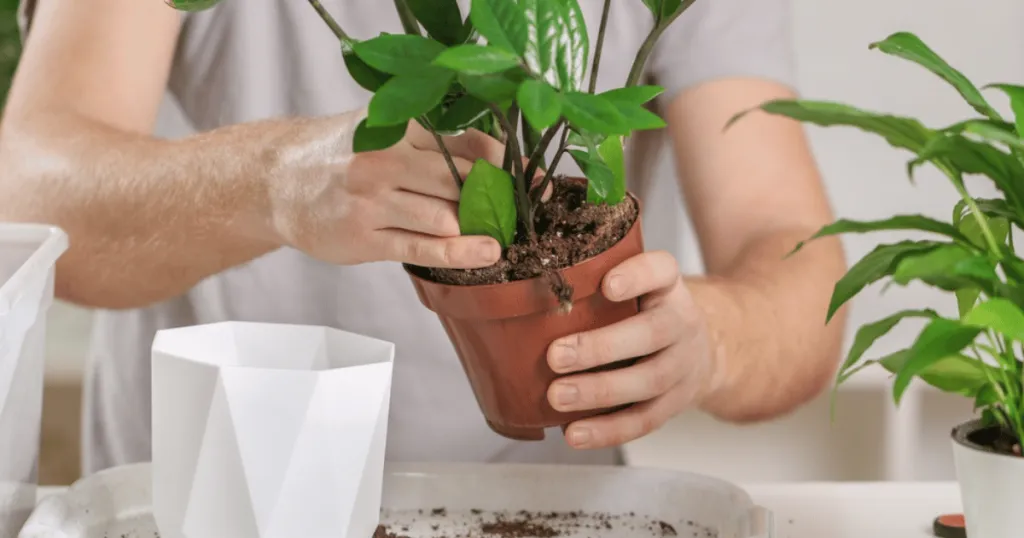
Watering is where most office managers go wrong. Because the plant stores water in its rhizomes, it is extremely sensitive to overwatering. The soil must be allowed to dry out completely between waterings. If you are unsure whether to water, wait another week. In a typical office environment with HVAC-controlled air, the soil may take longer to dry than in a home setting. Always check the moisture level by inserting a finger or a moisture meter deep into the soil; if any dampness remains, hold off on the water. Over-saturation leads to root rot, which is the most common cause of decline in office-kept ZZ Plants.
Humidity is rarely a concern for this species. It is well-adapted to the dry, arid conditions typical of climate-controlled office buildings. Unlike tropical ferns or calatheas, the ZZ Plant will not develop brown, crispy leaf edges due to low humidity. Temperature stability is also a strength; as long as the plant is kept away from direct blasts of cold air from vents or intense heat from radiators, it will remain stable and healthy throughout the year. If your office experiences significant temperature drops over the weekend, the ZZ Plant is one of the few species that will not show immediate signs of stress.
Office Suitability and Placement Guidance
The ZZ Plant is arguably the most reliable choice for professional environments where plant care is not a primary job function. Its ability to perform under artificial lighting makes it a versatile candidate for interior offices, hallways, and reception desks that lack access to natural windows. In open-office plans, it serves as a subtle, non-intrusive divider that adds organic texture without creating clutter.
When placing your plant, consider the traffic flow of the office. Because the stems are sturdy and the plant is relatively heavy at the base, it is less prone to tipping over than lightweight, top-heavy plants. However, it is best to avoid placing it in high-traffic corridors where people might brush against the leaves. While the plant is durable, constant physical contact can lead to broken leaflets or bruised stems, which detract from the polished look you want in a professional space.
For reception areas, the ZZ Plant provides a sophisticated, low-maintenance focal point. It pairs well with minimalist planters that complement office branding. If you are managing multiple locations, the consistency of the ZZ Plant is a major benefit; you can expect the same growth rate and care requirements across different office zones, simplifying your maintenance schedule. It is a plant that rewards a hands-off approach, making it perfect for teams that want the benefits of greenery without the distraction of complex care routines.
Toxicity and Safety Considerations
It is important to address the biological reality of the ZZ Plant: it contains calcium oxalate crystals. According to guidance from organizations such as the ASPCA, these crystals are toxic to cats and dogs if ingested or chewed. While the plant is not volatile and does not release toxins into the air, the physical ingestion of any part of the plant-leaves, stems, or rhizomes-can cause irritation, swelling, and discomfort for pets. In a pet-friendly office, this means the plant should be placed in a location that is inaccessible to animals.
If you have a cat that likes to chew on foliage, the ZZ Plant should be kept on a high shelf or in a room where pets are not permitted. If you are in a high-traffic office where pets are present, it is a safer approach to choose a non-toxic alternative or ensure the plant is physically isolated. Always prioritize the safety of office pets and visitors by being transparent about the plant’s toxicity if you choose to include it in your interior design.
Care and Troubleshooting Handoff
While the ZZ Plant is exceptionally easy to manage, even the most resilient plants can occasionally show signs of stress. Yellowing leaves are often the first indicator of overwatering, while shriveling stems may suggest the plant has been left dry for far too long. If you notice these symptoms, it is usually a sign to adjust your watering frequency rather than a symptom of a complex disease. Because this species is so hardy, it rarely suffers from the common pests that plague other indoor plants, such as spider mites or aphids.
If you do notice dust or debris on the leaves, a simple wipe with a damp cloth is all that is required to restore its appearance. For more granular details on repotting, soil composition, or how to handle specific health issues, please refer to our dedicated troubleshooting and care guides. These resources provide the step-by-step instructions needed to keep your office greenery thriving for years to come.
Strategic Integration in Workplace Design
Integrating the ZZ Plant into your workplace design strategy offers more than just aesthetic appeal. By utilizing plants that are inherently drought-tolerant and capable of thriving under fluorescent lighting, office managers can reduce the overhead associated with plant maintenance contracts. The ZZ Plant acts as a “set it and forget it” solution that maintains a high-quality visual standard. When planning your office layout, consider grouping ZZ Plants in clusters to create a lush, jungle-like effect in corners that would otherwise remain empty.
Because they do not require constant rotation or specific light-seeking adjustments, they allow for a more permanent, stable design layout. This stability is crucial for maintaining a professional, orderly environment that reflects the company’s commitment to a high-quality workspace. By choosing plants that align with the actual environmental limitations of your office, you ensure that your investment in greenery pays off in long-term health and visual impact rather than short-term replacement costs.
Related ZZ Plant Guides
FAQ
Can the ZZ Plant survive in a windowless office?
Yes, the ZZ Plant is one of the few species that can survive in windowless offices. It is highly tolerant of fluorescent and LED lighting. While it will not grow as quickly as it would in natural light, it will maintain its health and appearance for a long time.
How often should I water my ZZ Plant in an office?
There is no set schedule because office environments vary. The best approach is to let the soil dry out completely between waterings. In most offices, this means watering every 3 to 4 weeks. Always check the soil moisture before adding more water to avoid root rot.
What should I do if my ZZ Plant leaves start turning yellow?
Yellowing leaves are almost always a sign of overwatering. Because the ZZ Plant stores water in its rhizomes, it is very easy to give it too much. If you see yellowing, stop watering immediately and allow the soil to dry out completely before your next check.