The Rubber Plant, known botanically as Ficus elastica, is a staple in professional settings for good reason. It offers a bold, architectural aesthetic that fills vertical space without requiring the sprawling footprint of a palm or a fern. If you are looking for a plant that balances visual impact with a relatively predictable growth habit, this species is a strong candidate for reception areas, corner offices, and well-lit meeting rooms.
- Thrives in bright, indirect light; avoid direct sun exposure.
- Water only when the top inch of soil feels dry.
- Average office humidity and temperature are perfectly acceptable.
- Moderate maintenance; watch for dust on large, waxy leaves.
- Contains latex sap; keep away from pets and sensitive skin.
Unlike many tropical plants that demand high-maintenance misting or specific temperature fluctuations, the Rubber Plant is surprisingly resilient in standard HVAC-controlled office environments. It handles the steady, moderate conditions of a typical workspace well, provided you respect its basic need for consistent light and avoid overwatering. While it is not a “set it and forget it” plant, it is far from the most demanding option for a busy office manager.
Appearance and Growth Habit
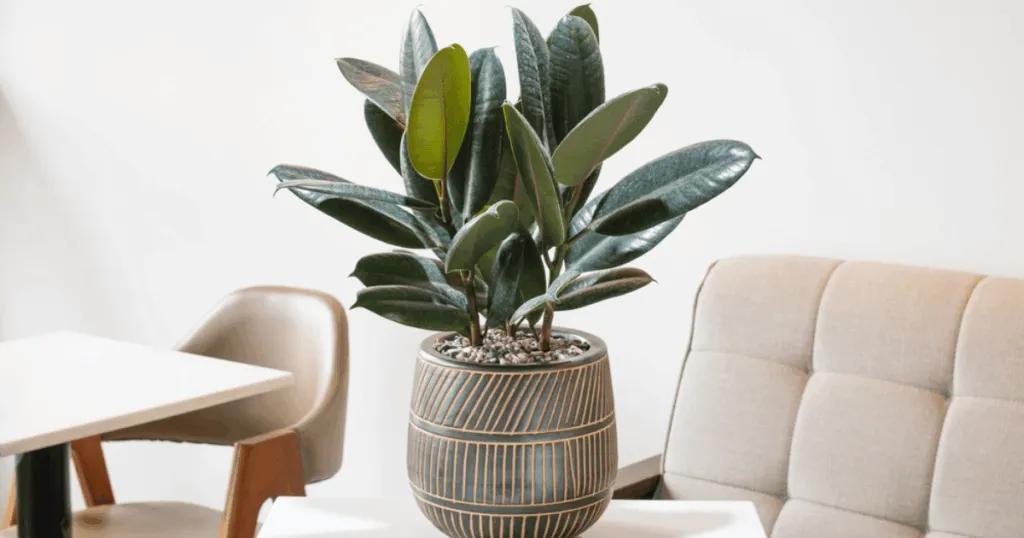
The primary appeal of the Rubber Plant lies in its striking foliage. The leaves are thick, leathery, and often dark, glossy green, though several cultivars offer variegated patterns in cream, pink, or burgundy. In an office setting, these leaves act as a natural focal point, adding a sense of permanence and maturity to the room. Because the leaves are large and waxy, they are excellent at reflecting ambient light, which can help brighten a corner that might otherwise feel dim.
Growth-wise, this plant is a vertical grower. In the wild, it can reach massive heights, but in an office, its growth is naturally constrained by its container size and the available light. You can expect a steady, manageable increase in height over time. If the plant begins to look too spindly or reaches toward the ceiling, it can be pruned to encourage bushier growth. This makes it a versatile choice for both floor-standing displays and slightly elevated plant stands.
It is important to note that the plant’s growth is directly tied to its light exposure. In lower light, the plant will grow more slowly and may lose some of its lower leaves, leading to a “leggy” appearance. In bright, indirect light, it will maintain a fuller, more robust shape. Choosing the right spot initially is the best way to ensure the plant maintains its desired aesthetic throughout the year.
Care Needs at a Glance
Managing a Rubber Plant in an office requires a shift in focus from daily attention to weekly observation. The most critical factor is light. These plants crave bright, indirect light. If your office has large windows, placing the plant a few feet away from the glass is ideal. If you are relying on artificial office lighting, ensure the plant is close enough to the light source to receive consistent illumination, as standard fluorescent or LED overhead lights are often insufficient on their own for optimal health.
Watering is the area where most office plants fail, and the Rubber Plant is no exception. The goal is to let the top inch of soil dry out completely between waterings. Because office humidity is generally low due to HVAC systems, the soil may dry faster than you expect, but it is always safer to check the soil moisture with a finger or a moisture meter before adding more water. Overwatering leads to root rot, which is difficult to reverse once it takes hold.
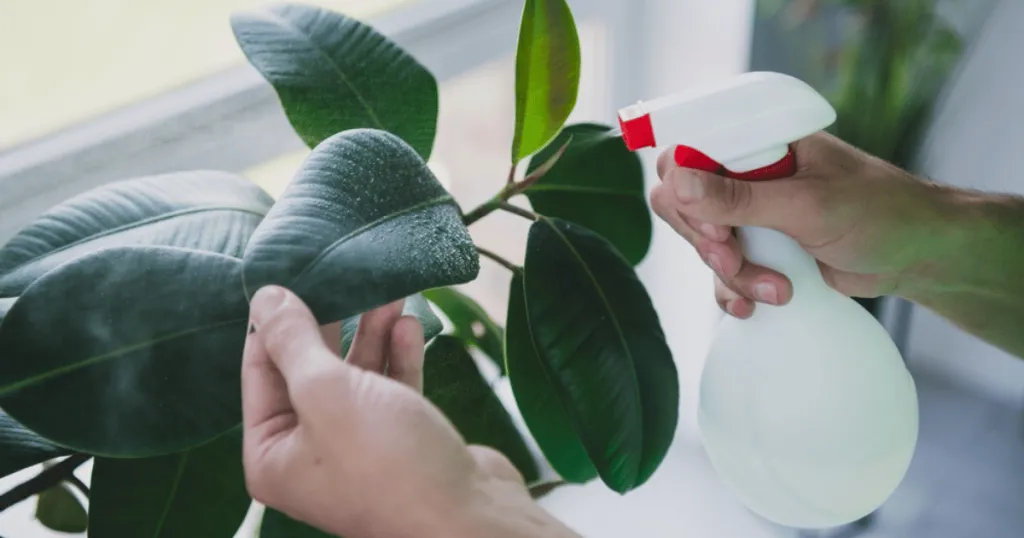
Finally, consider the cleanliness of the leaves. Because the leaves are large and broad, they act as dust magnets in an office environment. Dust buildup can interfere with the plant’s ability to photosynthesize. Wiping the leaves down with a damp cloth every few weeks not only keeps the plant looking professional and vibrant but also ensures it stays healthy enough to continue growing in its container.
Office Suitability and Placement Guidance
When selecting a location for your Rubber Plant, think about traffic patterns and light quality. These plants do not like to be moved, so once you find a spot that provides adequate light, try to keep it there. Avoid placing the plant directly in the path of air vents or heating ducts. The constant draft can cause the leaves to dry out prematurely or drop, regardless of how well you water the soil.
In open-plan offices, a large Rubber Plant can serve as a natural room divider or a visual screen between desks. Its upright habit means it doesn’t take up too much floor space, making it ideal for tight corners or the ends of rows of workstations. If you are placing the plant in a reception area, ensure it is in a spot where it won’t be bumped by visitors or cleaning crews, as the stems can be brittle if knocked frequently.
If you are responsible for office plants during holidays or long weekends, the Rubber Plant is a reliable companion. It does not require daily attention and can handle the slight fluctuations in temperature that occur when the office climate control is dialed back. As long as the plant is not sitting in standing water and has had a good drink before the weekend, it will generally remain stable until you return.
Latex Sap and Handling Precautions
A key aspect of responsible office plant management is understanding the nature of the plant’s sap. The Rubber Plant produces a milky white latex sap that is a natural defense mechanism. According to veterinary resources like the ASPCA, this latex sap is considered toxic to cats and dogs if ingested. In an office environment, this is primarily a concern if your workplace is pet-friendly or if you have employees who might be sensitive to latex.
Beyond ingestion, the sap can be an irritant to human skin. If you are pruning the plant or repotting it, it is a good practice to wear gloves. If the sap makes contact with your skin, wash the area thoroughly with soap and water to prevent irritation. This is not a reason to avoid the plant, but it is a practical detail that office managers should be aware of when assigning care duties to staff members.
If your office has a strict policy regarding toxic plants, you may want to consider alternatives. However, for most standard office environments where plants are kept on desks or in floor pots away from pets, the Rubber Plant is perfectly safe and widely used. The risk is minimal as long as the plant is treated as an ornamental specimen rather than something to be handled or ingested.
Care and Troubleshooting Handoff
The information provided here covers the essential requirements for keeping a Rubber Plant healthy in a professional setting. By focusing on bright, indirect light, careful watering, and keeping the leaves free of dust, you can ensure your plant remains a vibrant addition to your office. Most issues with this species, such as yellowing leaves or leaf drop, are usually direct results of light or water imbalances.
If you notice persistent issues, such as pests or significant leaf loss, we recommend consulting a detailed troubleshooting guide. Specialized care guides can help you identify specific nutrient deficiencies or pest infestations that require more targeted intervention. For day-to-day management, however, the guidelines outlined here should provide a solid foundation for success. If you are ever in doubt about the plant’s health, remember that it is almost always better to provide slightly less water than to provide too much, as the plant is far more forgiving of drought than it is of saturated soil.
Related Rubber Plant Guides
- Rubber Plant watering and light needs
- fixing common Rubber Plant issues
FAQ
Is the Rubber Plant the same as a Peperomia?
No. While the Peperomia obtusifolia is sometimes called the ‘Baby Rubber Plant’ or ‘American Rubber Plant,’ it is a completely different species from the Ficus elastica. The Ficus elastica is the true Rubber Plant and is toxic to pets, whereas the Peperomia is generally considered non-toxic.
Can a Rubber Plant survive in a windowless office?
It will struggle significantly. While it can tolerate lower light levels for a short time, it requires bright, indirect light to thrive. In a windowless office, you would need to provide a dedicated, high-quality grow light to keep the plant healthy and prevent it from becoming leggy or dropping its leaves.
How often should I repot my office Rubber Plant?
You typically only need to repot a Rubber Plant every two to three years. Because growth is often slower in indoor office conditions, the plant may not outgrow its pot as quickly as it would in a greenhouse. Only move to a pot that is one to two inches larger in diameter to avoid water retention issues.