Identifying and Fixing Common Cast Iron Plant Problems in Office Spaces
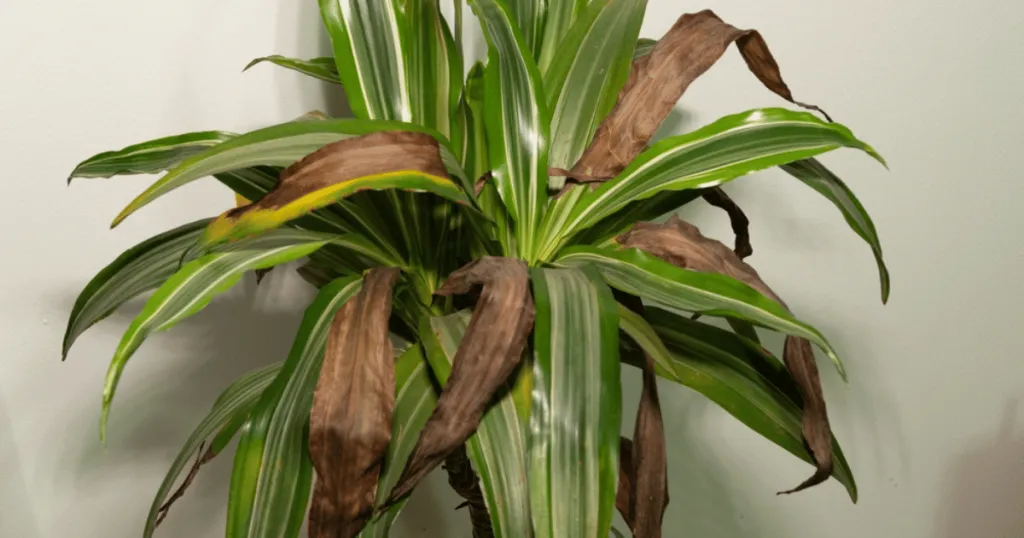
Troubleshoot common cast iron plant problems like yellowing or brown tips. Learn practical fixes for...
| What You See | Start Here |
|---|---|
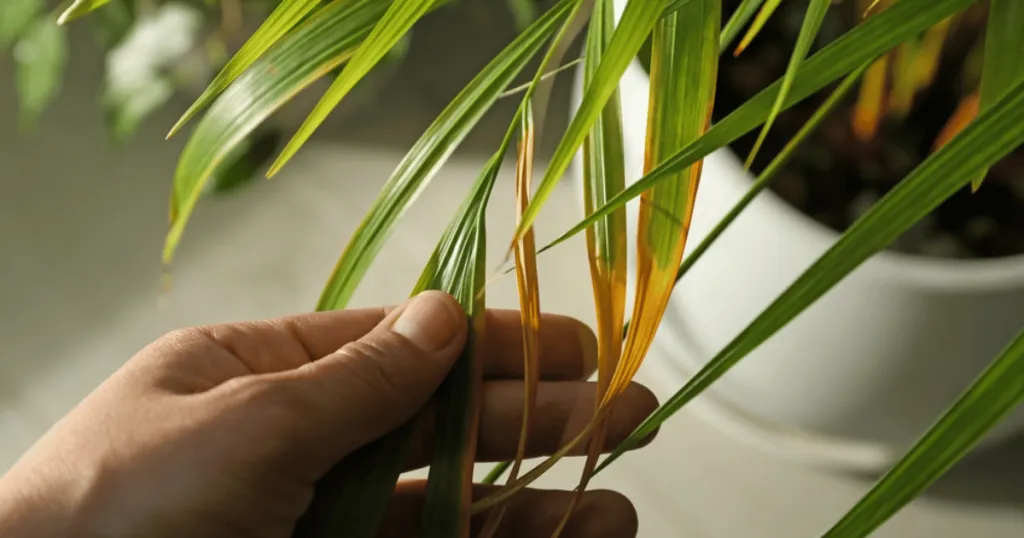
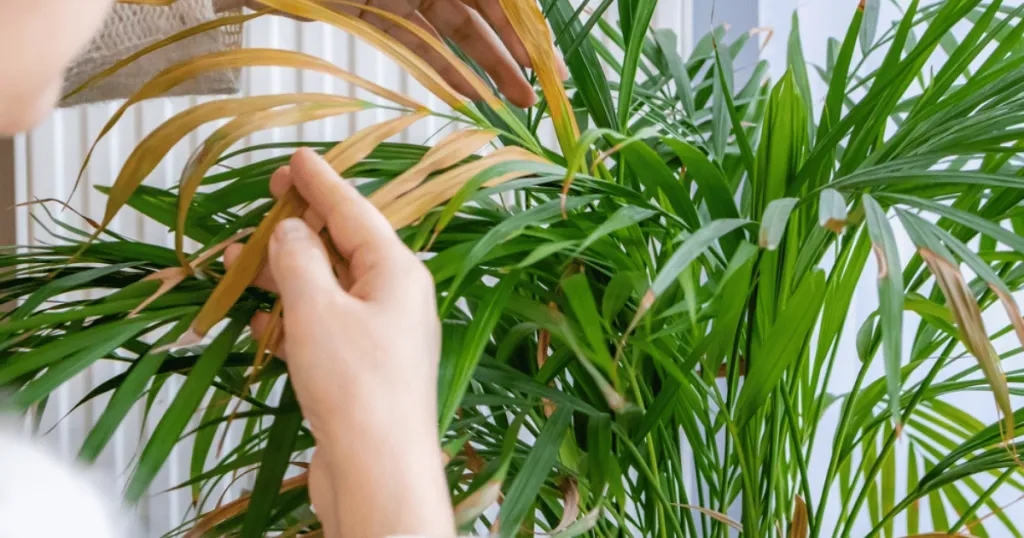
| Yellow, brown, or dropping leaves | Leaf Problems |
| Wilting, mushy stems, or root rot | Water & Root Problems |
| Leggy growth, leaning, or no new leaves | Growth Problems |
| Pale color, scorched spots, or cold damage | Light and Temperature Problems |
| Sticky residue, webbing, or tiny bugs | Pests |
| Mold, spots, or unusual growths on foliage | Diseases |
| A known plant acting "off" from its normal | Species-Specific Problems |
That table should get you moving. Most office plant problems trace back to one of those seven patterns, and roughly 90% of common houseplant issues link to watering mistakes, according to extension programs at universities like Penn State and Clemson. The fix is usually simpler than you'd expect once you match the symptom to the cause.
This section is not about regular office plant care. Plant Care covers the preventive side of things, like watering schedules, soil mixes, and seasonal adjustments. Plant Problems picks up where routine breaks down. Something has gone wrong, and you need to figure out what.
Think of it this way. Care is the checkup. Problems is the emergency room.
That distinction matters because solutions here are targeted. A yellowing pothos doesn't need a full care overhaul. It needs you to rule out overwatering, check light levels, and look for pests, in that order. Our Troubleshooting sub-category walks you through that kind of elimination process step by step.
We've organized every problem guide around what you can actually observe. You don't need to know the Latin name of a fungus to use these pages. Start with what the plant looks like right now.
Leaf Problems covers discoloration, curling, and drop. Growth Problems handles stunted or leggy development. Water & Root Problems digs into overwatering, underwatering, and rot. Light and Temperature Problems addresses bleaching, stretching, and cold stress. Pests and Diseases each get their own section because the fixes are completely different from environmental corrections.
If your plant is a specific species (like a fiddle leaf fig or a ZZ plant), check Species-Specific Problems. Some plants have quirks that generic guides miss entirely. A peace lily's dramatic wilt, for example, often looks alarming but recovers within hours of watering.
One common mistake we see repeatedly. People change multiple variables at once, moving the plant, changing the pot, adjusting water, all in the same week. Isolate one change at a time. Give the plant five to seven days before trying something else.