The Snake Plant, or Dracaena trifasciata, stands out as a premier choice for professional environments due to its architectural silhouette and remarkable resilience. Unlike many indoor plants that require precise environmental tuning, this species thrives on neglect, making it a reliable fixture for busy office managers and individual desk users alike. Its structural, sword-like leaves provide a clean, modern aesthetic that complements contemporary office interiors without demanding the constant attention required by more delicate tropical varieties.
- Thrives in low light, making it ideal for windowless offices.
- Water only when soil is completely dry; overwatering is the primary risk.
- Highly tolerant of dry, HVAC-controlled office air.
- Mildly toxic to cats and dogs if ingested; keep out of reach.
- Extremely low-maintenance; perfect for desks or reception areas.
Defining the Office-Ready Snake Plant
In an office setting, the primary challenge for plant survival is often the combination of artificial lighting, fluctuating temperatures from HVAC systems, and inconsistent care schedules. The Snake Plant excels here because it is a succulent-like species, storing moisture in its thick, fibrous foliage. This biological adaptation allows it to endure long weekends, holiday breaks, and the occasional missed watering without showing signs of stress. It is a plant that adapts to the office, rather than forcing the office to adapt to it.
Appearance and Growth Habit
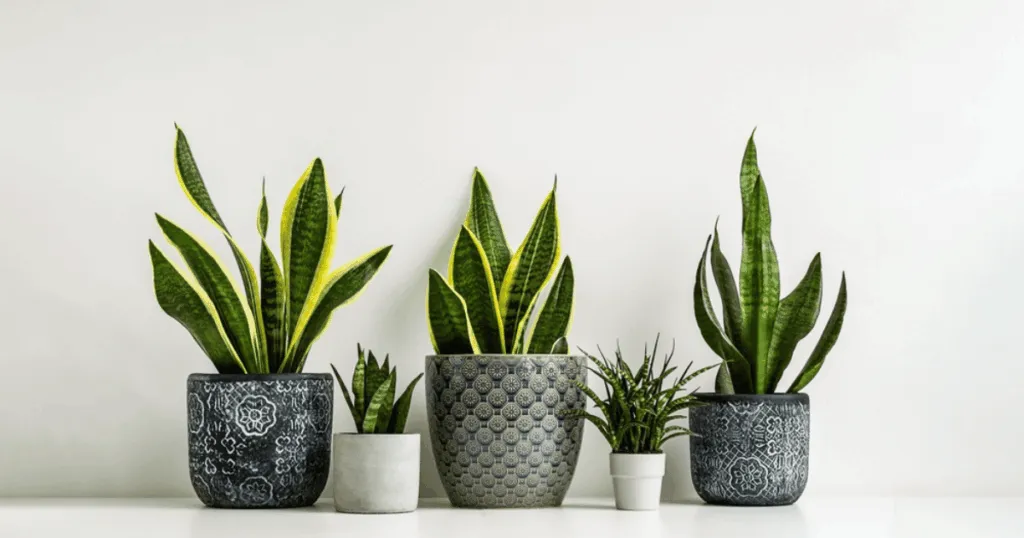
The visual appeal of the Snake Plant lies in its upright, vertical growth pattern. Its leaves emerge directly from the soil, creating a dense cluster of foliage that occupies minimal horizontal footprint-a significant advantage in cramped cubicles or crowded reception counters. The leaves are typically stiff, leathery, and marked with distinctive horizontal bands of dark and light green, sometimes featuring striking yellow or cream-colored margins depending on the specific cultivar.
Growth is generally slow and steady. In an office environment, you should not expect rapid expansion; instead, the plant will maintain its form for long periods. This predictability is an asset, as it prevents the plant from outgrowing its designated space or requiring frequent repotting. When it does grow, it produces new shoots from the rhizomes beneath the soil surface, allowing the plant to gradually fill out its container over time. Because it does not rely on sprawling vines or delicate stems, it is less prone to physical damage in high-traffic areas like hallways or breakrooms.
Care Needs at a Glance
While the Snake Plant is famously forgiving, understanding its basic biological requirements ensures it remains a healthy, vibrant part of your office decor. The most common mistake in office settings is excessive care, specifically overwatering. Because this plant is adapted to arid conditions, it prefers to have its soil dry out completely between waterings. In a typical climate-controlled office, this might mean watering once every two to four weeks, depending on the container size and ambient humidity.
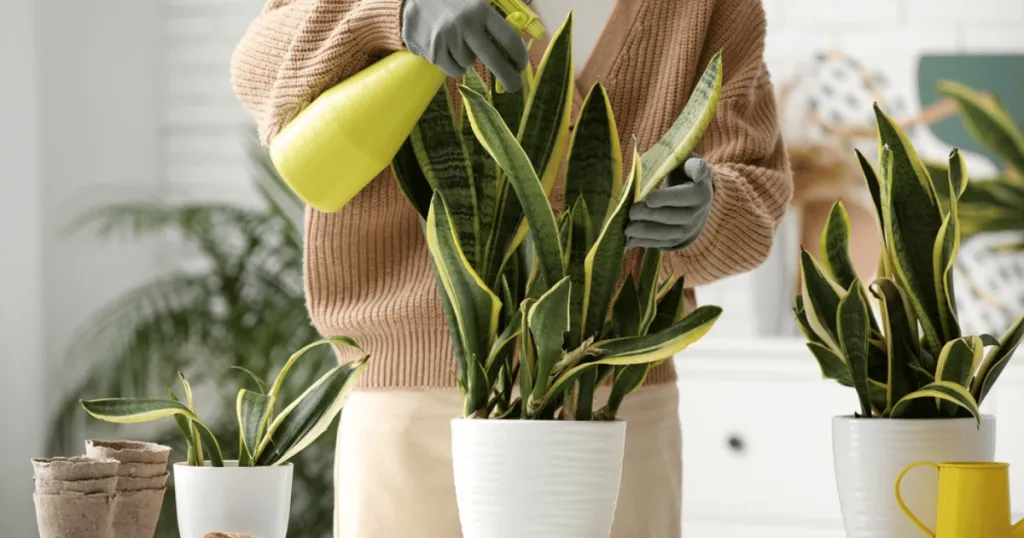
Regarding light, the Snake Plant is highly versatile. It is one of the few species that can tolerate the low-light conditions often found in interior offices illuminated primarily by fluorescent or LED overhead lights. While it will grow more robustly and maintain more vibrant color in bright, indirect light-such as near a window-it will not suffer or die if placed in a darker corner. Avoid placing it in direct, scorching sunlight, which can bleach the leaves or cause them to lose their structural integrity.
Humidity is rarely a concern for this plant. It is perfectly comfortable in the dry, recirculated air typical of modern office buildings. Unlike ferns or humidity-loving tropicals, the Snake Plant does not require misting or pebble trays. Keeping the leaves clean by occasionally wiping them with a damp cloth is sufficient to ensure the plant can photosynthesize efficiently, especially in environments where dust accumulates quickly.
Office Suitability and Placement Guidance
Selecting a plant for an office requires balancing aesthetics with practicality. The Snake Plant fits almost any professional setting, from executive offices to open-plan workstations. Its verticality allows it to act as a natural room divider or a focal point in a reception area without obstructing movement. Because it is not a trailing plant, it is an excellent candidate for elevated surfaces like file cabinets or bookshelves where hanging foliage would be impractical or messy.
Consider the placement carefully regarding foot traffic. While the leaves are tough, they can be bruised if repeatedly bumped by passing colleagues or equipment. A corner location or a spot on a desk that is slightly recessed is ideal. If you are managing a large office, grouping several Snake Plants of varying heights in a single large planter can create a sophisticated, architectural display that requires minimal maintenance compared to a mixed-plant arrangement.
One of the most significant benefits for office managers is the plant’s ability to handle the ‘weekend effect.’ Many office plants perish because they are neglected during non-business hours or holiday shutdowns. The Snake Plant’s drought-tolerant nature means it remains stable throughout these periods. It does not require a dedicated staff member to water it on a strict schedule, which reduces the administrative burden of maintaining greenery in the workplace.
Toxicity and Safety Considerations
When incorporating plants into a shared workspace, it is necessary to consider the safety of everyone in the building. According to guidance from the ASPCA and various veterinary resources, the Snake Plant contains saponins, which are compounds that can cause gastrointestinal distress if ingested. While it is not lethal, it is classified as toxic to cats and dogs. If your office is pet-friendly or if employees frequently bring pets to work, ensure the plant is placed in an area inaccessible to animals, such as on a high desk or a secure pedestal.
For human occupants, the plant poses no significant health risk under normal circumstances. It is not an allergen-producing plant, and it does not release harmful substances into the air. However, it is always a good practice to remind staff not to ingest any part of an office plant. In environments where small children might be present, such as a daycare or a family-friendly reception area, keeping the plant out of reach is the standard, safe approach.
Care and Troubleshooting Guide Handoff
This overview provides the foundational knowledge needed to successfully integrate the Snake Plant into your office. By respecting its need for dry soil and its ability to thrive in varied light, you can enjoy a long-lived, low-maintenance green feature in your workspace. However, plants are living organisms, and occasionally, you may encounter specific issues such as leaf yellowing, soft bases, or stagnant growth.
If you notice the leaves becoming mushy or the base of the plant turning brown, this is a clear signal to pause watering and inspect the root system for moisture levels. For more granular advice on repotting, choosing the right soil mix for drainage, or identifying specific pests that might occasionally affect indoor plants, we recommend consulting our dedicated, in-depth care and troubleshooting guides. These resources offer step-by-step instructions to help you resolve common issues and keep your office plants performing at their best throughout the year.
Related Snake Plant Guides
FAQ
Can a Snake Plant survive in an office with no windows?
Yes, the Snake Plant is one of the most shade-tolerant indoor plants. It can survive in windowless offices using only artificial fluorescent or LED lighting. While it will not grow as quickly as it would in natural, indirect light, it will remain healthy and maintain its structural integrity for years, provided it is not overwatered.
How often should I water my office Snake Plant?
There is no fixed calendar schedule because water needs vary by office temperature and humidity. The best approach is to check the soil moisture by inserting a finger or a wooden skewer two inches into the soil. If it is damp, wait. Only water when the soil is completely dry from top to bottom. In a typical office, this usually happens every 2 to 4 weeks.
Why are the leaves of my Snake Plant turning yellow?
Yellowing leaves are almost always a symptom of overwatering. Because the Snake Plant is a succulent, its roots will rot if they sit in wet, soggy soil. If you see yellowing, stop watering immediately and ensure the pot has drainage holes. Allow the soil to dry out completely before considering another watering, and check that the pot is not sitting in a saucer of standing water.