Office Plant Care & Maintenance
A plant near a south-facing window might need water twice a week in July. That same plant in a dim cubicle? Once every ten days. Its soil mix and fertilizer needs shift right along with it. That chain reaction is what makes office plant care both fascinating and tricky. Every care decision connects to at least two others.
We built this section to help you navigate those connections. If you've already picked your plant, this is where you learn to keep it alive. That's the difference between this section and our Plant Guides. Guides help you choose. This section helps you maintain.
How Light, Water, and Soil Work Together
Most office plant problems start with a mismatch between light and watering. A pothos in a bright break room dries out faster than one behind a monitor. Overwatering in low light is the most common cause of root rot indoors. University extension programs at Penn State and Clemson highlight this repeatedly.
Our Care Fundamentals guides walk you through these relationships first. Then dedicated sections on Watering, Light and Grow Lights, and Soil and Potting Mix go deeper. You'll find specific guidance, not generic tips. "Water when the top inch is dry" means something different in humid Houston than in dry Denver.
Pots and Repotting matters more than most people expect. A glazed pot without a drainage hole changes your watering approach entirely. We cover those tradeoffs so you match the container to your routine.
Feeding, Climate, and Hands-On Maintenance
Our Fertilizing guides help you feed on a schedule that fits your plant's growth rate. Office plants need far less fertilizer than outdoor garden plants. A half-strength liquid feed once a month during growing season works for most tropical species.
Most commercial HVAC systems keep humidity between 30% and 50%. Many tropical houseplants prefer 60% or higher. Our Humidity and Temperature section shares practical fixes for that gap. No desk humidifier required.
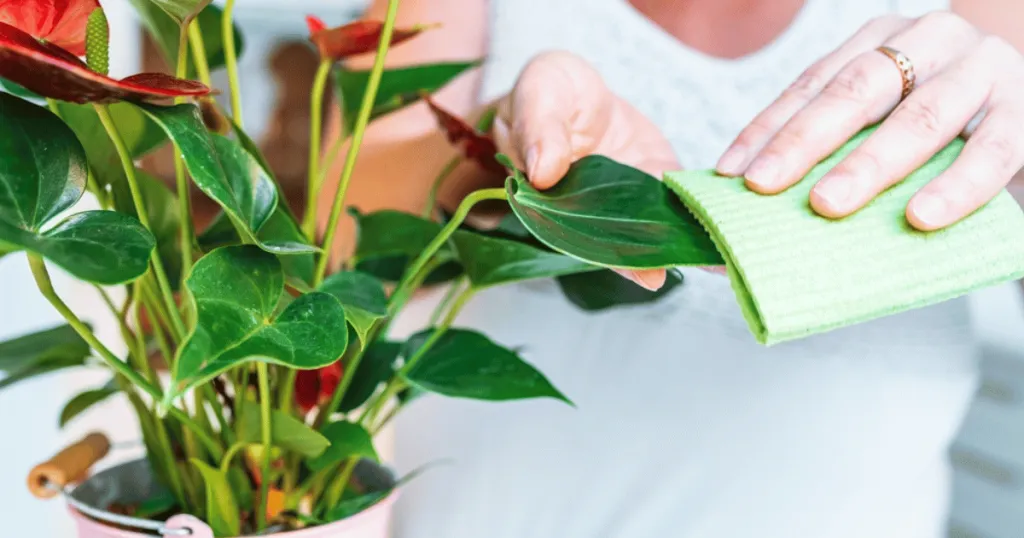
Pruning and Cleaning rounds out the hands-on topics. Dust on leaves isn't just cosmetic. A layer of buildup blocks light and slows photosynthesis over time.
Growing Your Collection and Adapting to the Calendar
Our Propagation section covers stem cuttings, division, and water rooting for common office species. It's a practical way to fill empty desks without buying new plants.
Seasonal Care is the section people skip and then regret. Office heating in winter drops humidity fast. Shorter daylight hours shift growth patterns. The routine that worked in June can cause leaf drop by December.
Our Species Care Hub collects care sheets for specific varieties. Find tailored guidance for your exact plant, from snake plants to fiddle-leaf figs.
Browse the categories below to find what your plant needs right now.
Most Popular Posts From Plant Care
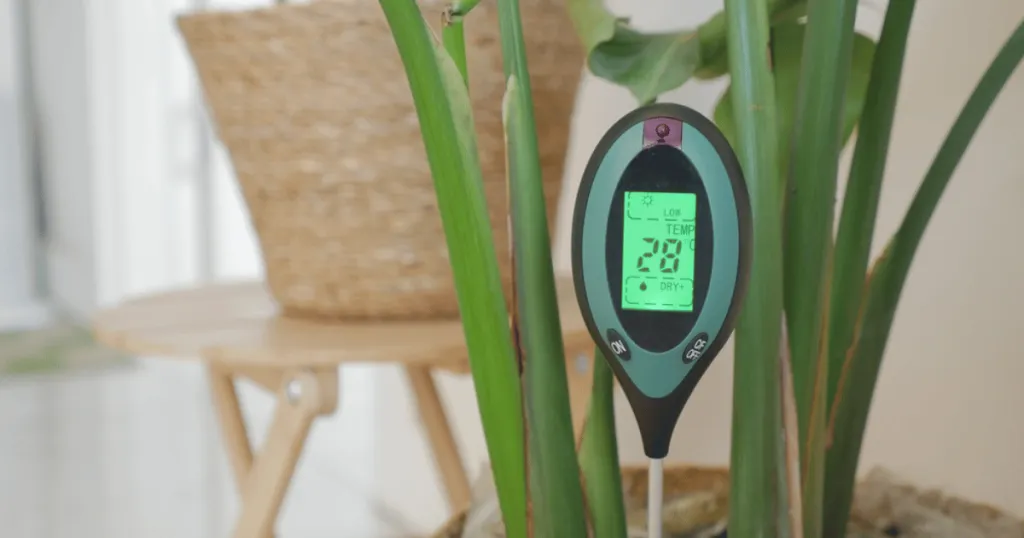
Optimizing Your Office Plant Watering Schedule by Season
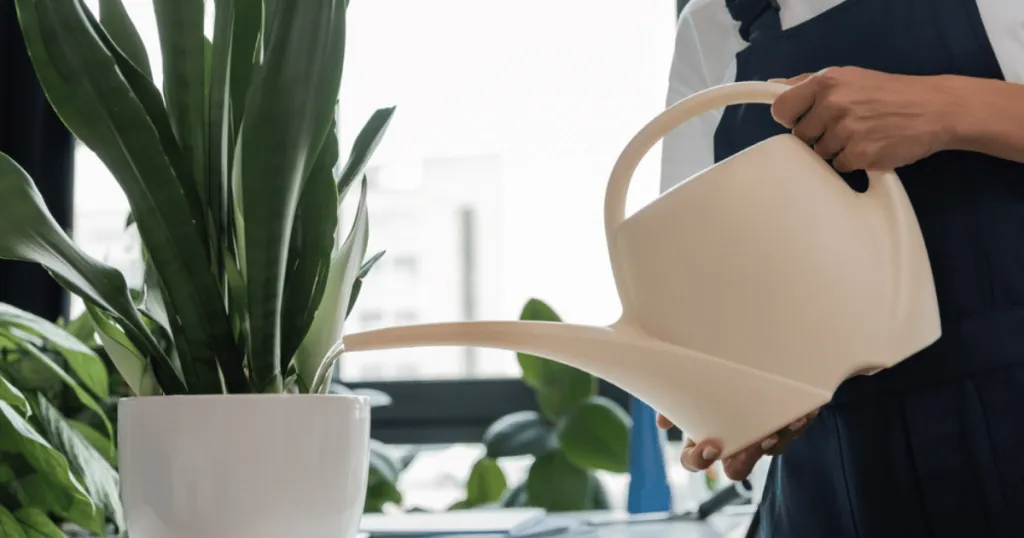
How to Keep Office Plants Alive Without Constant Fuss
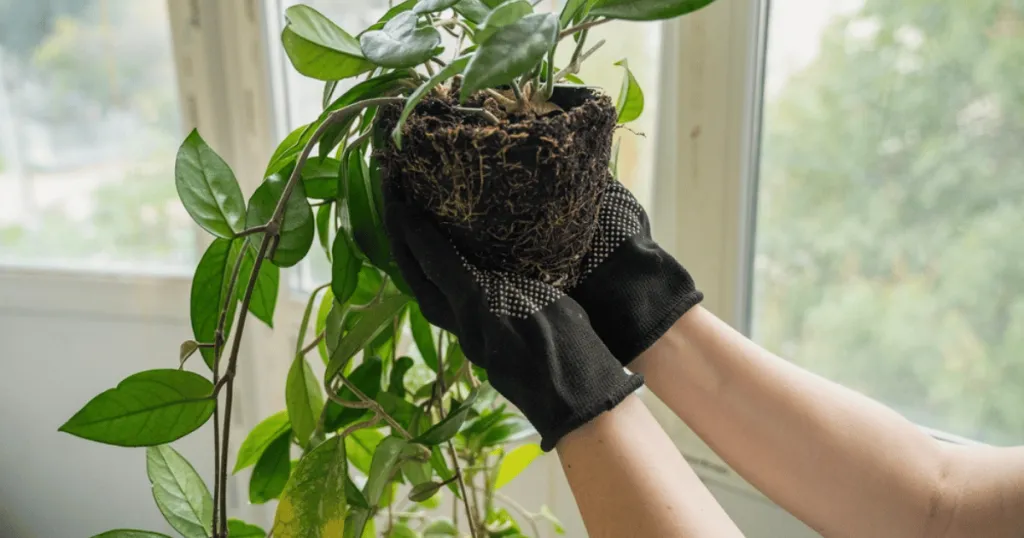
Hoya Care: Mastering the Art of Drought Tolerance in Your Office
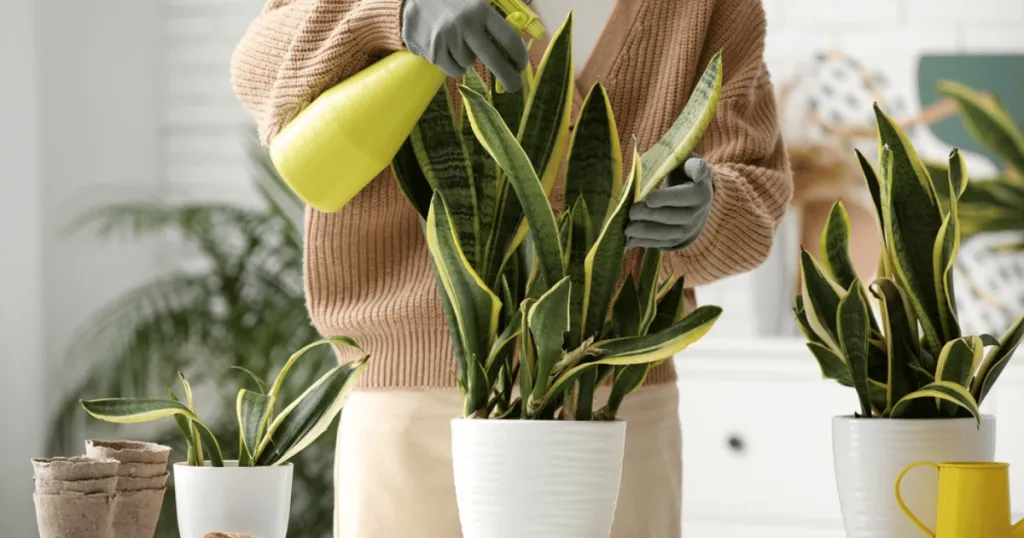
Snake Plant Care: Master the Watering Routine That Keeps It Alive