Affiliate Disclosure: As an Amazon Associate, I earn from qualifying purchases.
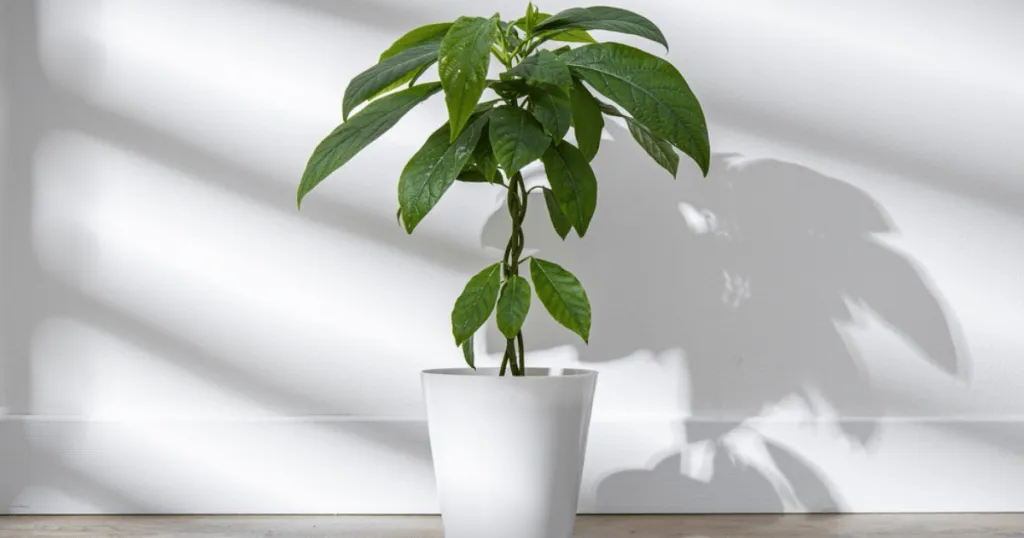
Selecting greenery for a workspace dominated by artificial light requires a practical understanding of how plants process energy. Office fluorescent lighting provides a steady, consistent spectrum, but it lacks the intensity and full-spectrum quality of natural sunlight. When choosing the best plants for office fluorescent lighting, you must prioritize species that have evolved to thrive in forest understories or shaded environments, as these plants are biologically equipped to photosynthesize efficiently under lower light levels.
Quick Facts
- Fluorescent light is sufficient for low-light tolerant foliage plants.
- Artificial light lacks the intensity of direct sun; avoid succulents.
- Consistent, moderate watering is safer than frequent, heavy irrigation.
- Rotate pots occasionally to ensure even light exposure on all sides.
Instead of focusing on decorative appeal alone, evaluate your office environment based on the actual light reach. If your desk is tucked away from windows or your reception area relies entirely on overhead fixtures, you need plants that do not require high-intensity light to maintain their structural integrity. The following selections are curated specifically for their ability to tolerate the specific constraints of office life, including limited natural light, dry HVAC-controlled air, and the reality of weekend neglect.
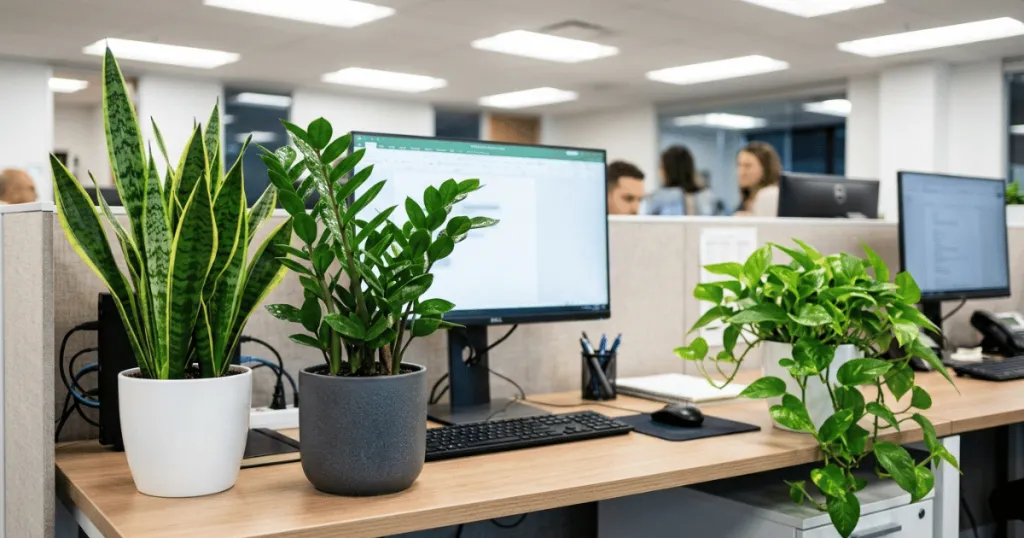
Understanding Light Requirements in the Workplace
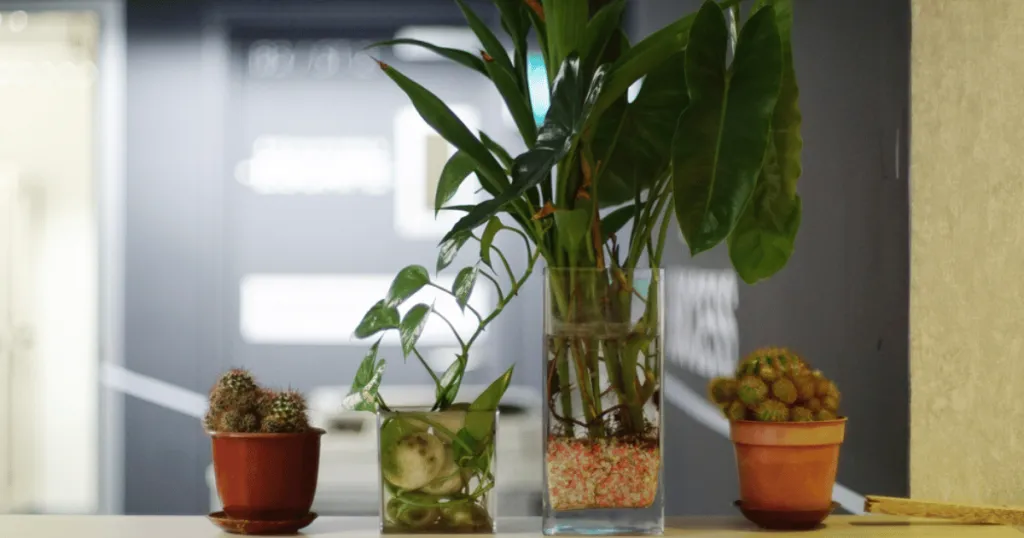
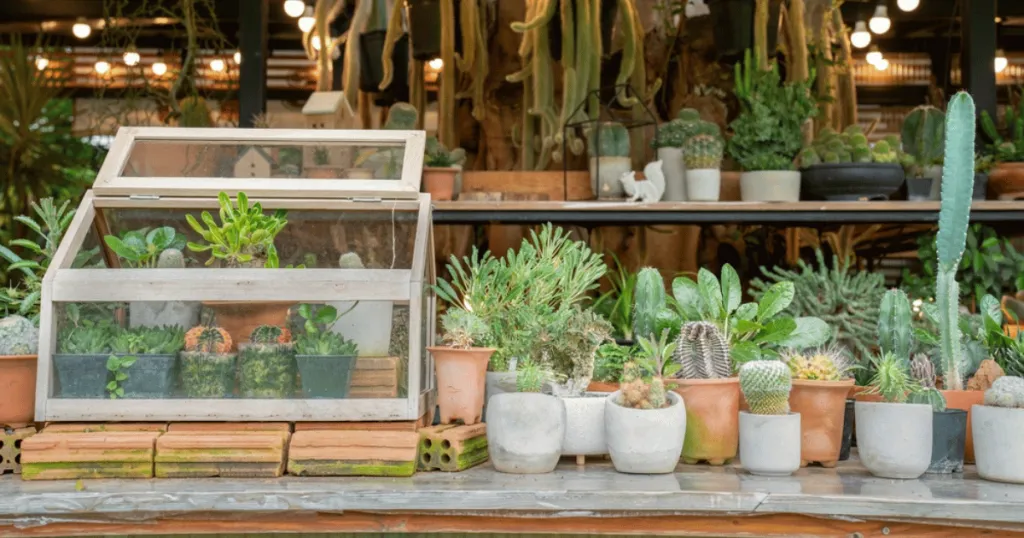
The primary challenge in an office setting is the lack of lumens compared to a greenhouse or a sunny windowsill. Fluorescent lights emit a narrow spectrum, often leaning toward the blue or green end, which is sufficient for vegetative growth but rarely enough to support flowering or rapid development. A common mistake is placing high-light plants, such as succulents or cacti, in these areas; they will inevitably become leggy, pale, and prone to rot as they struggle to process the limited energy available.
When you evaluate a plant for your space, look for those with deep green, broad leaves. This coloration often indicates a higher concentration of chlorophyll, allowing the plant to capture more of the available ambient light. Furthermore, consider the plant’s water needs. In an office with climate control, the air is frequently dry, which can increase transpiration. However, because the light is low, the plant’s metabolic rate is slower, meaning it consumes water less rapidly. Overwatering is the most frequent cause of plant failure in offices, not the lack of light itself.
The Most Resilient Office Selections
Snake Plant
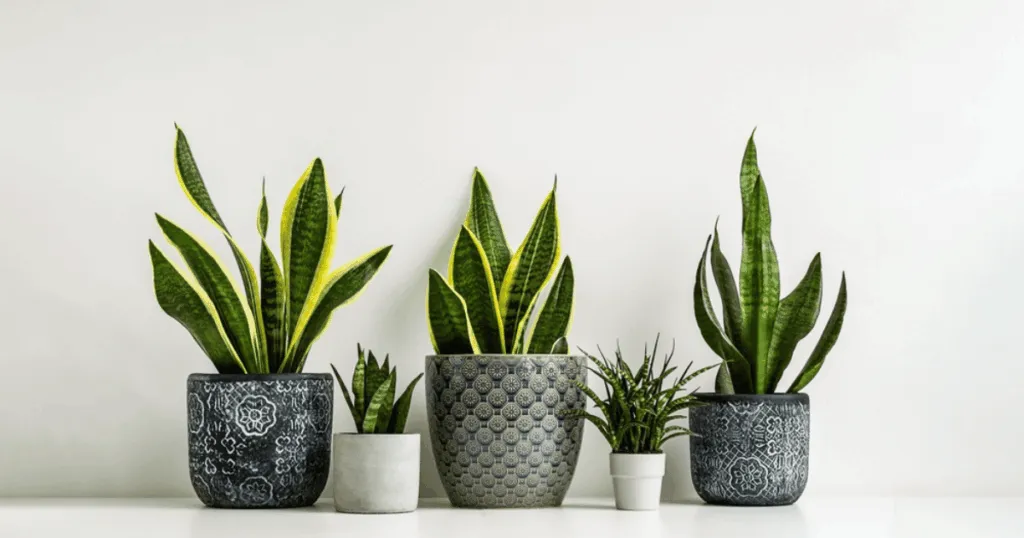
The Snake Plant is arguably the most forgiving option for a dim office. Its architectural, upright leaves are designed to store water, making it exceptionally tolerant of inconsistent care. It thrives in the steady, low-intensity glow of fluorescent tubes, and its vertical growth habit ensures it takes up minimal desk space. Note that it is mildly toxic to cats and dogs if ingested.
ZZ Plant
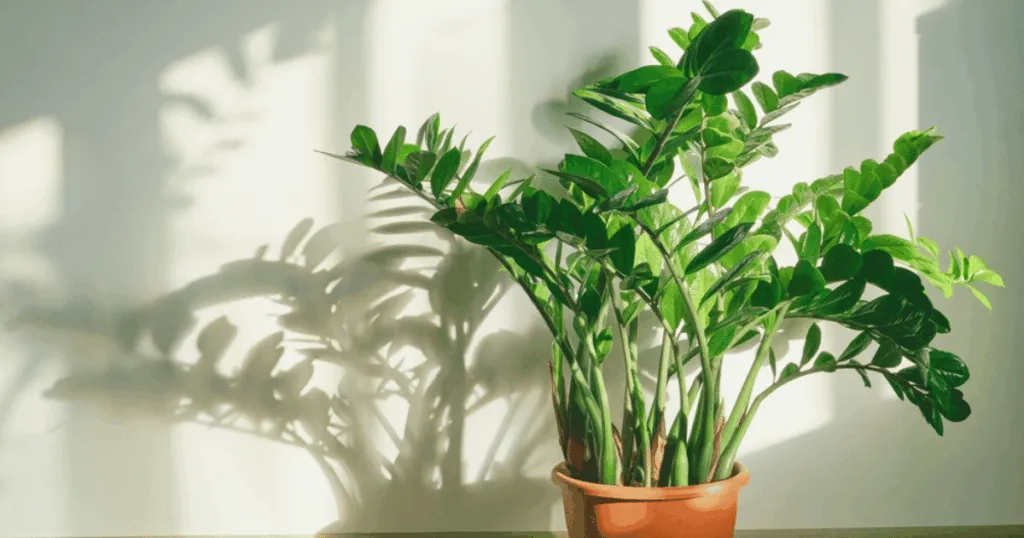
The ZZ plant is a standout for reception areas and dark corners. It is remarkably efficient at utilizing ambient light and can survive for weeks without water. Its glossy, dark green leaves reflect light, adding a polished look to a professional environment without requiring the high maintenance of more delicate species. Be aware that it is toxic to pets if chewed.
Pothos
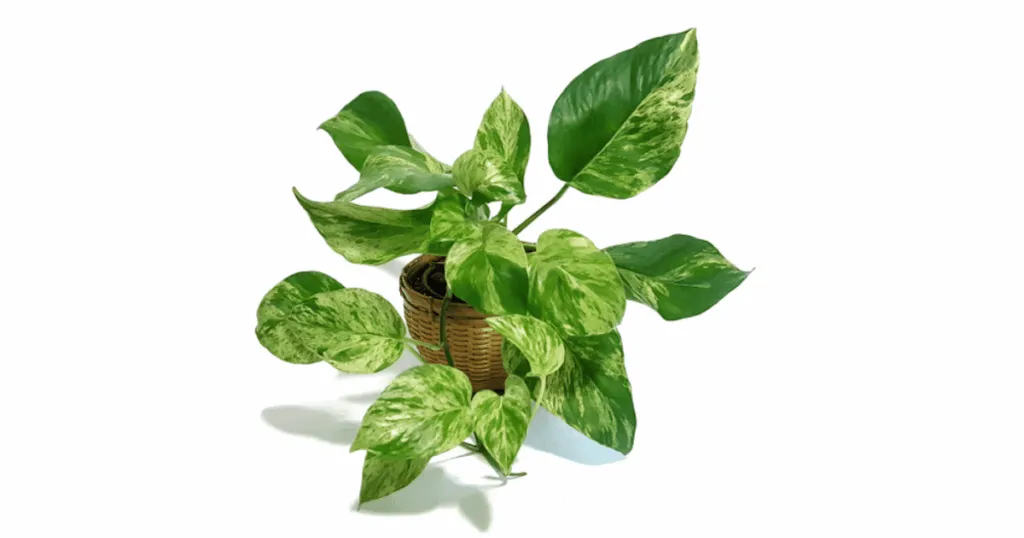
For those who prefer a trailing aesthetic, Pothos is a reliable choice. It adapts well to fluorescent lighting and will continue to grow long, lush vines even when kept away from windows. It is an excellent candidate for high shelves or hanging planters where it can cascade downward. Keep in mind it is toxic to household pets.
Cast Iron Plant
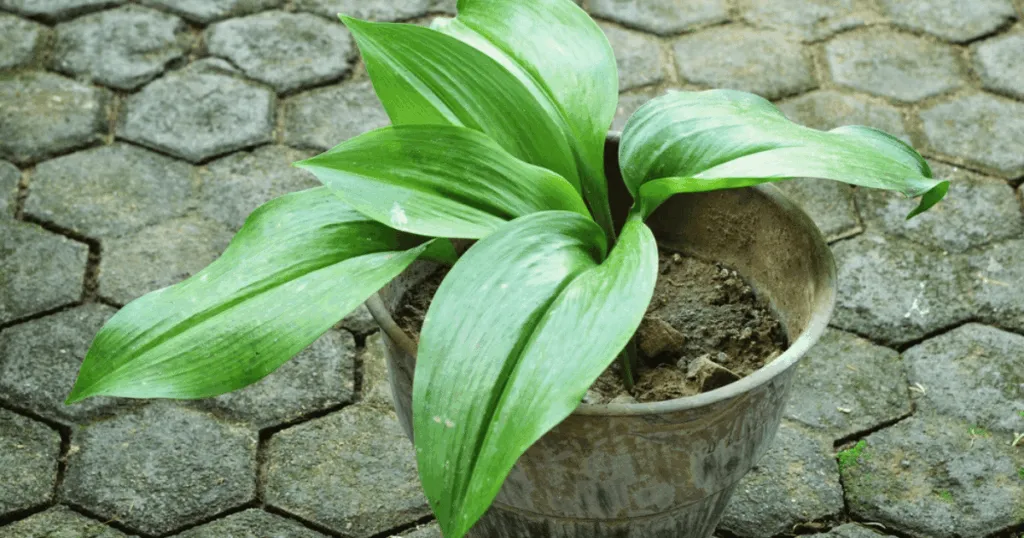
True to its name, this plant is nearly indestructible. It handles low-light conditions with ease and is remarkably resistant to the temperature fluctuations often found near office vents. It is a slow grower, which is an advantage for office managers who prefer a plant that maintains its shape without frequent pruning. It is also non-toxic, making it a safe choice for pet-friendly offices.
Chinese Evergreen
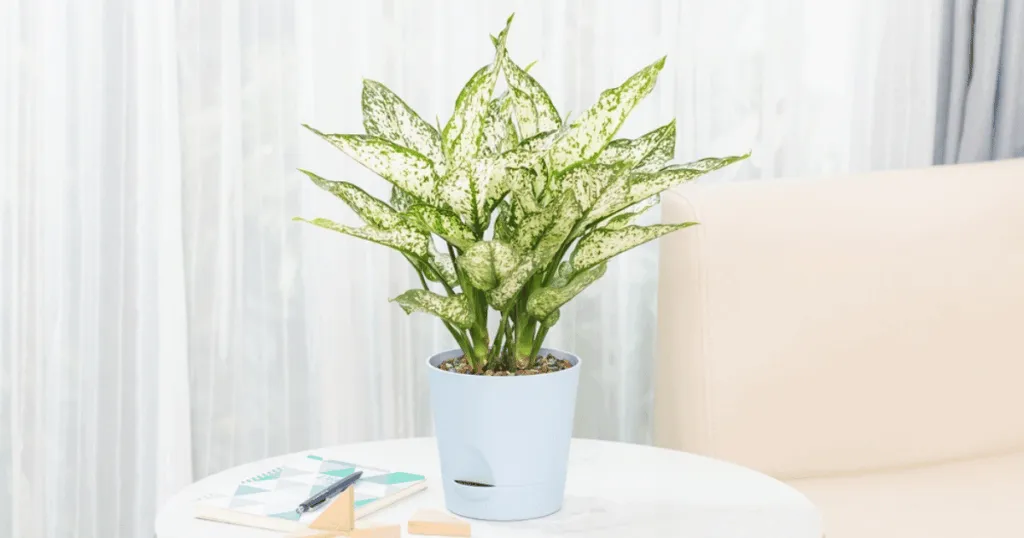
If you want a bit of color in a dim office, Chinese Evergreen varieties offer beautiful variegated foliage that remains vibrant even under artificial light. It is a compact, bushy plant that works well on desks or as a focal point in a meeting room, provided it is kept away from cold drafts. It is toxic if ingested by pets.
Parlor Palm
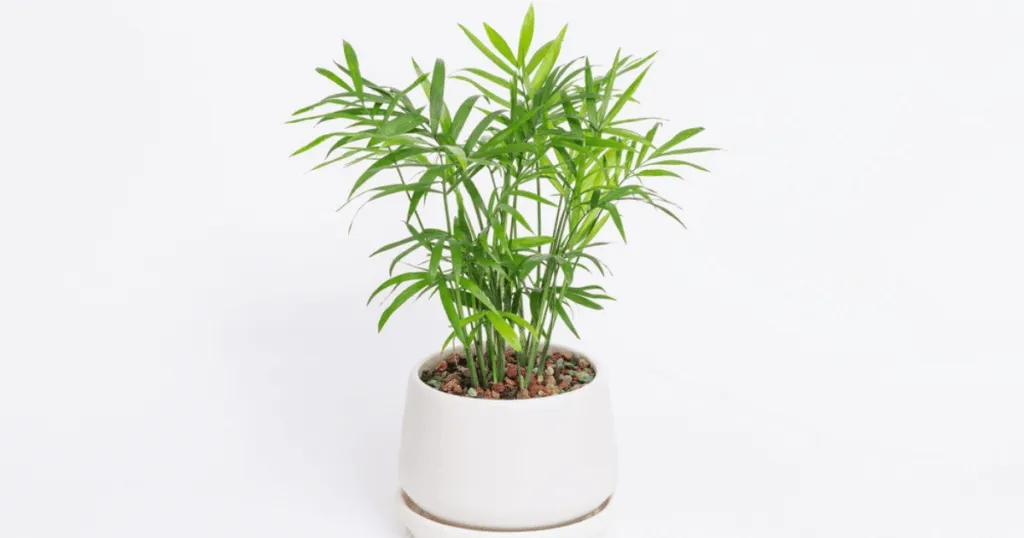
For a touch of elegance, the Parlor Palm is one of the few palms that genuinely tolerates low-light office conditions. It brings a soft, tropical texture to the space without the high light demands of other palm species. It prefers consistent moisture but is forgiving if the soil dries out slightly between waterings. It is non-toxic to cats and dogs.
Peace Lily
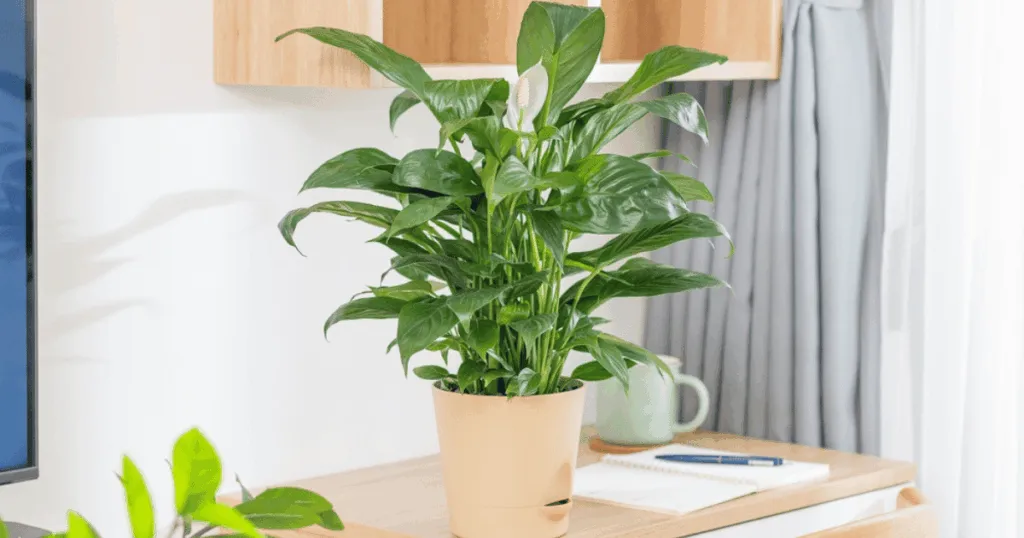
While often associated with flowering, the Peace Lily is prized in offices for its lush, dark foliage. Under fluorescent lighting, it may not bloom as frequently as it would in a greenhouse, but its deep green leaves remain a staple for creating a calming, natural atmosphere in reception areas. It is toxic to pets and will droop noticeably when it requires water, serving as a helpful indicator for busy staff.
Spider Plant
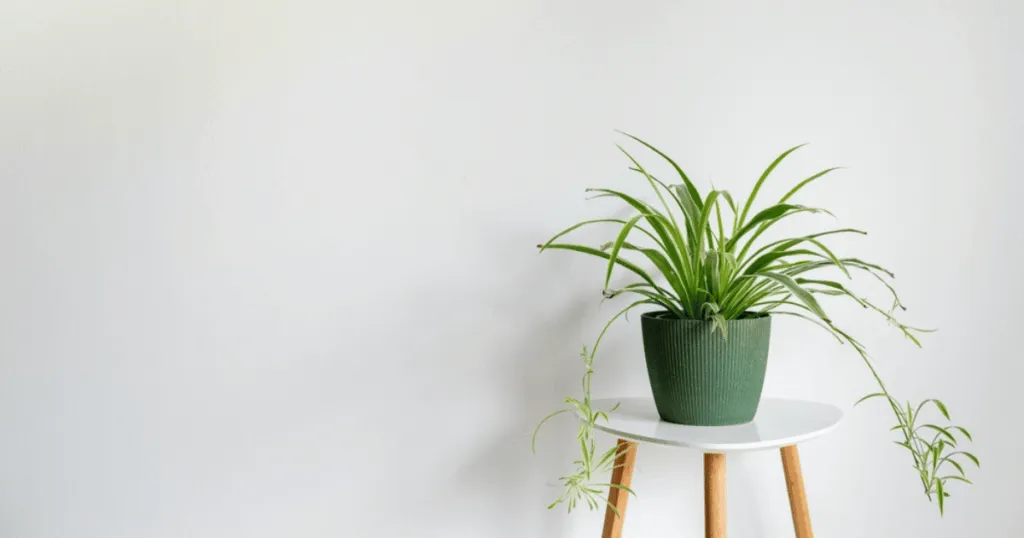
The Spider Plant is a classic for a reason. It is highly adaptable to various lighting conditions, including the artificial glow of an office. Its arching, grass-like leaves add movement to a space, and it is a non-toxic option for those who worry about pets or sensitivity in a shared workplace. It produces small plantlets, often called ‘babies,’ which can be propagated easily.
Dracaena
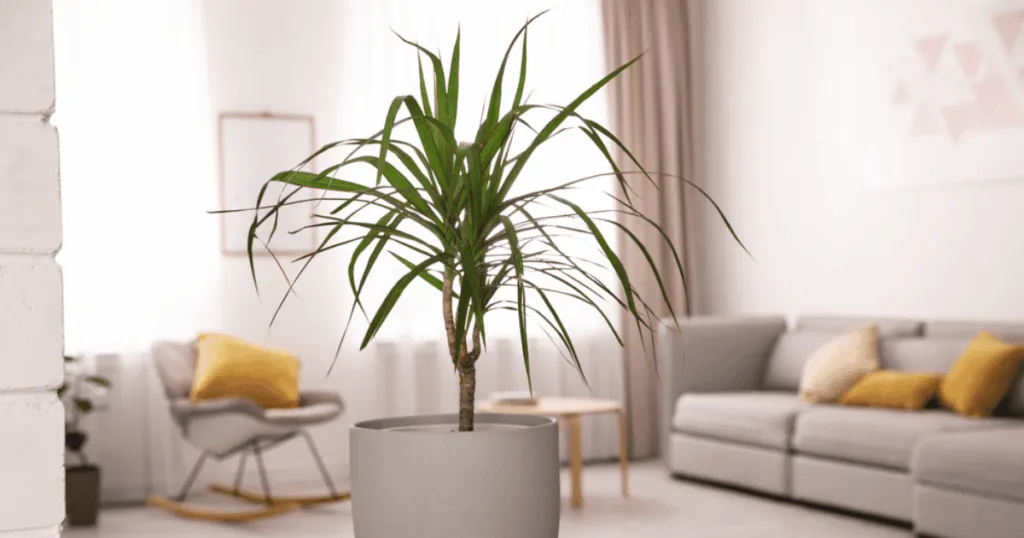
Dracaena species are versatile additions to office corners. They tolerate low light well, though they can be sensitive to fluoride in tap water, which may cause brown leaf tips. Using filtered water can mitigate this issue. Note that they are moderately toxic to pets.
Heartleaf Philodendron
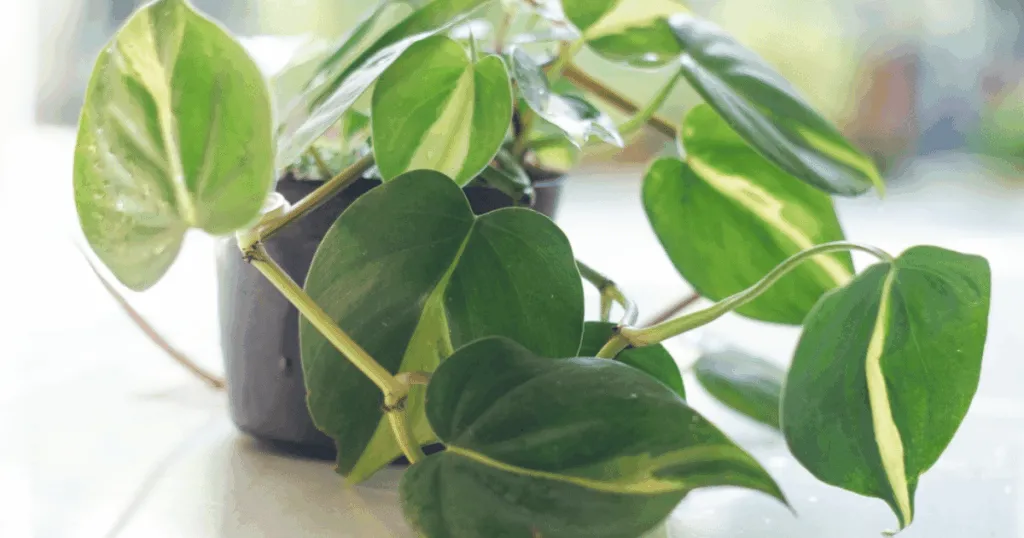
This trailing plant is a staple for office cubicles. It thrives in medium to bright indirect light and is very easy to propagate. Like many other common office plants, it contains calcium oxalate crystals and is toxic to pets if ingested.
Dieffenbachia
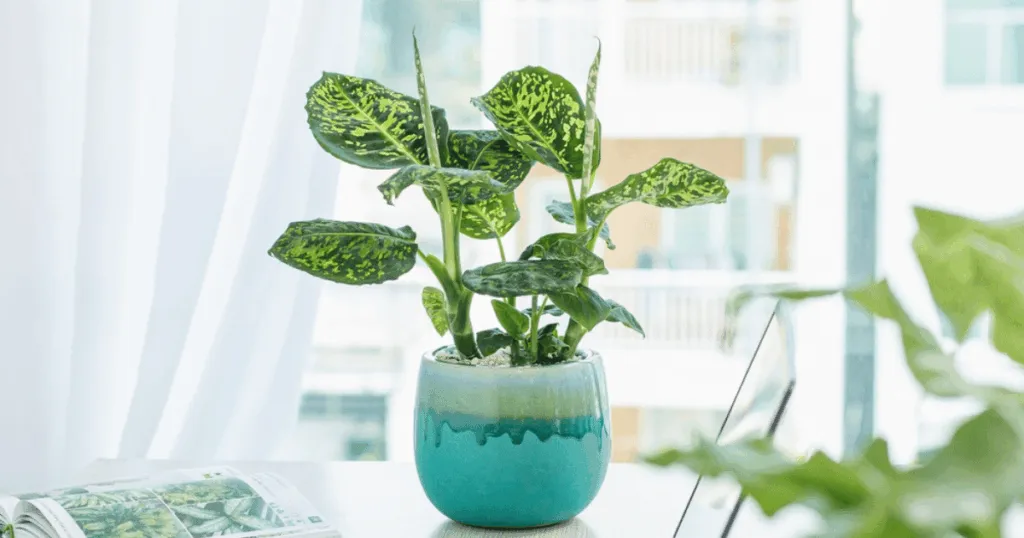
Also known as ‘Dumb Cane,’ this plant adds a bold, tropical look to larger office spaces. It prefers medium light and consistent moisture. It is toxic to pets and can cause temporary mouth irritation if chewed, so it is best placed in areas away from high-traffic zones where pets or small children might interact with it.
Syngonium
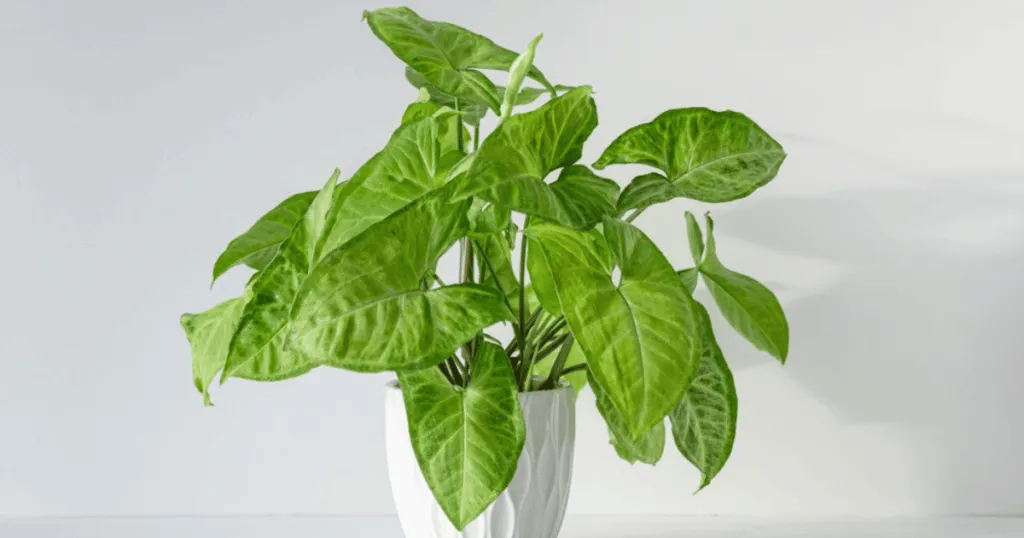
The Arrowhead Plant is an excellent choice for those looking for unique leaf shapes. It is easy to care for and adapts well to the average humidity of office environments. It is toxic to pets if ingested.
Schefflera
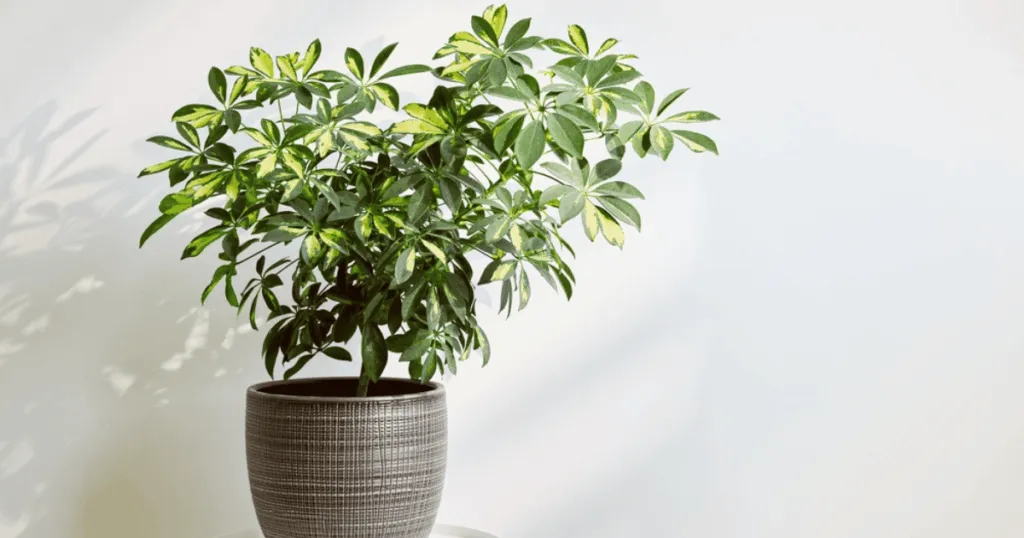
Often called the Umbrella Tree, the Schefflera is a sturdy, woody plant that handles fluorescent lighting quite well. It is a great choice for filling empty corners in meeting rooms. It is toxic to pets.
Strategic Placement for Maximum Longevity
Placement is as critical as the species you choose. Even the best plants for office fluorescent lighting will struggle if placed directly under an air vent, where the constant stream of dry, moving air can cause leaf tips to brown. Aim for a spot that receives the most consistent light, even if it is artificial, and avoid areas with high foot traffic where leaves might be brushed against or damaged.
Rotation is a simple but overlooked practice. Because office light usually comes from a fixed overhead source, the side of the plant facing the light will grow more vigorously. Rotating your plant a quarter-turn every time you water it ensures that all sides receive equal exposure, preventing the plant from becoming lopsided or leaning aggressively toward the light source. This is particularly important for plants like the Pothos or Philodendron, which can become sparse on the side facing away from the light.
Limitations and Trade-offs
It is important to recognize that no plant will thrive in total darkness. If your office lacks windows and the lights are turned off for the majority of the day, even the most resilient plants will eventually decline. In such scenarios, consider using a timer to keep lights on for a few hours after hours, or accept that you may need to rotate plants between a brighter area and your desk periodically.
Another consideration is the size of the plant. A large, mature plant requires more light to maintain its volume than a smaller, younger specimen. If you are limited by low light, start with smaller plants that have a lower energy demand. Trying to force a large, specimen-sized plant to survive in a dark corner is a recipe for disappointment, as the plant will shed leaves to compensate for its inability to support its own mass. Always assess the light quality at the specific height where the plant will sit, rather than at floor level.
A Note on Maintenance
We generally recommend a conservative approach to watering. In an office, it is much easier to revive a slightly thirsty plant than one that has been sitting in soggy, waterlogged soil. Before adding water, check the top two inches of soil with your finger. If it feels damp, wait a few more days. This simple habit prevents root rot, the most common killer of office plants, and ensures your greenery remains healthy throughout the work week.
While we avoid recommending specific commercial products, it is worth noting that you do not need expensive fertilizers or growth supplements to keep these plants healthy. Standard, well-draining soil and a consistent watering schedule are sufficient for the plants listed here. If you notice dust accumulating on the leaves, wipe them gently with a damp cloth; this allows the plant to maximize its light absorption, which is vital in an office environment. Dust acts as a physical barrier to light, and in low-light conditions, every bit of photon capture counts for the plant’s survival.
Furthermore, consider the impact of the weekend. Many office plants suffer because they are watered on Friday and then left in a cold, dark office for two days. If your office building turns off the HVAC system over the weekend, the temperature may drop significantly. Ensure your plants are not sitting in wet soil during these periods, as cold, damp roots are highly susceptible to fungal issues. By adjusting your watering schedule to mid-week, you can ensure the soil is slightly drier by the time the office closes for the weekend.
Choosing Between Trailing and Upright Varieties
When selecting the best plants for office fluorescent lighting, consider the architectural role of the plant. Upright plants like the Snake Plant or ZZ Plant are ideal for tight spaces, such as narrow desks or corners, because they grow vertically and do not encroach on workspace. They are the ‘workhorses’ of the office, requiring minimal intervention and providing a clean, professional aesthetic.
Conversely, trailing plants like Pothos, Heartleaf Philodendron, and Syngonium are better suited for bookshelves, filing cabinets, or hanging baskets. These plants soften the hard lines of office furniture and can create a more relaxed, welcoming atmosphere. However, they require more vertical space and occasional pruning to keep them from becoming tangled or dragging on the floor. When choosing between these, consider the ‘reach’ of the light. Trailing plants often need to be placed higher up to catch the light from overhead fixtures, whereas upright plants can often sit directly on a desk surface.
Managing Humidity in HVAC-Controlled Offices
Most offices are climate-controlled, which often results in very low humidity. While many of the plants listed above are tolerant of dry air, some, like the Peace Lily or various ferns, may struggle. If you find that your plant is developing brown, crispy edges on its leaves, it is likely a humidity issue rather than a watering issue. You can increase local humidity by grouping plants together, which creates a microclimate, or by placing the plant on a tray filled with pebbles and a small amount of water. Ensure the pot sits on the pebbles, not directly in the water, to prevent root rot.
For those managing larger office spaces, maintaining a consistent environment is key. Avoid placing sensitive plants near doors that open to the outside, as the sudden influx of hot or cold air can shock the plant. Similarly, keep plants away from direct contact with heating vents, which can dehydrate foliage rapidly. By observing how your plants react to their specific location over the first few weeks, you can make minor adjustments to their placement to ensure long-term success.
FAQ
Do I need a special grow light for my office desk?
Generally, no. The best plants for office fluorescent lighting are chosen specifically because they adapt to standard overhead office lighting. If your desk is in a windowless room or a very dark corner, a simple LED desk lamp can provide supplemental light, but it is rarely a requirement for the resilient species listed.
Why are the tips of my office plant leaves turning brown?
Brown tips are usually a sign of low humidity or inconsistent watering, both of which are common in climate-controlled offices. Try to keep the plant away from direct airflow from HVAC vents and ensure you are not letting the soil dry out completely between waterings.
How often should I water plants in an office with fluorescent light?
Because low light slows down a plant’s metabolism, it uses less water than it would in a sunny home. Always check the soil moisture before watering; if the top inch or two is still moist, wait. Most office plants only need water every 7 to 14 days, depending on the ambient temperature.