The Philodendron often carries a reputation as the ultimate “unkillable” office plant, a label that can be both a blessing and a curse. In many workplace settings, this reputation holds up remarkably well. Because the genus includes such a diverse range of species, from vining types that trail elegantly over bookshelves to upright varieties that make a bold statement in a reception area, there is almost always a version that fits a specific office footprint. However, the assumption that it requires zero attention can lead to neglect, particularly in environments with harsh fluorescent lighting or aggressive HVAC systems that strip moisture from the air.
- Thrives in medium to bright indirect light conditions.
- Water when the top inch of soil feels dry.
- Prefers average to above-average indoor humidity levels.
- Toxic to cats and dogs if ingested or chewed.
- Easy-care plant suitable for most professional office layouts.
For the office manager or busy professional, the Philodendron is a reliable partner. It is not merely a decorative object; it is a resilient biological indicator that responds predictably to its environment. When you understand the baseline needs of this genus, you move from guessing why a leaf is yellowing to making informed adjustments that keep your workspace greenery vibrant throughout the year.
Appearance and Growth Habits
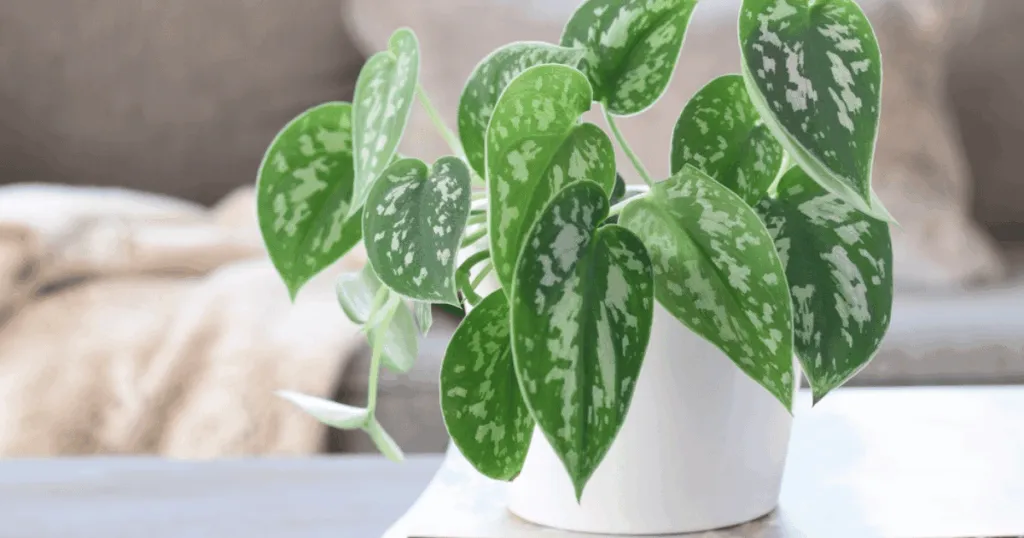
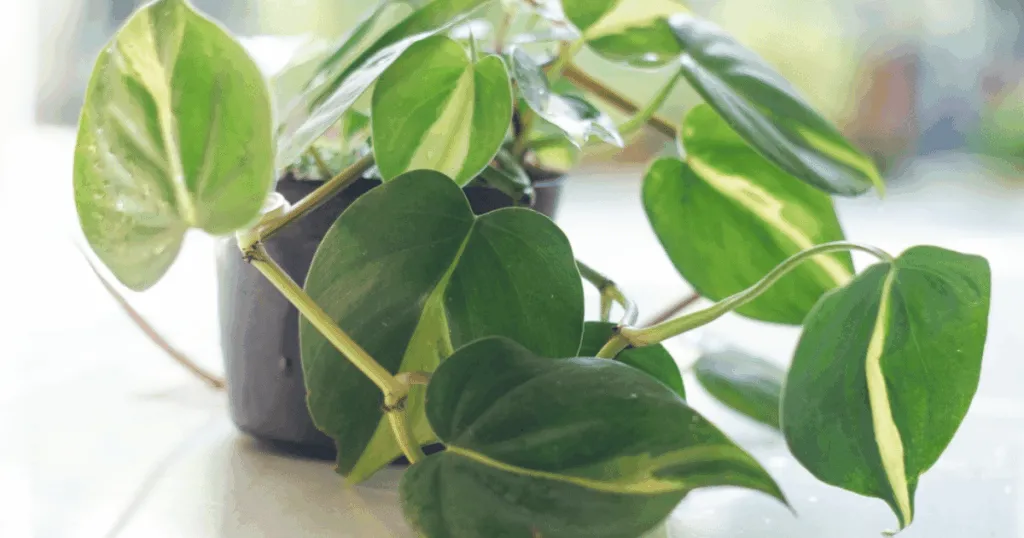
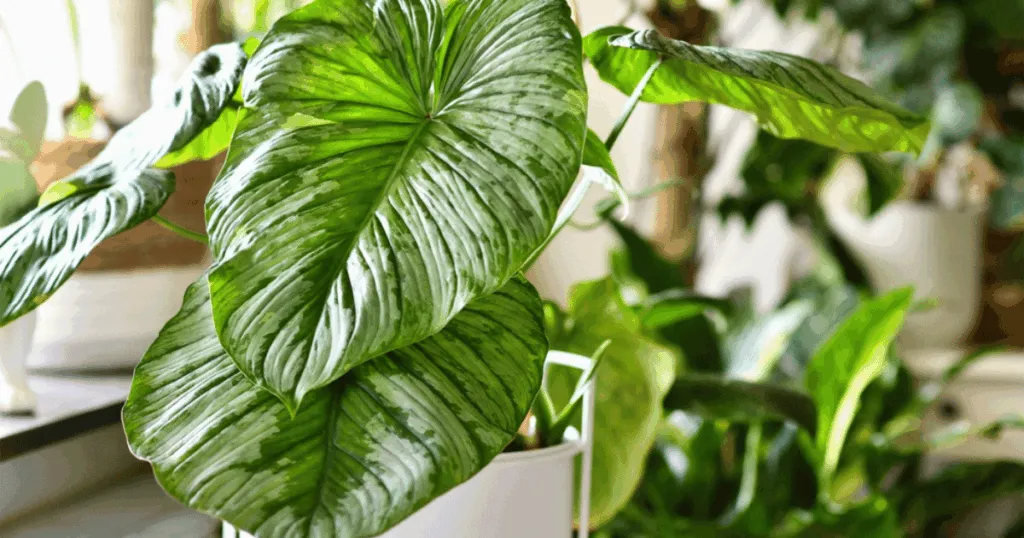
The visual appeal of the Philodendron lies in its incredible structural diversity. Unlike plants that have a singular growth pattern, this genus offers a spectrum of forms. Vining varieties are perhaps the most common in office settings, characterized by slender stems that can be trained to climb a moss pole or allowed to cascade gracefully from a high filing cabinet or a wall-mounted planter. These types are ideal for softening the sharp, industrial edges of modern open-plan offices.
Upright or “self-heading” varieties offer a different aesthetic. These plants grow in a more compact, rosette-like fashion, making them excellent candidates for desk corners or narrow reception tables where space is at a premium. Their leaves are often broader, thicker, and more rigid than their vining cousins, providing a lush, tropical feel that persists even in windowless rooms. The foliage color ranges from deep, forest green to variegated shades of cream, yellow, and even bronze, allowing for a tailored look that complements your office branding or interior design palette.
Growth speed is generally moderate, though it is highly dependent on light availability. In a bright, sun-drenched office, you can expect steady, vigorous growth during the spring and summer months. In dimmer, interior-focused areas, the plant will adopt a slower, more conservative growth rate. This is not necessarily a sign of poor health; it is the plant adjusting its energy expenditure to match the available light. Understanding this natural pacing helps prevent the common mistake of over-fertilizing a plant that is simply resting in a low-light zone.
Care Needs at a Glance
Managing a Philodendron in an office requires a shift from home-gardening mindsets to workplace-specific realities. The most critical factor is light. While these plants are famous for their ability to tolerate lower light, they perform best in medium to bright indirect light. If your office relies entirely on overhead fluorescent lighting, ensure the plant is close enough to receive some ambient intensity, or rotate it periodically to a window-adjacent spot to “recharge.”
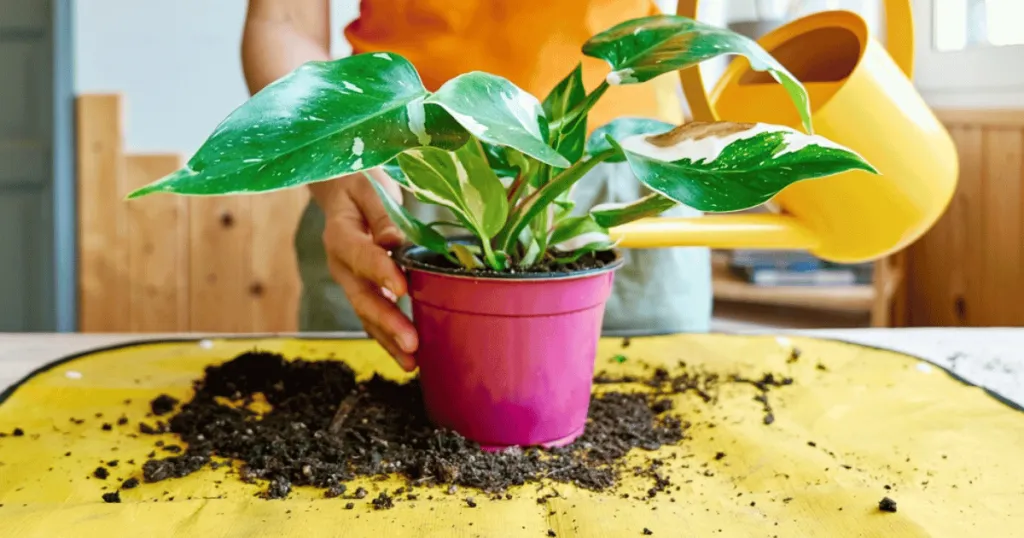
Watering is the area where most office plants fail. The rule of thumb is to let the top inch of soil dry out between waterings. In an office with strong HVAC airflow, the soil surface may feel dry to the touch even if the root ball remains moist. Always check the soil depth with your finger or a small dowel rather than following a strict calendar schedule. Overwatering is significantly more dangerous than underwatering; if the soil stays perpetually soggy, the roots will struggle to access oxygen, leading to yellowing leaves and potential rot.
Humidity is often the forgotten variable in climate-controlled offices. Most Philodendron varieties prefer average to above-average humidity. In winter months, when heating systems dry out the air, you might notice brown, crispy leaf tips. While you do not need to install a dedicated humidifier for a single plant, grouping several plants together can create a microclimate that helps retain moisture. If you notice persistent dryness, a simple pebble tray with water placed beneath the pot can provide the necessary local humidity boost without requiring complex equipment.
Office Suitability and Placement
The Philodendron is arguably one of the most versatile choices for a professional environment. Its primary strength is its adaptability to the “weekend gap”-that period where the office is empty and the environment might fluctuate. Because they are not overly demanding regarding constant moisture or perfect temperature stability, they handle the transition from a bustling Monday morning to a quiet Friday evening with ease.
Placement should be determined by both aesthetic goals and light access. For reception areas, the upright, bushy varieties provide a professional, welcoming look that requires minimal daily maintenance. For individual desks, vining varieties are excellent because they occupy vertical space rather than horizontal workspace, keeping your desk clear for documents and technology. Avoid placing any variety directly in the path of an HVAC vent, as the constant stream of forced air-whether hot or cold-will dehydrate the leaves rapidly and cause premature leaf drop.
If you are managing a large open office, consider using these plants as natural room dividers. By placing them on rolling stands or tall shelving units, you create visual barriers that provide a sense of privacy without the need for permanent construction. This also allows you to move the plants to brighter areas if one section of the office becomes too dim for their long-term health.
Toxicity and Safety Considerations
When selecting plants for a shared workspace, it is important to be aware of safety, particularly if your office is pet-friendly or if employees have young children visiting. According to guidance from the ASPCA on toxic plants, the Philodendron contains calcium oxalate crystals. These are microscopic, needle-like structures that can cause irritation to the mouth, tongue, and throat if the plant tissue is chewed or ingested.
In a professional office setting, the risk is generally low, as most adults understand not to consume decorative plants. However, if your workplace allows pets, or if you are concerned about accidental ingestion, it is a best practice to place these plants in areas that are inaccessible to animals. If a pet does chew on the plant, you may observe drooling, pawing at the mouth, or difficulty swallowing. In such instances, contacting a veterinary poison control resource is the recommended course of action. By choosing elevated planters or placing the plants on high shelves, you can enjoy the aesthetic benefits of the Philodendron while maintaining a safe environment for everyone.
Care and Troubleshooting Handoff
While the Philodendron is a resilient choice, even the most robust plant can occasionally show signs of stress. Leaf yellowing, brown spots, or stunted growth are usually clear signals that the plant is reacting to an environmental imbalance. Often, these issues are easily corrected by adjusting the watering frequency or moving the plant a few feet closer to a light source. Because this article provides a broad overview of the genus, we have focused on the foundational needs that keep these plants thriving in an office setting.
For more specific challenges, such as identifying pest issues, managing long-term repotting schedules, or troubleshooting persistent leaf discoloration, we recommend consulting our dedicated care and troubleshooting guides. These resources offer deeper dives into the technical aspects of plant health, ensuring you have the information needed to address specific symptoms as they arise. By mastering these basics, you are well-positioned to maintain a lush, productive workspace with minimal effort.
Related Philodendron Guides
- keeping a Philodendron healthy
- Philodendron symptoms and fixes
FAQ
Can a Philodendron survive in a windowless office with only fluorescent lights?
While they can survive for a time, they will likely struggle long-term without some access to natural light. Fluorescent lights often lack the intensity and spectrum range that plants need to photosynthesize effectively. If you have no windows, consider rotating the plant to a brighter area occasionally or using a dedicated LED grow light to supplement the ambient office lighting.
How often should I fertilize my office Philodendron?
In an office setting, less is often more. Fertilize only during the active growing season, typically spring and summer, using a balanced, water-soluble fertilizer diluted to half-strength. Avoid fertilizing in the winter when the plant’s growth naturally slows down. Over-fertilizing can lead to salt buildup in the soil, which can cause leaf burn and stress the plant.
Does the Philodendron need to be repotted frequently?
Not necessarily. These plants actually prefer to be slightly root-bound. You generally only need to repot when you see roots growing out of the drainage holes or if the plant seems to dry out much faster than usual, indicating that the root mass has overtaken the soil volume. A good rule of thumb is to check every 18 to 24 months.