How to Read a Fertilizer Label for Office Plant Success
Learn how to read a fertilizer label correctly to nourish your office plants. Avoid common...
Most offices get this wrong by watering on a calendar instead of checking the soil. A plant on a sunny windowsill drinks far faster than the same species under fluorescent panels. This archive covers watering and fertilizing office plants, two routines behind most quiet damage at work.
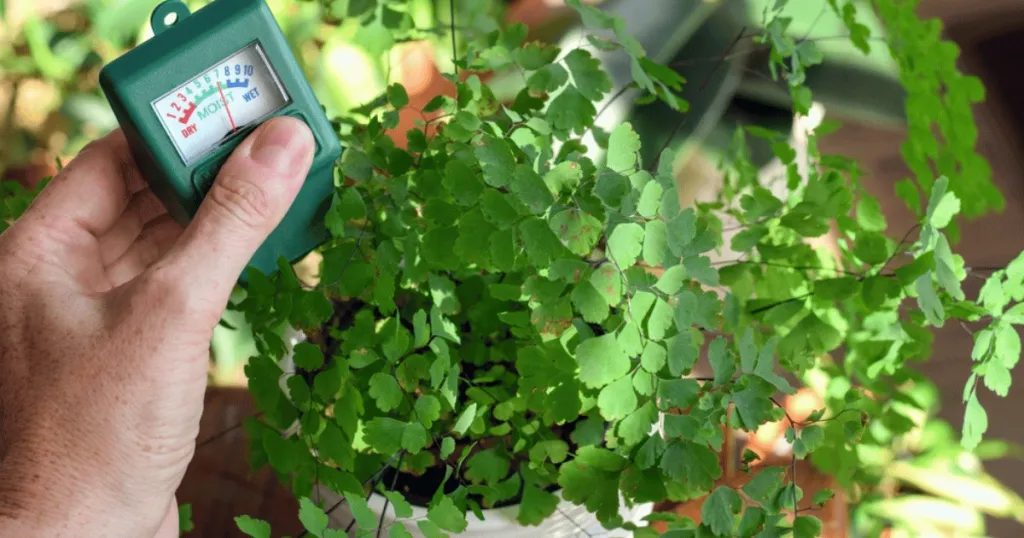
As a starting point, most common office plants need water roughly every 7 to 14 days. That range shifts with pot size, light, and how dry your building’s air runs. The top inch of soil should feel dry before the next drink.
Fertilizer follows a similar logic. Indoor plants grow slower than outdoor ones, so they need far less feeding. Diluting liquid fertilizer to half-strength is the usual rule for plants kept indoors. Feeding in spring and summer, then easing off in winter, matches their natural growth cycle.
Office conditions add their own twist. Heating and air conditioning dry out potting mix faster than many people expect. Plants left over long weekends may also go thirsty, then get drowned to make up for it.
Here is the part that trips people up. Overwatering and over-fertilizing both show up as similar-looking leaf damage. Yellowing leaves, brown crispy tips, and limp growth can come from either one.
Soggy soil starves roots of oxygen. Too much fertilizer leaves salts that burn those same roots. Either way, damaged roots can’t move water up to the leaves, so the symptoms overlap.
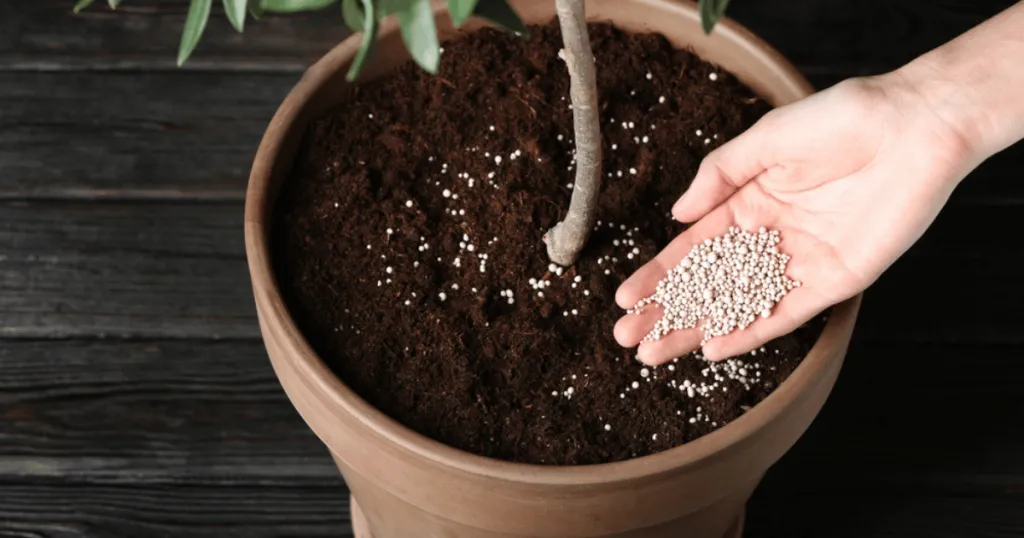
A quick check helps you tell them apart. Wet, heavy soil points to a watering problem. A white crust on the soil or pot rim usually points to fertilizer salts. Flushing the pot with plain water can clear that buildup.
The guides below go deeper on schedules, drainage, fertilizer types, and recovery once damage appears. Start with the soil, and the right fix gets much easier to spot.