Affiliate Disclosure: As an Amazon Associate, I earn from qualifying purchases.
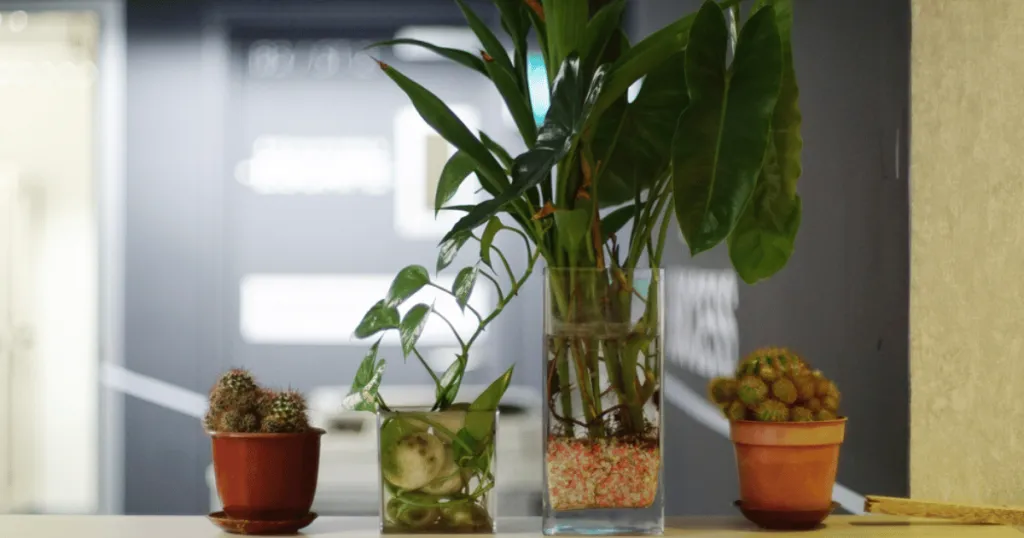
Finding the best office plants for low light requires a shift in how we view indoor plant care. In many professional settings, the primary challenge isn’t just the lack of sunlight; it is the combination of artificial lighting, fluctuating HVAC temperatures, and the reality of weekend neglect. While many plants are marketed as “unkillable,” success in a cubicle or a windowless meeting room depends on selecting species that have evolved to thrive in the forest understory or similarly shaded environments.
Before investing in greenery, assess your specific environment. Does your office have a north-facing window, or is it illuminated entirely by overhead LEDs? Understanding your light levels—and your willingness to adhere to a consistent watering schedule—will dictate which plants will flourish and which will struggle. This guide focuses on the most resilient, architecturally interesting, and manageable options for the modern office.
At a Glance
- Snake Plants and ZZ Plants are the best office plants low light options.
- Most low-light plants require less water than you expect.
- Avoid placing plants directly under aggressive HVAC vents.
- Consistent, moderate light is better than extreme light fluctuations.
The Most Resilient Low-Light Selections
Snake Plant
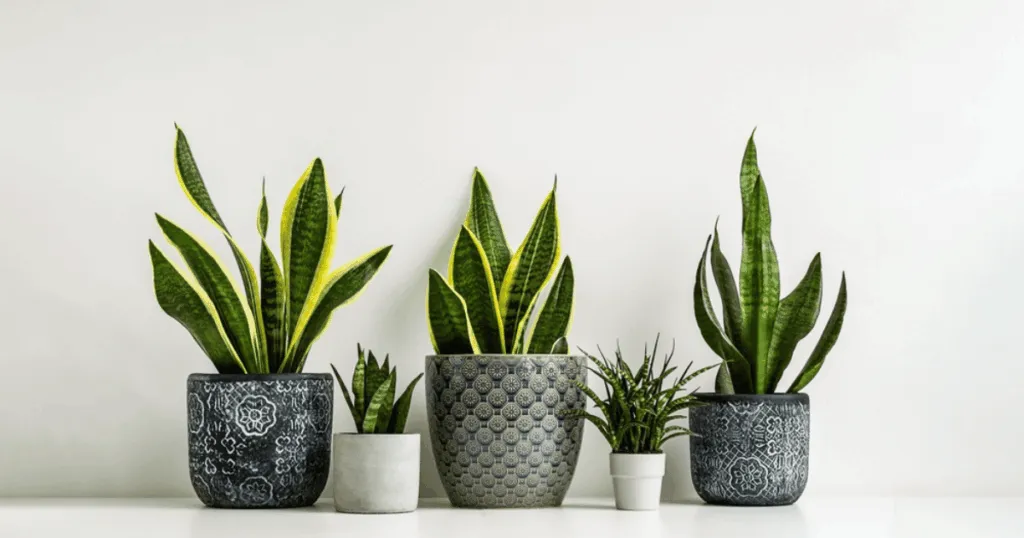
The Snake Plant is arguably the most forgiving office plant available. Its upright, architectural leaves make it ideal for corners or tight desk spaces. It handles low-light conditions with ease and is notoriously drought-tolerant, meaning it won’t suffer if you forget to water it over a long weekend. The main risk is overwatering, so ensure the soil is completely dry before adding more moisture. Because it stores water in its leaves, it is highly resistant to the dry air common in climate-controlled offices.
ZZ Plant
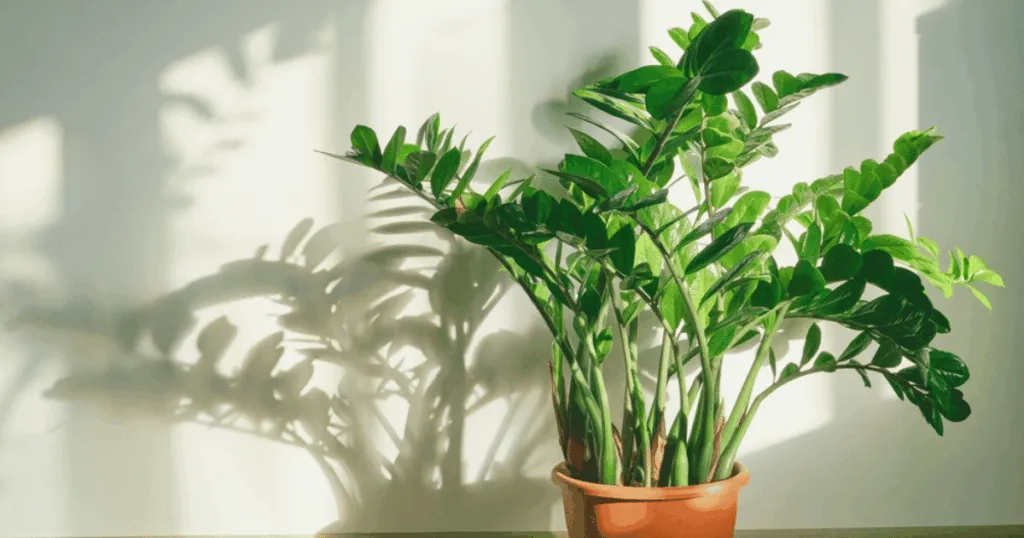
Extremely tolerant of fluorescent lighting, the ZZ Plant is a staple in reception areas and windowless offices. Its waxy, deep green foliage remains vibrant even in dim conditions. Because it grows from rhizomes that store water, it requires very infrequent watering, making it a low-maintenance choice for busy office managers. It is an excellent choice for those who want a lush look without the constant need for monitoring.
Cast Iron Plant
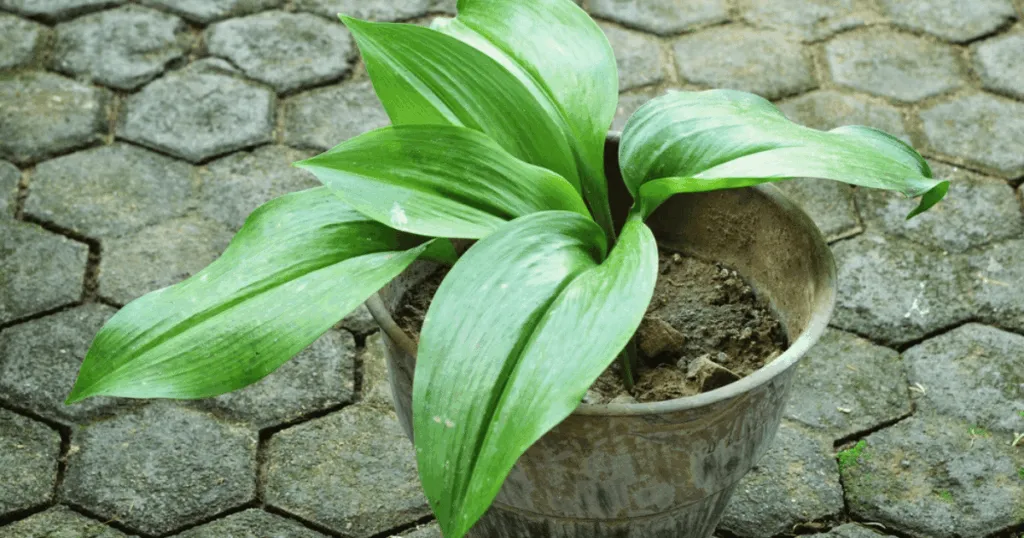
True to its name, this plant is nearly indestructible. It is one of the most shade-tolerant options for offices that receive almost no natural light. While it is a slower grower than some other varieties, its ability to withstand neglect, dry air, and poor lighting makes it a top-tier choice for long-term office greenery. It is particularly useful in hallways or dim corners where other plants would simply fade away.
Pothos
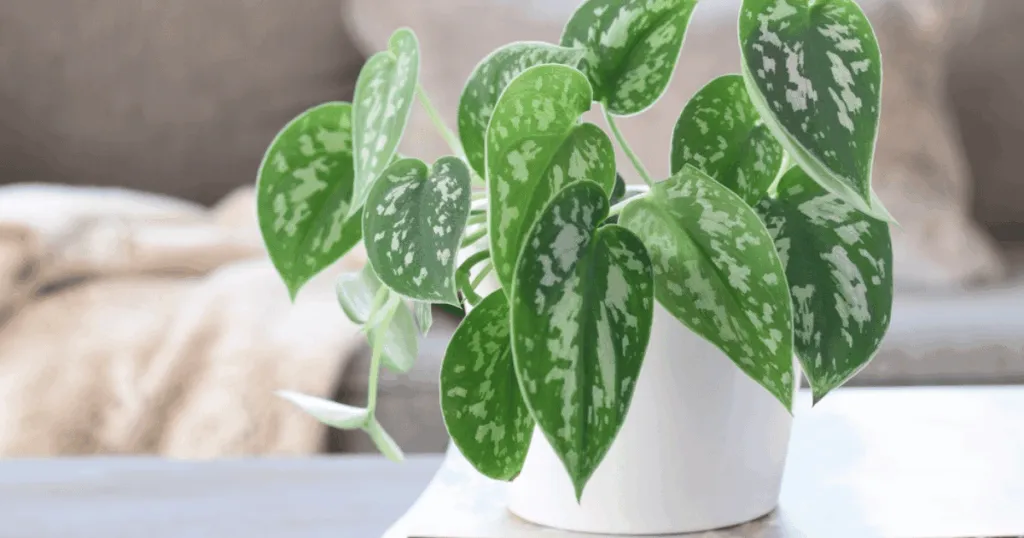
If you prefer a trailing plant, Pothos is the standard. It adapts well to low-light environments, though its growth rate will slow significantly compared to brighter spots. It is highly communicative, often drooping slightly when it needs water, which serves as a helpful reminder for the office caretaker. Pothos is versatile and can be trained to climb or trail, making it a flexible design element for cubicle walls or high shelving.
Chinese Evergreen
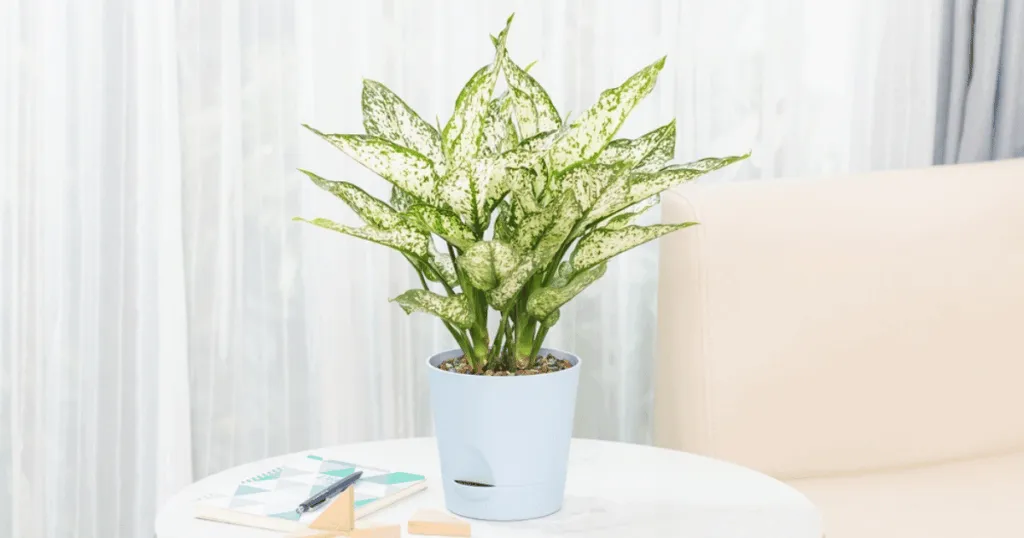
Also known as Aglaonema, this plant offers a variety of leaf patterns and colors that can brighten up a dull cubicle. It is well-suited to medium-to-low light and is generally quite stable in typical office temperatures. It is a reliable, compact choice for desk surfaces. Because it comes in many variegated patterns, it adds visual interest without requiring the high light levels usually needed to maintain such color.
Parlor Palm
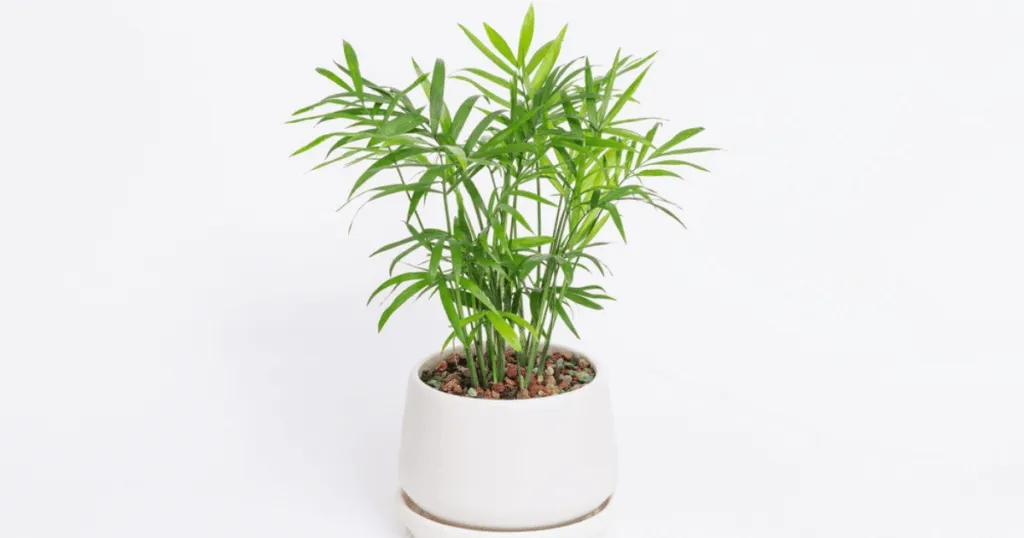
For those seeking a touch of elegance, the Parlor Palm is one of the few palm species that genuinely thrives in shade. It brings a soft, tropical aesthetic to an office without demanding the intense light that other palms require. It prefers consistent, light moisture rather than being soaked. Its fine-textured fronds provide a nice contrast to the broad-leafed plants often found in offices.
Bird’s Nest Fern
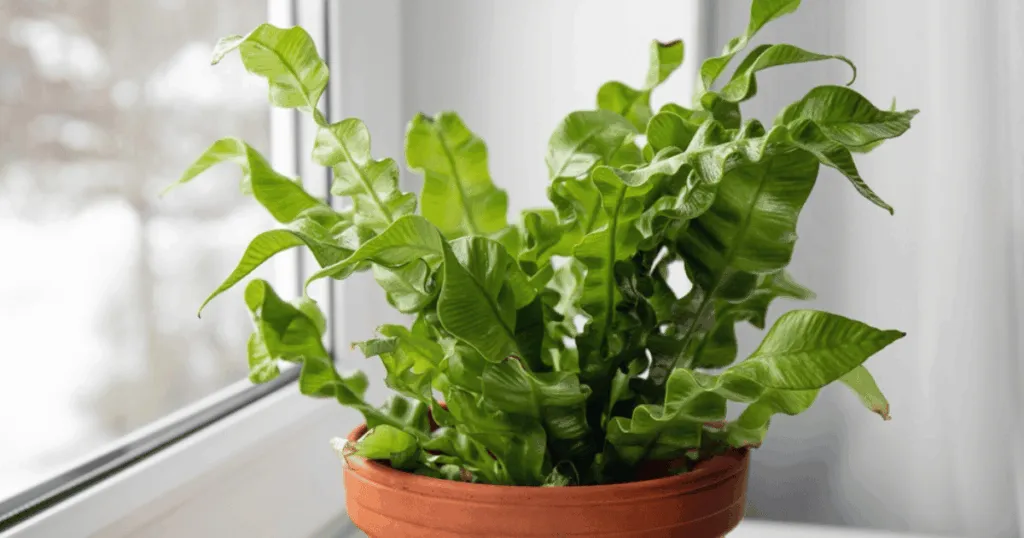
Unlike many other ferns that require high humidity, the Bird’s Nest Fern is more compact and surprisingly tolerant of lower light. It creates a unique, rosette-shaped focal point and performs well in environments where other ferns would quickly dry out or turn brown. It is an excellent choice for adding a lush, jungle-like feel to a desk without the high-maintenance requirements of more delicate fern species.
Heartleaf Philodendron
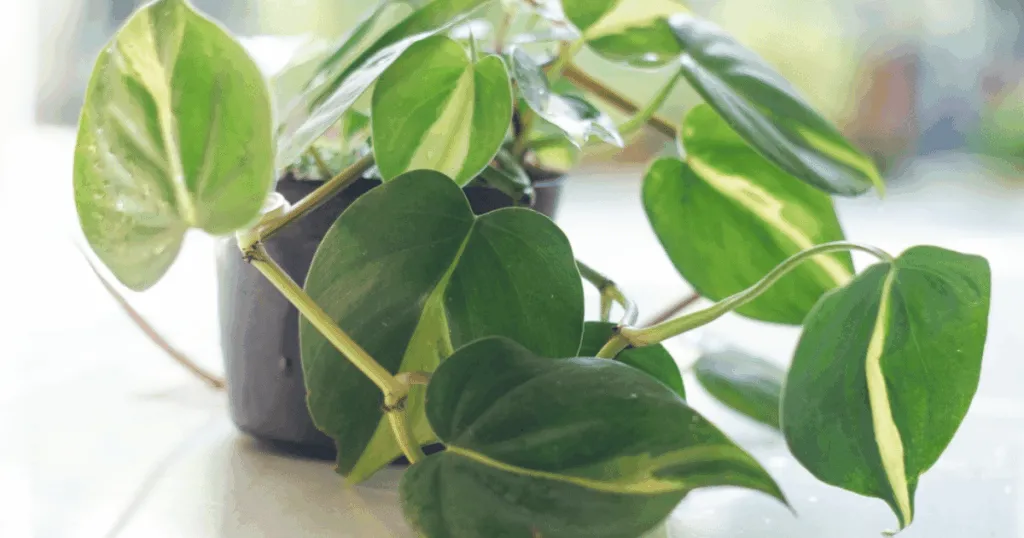
A classic trailing plant, the Heartleaf Philodendron is incredibly adaptable. It handles low-light conditions better than many other vining plants and is very easy to propagate. If a vine gets too long, it can be trimmed back to encourage fuller growth. It is a great choice for hanging baskets or high-up office storage units where it can drape gracefully.
Dracaena
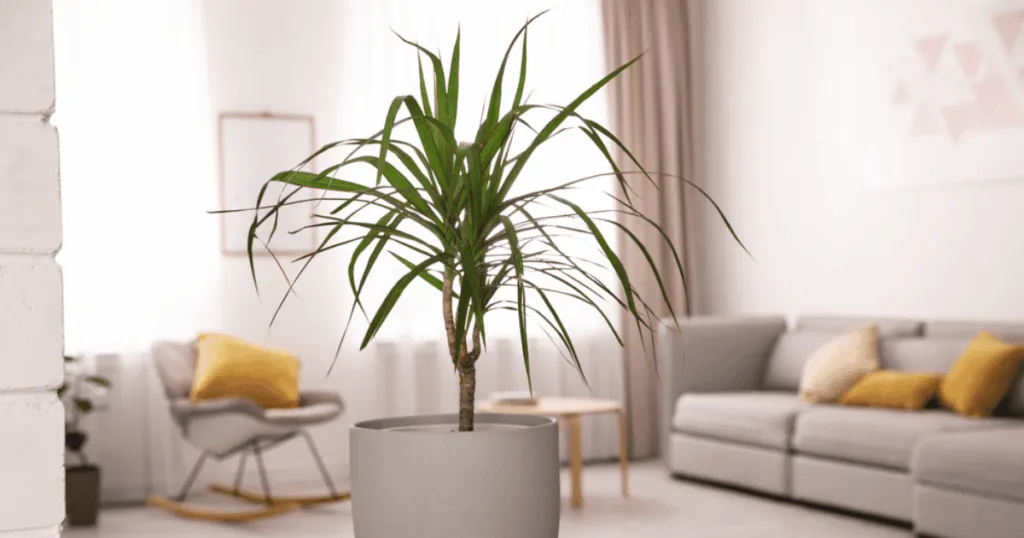
The Dracaena genus offers several varieties that are well-suited for office life. These plants are known for their upright, cane-like stems and long, slender leaves. They are quite tolerant of low light, though they can be sensitive to fluoride in tap water. If you notice brown tips, switching to filtered or distilled water often solves the problem. They provide a nice vertical element to office design.
Bamboo Palm
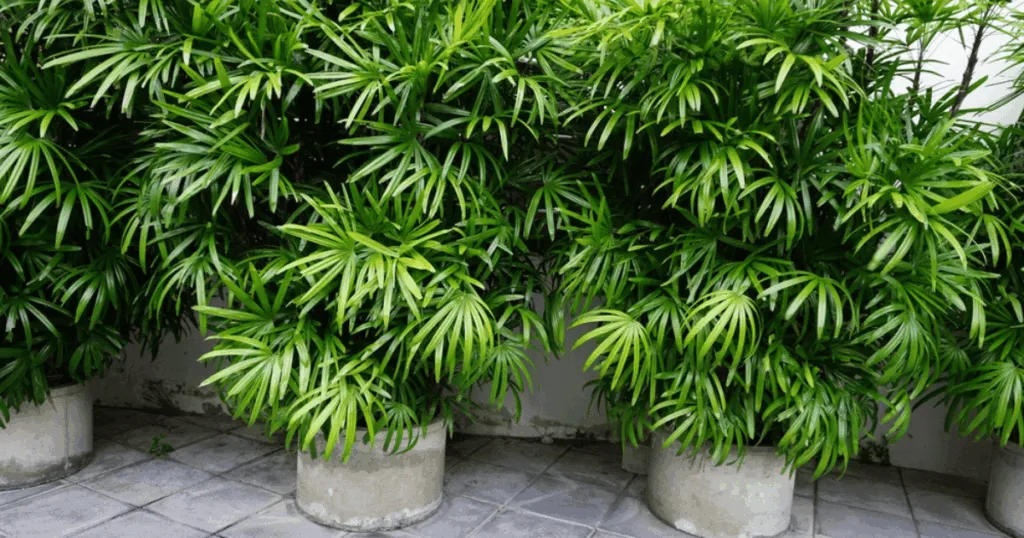
If you need a larger floor plant, the Bamboo Palm is a fantastic, shade-tolerant choice. It has a clustering growth habit that looks very natural and full. It prefers slightly more moisture than the ZZ plant but is still very manageable. It is an excellent alternative to the more light-demanding Areca Palm for reception areas or open-plan office spaces.
Placement and Use-Case Breakdowns
Strategic placement is as important as the plant choice itself. In an open office, use larger plants like the Snake Plant or ZZ Plant to create natural partitions between desks. These plants handle the airflow of open-plan offices better than delicate, thin-leaved species. For reception areas, a healthy, well-potted Cast Iron Plant or a large Pothos trailing from a high shelf adds a welcoming, professional touch without requiring daily attention.
Desk placement requires a different approach. Avoid placing plants directly on top of computer towers or near heat-emitting equipment. Even low-light-tolerant plants can suffer from localized heat stress. If your desk is in a cubicle with only overhead lighting, ensure the plant is close enough to the light source to benefit from the glow, but keep it away from direct contact with HVAC vents, which can cause rapid moisture loss and leaf tip browning.
Limitations and Trade-offs
It is important to recognize that “low light” does not mean “no light.” Every plant requires some form of energy to survive. If your office is a windowless storage closet with no artificial light, even the most resilient plant will eventually decline. In such cases, consider rotating plants between a brighter area and the dark space, or supplement with a dedicated grow light. Photosynthesis is the engine of plant health; without adequate light, the plant will eventually exhaust its stored energy reserves.
Another common mistake is over-caring. In low-light conditions, plants process water much slower than they do in bright, warm environments. A plant that might need water once a week in a greenhouse might only need it once every three weeks in a dim office. Always check the soil moisture with your finger or a moisture meter before watering. If the soil is still damp, wait. Root rot from overwatering is the leading cause of death for office plants, far outpacing the risks associated with low light.
Finally, consider the toxicity of your chosen plants. Many popular low-light species, such as the ZZ Plant, Pothos, and Snake Plant, contain calcium oxalate crystals or saponins. While these are safe to touch, they can cause irritation if ingested. If your office is pet-friendly or if you have concerns about staff safety, prioritize non-toxic options like the Parlor Palm or the Cast Iron Plant. Always check the specific toxicity profile of a plant before introducing it to a shared workspace.
Ultimately, the best office plants for low light are those that align with your office’s maintenance capacity. If you have a team that can stick to a schedule, you have more flexibility. If you need a “set it and forget it” solution, the ZZ Plant and Cast Iron Plant remain the most reliable partners for your workspace. By understanding the environmental constraints of your office—specifically light intensity and humidity—you can curate a collection that thrives rather than just survives.
Managing Environmental Stress in the Office
Office environments are rarely ideal for plant growth. Beyond light, the two biggest stressors are humidity and temperature stability. Most office buildings are kept at a constant, low humidity level to protect electronic equipment and maintain comfort for humans, but this is often too dry for many tropical plants. If you notice your plants struggling, consider grouping them together. This creates a microclimate where the transpiration from each plant helps raise the humidity in the immediate vicinity.
Temperature fluctuations are another hidden danger. Avoid placing plants near exterior doors that open frequently in winter, as the blast of cold air can shock sensitive species. Similarly, keep plants away from radiators or baseboard heaters. Consistent temperatures are key to keeping your office greenery healthy throughout the changing seasons. If you are in a building with significant temperature drops over the weekend, choose hardier species like the Snake Plant or ZZ Plant, which are better equipped to handle these shifts.
The Role of Biophilic Design
Incorporating plants into the office is more than just decoration; it is a core component of biophilic design. The presence of greenery has been shown to improve the aesthetic quality of a workspace and can contribute to a more calming atmosphere. When choosing plants for low-light areas, focus on species that offer interesting textures and forms. The architectural shape of a Snake Plant or the delicate, cascading vines of a Pothos can transform a sterile cubicle into a more inviting and productive environment. By selecting the right plants for your specific light conditions, you can enjoy the benefits of nature even in the most challenging office settings.
Analyzing Light Quality: Foot-Candles and Office Reality
To truly master office plant care, one must understand that not all “low light” is equal. In professional settings, light is often measured in foot-candles. A typical office desk might receive 30 to 50 foot-candles of light, which is considered quite dim for many plant species. While the human eye adjusts quickly to these levels, plants require a sustained duration of exposure to compensate for the lower intensity. This is why plants in windowless offices often benefit from having overhead lights left on for longer periods or utilizing task lighting.
When selecting plants, consider the “light compensation point.” This is the light level at which a plant’s photosynthesis rate exactly matches its respiration rate. If the light drops below this point, the plant begins to consume its own stored energy, leading to leaf drop and eventual decline. Species like the ZZ Plant and Cast Iron Plant have exceptionally low compensation points, making them the gold standard for dim cubicles. Conversely, plants like the Dracaena or Chinese Evergreen require slightly more light to maintain their variegated patterns. If you notice a variegated plant turning solid green, it is a clear signal that the plant is struggling to produce enough energy and is prioritizing chlorophyll production over aesthetic patterns.
Practical Maintenance Schedules for Busy Offices
The most common failure in office plant care is the “every Monday morning” watering ritual. This rigid schedule ignores the fact that office environments change based on the season, HVAC usage, and even the number of people in the room. A more effective approach is to implement a “check-and-water” system. Assign a designated team member to check the soil moisture of each plant once a week, but only water those that actually need it. This simple shift prevents the cycle of overwatering that plagues many corporate environments.
For larger offices, consider the use of self-watering pots or wicking systems. These tools can be particularly helpful for plants like the Parlor Palm or Bamboo Palm, which prefer consistent moisture but suffer if the soil becomes waterlogged. By allowing the plant to draw water as needed, you reduce the risk of human error and ensure that the plant remains hydrated even during long holiday weekends or periods of high office activity. Always remember that in the winter, when the heat is running and the air is exceptionally dry, your plants may actually require more attention to humidity than to water, as the dry air can cause rapid transpiration and leaf tip browning.
Selecting Plants for Specific Office Zones
Different areas of an office present different challenges. Reception areas, for example, are often high-traffic zones where aesthetics are paramount. Here, you want plants that maintain a clean, upright form. The Snake Plant is perfect for corners, while a large, mature ZZ Plant can serve as a sculptural centerpiece on a reception desk. Avoid trailing plants in high-traffic areas where they might be brushed against or damaged.
In contrast, meeting rooms are often used intermittently, meaning they may be dark for days at a time. In these spaces, prioritize plants that are highly tolerant of fluctuating light levels. The Cast Iron Plant is an ideal candidate for a meeting room table or a dark corner, as it is remarkably unfazed by sudden changes in light or temperature. For cubicles, where space is limited, focus on compact varieties like the Peperomia or a small Chinese Evergreen. These plants provide a personal touch without encroaching on your workspace or requiring frequent pruning to keep them contained.
The Importance of Soil and Drainage
Even the most resilient low-light plant will struggle if it is sitting in a pot without drainage. In an office setting, it is common to use decorative cachepots to hide the plastic nursery pots. While this is aesthetically pleasing, it is a recipe for disaster if the plant is watered while sitting in a pool of water inside the decorative container. Always remove the plant from the decorative pot before watering, or ensure that the nursery pot is elevated on a layer of pebbles or a riser to prevent the roots from sitting in standing water. This simple step is the most effective way to prevent root rot and ensure the longevity of your office greenery.
Additionally, consider the soil mix. Most store-bought plants come in a peat-heavy mix that retains moisture for a long time. In a low-light office, this can keep the roots too wet for too long. If you are repotting your office plants, consider adding perlite or orchid bark to the mix to improve aeration and drainage. This creates a more forgiving environment, allowing the roots to breathe and reducing the risk of fungal issues that often arise in the stagnant air of an office building. By focusing on these foundational elements, you can create a robust, low-maintenance office garden that enhances your workspace for years to come.
FAQ
Can I keep these plants in a windowless office?
While plants like the ZZ Plant and Snake Plant are incredibly resilient, they still require some light to survive. If your office has no windows, ensure the overhead fluorescent or LED lights remain on for at least 8-10 hours a day. If the office is kept dark for long periods, consider adding a small, dedicated LED grow light.
How do I know if my office light is too low for these plants?
If you cannot comfortably read a printed document at your desk without turning on a lamp, the light level is likely too low for most plants. Signs of insufficient light include stunted growth, pale or yellowing leaves, and the plant leaning aggressively toward the nearest light source.
Why are the tips of my office plant leaves turning brown?
Brown tips are most often caused by low humidity, which is common in HVAC-controlled offices, or by inconsistent watering. Ensure you are not letting the plant dry out completely for too long, and keep it away from direct air vents that may be drying out the foliage.
Do these plants need fertilizer in a low-light office?
In low-light conditions, plants grow much slower and therefore require less energy. You should fertilize sparingly, perhaps only once or twice during the spring and summer months, using a balanced, water-soluble fertilizer diluted to half-strength.