Understanding the basic structure of your office greenery is the first step toward moving beyond guesswork in plant care. When you view a desk plant or a lobby specimen not just as decor, but as a complex biological system, you start to see why certain watering habits or light conditions lead to success or failure. Plant anatomy 101 provides the essential vocabulary needed to interpret what your plants are communicating through their physical state, helping you make informed decisions about placement and maintenance in controlled indoor environments.
By grasping how these organisms process light, transport moisture, and manage gas exchange, you can troubleshoot common office issues like yellowing leaves or stunted growth with much greater accuracy. Whether you are managing a single succulent on a workstation or a collection of floor plants in a meeting room, knowing how the internal plumbing and structural components work allows you to adjust your care routine to match the specific needs of the species, rather than relying on generic advice that may not fit your office’s unique microclimate.
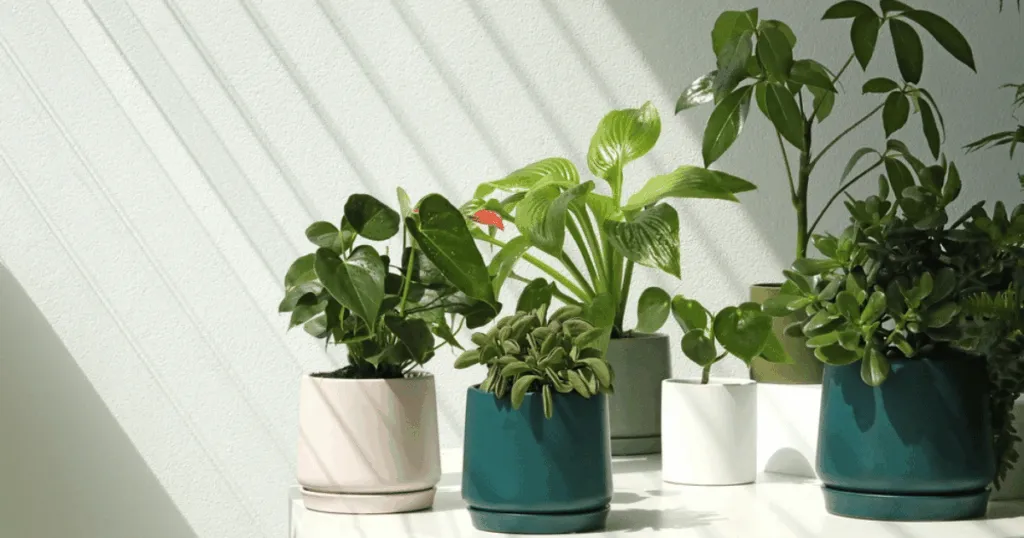
The Core Components of Indoor Plant Structure
Every plant is composed of three primary vegetative organs: roots, stems, and leaves. In an office setting, these parts are constantly interacting with artificial light, HVAC-driven airflow, and limited soil volume. Understanding their roles is critical for long-term health.
The Root System: The Foundation of Stability and Absorption
Roots serve two main purposes: anchoring the plant and absorbing water and dissolved nutrients. In a containerized office plant, the root system is restricted by the pot size. This makes root health particularly sensitive to drainage. If the soil remains saturated, the roots cannot access oxygen, leading to root rot. Conversely, if the soil dries out completely, the fine root hairs—the primary sites of water absorption—will desiccate and die. When you notice a plant wilting despite moist soil, it is often a sign that the root system has already been compromised by anaerobic conditions.
In practice, office managers should prioritize pots with adequate drainage holes. Without them, the root system sits in a perched water table, a layer of saturated soil at the bottom of the container that prevents gas exchange. Since office plants often lack the natural soil microbes found in outdoor landscapes, the roots rely entirely on the porous nature of the potting medium to breathe. If you are using decorative cachepots, always remove the nursery pot to water the plant, ensuring all excess liquid drains away before returning it to the display container.
Stems and Vascular Tissue: The Transport Network
The stem acts as the structural support and the highway for resource movement. It contains two vital types of tissue: xylem and phloem. Xylem transports water and minerals upward from the roots to the leaves, while phloem distributes the sugars produced during photosynthesis back to the rest of the plant. In office environments, stems often stretch toward the nearest light source, a process known as phototropism. If you see a plant leaning heavily, it is a direct response to the stem attempting to maximize its exposure to available light.
The vascular tissue is sensitive to environmental stress. When HVAC systems blast dry, hot air directly onto a plant, the stem may lose moisture faster than the roots can replenish it through the xylem. This leads to a loss of turgor pressure, causing the plant to droop. Furthermore, the stem serves as a storage organ for many species, such as succulents or cane-like plants like Dracaena. Understanding this allows you to recognize that a thick, fleshy stem is an adaptation for surviving periods of drought, which means these plants require less frequent watering than leafy, thin-stemmed tropicals.
Leaves: The Solar Panels of the Plant
Leaves are where photosynthesis occurs. They contain chlorophyll, the pigment that captures light energy. On the underside of most leaves, you will find tiny pores called stomata. These pores open and close to regulate gas exchange, taking in carbon dioxide and releasing oxygen and water vapor. In low-humidity office environments, excessive water loss through these pores can cause leaf edges to brown or curl. Observing the leaf surface—whether it is waxy, hairy, or thin—can tell you how much light a plant prefers and how it handles moisture loss.
Transpiration is the process of water movement through the plant and its evaporation from the leaves. In an office, high-intensity LED lighting can accelerate transpiration. If the plant cannot keep up with this rate of water loss, the leaf tissue will suffer. Waxy leaves are often an evolutionary defense against high evaporation, making them excellent candidates for offices with fluctuating temperatures. Conversely, thin, broad leaves are usually adapted to low-light, high-humidity forest floors, and they will struggle significantly in the arid, climate-controlled air of a typical cubicle farm.
Practical Application: Connecting Anatomy to Office Care
Applying your knowledge of plant anatomy 101 requires observing how these parts respond to your office environment. For instance, variegated leaves have less chlorophyll than solid green leaves, meaning they require more light to produce the same amount of energy. If you place a variegated plant in a dim corner, the plant will struggle to maintain its foliage, often resulting in the leaves reverting to solid green or dropping entirely.
Interpreting Growth Patterns
When a plant is not thriving, look at the growth pattern. If the internodes—the space between leaves on a stem—are unusually long, the plant is likely “stretching” because it is not receiving enough light. This is a structural adaptation to find a better light source. Similarly, if the lower leaves are dropping while the new growth at the top is small, the plant may be struggling with nutrient transport or root congestion. Recognizing these anatomical signals allows you to intervene before the plant reaches a point of no return.
Another common anatomical indicator is the appearance of new leaves. If new growth is consistently smaller than older leaves, the plant is likely suffering from a nutrient deficiency or a root system that has become too large for its container. In the context of office plant maintenance, this is a signal to consider repotting or a gentle fertilization schedule. Do not assume that all growth is healthy; rapid, spindly growth is often a stress response to inadequate light rather than a sign of a thriving plant.
Managing Environmental Stress
Office environments often present challenges like drafts from HVAC vents or dry air. These factors directly impact the stomata on the underside of leaves. If the air is too dry, the plant may close its stomata to conserve water, which effectively pauses photosynthesis and growth. Using a humidifier or grouping plants together can create a microclimate that helps the plant maintain its internal water pressure, known as turgor pressure. When turgor pressure is high, the plant stands upright; when it drops, the plant wilts.
Consider the placement of plants near windows. While light is essential, the glass can act as a lens, intensifying heat. If the leaves show signs of bleaching or scorched spots, the plant is experiencing photo-inhibition, where the light intensity is overwhelming the plant’s ability to process it. Moving the plant just a few feet away from the window or using a sheer curtain can mitigate this stress while still providing the necessary light for photosynthesis. Always monitor the plant’s orientation; if one side of the plant is consistently losing leaves, it is likely the side facing the wall or the dark corner, indicating a lack of light exposure on that specific side.
Decision Framework for Plant Maintenance
To keep your office plants healthy, use this anatomical checklist to guide your routine. Instead of following a rigid calendar, check the plant’s physical indicators.
- Check the Soil Surface: Before adding water, check the top inch of soil. If it is dry, the roots likely need moisture. If it is soggy, wait.
- Monitor Leaf Color and Texture: Sudden yellowing often indicates overwatering, while crispy, brown edges suggest low humidity or underwatering.
- Observe Growth Direction: If the plant leans, rotate the pot 90 degrees every week to ensure even light distribution across all stems.
- Assess Root Space: If roots are circling the bottom of the pot or growing out of drainage holes, the plant has outgrown its container and needs repotting to maintain its vascular efficiency.
- Inspect for Pests: Pests often congregate where the stem meets the leaf, as this is a high-nutrient area. Regular inspection of these junctions can prevent infestations from spreading through your office greenery.
By focusing on these specific anatomical markers, you shift from reactive care to proactive maintenance. Remember that a plant’s health is a reflection of how well its internal systems are supported by the external environment you provide. When you understand the anatomy, you stop guessing and start managing based on the biological reality of the plant in front of you.
FAQ
Why does my office plant have brown, crispy leaf tips?
Brown, crispy tips are usually a sign of low humidity or inconsistent watering. In office environments, HVAC systems dry out the air, causing the plant to lose water through its stomata faster than the roots can replace it. This is a common issue in plant anatomy 101: the plant is struggling to maintain turgor pressure. Try moving the plant away from direct air vents or using a pebble tray to increase local humidity.
Does the size of the pot affect plant anatomy and health?
Yes, the pot size directly impacts root health. A pot that is too large holds excess water, which can lead to root rot because the roots cannot absorb the moisture quickly enough. A pot that is too small restricts root growth and limits the plant’s ability to take up nutrients. Always ensure your pot has adequate drainage holes to allow the root system to breathe and prevent water from pooling at the base.
What is the role of photosynthesis in indoor plant care?
Photosynthesis is the process by which leaves convert light into energy. In an office, light is often the limiting factor. If a plant cannot perform photosynthesis efficiently due to low light, it will stop growing, shed older leaves, or become leggy. Understanding this process helps you realize that light is not just for aesthetics; it is the primary fuel source for the plant’s entire internal anatomy.
How do I know if my plant is getting enough light?
A plant receiving sufficient light will maintain compact growth with healthy, vibrant leaves. If you notice the stems becoming long and ‘leggy’ with large gaps between the leaves, the plant is likely stretching to find more light. This is a structural response to insufficient energy production. Moving the plant closer to a window or supplementing with a full-spectrum LED grow light can help correct this growth pattern.