When selecting greenery for a professional environment, the primary challenge is often the lack of consistent, high-intensity natural light. The Parlor Palm (Chamaedorea elegans) stands out as a premier candidate for offices because it does not merely survive in dim corners or under fluorescent lighting-it genuinely thrives there. Unlike many tropical plants that demand bright, filtered sun, this species has evolved to grow on the forest floor, making it uniquely adapted to the lower light levels common in cubicles, reception areas, and interior meeting rooms.
- Thrives in low-light office conditions.
- Requires lightly moist soil; avoid complete dryness.
- Adapts well to standard indoor room humidity.
- Non-toxic to cats and dogs.
- Slow-growing, making it ideal for desk or corner placement.
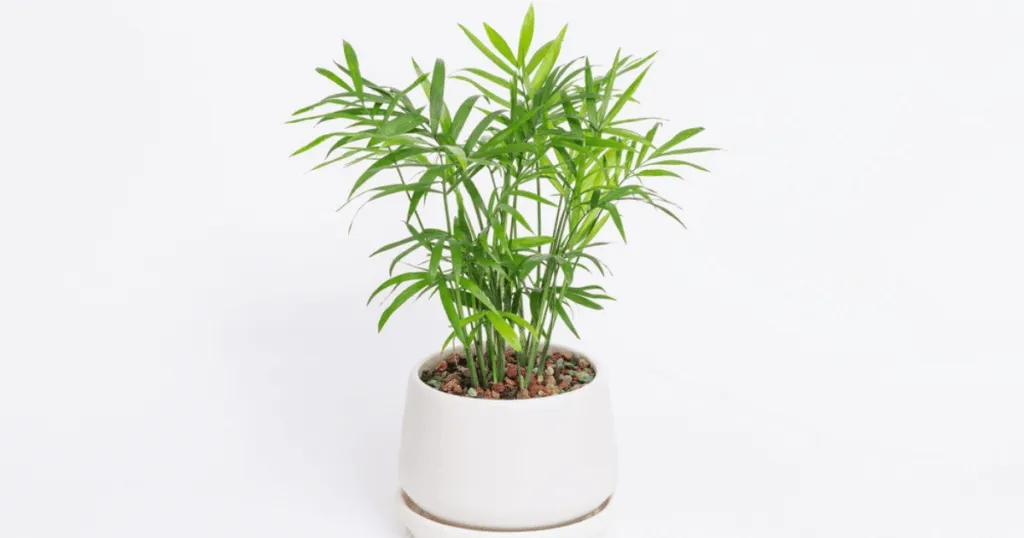
Refining the Office Aesthetic with the Parlor Palm
Beyond its light tolerance, the Parlor Palm offers a refined, feathery silhouette that adds a sense of calm to a workspace without overwhelming the desk or floor space. Its slow growth rate is a significant advantage for office managers, as it prevents the plant from outgrowing its container or encroaching on high-traffic walkways too quickly. For those seeking a reliable, low-maintenance plant that maintains a consistent, sophisticated look throughout the work week, it remains an industry standard for a reason.
Appearance and Growth Habits
The Parlor Palm is characterized by its slender, bamboo-like stems and delicate, arching fronds. In an office setting, these plants are often sold in clusters, which creates a lush, full appearance from the moment they are placed on a desk or side table. The foliage is a deep, rich green, providing a classic aesthetic that complements both modern minimalist office decor and more traditional wood-heavy interiors.
Growth Expectations in Controlled Environments
Because these palms are slow-growing, you should not expect rapid height gains. In an office, a specimen might reach a height of two to four feet over several years. This predictability is a major benefit for space planning. You can place a Parlor Palm on a reception desk or a filing cabinet knowing that it will not require a major re-potting or relocation project for a long time. The plant maintains a compact, upright habit, which prevents it from drooping over keyboards or blocking computer monitors.
Seasonal Behavior
Unlike outdoor plants that go through aggressive growth spurts, the Parlor Palm remains relatively stable throughout the year in an HVAC-controlled office. You will not see the seasonal shedding or rapid structural changes that might disrupt the visual consistency of a client-facing area. This stability is exactly why it is favored for permanent installations in lobby spaces and executive offices.
Care Needs at a Glance
Managing the Parlor Palm is straightforward, provided you understand its specific preferences regarding moisture and light. While it is often labeled as an easy-care plant, the key to success is consistency rather than intensity.
Light and Exposure
While the Parlor Palm is prized for its shade tolerance, it grows most vigorously in medium, indirect light. In an office, this means it will be perfectly happy near a north-facing window or several feet away from a bright, south-facing window. If your office relies entirely on artificial lighting, ensure the plant is positioned where it receives some ambient glow from overhead LEDs or fluorescent fixtures. Avoid placing it in direct, harsh sunlight, which can scorch the delicate fronds and cause brown, crispy tips.
Watering and Soil Moisture
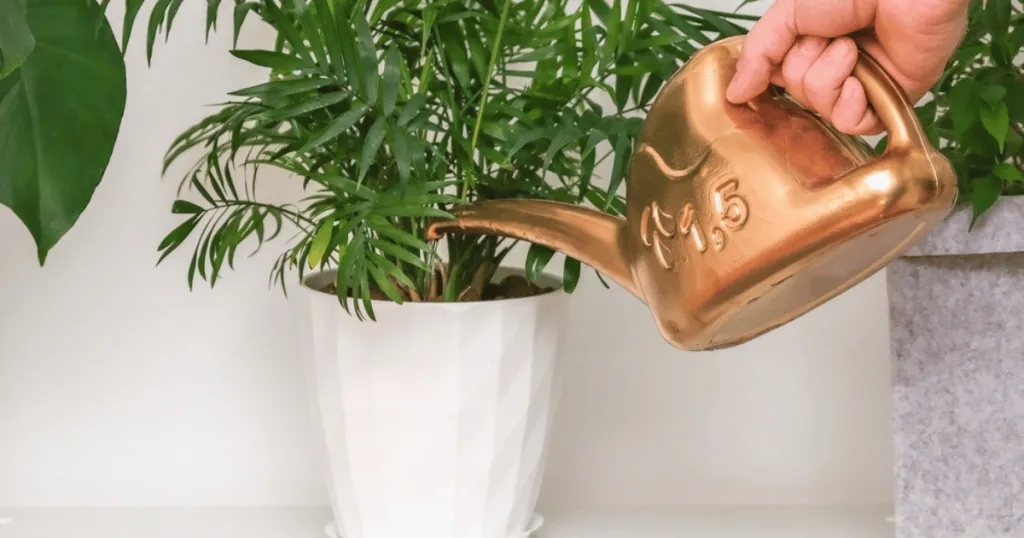
The most common mistake with this species is allowing the soil to dry out completely. While it is not a bog plant, it prefers to stay lightly moist. In an office, you can check the top inch of soil; if it feels dry to the touch, it is time to water. Be careful not to let the plant sit in standing water, as this can lead to root issues. Using a pot with adequate drainage holes is essential to prevent water from pooling at the bottom of the container, which is a frequent cause of decline in office settings.
Humidity and Air Quality
Many tropical plants struggle in the dry, recycled air of modern office buildings, but the Parlor Palm is remarkably resilient. It manages well in average room humidity. You do not need to invest in humidifiers or misting routines to keep this plant healthy. It is perfectly content in the standard environment created by modern HVAC systems.
Office Suitability and Placement Guidance
The Parlor Palm is arguably one of the most versatile plants for a workspace. Its ability to tolerate lower light levels makes it a go-to for interior offices that lack windows. When choosing a location, consider the traffic patterns of your office. Because the fronds are somewhat delicate, placing the plant in a high-traffic hallway where people might brush against it can lead to mechanical damage or bent leaves.
Placement Strategies
For a desk, a smaller, younger Parlor Palm provides a refreshing focal point without cluttering the workspace. For reception areas or meeting rooms, a larger, multi-stemmed specimen in a decorative floor planter can act as a natural room divider or a softening element against hard, sterile surfaces. Because it is slow-growing, you can invest in a high-quality planter that matches your office branding, knowing the plant will not outgrow it for years.
The Weekend Factor
Office plants often face the challenge of being left unattended over weekends or holidays. The Parlor Palm handles these periods well. Because it does not have high water demands, a thorough watering on Friday afternoon is usually sufficient to carry it through until Monday morning. It is a resilient choice for offices that experience temperature fluctuations when the building climate control is scaled back on weekends.
Toxicity and Safety Considerations
One of the most frequent questions regarding office greenery is whether a plant poses a risk to pets or humans. According to the ASPCA, the Parlor Palm is considered non-toxic to both cats and dogs. This makes it an excellent choice for offices that allow pets or for managers who want to ensure their plant choices are universally safe. You do not need to worry about the common irritants found in many other popular indoor plants, such as calcium oxalate crystals, which can cause oral discomfort if ingested. This safety profile provides peace of mind for open-office environments where diverse needs and safety standards must be met.
Transitioning to Detailed Care
While the Parlor Palm is an ideal, low-maintenance office companion, every plant requires some degree of monitoring to ensure it stays in top condition. If you notice yellowing fronds, brown tips, or slow decline, these are usually signals that your watering or light conditions need a minor adjustment. Because this guide focuses on the suitability and general profile of the plant for office environments, we have kept the instructions high-level. For more specific troubleshooting regarding pests, repotting techniques, or how to handle specific nutrient deficiencies, please refer to our dedicated care and troubleshooting manuals. These resources provide the granular detail needed to diagnose and correct specific issues as they arise in your workspace.
Related Parlor Palm Guides
- how to care for a Parlor Palm
- Parlor Palm symptoms and fixes
FAQ
Can the Parlor Palm survive in an office with no windows?
Yes, the Parlor Palm is one of the few species that can survive in windowless offices, provided it receives consistent exposure to artificial light. While it prefers medium, indirect light, it is highly shade-tolerant. If your office has no natural light, ensure the plant is placed within a few feet of an overhead light source that remains on during the workday.
How often should I water my Parlor Palm in an office setting?
There is no fixed schedule, as watering depends on the office temperature and humidity. A reliable rule is to check the top inch of soil weekly. If it feels dry, provide enough water to moisten the soil throughout, but ensure the pot drains well. Never let the plant sit in a saucer of standing water, as this is the most common cause of root rot.
Why are the tips of my Parlor Palm fronds turning brown?
Brown tips are typically a sign of either inconsistent watering or low humidity. If the soil has been allowed to dry out completely between waterings, the plant will struggle to push moisture to the tips of the fronds. While the Parlor Palm handles average humidity well, extremely dry air from office vents can also contribute to this issue. Ensure your watering is consistent and avoid placing the plant directly in the path of an air conditioning vent.