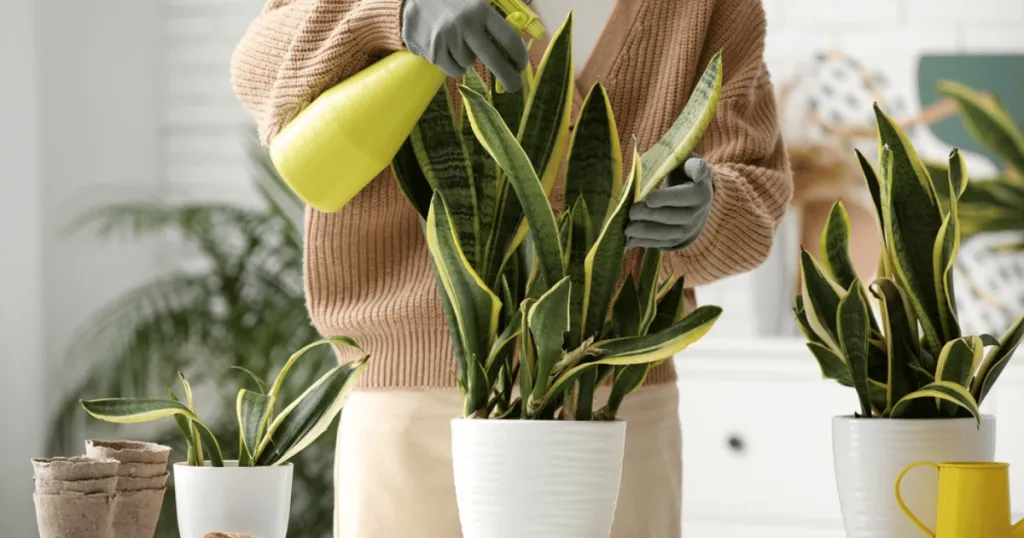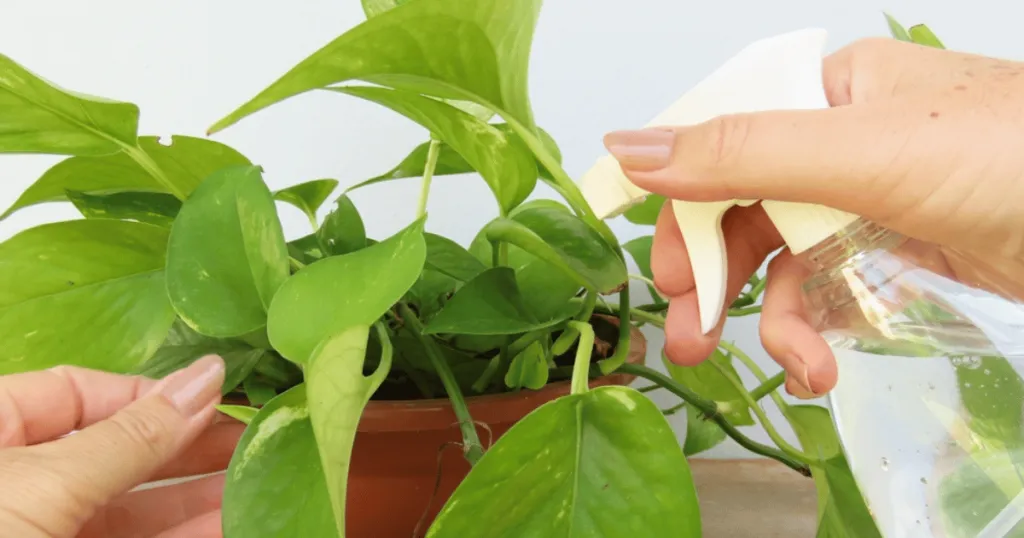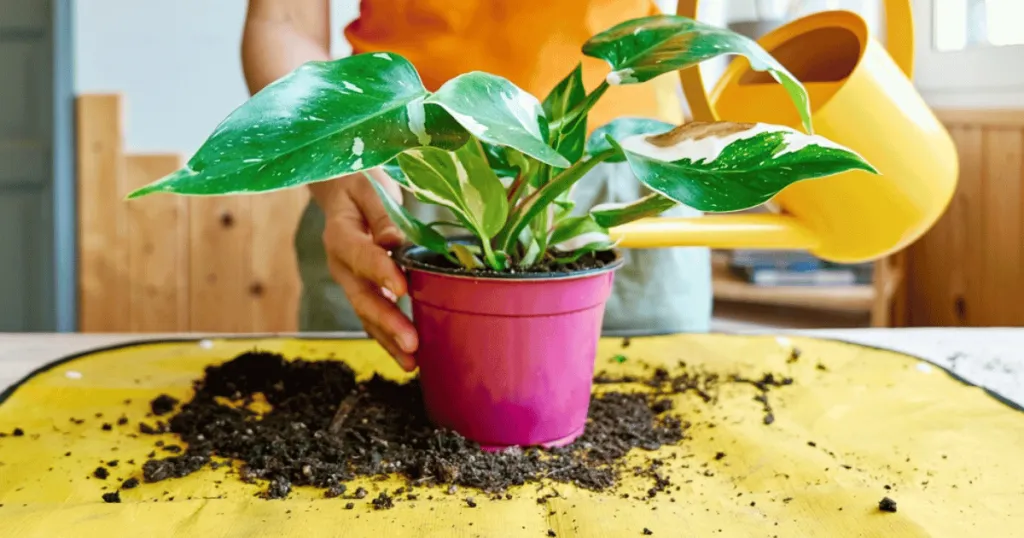
The most common mistake with dracaena care in a professional setting is placing the plant in a windowless corner where it receives zero natural light. While dracaena species are often marketed as low-light survivors, they are not light-free plants. In an office, these plants perform best when situated near windows or under consistent, high-output LED lighting. If your office relies solely on recessed ceiling lights, ensure the plant is close enough to the fixture to receive a meaningful intensity of light throughout the workday.
What You Need to Know
- Provide medium to bright indirect light for best growth.
- Allow soil to dry significantly between waterings.
- Use filtered or distilled water to prevent brown leaf tips.
- Keep away from pets as they are toxic if ingested.
- Maintain average office humidity levels for consistent health.
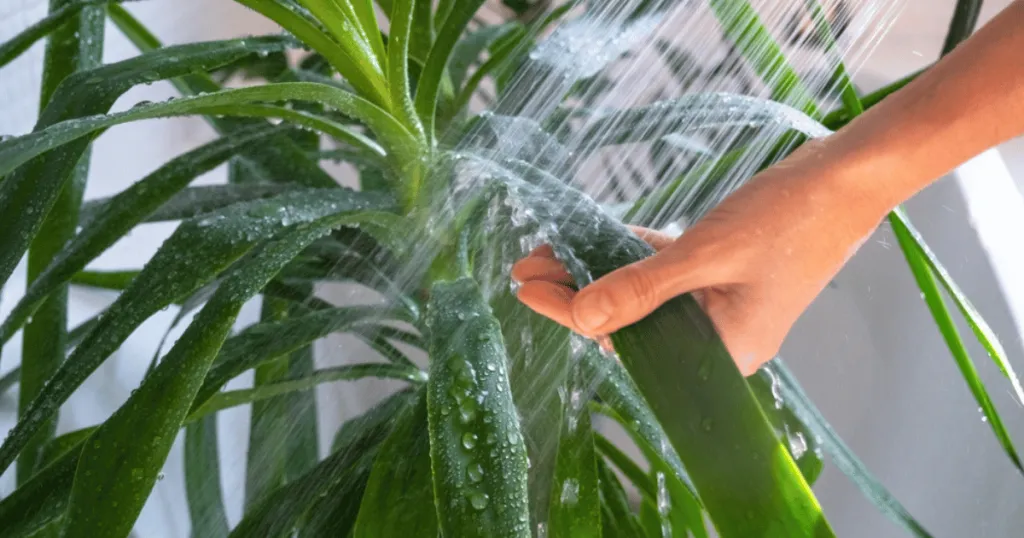
Optimizing Light and Placement in the Office
When selecting a spot, prioritize locations that offer bright, indirect light. Direct sunlight, especially through south-facing office windows, can scorch the foliage, leading to unsightly bleached patches or dry, crispy edges. If you must place a plant in a dim hallway or a windowless meeting room, consider rotating it with another plant kept in a brighter location every few weeks. This rotation strategy prevents the plant from exhausting its energy reserves and keeps the growth habit compact rather than leggy and weak.
Understanding the spectrum of light in an office is critical for successful dracaena care. While these plants are resilient, they rely on photosynthesis to maintain their structural integrity. In environments dominated by fluorescent lighting, the light intensity drops off sharply as you move away from the source. A plant placed six feet away from a window may receive only a fraction of the light it would get at two feet.
For office managers, this means observing the plant’s growth pattern; if the internodes (the space between leaves) are stretching, the plant is signaling that it needs to be moved closer to a light source. Supplemental LED grow lights can be a discreet, professional solution for dark corners, providing the specific wavelengths required to support the plant’s metabolic rate without needing to rearrange office furniture.
Beyond basic placement, consider the orientation of your office windows. North-facing windows provide consistent, low-intensity light that is generally safe for most dracaena varieties, while east-facing windows offer gentle morning sun that encourages healthy growth. West and south-facing windows present the highest risk of heat buildup. If your office layout forces a placement near these high-intensity windows, use sheer curtains or blinds to diffuse the light, preventing the leaf-tip burn that often plagues these plants in high-heat zones.
Watering Strategies and Soil Management
Proper watering is the cornerstone of successful dracaena care. Because these plants are sensitive to moisture-related stress, the most effective approach is to let the top two to three inches of soil dry out completely before adding more water. In an office, where air conditioning and heating systems often create dry, arid conditions, it is easy to fall into the habit of watering on a rigid calendar schedule. Instead, always check the soil moisture with a finger or a moisture meter before watering. If the soil feels damp, wait another few days.
Water quality matters significantly for this genus. Many municipal water supplies contain fluoride and chlorine, which can accumulate in the plant tissues and cause the tips of the leaves to turn brown and necrotic. If you notice persistent browning despite maintaining a good watering rhythm, switch to filtered, distilled, or rainwater.
This simple change often resolves the issue within a few growth cycles. Ensure your pot has adequate drainage holes, as sitting in stagnant water will quickly lead to root rot, which is often fatal and difficult to reverse once the stems begin to soften. When watering, ensure the liquid reaches the entire root ball rather than just the surface, but never allow the plant to sit in a saucer of standing water, as this creates the anaerobic conditions that invite pathogens.
For office managers overseeing multiple plants, consider implementing a “moisture check” day rather than a “watering day.” By checking the soil on a specific day of the week, you can identify which plants actually require hydration and which can skip a cycle. This prevents the common issue of overwatering during periods of low office activity, such as long weekends or holiday breaks, when the ambient temperature might drop and the plant’s water consumption decreases significantly.
Humidity, Temperature, and Supplemental Feeding
Dracaenas are generally adaptable to standard office humidity levels, which typically hover between 30 and 50 percent. While they appreciate higher humidity, they do not require the specialized misting or pebble trays often suggested for tropical ferns. The primary concern in an office is the proximity to HVAC vents. Avoid placing your plant directly in the path of a heating or cooling vent, as the constant blast of forced air will dehydrate the foliage rapidly and cause premature leaf drop.
Temperature stability is equally important. Most office environments are kept at a comfortable range for humans, which is perfect for these plants. However, ensure that the plant is not subjected to extreme temperature fluctuations, such as being placed next to a drafty door or a hot radiator. Regarding nutrition, a balanced, water-soluble fertilizer applied at half-strength during the active growing season – typically spring through early autumn – is sufficient.
Do not fertilize during the winter months when growth naturally slows down, as the plant cannot process the nutrients effectively in lower light conditions. Over-fertilizing in an office setting can lead to salt buildup in the soil, which mimics the symptoms of fluoride toxicity, further stressing the plant.
If you find that your office environment is particularly dry due to aggressive climate control, consider grouping plants together. This creates a microclimate where the transpiration from one plant helps maintain a slightly higher humidity level for its neighbors. While this is not a replacement for proper watering, it can help mitigate the stress caused by low humidity in large, open-plan offices.
Repotting, Pruning, and Propagation
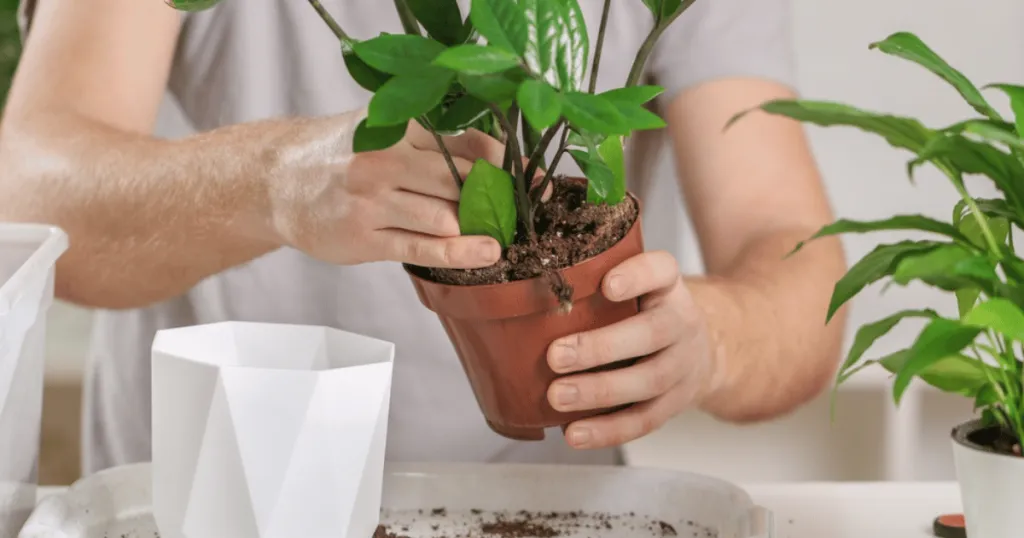
You will likely only need to repot your dracaena every two to three years. These plants prefer to be slightly root-bound, so do not rush to move them into a significantly larger container. When you do repot, use a well-draining potting mix, perhaps amended with perlite or pumice to ensure air can reach the roots. If the plant becomes too tall or loses its lower leaves, you can prune the main stem to encourage branching. This is a common practice to rejuvenate older, leggy specimens that have been in the office for years.
Propagation is a straightforward way to create new plants from a single parent. You can take stem cuttings, allow the cut end to callous over for a day or two, and then place the stem in a container of water or moist soil. Roots will typically emerge within a few weeks. This is a practical way to replace an aging plant or to expand your greenery into other areas of the office without additional costs. Always use clean, sharp shears when pruning to minimize the risk of introducing pathogens to the cut site.
When pruning, remember that the plant will direct its energy toward new growth points, so choose your cut location carefully to shape the plant as desired.
When selecting a new pot for a root-bound dracaena, only increase the diameter by one or two inches. Moving a plant into a pot that is too large can lead to excess soil remaining wet for too long, as the root system cannot absorb the moisture quickly enough. This is a common pitfall in office settings where maintenance staff may over-compensate for the plant’s size by providing a container that is far too large, inadvertently creating a high-risk environment for root rot.
Seasonal Adjustments and Avoiding Common Mistakes
The biggest challenge in dracaena care is the transition between seasons. As daylight hours shorten in the winter, the plant’s metabolic rate slows down. You must reduce your watering frequency accordingly. A plant that required water every week in July may only need it every three weeks in January. Failing to adjust your routine is the most frequent cause of root rot in office environments.
Watch for red flags such as yellowing leaves, which often indicate overwatering, or drooping foliage, which can signal either extreme thirst or root damage. If the plant is shedding its oldest, bottom-most leaves, this is usually a normal part of the aging process and not a cause for alarm. However, if the yellowing is widespread or occurring on new growth, inspect the soil and root health immediately.
By keeping the plant away from high-traffic areas where it might be bumped and ensuring it stays clear of cleaning chemicals or floor wax fumes, you can maintain a healthy, professional-looking specimen for years. Consistent observation is the best tool for an office manager; by noticing subtle changes in leaf turgor or color, you can intervene before a minor issue becomes a systemic failure.
Another seasonal consideration is the change in office heating. When the heating system kicks in during colder months, the air becomes significantly drier. This can lead to the aforementioned brown tips. If you notice this, do not increase the watering frequency; instead, address the humidity or the water quality. Increasing water in response to brown tips is a classic error that often leads to the death of the plant due to root suffocation.
Long-Term Maintenance and Aesthetic Management
Maintaining the visual appeal of a dracaena in a corporate space involves more than just basic survival. Dust accumulation on leaves is a common issue in offices, which can inhibit photosynthesis and diminish the plant’s aesthetic value. Periodically wiping the leaves with a damp cloth not only keeps the plant looking professional but also allows you to inspect for pests like spider mites, which thrive in the dry air of climate-controlled offices. If you find pests, isolate the plant immediately and treat it with a mild, non-toxic horticultural soap.
Furthermore, consider the container choice. While decorative cachepots are popular for their aesthetic appeal, they often lack drainage. If you use a decorative pot, ensure the plant is in a nursery liner with drainage holes inside the decorative vessel. This allows you to remove the plant for watering, ensuring excess water is drained away before returning it to the display area. This simple workflow prevents the common office pitfall of water pooling at the bottom of a decorative pot, which is a frequent cause of hidden root rot.
Finally, consider the long-term structural health of your dracaena. Over time, as the plant grows, it may become top-heavy. In a busy office, this can be a safety hazard. If you notice your plant leaning or becoming unstable, consider using a decorative stake or a moss pole to provide support. This not only keeps the plant upright but also encourages it to grow in a more controlled, vertical fashion, which is often preferred in formal office settings where space is at a premium.
Related Dracaena Guides
- the Dracaena plant guide
- fixing common Dracaena issues
FAQ
Why are the tips of my dracaena leaves turning brown?
Brown tips are often caused by fluoride or chlorine in tap water, or by low humidity. Try switching to filtered or distilled water and keep the plant away from direct HVAC air currents.
Is it safe to keep a dracaena in an office with pets?
According to the ASPCA, dracaena species contain saponins and are considered toxic to cats and dogs if ingested. It is best to keep these plants in areas inaccessible to office pets.
How do I know if my dracaena is getting enough light?
A healthy plant will maintain its leaf color and have steady, slow growth. If the plant starts stretching toward a light source or losing its variegation, it needs to be moved to a brighter location.
Can I prune a dracaena that has grown too tall?
Yes, you can prune the top of the stem. The plant will typically respond by producing new growth points just below the cut, which helps create a fuller, bushier appearance.