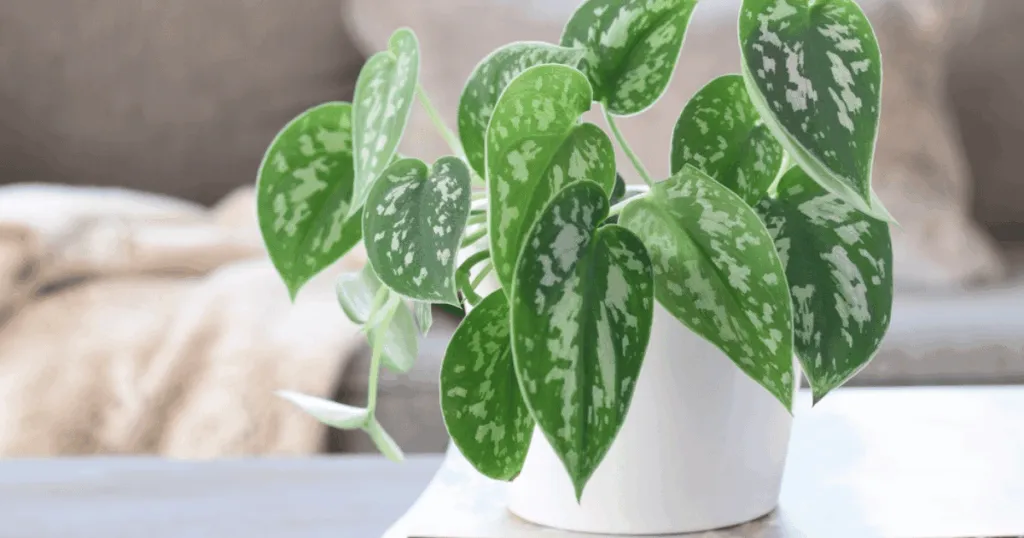
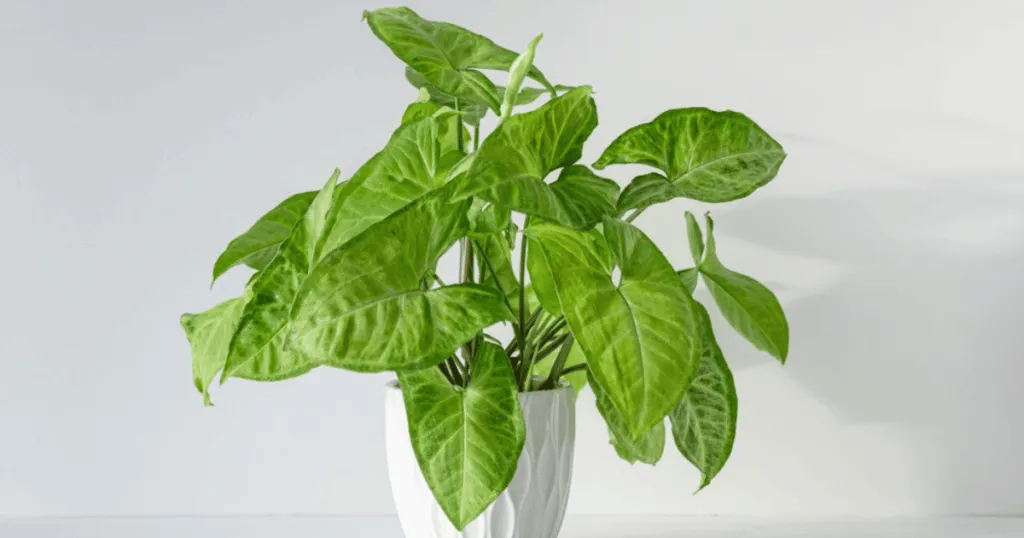
The Syngonium, frequently referred to as the Arrowhead Plant or Arrowhead Vine, is a botanical chameleon. In its juvenile stage, the plant features distinct, heart-shaped or arrow-shaped leaves that often display variegated patterns of cream, white, or silver against a deep green backdrop. This compact, bushy form makes it an ideal candidate for desktop displays, reception counters, or small shelving units where space is at a premium.
- Thrives in medium to bright indirect light.
- Allow the top inch of soil to dry between waterings.
- Prefers average to above-average indoor humidity levels.
- Contains calcium oxalate crystals; keep away from pets.
- Easy-care plant that adapts well to office environments.
Appearance and Growth Habits
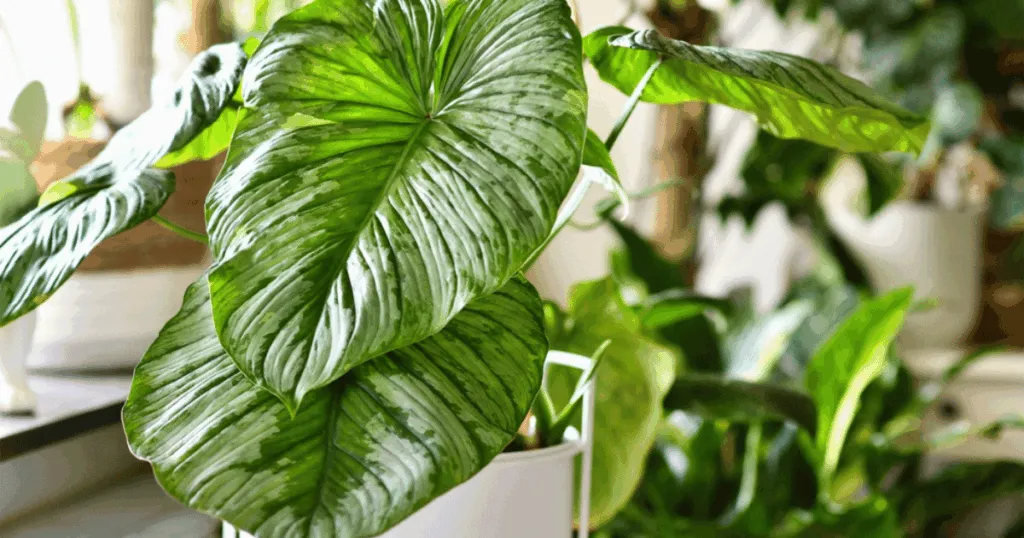
As the plant matures, its growth habit undergoes a fascinating transformation. It shifts from a mounded, upright habit to a vining or climbing structure. In an office setting, this means you can choose how to display it: keep it pruned to maintain a compact, bushy appearance, or allow it to trail from a hanging basket or climb a small moss pole to create a vertical green accent. This adaptability is one of the primary reasons the species remains a staple in professional interiors. The leaf shape also evolves, often becoming more lobed or divided as the plant ages, adding a layer of visual interest that few other common office plants provide.
For office managers, this developmental shift is a key consideration. A young Syngonium in a four-inch pot is perfect for a crowded desk, but as the vine extends, it may require a more permanent, stable location. If you choose to let it climb, using a coco-coir pole or a trellis can provide the necessary structural support, mimicking its natural tendency to climb trees in its native tropical habitat. This vertical growth can be an effective way to soften the harsh lines of cubicle walls or metal filing cabinets.
Care Needs at a Glance
Maintaining a Syngonium in an office environment is generally straightforward, provided you understand its basic environmental preferences. Because these plants are native to tropical regions, they appreciate stability. While they are resilient, they do not perform well if placed directly in the path of a drafty HVAC vent or near a heater that fluctuates the room temperature significantly. Consistency is the hallmark of successful indoor plant care, especially in climate-controlled buildings where air circulation is constant.
Light and Water Requirements
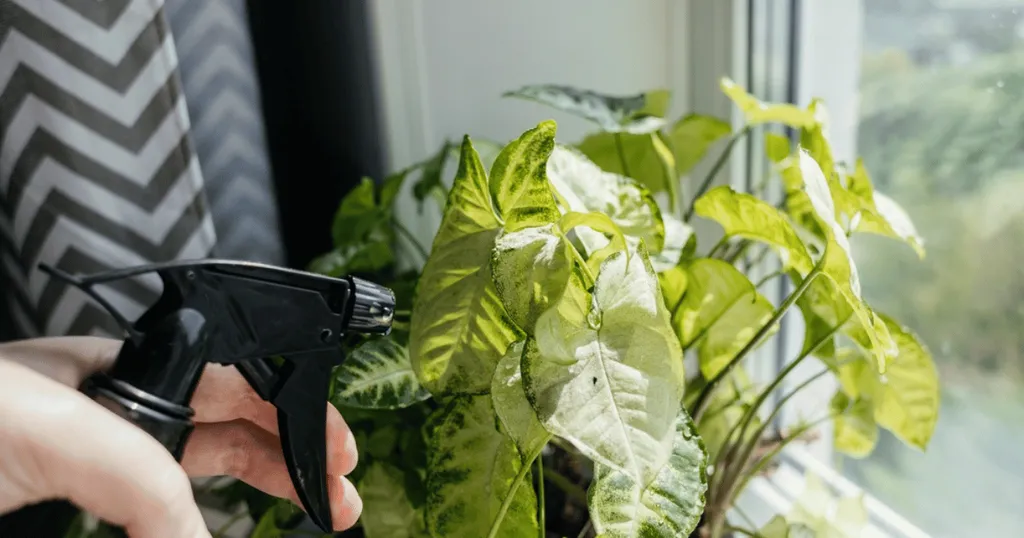
Light is the most critical factor for maintaining the vibrant variegation of many Syngonium varieties. They thrive in medium to bright indirect light. If your office has large windows, placing the plant a few feet back from the glass is usually perfect. While they can tolerate lower light levels, you may notice the growth slows significantly and the leaves lose some of their color intensity, turning a more uniform, darker green. Avoid harsh, direct sunlight, which can scorch the delicate foliage and cause the leaves to wilt or develop brown, crispy patches.
Watering is equally simple. The goal is to keep the soil consistently moist but never waterlogged. A reliable rule of thumb is to check the top inch of the potting mix with your finger; if it feels dry to the touch, it is time to water. In an office, where humidity can sometimes be lower due to climate control systems, you might find yourself watering slightly more frequently than you would at home. Ensure the container has adequate drainage holes to prevent water from pooling at the bottom, which can lead to root rot. If you are responsible for multiple plants, consider using a moisture meter or a consistent weekly schedule to ensure no plant is overlooked during busy periods.
Humidity and Environmental Factors
While the Syngonium appreciates higher humidity, it is surprisingly tolerant of the average, drier air found in most modern office buildings. If you notice the tips of the leaves turning brown and crispy, this is often a sign that the local humidity is too low. In such cases, grouping the plant with other foliage or keeping it away from direct airflow can help preserve its health. For office environments with extremely dry air, placing the pot on a tray filled with pebbles and a small amount of water—ensuring the pot itself sits above the water line—can create a localized microclimate that boosts humidity levels without requiring expensive equipment.
Office Suitability and Placement
The Syngonium is an excellent choice for the workplace because it is highly responsive to its environment. Its ability to grow in various light conditions makes it versatile for different office layouts, from open-plan areas with ample natural light to smaller, cubicle-based setups that rely on ambient overhead lighting. Because it is relatively fast-growing, it provides a sense of life and movement to a workspace, which can be a refreshing change from static office decor.
When selecting a spot, consider the mature size of the plant. If you choose a trailing variety, ensure it has enough clearance to hang gracefully without obstructing walkways or equipment. For desk placement, a smaller, younger specimen is usually best. If you manage a larger area, such as a conference room or a reception desk, a larger, more established plant can serve as a focal point. Always prioritize placement that allows for easy maintenance; if the plant is difficult to reach, it is more likely to be neglected during busy work weeks or holiday breaks. Consider the “reachability” of the plant for whoever is responsible for watering, as high-shelf placements often lead to accidental spills or missed watering cycles.
Calcium Oxalate and Safety Considerations
It is essential to be aware that the Syngonium contains calcium oxalate crystals. According to guidance from organizations like the ASPCA, this compound is toxic to cats and dogs if the plant material is chewed or ingested. While this is primarily a concern for home environments with pets, it is a critical factor if your office allows animals or if you are considering the plant for a home office where pets are present.
The ingestion of these crystals can cause irritation to the mouth, tongue, and throat, often leading to excessive drooling, difficulty swallowing, or vomiting. If you work in an office where pets are permitted, it is safer to choose non-toxic alternatives or ensure the plant is placed well out of reach of any roaming animals. For most standard office environments without pets, this is not a concern, but it remains a professional responsibility to be aware of the biological makeup of the plants you introduce into a shared space. Always communicate with colleagues if you are introducing new greenery, especially in common areas.
Long-Term Maintenance and Propagation
As your Syngonium grows, you may find that it eventually outgrows its container or becomes too “leggy.” Pruning is a vital part of plant maintenance that keeps the foliage dense and aesthetically pleasing. By trimming back long, trailing stems, you encourage the plant to produce new growth from the base, resulting in a fuller, more bush-like appearance. These cuttings can often be propagated in water, providing a cost-effective way to multiply your office greenery without purchasing new plants.
Propagation is a rewarding way to engage with your office plants. Simply place a healthy cutting—ensuring it has at least one node—into a glass of water. Once roots have developed to a few inches in length, you can transplant the cutting into a small pot with fresh potting soil. This process is not only practical but can also serve as a team-building activity or a way to share plants between departments. When repotting, always use a well-draining potting mix, as heavy, dense soils can lead to the very root rot issues that plague many indoor tropicals.
Care and Troubleshooting Handoff
While this overview provides the foundational knowledge required to keep your plant healthy, mastering the nuances of indoor plant care often involves addressing specific issues as they arise. You may eventually encounter questions regarding repotting, propagation, or specific leaf discoloration patterns that require a more granular approach. For those instances, we recommend consulting our dedicated guides on long-term maintenance and troubleshooting.
These specialized resources cover the technical aspects of soil composition, the best practices for seasonal fertilization, and how to identify and manage common pests that can occasionally affect indoor tropicals. By understanding these deeper care requirements, you can ensure your Syngonium remains a vibrant, healthy part of your office environment for years to come. If you find your plant struggling despite following these basic guidelines, refer to our troubleshooting index to diagnose the issue early and prevent further stress to the plant.
Related Syngonium Guides
- the full Syngonium care breakdown
- troubleshooting a Syngonium
FAQ
Can Syngonium survive in an office with only fluorescent lighting?
Yes, Syngonium can adapt to fluorescent lighting, but it will grow much slower than it would in bright, indirect natural light. If your office lacks windows, ensure the plant is positioned close to the light source to maximize its exposure, and be prepared for less vibrant leaf variegation.
How often should I fertilize my office Syngonium?
During the active growing season, which is typically spring and summer, you can apply a balanced, water-soluble fertilizer once a month. In the fall and winter, when growth naturally slows, you should reduce or stop fertilization entirely to avoid stressing the plant.
Why are the leaves on my Syngonium turning yellow?
Yellowing leaves are most commonly a sign of overwatering or poor drainage. Ensure that the soil is allowed to dry out slightly between waterings and that the pot is not sitting in a saucer of standing water, which can lead to root rot.