Consistent syngonium care relies on balancing moderate light with soil moisture to prevent the leaf yellowing and stem rot common in office settings.
Key Takeaway
- Provide medium to bright indirect light for best growth.
- Water when the top inch of soil feels dry.
- Keep away from pets as it is toxic if ingested.
- Maintain average indoor humidity levels for optimal leaf health.
Light and Placement for Office Success
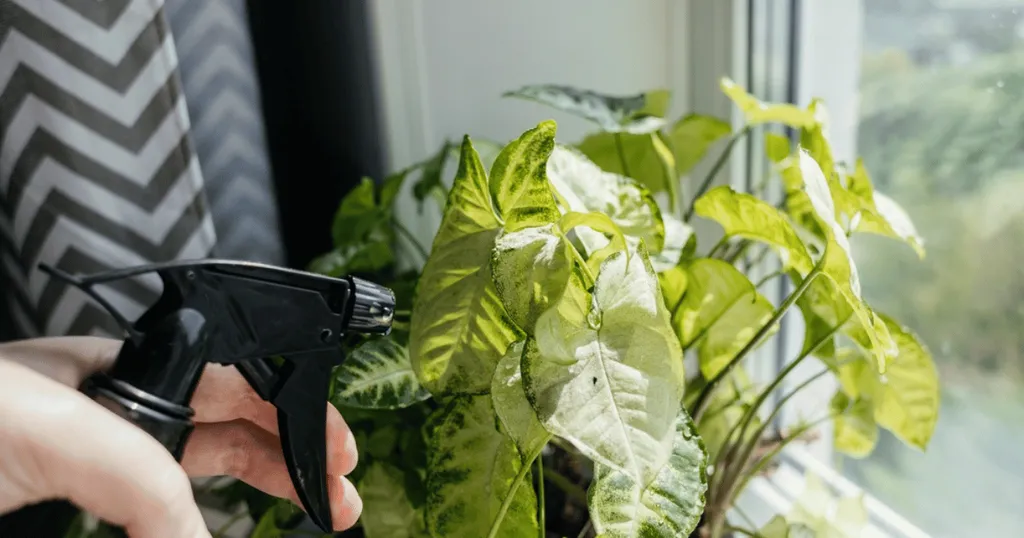
The most frequent error when managing syngonium care in a professional workspace is placing the plant in a location that is either too dark or exposed to harsh, direct sunlight. While these plants are often labeled as low-light tolerant, they perform significantly better in medium to bright indirect light. In an office, this typically translates to a spot near a north or east-facing window, or a few feet away from a south or west-facing window where the sun is filtered through blinds or sheer curtains.
If your office relies primarily on fluorescent or LED lighting, ensure the plant is positioned within a few feet of the light source. If the plant is tucked into a cubicle corner far from windows or overhead lights, you will likely notice the stems becoming leggy and reaching toward the light, while the leaves lose their vibrant color and variegation. If you notice the plant leaning heavily in one direction, rotate the pot a quarter turn every week to encourage balanced growth and prevent the stems from becoming weak or stretched.
Understanding the light requirements of the Arrowhead Vine involves recognizing that variegation – the white or cream patterns on leaves – requires more light than solid green varieties. In low-light office corners, highly variegated Syngoniums may revert to solid green to maximize chlorophyll production, effectively losing their decorative appeal. If you are selecting plants for a dim reception area, choose solid green cultivars, as they are better adapted to lower light levels than their variegated counterparts.
Watering and Soil Management
Watering is where most office managers struggle, often falling into the trap of either over-watering during slow periods or neglecting the plant until the leaves droop. For effective syngonium care, the goal is to keep the soil consistently moist but never waterlogged. You should allow the top inch of soil to dry out completely before adding more water. In an office environment with HVAC systems, the air is frequently dry, which can cause the top layer of soil to dry out faster than you might expect.
Always check the soil moisture with your finger before watering rather than sticking to a rigid calendar schedule. If the soil feels damp, wait another day or two. When you do water, ensure that the container has adequate drainage holes. Never let the pot sit in a saucer of standing water, as this leads to root rot, which is the fastest way to kill an Arrowhead Vine.
Use a well-draining potting mix, ideally one amended with perlite or orchid bark, to ensure that excess water can escape easily. If your office plant is in a decorative pot without drainage, consider keeping it in a plastic nursery liner that you can remove for watering, allowing it to drain fully before placing it back into the decorative container.
A common pitfall in office settings is the use of heavy, moisture-retentive soils that do not breathe. When repotting, avoid standard garden soil, which can compact and suffocate roots. Instead, opt for a high-quality indoor potting mix specifically formulated for aroids. This ensures the root system receives adequate oxygen, which is critical for preventing the anaerobic conditions that lead to root rot. If you notice the soil surface becoming crusty or white due to mineral buildup from tap water, consider flushing the soil with distilled or filtered water occasionally to reset the salt balance.
Humidity, Temperature, and Feeding
Syngoniums originate from tropical regions and naturally prefer higher humidity levels than those typically found in climate-controlled offices. While they can adapt to average office humidity, they will thrive if you can provide a slightly more humid microclimate. If your office is particularly dry, grouping plants together can create a small pocket of higher humidity. Avoid placing your plant directly in the path of cold air vents or near heaters, as these fluctuations in temperature and airflow can cause the leaf edges to brown and crisp.
Regarding temperature, these plants prefer the same range that humans find comfortable, generally between 65 and 80 degrees Fahrenheit. If your office is kept quite cool over the weekends, the plant will likely survive, but growth will slow significantly. Feeding is straightforward during the active growing season, which is typically spring and summer. Use a balanced liquid fertilizer diluted to half strength once a month. During the winter months, when the plant is dormant, you can pause fertilizing entirely to avoid salt buildup in the soil.
The impact of HVAC systems on indoor plant care cannot be overstated. Office air conditioning often strips moisture from the air, leading to low humidity levels that can cause the tips of the Syngonium leaves to turn brown and brittle. If your office environment is consistently below 40% humidity, consider placing the plant on a tray filled with pebbles and water, ensuring the bottom of the pot does not touch the water directly. This simple modification can significantly improve the plant’s appearance by creating a localized humid zone without requiring complex equipment.
Repotting, Pruning, and Propagation
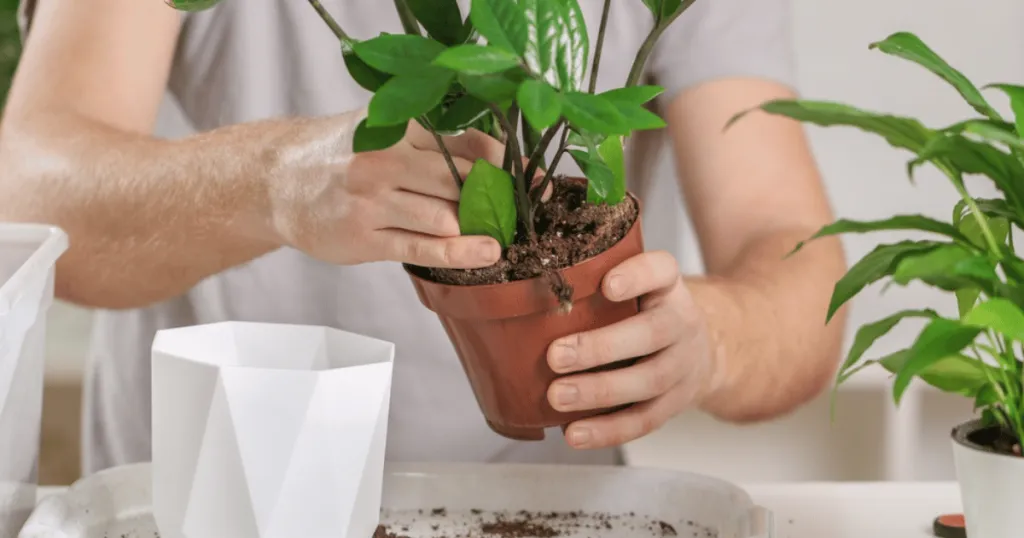
As your syngonium matures, its leaf shape will change, often transitioning from a simple arrowhead shape to a more lobed or complex form. This is a sign of a healthy, thriving plant. If you notice the roots circling the bottom of the pot or growing out of the drainage holes, it is time to repot. Choose a new container that is only one or two inches wider in diameter than the current one. Using a pot that is too large can lead to excess soil staying wet for too long, which increases the risk of root rot.
Pruning is an essential part of long-term syngonium care. Because these plants are trailing vines, they can become unruly if left to grow unchecked. Do not hesitate to trim back long, leggy stems to encourage the plant to branch out and become fuller. You can use clean, sharp scissors to make cuts just above a leaf node. The cuttings you remove are excellent for propagation. Simply place the stems in a glass of water, ensuring that at least one node is submerged, and you will see new roots develop within a few weeks. This is a practical way to replace older, less attractive plants or to expand your greenery without purchasing new ones.
Strategic pruning is also a tool for managing plant size in confined office spaces. If a Syngonium is occupying too much desk real estate, pruning the longest vines back to the base will force the plant to redirect energy into new, compact growth. Always sanitize your pruning shears with rubbing alcohol between plants to prevent the spread of potential pathogens or pests. When propagating, ensure the water is changed weekly to maintain oxygen levels, which helps the cuttings develop healthy, robust root systems before they are transitioned back into soil.
Seasonal Adjustments and Common Mistakes
The biggest challenge in office settings is the lack of seasonal variation. While plants in nature respond to changing light and temperature, office plants exist in a static environment. During the winter, even if your office temperature remains stable, the lower light levels from shorter days mean the plant will need less water. A common mistake is to continue watering on the same schedule year-round, which often leads to root issues in the winter. Scale back your watering frequency during the darker months to match the plant’s slower metabolic rate.
Another common mistake is ignoring the toxicity of the plant. According to the ASPCA, syngonium species contain insoluble calcium oxalate crystals, which are toxic to cats and dogs if chewed or ingested. If your office is pet-friendly or if you are concerned about visitors with pets, place the plant in an area that is inaccessible to animals. If you notice your plant dropping leaves, check for signs of pests like spider mites, which thrive in the dry, stagnant air of many offices. Wiping the leaves down with a damp cloth every few weeks not only keeps the plant looking professional but also helps prevent dust buildup and early pest infestations.
Monitoring for pests is a proactive element of office plant maintenance. Spider mites, in particular, are notorious for colonizing plants in dry, warm offices. They often hide on the undersides of leaves, making them difficult to spot until fine webbing appears. By regularly inspecting the foliage and cleaning the leaves, you can catch infestations early. If you detect pests, isolate the plant immediately to prevent spread to other office greenery. Using a gentle insecticidal soap or a simple mixture of water and mild dish soap can effectively manage minor outbreaks without the need for harsh chemicals in a shared workspace.
Advanced Care Considerations for Office Managers
For office managers overseeing multiple plants, standardizing care protocols is essential. Creating a simple log or digital reminder system can prevent the “too many cooks” scenario where multiple employees water the same plant, leading to accidental overwatering. Assigning a primary caretaker for each plant or zone ensures accountability and consistency in monitoring soil moisture and light exposure. This organizational approach is just as important as the horticultural techniques themselves when maintaining a professional office aesthetic.
Furthermore, consider the long-term growth habit of the Syngonium. As the plant matures, it may want to climb rather than trail. Providing a small moss pole or trellis can support the plant’s natural desire to climb, resulting in larger, more mature leaves. This vertical growth habit is ideal for offices with limited floor or desk space, allowing you to incorporate lush greenery without cluttering work surfaces. By understanding the plant’s growth trajectory, you can make informed decisions about placement and support structures that enhance the office environment for years to come.
Related Syngonium Guides
- everything about the Syngonium
- fixing common Syngonium issues
FAQ
Why are the leaves on my syngonium turning yellow?
Yellowing leaves are usually a sign of overwatering or poor drainage. In an office setting, check if the plant is sitting in standing water. If the soil is constantly soggy, the roots cannot breathe. Allow the top inch of soil to dry out between waterings to resolve the issue.
Does my syngonium need direct sunlight to grow?
No, direct sunlight can actually scorch the leaves of an Arrowhead Vine. It prefers bright, indirect light. In an office, placing it near a window with sheer curtains or a few feet away from a bright light source is ideal for healthy, vibrant growth.
Is it safe to keep a syngonium in an office with pets?
The ASPCA lists syngonium as toxic to cats and dogs due to the presence of calcium oxalate crystals. If your office allows pets, ensure the plant is placed on a high shelf or in an area where animals cannot reach or chew on the foliage.
How do I make my syngonium look fuller?
To encourage a bushier appearance, prune the long, trailing stems back to just above a leaf node. This triggers the plant to produce new growth from the base. You can also propagate the cuttings you remove and plant them back into the same pot to fill in any sparse areas.