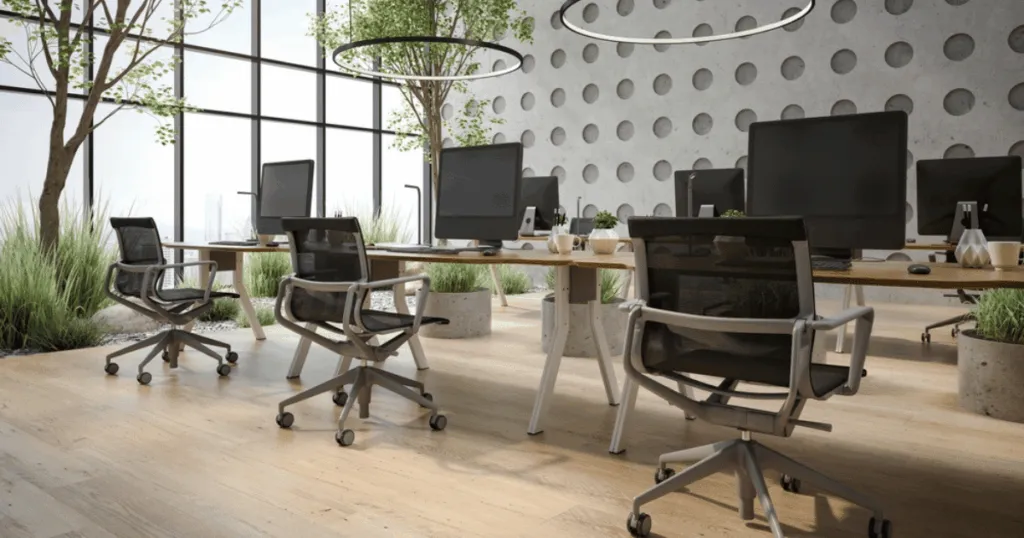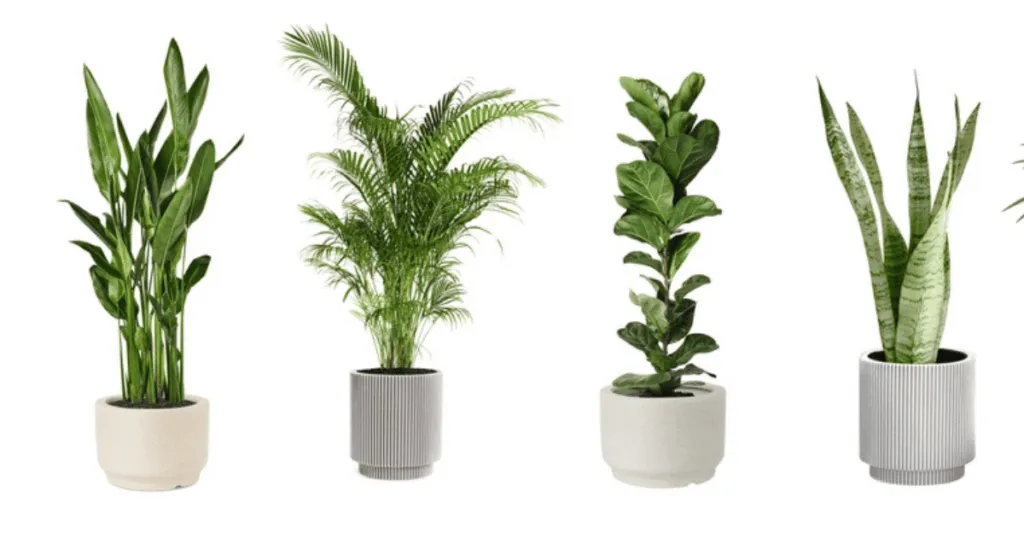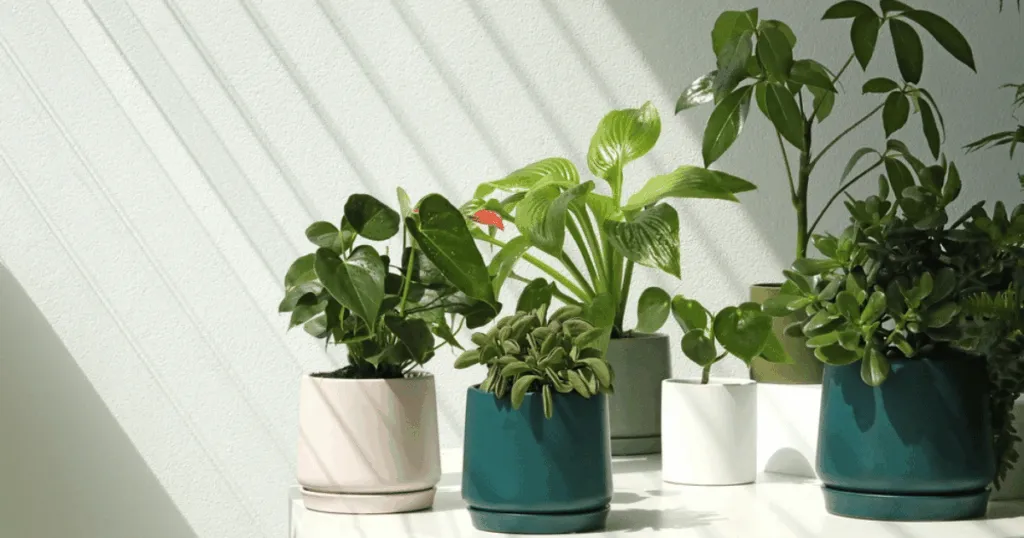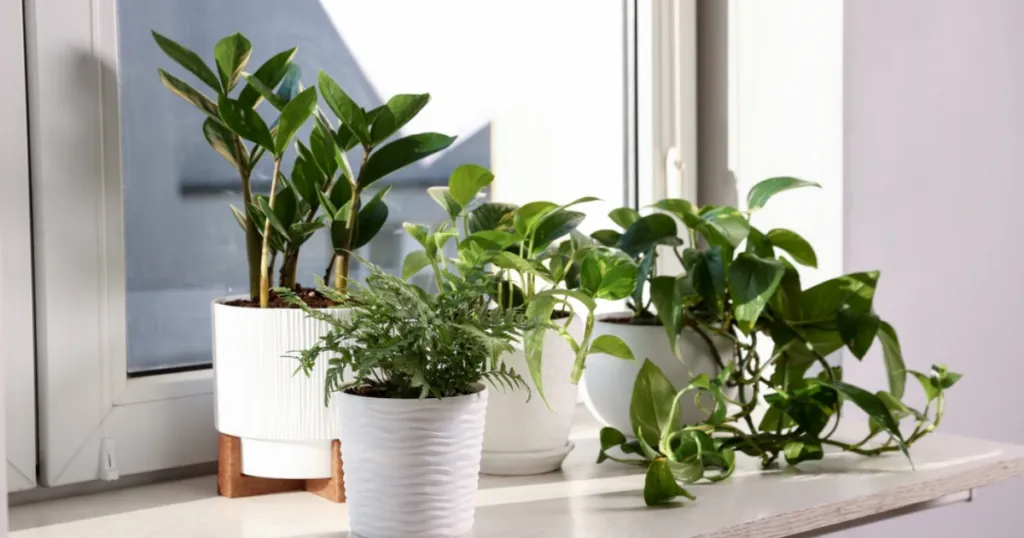
When you place a plant in an office, you are essentially introducing a biological organism into a highly controlled, non-natural environment. Understanding how office plants grow requires looking past the aesthetic appeal and focusing on the physiological processes of photosynthesis, transpiration, and nutrient uptake. Unlike outdoor specimens that benefit from the full spectrum of sunlight and natural airflow, office plants must adapt to the constraints of fluorescent or LED lighting, consistent HVAC-regulated temperatures, and limited air circulation. These factors dictate the pace and health of their development throughout the work week.
Growth in an office setting is rarely about rapid expansion; instead, it is about stability and maintenance. Most indoor plants are tropical or subtropical species that have evolved to grow in the understory of dense forests. This makes them naturally suited for the lower light levels found in modern office buildings. However, they still require a specific balance of light energy and moisture to function. When these conditions are met, the plant can effectively convert energy into new leaves and root structures, even if the progress is slower than what you might observe in a greenhouse or a home garden with southern-facing windows.
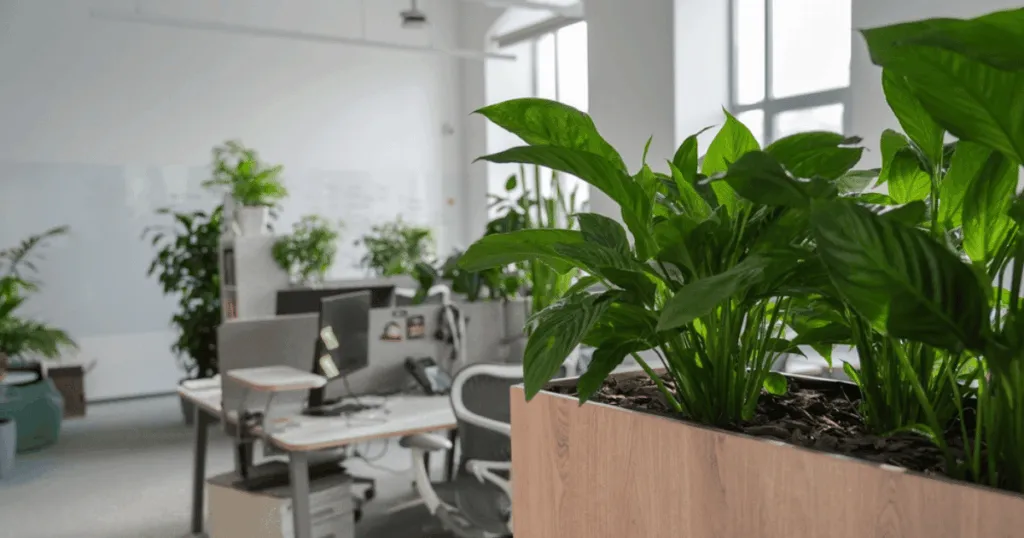
The Biological Requirements for Indoor Growth
At the core of how office plants grow is the process of photosynthesis. In an office, the light source is often the primary limiting factor. Most office lighting is designed for human productivity rather than plant respiration, meaning the light intensity is significantly lower than what a plant would receive outdoors. To compensate, plants in these environments often exhibit slower growth rates, which is actually a benefit for office managers who want to avoid frequent repotting or excessive pruning.
Light Quality and Intensity
Plants rely on specific light wavelengths to trigger growth. While standard LED office lights provide enough energy for maintenance, they may not provide the full spectrum required for blooming or vigorous vegetative growth. If you notice your plants leaning toward a window or stretching out with long, thin stems—a condition known as etiolation—it is a clear sign that the current light intensity is insufficient. In such cases, the plant is struggling to find the energy required to sustain its existing foliage, let alone produce new growth.
Workplace managers should consider the placement of plants relative to task lighting versus ambient overhead lighting. Plants placed directly under task lights may receive a higher concentration of photons, potentially accelerating leaf production, whereas those in dim corners will enter a state of dormancy or slow maintenance.
The Role of HVAC and Humidity
Office environments are characterized by dry air and constant temperatures. While this is comfortable for employees, it can be challenging for plants that thrive in high humidity. Transpiration, the process by which plants release water vapor through their leaves, is accelerated in low-humidity environments. If the plant loses water faster than its root system can pull it from the soil, the tips of the leaves may brown or crisp.
Maintaining a consistent watering schedule is essential, but it must be calibrated to the specific evaporation rates of your office’s climate control system. In practice, this means checking soil moisture more frequently during winter months when heating systems are active, as the forced air significantly lowers ambient humidity levels, forcing the plant to work harder to maintain its internal water pressure.
Practical Factors Influencing Development
Beyond light and air, the physical container and soil medium play a critical role in how office plants grow. In an office, you are often dealing with plants that have been in the same pot for a long time. Over time, the soil structure breaks down, and the nutrients are depleted. This leads to a plateau in growth where the plant survives but does not thrive. Understanding the relationship between root space and leaf production is key to managing your office greenery effectively.
Soil and Nutrient Management
Office plants do not need heavy fertilization. Because their growth is naturally slowed by the light conditions, they do not have the same nutrient demands as a plant in a high-growth outdoor environment. A common mistake is over-fertilizing, which can lead to salt buildup in the soil and root burn. Instead, focus on providing a balanced, water-soluble fertilizer at half-strength during the active growing season, which typically aligns with the warmer months even in climate-controlled buildings.
When selecting a potting medium, prioritize well-draining mixes that prevent compaction. Compacted soil restricts oxygen flow to the roots, which directly inhibits the plant’s ability to uptake water and nutrients, effectively stalling growth regardless of how much light or water is provided.
Root System Constraints
The pot size acts as a physical ceiling for growth. If a plant is root-bound, it will focus all its energy on maintaining its existing root mass rather than producing new leaves. If you notice that your plant requires water more frequently than it did a few months ago, it is likely that the root system has filled the pot, leaving little room for the soil to retain moisture.
This is a primary indicator that it is time to repot, which will provide the necessary space for the plant to resume its growth cycle. For office managers, this is a critical maintenance step: repotting into a slightly larger container with fresh, nutrient-rich soil can revitalize a stagnant plant, providing the physical room needed for root expansion and subsequent foliage development.
Environmental Management and Workplace Wellness
Managing how office plants grow is an exercise in environmental management. Unlike outdoor gardening, where you can amend the soil or wait for the seasons to change, the office environment is static. This stability is a double-edged sword. While it prevents extreme weather damage, it also means that if a plant is placed in a suboptimal location, it will not receive the natural cues to recover. Workplace decision-makers should view plant placement as a long-term commitment. A plant placed in a high-traffic lobby will experience different air currents and temperature fluctuations compared to one in a quiet, private office. These microclimates dictate the specific growth rate of each individual specimen.
The Impact of Air Circulation
Air movement is often overlooked in indoor plant care. While stagnant air can lead to fungal issues, constant, high-velocity air from an HVAC vent can dehydrate a plant rapidly. When air flows over the leaf surface, it strips away the boundary layer of moisture, forcing the plant to increase its rate of transpiration. If the root system cannot keep up, the plant will prioritize survival by dropping older leaves. To manage this, ensure that plants are positioned away from direct airflow paths. If a plant must be near a vent, consider using a baffle or simply choosing a more resilient species that is known for its tolerance to fluctuating environmental conditions.
Seasonal Cycles in Climate-Controlled Spaces
Even in buildings with strict climate control, plants often sense seasonal changes through subtle shifts in light duration and intensity. During the shorter days of winter, even with artificial lights, the overall light budget for the plant decreases. This is the time to reduce watering and cease fertilization. Forcing growth during this period through excessive watering or feeding often leads to weak, spindly stems that are prone to pests. Respecting these natural, albeit muted, cycles is essential for long-term plant health. By aligning your maintenance schedule with these subtle shifts, you support the plant’s natural rhythm, ensuring it remains a vibrant part of the office landscape throughout the year.
Strategic Care for Long-Term Success
To support healthy growth in an office, you must shift your perspective from active gardening to environmental management. The goal is to create a predictable, stable ecosystem where the plant does not have to expend excessive energy adapting to sudden changes. This means avoiding placing plants near vents where they will be blasted with cold or hot air, and ensuring they are not sitting in standing water, which can lead to root rot—a common issue in office settings where watering is often done by rotating staff.
One of the most effective ways to ensure success is to observe the plant’s growth pattern over a period of weeks. If a plant is not producing new leaves, check the light levels first. If the light is adequate, check the soil moisture. If the soil is consistently dry or consistently soggy, you have identified the bottleneck.
By addressing these environmental variables, you allow the plant to focus its limited energy on steady, sustainable growth. Remember that in an office, a slow-growing, healthy plant is always preferable to a fast-growing, leggy, or stressed specimen. By monitoring the plant’s response to its environment, you can make informed adjustments that promote longevity and aesthetic consistency, which are the hallmarks of a well-maintained office greenery program.
FAQ
Why do my office plants grow so slowly compared to home plants?
Office plants often grow slower because of lower light intensity and consistent, dry air from HVAC systems. While home plants may receive direct sunlight, office plants usually rely on artificial light that provides enough energy for maintenance but not for rapid growth. This slower pace is actually beneficial in an office setting, as it reduces the need for frequent pruning and repotting, allowing the plants to remain stable in their designated spots for longer periods.
How does office lighting affect how office plants grow?
Office lighting is designed for human comfort, not plant photosynthesis. While LEDs and fluorescent bulbs provide enough energy to keep a plant alive, they often lack the full spectrum of light required for vigorous growth. If the light is too dim, the plant will prioritize survival over new leaf production. You can observe this by checking for etiolation, where the plant grows long, thin stems while reaching toward the light source, indicating it needs a brighter location.
Does the office HVAC system impact plant development?
Yes, HVAC systems significantly impact how office plants grow by lowering ambient humidity and creating constant air movement. Low humidity increases the rate of transpiration, meaning plants lose water faster than they might in a more humid environment. If the plant cannot pull enough water from the soil to match this loss, the leaves may brown tips may appear on the leaves. To counter this, ensure consistent watering and keep plants away from direct airflow from vents.
What is the most common mistake when managing office plant growth?
The most common mistake is over-fertilizing. Because office plants grow slowly due to limited light, they have lower nutrient requirements than outdoor plants. Over-fertilizing can lead to a buildup of salts in the soil, which can damage roots and cause leaf burn. It is generally better to use a balanced, water-soluble fertilizer at half-strength only during the active growing season, or to rely on high-quality potting mix that provides sufficient nutrients without the need for frequent supplementation.