In the landscape of office greenery, the Hoya stands out as a uniquely resilient and aesthetically distinct option. Unlike fast-growing tropicals that may quickly outgrow a desk or require constant pruning, this genus offers a restrained, elegant presence. Its thick, waxy leaves and tendency to trail make it an excellent candidate for bookshelves, filing cabinet tops, or hanging planters in reception areas where space is at a premium.
- Light: Thrives in bright, indirect office light.
- Watering: Allow soil to dry significantly between waterings.
- Humidity: Adaptable to standard, climate-controlled office humidity.
- Toxicity: Non-toxic to cats and dogs per ASPCA guidelines.
- Maintenance: Slow-growing and tolerant of occasional missed care.
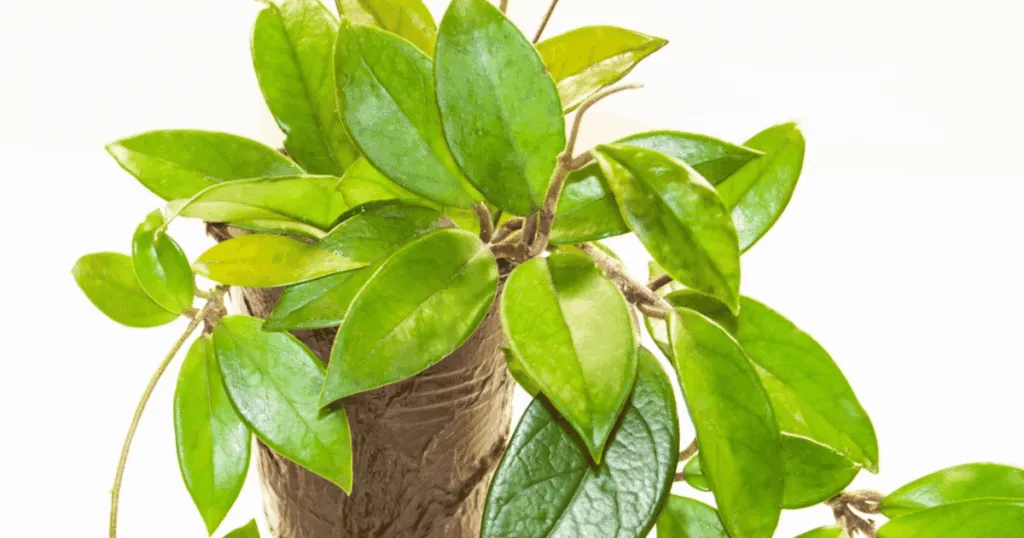
Defining the Hoya in a Professional Setting
What truly sets the Hoya apart for office managers is its semi-succulent nature. While many decorative plants struggle with the inconsistent watering schedules common in busy workplaces, this plant is built for endurance. It does not demand the high-maintenance attention that more delicate indoor foliage requires, making it a practical, long-term investment for meeting rooms or private offices that may go unattended over long weekends or holiday breaks.
Appearance and Growth Habit
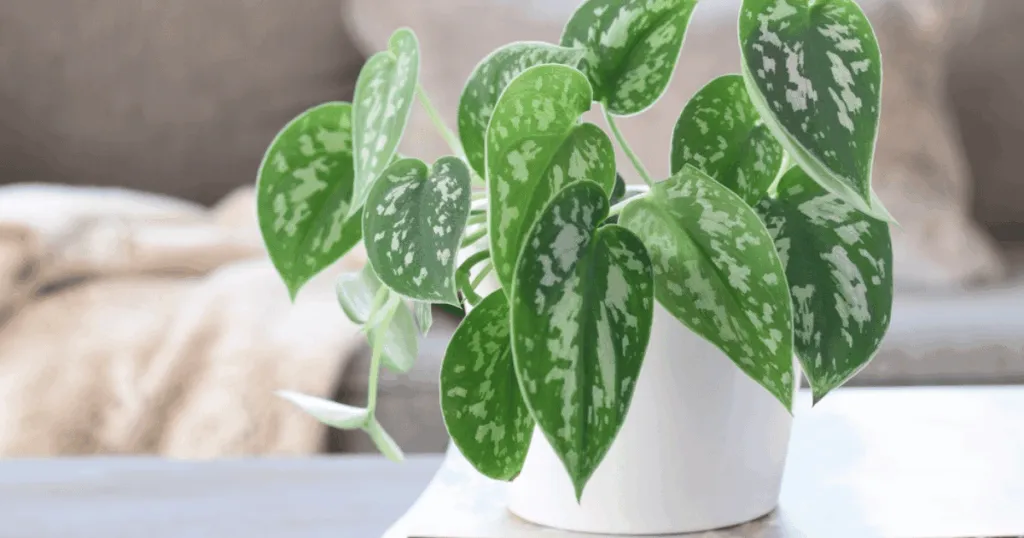
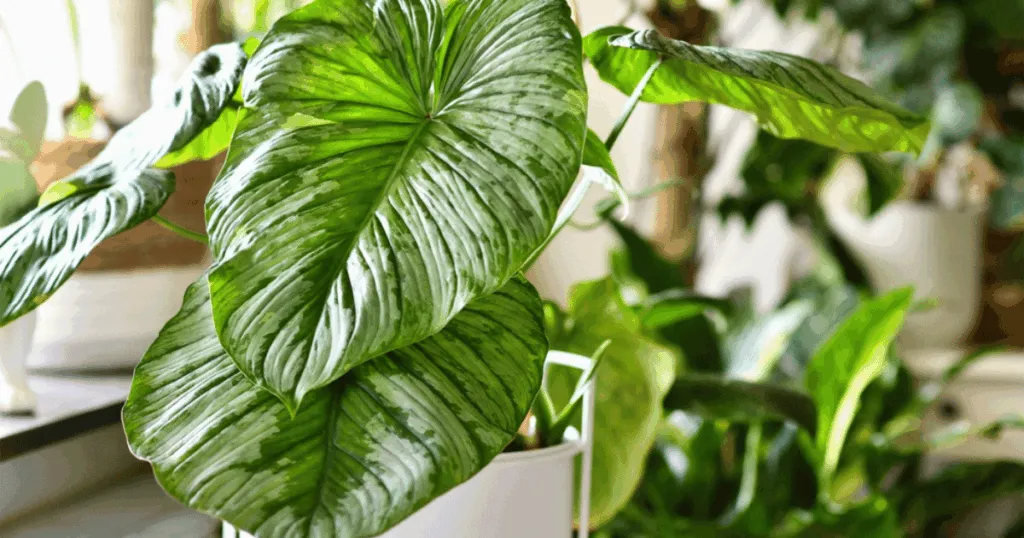
The visual appeal of the Hoya lies in its structural, almost architectural quality. The leaves are typically thick, succulent, and glossy, often featuring intricate veining or variegated patterns depending on the specific cultivar. This waxy texture is not just for show; it is a functional adaptation that helps the plant retain moisture, which is a significant advantage in the dry, HVAC-regulated air of modern office buildings.
Growth habits vary by variety, but most office-appropriate types are vining or trailing. As the plant matures, it develops long, flexible stems that can be trained to climb a small trellis or allowed to spill gracefully over the edge of a container. This versatility allows you to customize the plant’s footprint to fit your specific office layout. Because they are generally slow growers, you won’t find yourself needing to repot them frequently or managing aggressive growth that interferes with workspace functionality.
When provided with optimal conditions—specifically enough light—many varieties are capable of producing clusters of star-shaped, fragrant flowers. While indoor flowering is never guaranteed in an office setting, the lush, year-round foliage provides a consistent professional aesthetic that remains attractive even when the plant is not in bloom.
Care Needs at a Glance
Managing a Hoya in an office environment is straightforward, provided you understand its core requirements. The most critical factor is light. These plants prefer bright, indirect light. In an office, this usually means placing the plant near an east-facing window or a few feet away from a south- or west-facing window where the sun is filtered through blinds. While they can survive in lower light conditions, they will grow even more slowly and are less likely to flower.
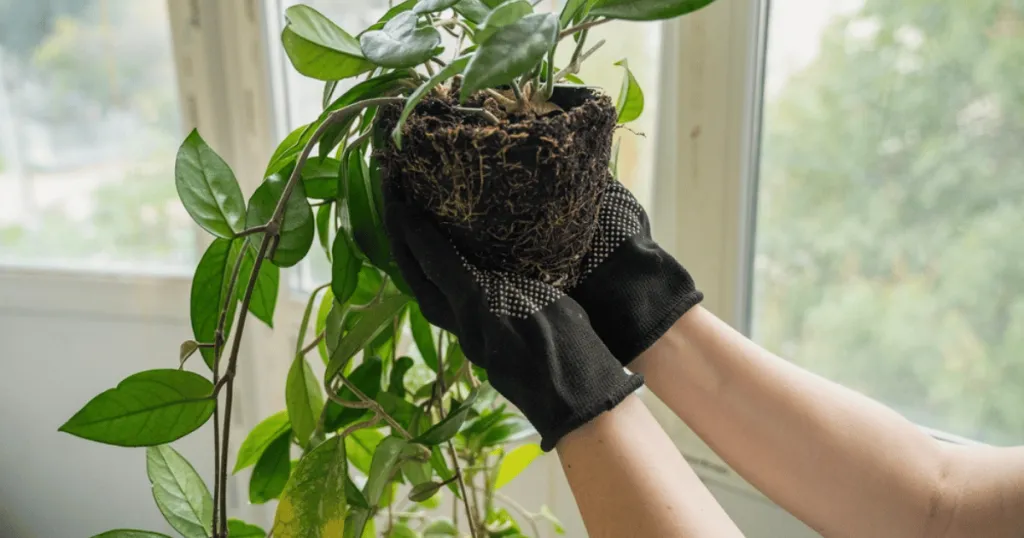
Watering is where most office plants fail, but the Hoya is exceptionally forgiving. Because of their succulent-like leaves, they prefer to dry out between waterings. You should allow the top half of the soil to become completely dry before adding more water. In a climate-controlled office, this might mean watering once every two to three weeks, depending on the ambient temperature and light exposure. Always ensure the pot has adequate drainage holes, as these plants are susceptible to root rot if left sitting in excess water.
Regarding humidity, the Hoya is remarkably adaptable. While they appreciate the higher humidity levels of their native tropical habitats, they are perfectly capable of thriving in the average humidity levels found in most office buildings. You do not need to invest in humidifiers or misting systems to keep these plants healthy, which simplifies the maintenance routine for busy teams.
Office Suitability and Placement Guidance
The Hoya is an ideal candidate for the office because it is not a “fussy” plant. It doesn’t require the constant intervention that ferns or peace lilies often demand. For an open office or a shared workspace, this reliability is a major benefit. You can place a Hoya in a reception area or a conference room with confidence that it will maintain its form without requiring daily attention from a facilities team.
When choosing a location, prioritize spots that receive consistent, natural light. Avoid placing the plant directly in front of air conditioning vents or heaters. The constant stream of forced air can cause the leaves to dry out or drop prematurely, regardless of how well you water the soil. If you have a desk with limited natural light, consider using a small, dedicated LED grow light to supplement the plant’s needs; this is a common and effective strategy for keeping plants healthy in windowless cubicles.
Consider the weight and stability of your chosen container. Because Hoya stems can become long and heavy, a sturdy ceramic or terracotta pot is often better than a lightweight plastic one, as it prevents the plant from tipping over as it grows. If you are placing the plant on a high shelf, ensure the container is secure and that the trailing stems do not obstruct walkways or fire safety equipment.
Safety and Environmental Considerations
A significant advantage of the Hoya is its safety profile. According to the ASPCA, the Hoya genus is non-toxic to both cats and dogs. This makes it an excellent choice for offices that allow pets or for managers who want to ensure their workplace greenery is safe for all visitors. You do not need to worry about the common risks associated with plants that contain calcium oxalate crystals or other irritating compounds found in many other popular indoor species.
However, there are limitations to keep in mind. While they are tolerant, they are not indestructible. Extremely dark corners or areas with zero natural light will eventually lead to a decline in health. If the plant stops growing entirely or the leaves start to look thin and pale, it is a clear signal that the light levels are insufficient. Additionally, while they are drought-tolerant, they are not cacti; they will eventually suffer if left completely dry for extended periods, such as during a month-long shutdown. A simple, consistent check-in schedule is all that is required to keep them thriving.
Transitioning to Detailed Care
While this overview provides the foundational knowledge needed to successfully integrate a Hoya into your office, every environment has its own unique microclimate. Factors like window orientation, local climate, and the specific variety of Hoya you choose can influence long-term care. If you notice signs of stress, such as yellowing leaves or wrinkled foliage, it is usually a sign to adjust your watering or light exposure rather than a cause for alarm.
For those interested in the finer points of cultivation—such as specific soil amendments for better drainage, propagation techniques for expanding your plant collection, or troubleshooting specific pest issues—we recommend consulting our dedicated care and troubleshooting guides. These resources provide deeper technical insights to help you master the nuances of Hoya care, ensuring your office greenery remains a vibrant part of your professional space for years to come.
Related Hoya Guides
- how to care for a Hoya
- fixing common Hoya issues
FAQ
Can a Hoya survive in a windowless office with only fluorescent lighting?
While a Hoya can survive for a time in low light, it will not thrive or grow significantly under standard office fluorescent lights alone. For long-term health in a windowless space, you should supplement with a dedicated LED grow light to provide the intensity it needs.
How often should I fertilize my Hoya in an office setting?
You only need to fertilize during the active growing season, typically spring and summer. Use a balanced, water-soluble fertilizer diluted to half-strength once every month. Avoid fertilizing in the winter months when growth naturally slows down.
Why are the leaves on my Hoya turning yellow?
Yellowing leaves are most commonly a symptom of overwatering or poor drainage. Ensure your pot has drainage holes and that you are allowing the soil to dry out significantly between waterings. If the soil is consistently soggy, the roots may be struggling.