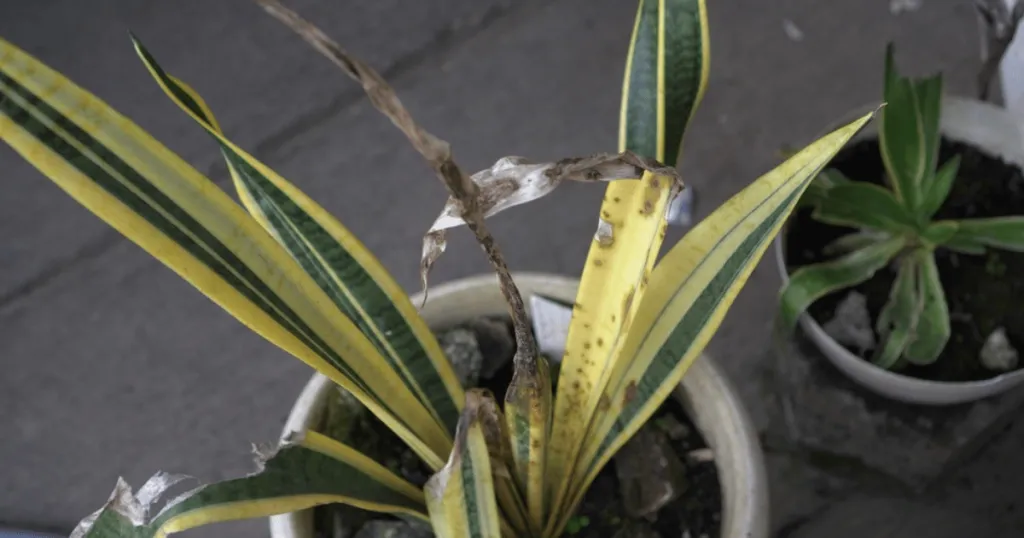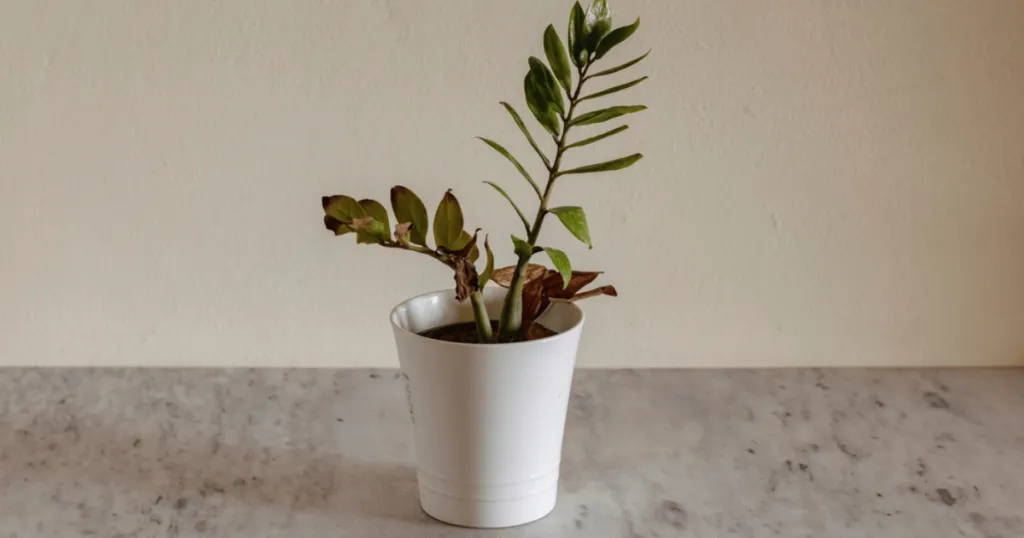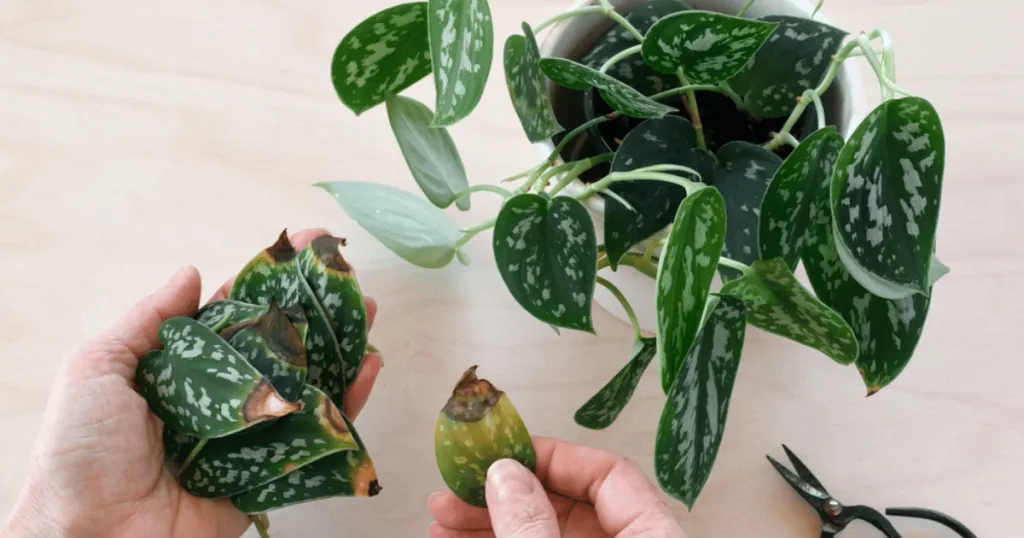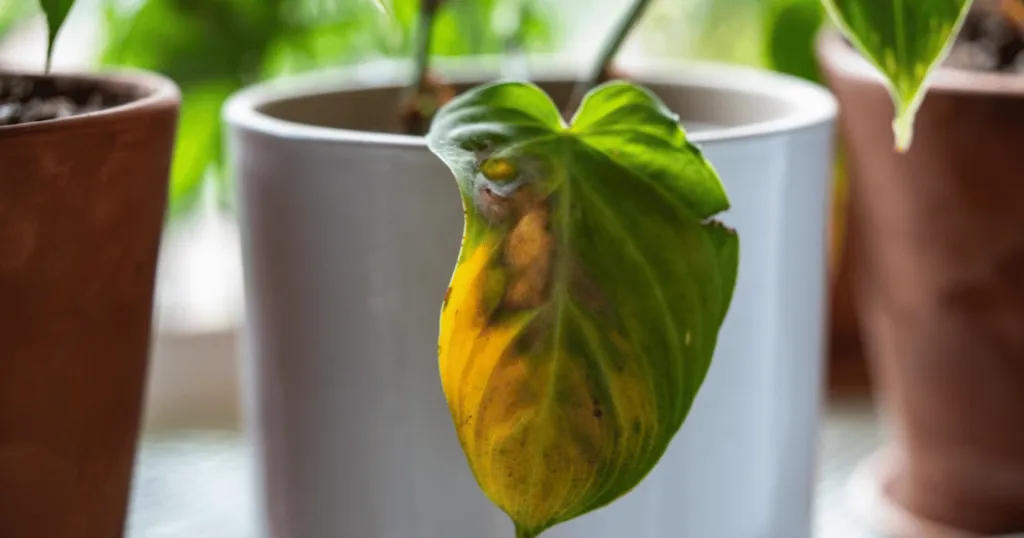
When you notice your Syngonium podophyllum, commonly known as the Arrowhead Plant, looking less than vibrant, the most frequent culprit is inconsistent soil moisture. In an office setting, these plants are often subjected to the extremes of climate control systems, which can rapidly dry out the potting medium or, conversely, lead to waterlogged roots if the drainage is insufficient. Because these plants are highly responsive to their environment, they often communicate stress through visible changes in leaf color or turgor pressure long before the plant reaches a critical state.
Reassurance is key when dealing with these issues. Syngoniums are remarkably resilient and generally bounce back once their environmental needs are met. Most syngonium problems stem from minor lapses in care rather than permanent damage. By observing the specific patterns of leaf discoloration or wilting, you can quickly identify whether your plant is suffering from light deficiency, humidity stress, or a simple watering imbalance.
Bottom Line
Most syngonium problems are caused by improper soil moisture levels. If the leaves are wilting, check the soil immediately. If the soil is bone dry, water thoroughly. If the soil is soggy, you must address drainage issues, as constant moisture leads to root rot.
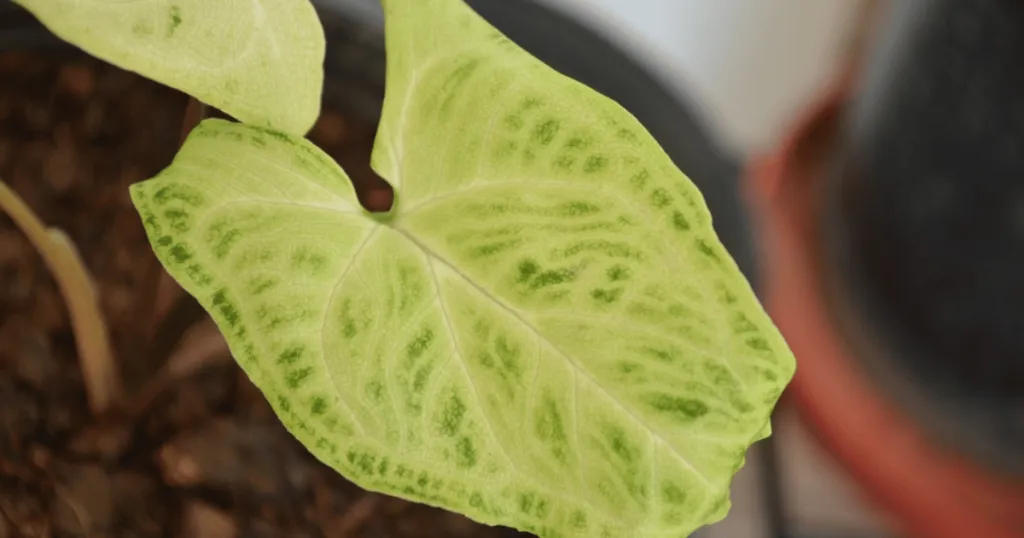
Quick Checks for Plant Stress
Before assuming the worst, perform a brief diagnostic check on your plant. Start by inspecting the top inch of the soil. If it feels dry to the touch, the plant likely needs a drink. If the soil is damp but the leaves are drooping, the plant may be experiencing root suffocation from poor drainage or a container that lacks holes. Verify the light levels in your office; while these plants tolerate medium light, they often show signs of stress if placed in deep, windowless corners or under harsh, direct sun that scorches the foliage.
Check the underside of the leaves for pests. Spider mites are common in dry, climate-controlled offices and often appear as fine webbing or tiny stippling on the leaves. If you see pests, isolate the plant immediately to prevent them from spreading to other greenery in your workspace. A simple wipe-down with a damp cloth or a mild horticultural soap usually resolves early-stage infestations. Avoid harsh chemicals in a shared office space.
Addressing Yellowing and Browning Leaves
Yellowing leaves on a Syngonium often indicate overwatering or poor drainage. In an office, it is easy to fall into a routine of watering on a set day regardless of whether the plant actually needs it. If the lower leaves turn yellow and feel soft, the plant is likely sitting in stagnant water. To fix this, ensure your pot has adequate drainage holes and never leave the plant sitting in a saucer full of water. If you find the soil remains wet for days, consider repotting into a well-draining mix that includes perlite or orchid bark to improve aeration.
Browning leaf tips, on the other hand, usually point to low humidity or inconsistent watering. Office buildings often have very low humidity due to constant HVAC operation. If the tips of your Arrowhead Plant are crispy and brown, the plant is struggling to transpire properly. You can increase the ambient humidity by grouping plants together or placing the pot on a tray filled with pebbles and water, ensuring the bottom of the pot does not touch the water itself. Avoid misting the leaves, as this provides only temporary relief and can encourage fungal issues on the foliage.
Managing Growth and Structural Changes
As Syngoniums mature, their leaf shape changes from a classic arrowhead to a more lobed, mature form. Sometimes, office managers mistake this natural development for a sign of illness. If your plant is producing smaller, paler leaves, it is likely reaching for more light. Move the plant closer to a window with bright, indirect light. If the plant becomes leggy or sparse, it is a sign that it is not receiving enough light to support its growth rate. Pruning is an effective way to manage this; do not be afraid to trim back long, straggling stems to encourage a bushier, more compact growth habit.
If the plant stops growing entirely, check the root system. It may have become root-bound, meaning the roots have filled the pot so completely that there is no room for new growth or nutrient absorption. Gently slide the plant out of its pot to inspect the roots. If they are circling the bottom tightly, it is time to move the plant to a container one size larger. Always use fresh, high-quality potting soil to replenish nutrients that the plant has depleted over time.
Preventing Future Issues
Prevention is the best strategy for maintaining healthy office plants. Establish a consistent check-in schedule, but base your actions on the needs of the plant rather than a calendar. Use the finger-test method: if the top inch of soil is dry, it is time to water. If it is still damp, wait another day or two. This simple habit prevents the vast majority of watering-related syngonium problems.
Be mindful of the location. Avoid placing your plant directly in the path of air vents or heaters, as the constant airflow will dry out the leaves and cause premature browning. Keep the plant away from cold drafts near entryways. Finally, remember that Syngoniums contain calcium oxalate crystals, which can be irritating if ingested. According to ASPCA guidance on toxic plants, these are harmful to cats and dogs. In an office, ensure the plant is placed in an area where pets or curious individuals are unlikely to chew on the foliage.
Advanced Troubleshooting and Care
If you have addressed watering, light, and humidity but the plant still struggles, look at the water quality. Some plants are sensitive to the high mineral content or chlorine found in tap water. If you notice persistent browning or stunted growth, try using filtered or distilled water for a few weeks to see if the plant recovers. Additionally, ensure you are not over-fertilizing. In an office, plants grow more slowly than in a greenhouse, so they require less fertilizer. Use a balanced, water-soluble fertilizer at half-strength only during the active growing season, which is typically spring and summer.
If you encounter root rot, which manifests as mushy, dark roots and a foul smell, you must act decisively. Remove the plant from the pot, trim away all affected, decaying roots with sterilized shears, and repot the plant into clean, dry soil. This is a drastic measure, but it is often the only way to save a plant that has been severely overwatered. By maintaining a clean, well-draining environment, you can ensure your Syngonium remains a vibrant part of your office decor for years to come.
Understanding Environmental Stressors in the Workplace
Office environments present unique challenges that differ significantly from residential settings. Fluorescent lighting, while sufficient for some plants, often lacks the full spectrum required for optimal Syngonium growth. When a plant is placed in a cubicle far from natural light, it enters a state of metabolic conservation. This means it requires less water than a plant in a bright window. A common mistake is maintaining a watering schedule that ignores these light-based metabolic differences. If your plant is in a low-light area, the soil will stay wet longer. Adjusting your care to the specific light intensity of the plant’s location is a fundamental aspect of successful office plant maintenance.
Furthermore, the constant cycling of HVAC systems creates a “micro-climate” that can be detrimental. Air conditioning units often pull moisture out of the air, leading to rapid transpiration from the leaves. This is why you might see drooping leaves even when the soil feels moist. The plant is losing water through its leaves faster than its roots can absorb it from the soil. In such cases, moving the plant away from the direct path of the air vent is more effective than increasing the frequency of watering, which could lead to root rot.
The Role of Soil Aeration and Root Health
Root health is the foundation of foliage health. In many office settings, plants are kept in the plastic nursery pots they arrived in, often placed inside decorative cachepots. While this is aesthetically pleasing, it can lead to poor soil aeration if the decorative pot does not allow for proper drainage. Without oxygen reaching the root zone, the roots cannot perform cellular respiration, leading to the yellowing leaves and stunted growth often misidentified as a nutrient deficiency. Using a high-quality potting mix amended with perlite or pumice ensures that even if the plant is watered slightly too much, the excess moisture can drain away, and air pockets remain available for the roots.
If you suspect your plant is suffering from poor aeration, look for signs of compaction. If the soil surface has become hard and crusty, or if water pools on the surface for a long time before soaking in, the soil has likely lost its structure. Gently aerating the top few inches of soil with a chopstick or small tool can help, but if the issue persists, repotting into a fresh, airy substrate is the best long-term solution. This simple act of refreshing the root environment can often revitalize a struggling Syngonium within a few weeks.
Seasonal Adjustments for Office Plants
Even in climate-controlled offices, plants perceive the change in seasons through subtle shifts in light duration and intensity. During the winter months, when the sun is lower and days are shorter, your Syngonium will naturally slow its growth. This is the time to reduce watering frequency significantly. Many office managers make the mistake of keeping the same watering routine year-round, which is a primary cause of winter-time root rot. During the active growing season of spring and summer, the plant will be more thirsty and may benefit from a diluted liquid fertilizer. By syncing your care routine with the plant’s natural growth cycle, you minimize the risk of environmental stress and ensure the plant remains robust throughout the year.
Related Syngonium Guides
FAQ
Why are my Syngonium leaves turning yellow?
Yellowing leaves on a Syngonium are most commonly a sign of overwatering or poor drainage. When the soil stays saturated, the roots cannot breathe, leading to the yellowing of lower leaves. Ensure your pot has drainage holes and allow the top inch of soil to dry out before watering again.
How can I tell if my Syngonium needs more light?
If your Syngonium is producing smaller, paler leaves or becoming leggy with large gaps between the leaves, it is likely not receiving enough light. While they tolerate medium light, they perform best in bright, indirect light. Move the plant closer to a window to encourage fuller, healthier growth.
Are Syngonium plants safe for office pets?
No, Syngoniums are not safe for pets. According to the ASPCA, they contain calcium oxalate crystals that can cause irritation, swelling, and difficulty swallowing if ingested by cats or dogs. Keep them in areas inaccessible to pets.
What should I do if my plant has brown, crispy leaf tips?
Brown, crispy tips are usually caused by low humidity or inconsistent watering. Office environments are often dry due to HVAC systems. You can increase humidity by grouping plants together or using a pebble tray with water. Ensure the plant is watered consistently once the top inch of soil is dry.