When your Ficus elastica begins to show signs of distress, it is easy to assume the worst. Many office managers immediately suspect a lack of light or a need for fertilizer, but these are rarely the primary culprits. In most office environments, the most common rubber plant problems stem from subtle shifts in watering habits or the sudden impact of HVAC airflow on the plant’s foliage. Before you move the plant to a brighter window or reach for a bottle of plant food, take a moment to assess the soil moisture and the immediate surroundings.
Rubber plants are resilient, but they do not tolerate rapid changes in their environment. If you notice your plant struggling, the most likely cause is an inconsistent watering schedule that leaves the roots either waterlogged or completely parched. By ruling out these moisture-related issues first, you can often save your plant without needing to repot or introduce chemical treatments.
What This Means
This means your plant is signaling a mismatch between its current environment and its biological needs. Your immediate next step is to check the top two inches of soil. If it is soggy, stop watering; if it is bone-dry and pulling away from the pot, perform a deep, thorough soak.
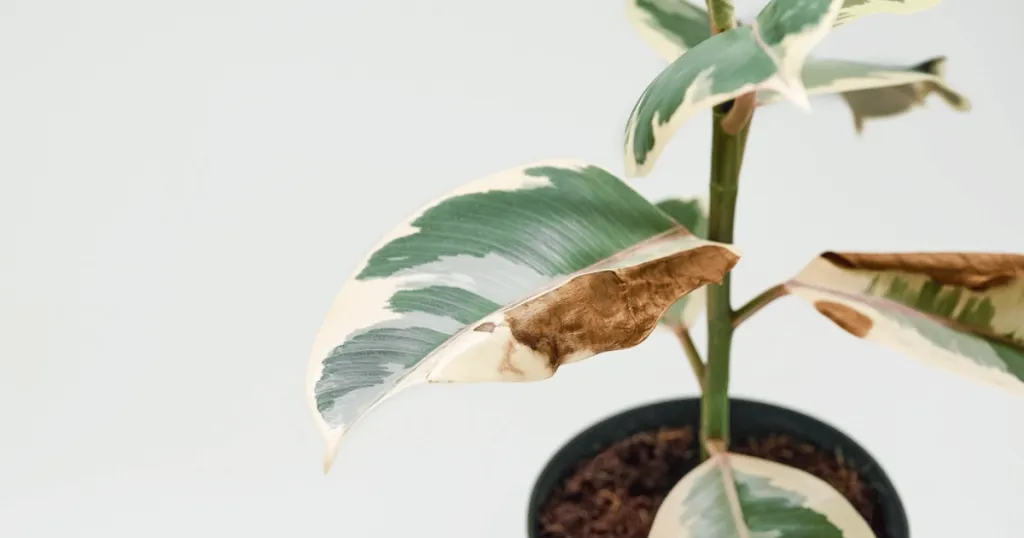
Symptom-Based Troubleshooting
Understanding the specific signs your plant is giving you is the fastest way to resolve rubber plant problems. Use this guide to match your observations with the most likely underlying issue.
| Symptom | Likely Cause | Immediate Action |
|---|---|---|
| Lower leaves yellowing and dropping | Overwatering | Check soil moisture; allow to dry out |
| Crispy, brown leaf edges | Low humidity or heat stress | Move away from HVAC vents |
| Drooping or wilted foliage | Underwatering | Deep soak until water drains |
| Stalled growth | Insufficient light | Move to a brighter, indirect spot |
| Sticky residue on leaves | Pests (scale or aphids) | Wipe with damp cloth or neem oil |
Addressing Leaf Drop and Yellowing
Yellowing leaves are the most frequent complaint in office settings. While it is natural for the oldest, lowest leaves to drop as the plant matures, a sudden cascade of yellowing indicates that the root system is struggling. In an office, this is almost always due to overwatering. Because office plants are often cared for by multiple people, they may be receiving double the water they actually need. If the soil remains damp for more than a week, the roots cannot breathe, leading to root rot. To fix this, ensure the pot has adequate drainage holes and commit to a schedule where only one person is responsible for checking the soil moisture.
Beyond simple overwatering, consider the “weekend effect.” In many offices, plants are watered on Fridays by one person and again on Mondays by another. This creates a cycle of saturation that never allows the soil to reach the necessary dry-down phase. If you suspect this is happening, place a small sign or a “last watered” tag on the pot to coordinate care. Furthermore, if the yellowing is accompanied by soft, mushy stems, this is a clear indicator of advanced root rot, which may require you to unpot the plant, trim away dead, blackened roots, and repot into fresh, sterile, well-draining soil.
Managing Brown, Crispy Edges
If the leaves are turning brown and crispy, especially at the tips, the plant is likely suffering from dry air or proximity to a heating vent. Office HVAC systems are notorious for stripping moisture from the air. While Ficus elastica is generally tolerant of average room humidity, it cannot handle constant, direct blasts of hot air. Move the plant to a more stable location away from vents, radiators, or drafty doorways. If the plant is near a window, ensure it is not touching the glass, as temperature fluctuations can also cause this browning effect.
In practice, office humidity often drops significantly during winter months when heating systems are running at full capacity. If you cannot move the plant, consider grouping it with other foliage plants. This creates a microclimate where transpiration from multiple plants raises the local humidity levels, providing a buffer against the dry office air. Avoid misting the leaves, as this is largely ineffective in large, ventilated office spaces and can occasionally encourage fungal issues if the water sits on the foliage for too long.
Advanced Care and Long-Term Recovery
If you have addressed the watering and placement but the plant still fails to thrive, you may need to look at the root health or soil quality. Sometimes, a plant that has been in the same pot for years becomes root-bound, meaning the roots have filled the container and can no longer absorb water or nutrients effectively. If you see roots circling the bottom of the pot or growing out of the drainage holes, it is time to repot. Use a well-draining potting mix and move to a container only one or two inches larger than the current one. Avoid the temptation to use a massive pot, as this increases the risk of soil staying wet for too long.
When selecting a new pot, prioritize functionality over aesthetics. A decorative pot without drainage holes is a common trap in office design. If you must use a decorative cachepot, ensure the plant is actually housed in a plastic nursery liner with drainage holes. This allows you to remove the liner, water the plant in a sink, let it drain completely, and then return it to the decorative container. This simple workflow prevents the “hidden puddle” syndrome where the plant sits in stagnant water for days, a leading cause of root rot in rubber plants.
Another advanced issue involves pest management. Even in clean office environments, pests like scale or spider mites can hitch a ride on clothing or other plants. Scale often appears as small, brown, bump-like protrusions on the stems or undersides of leaves. If you spot these, wipe them off with a soft cloth dipped in mild soapy water or horticultural oil.
Consistency is key here. Because these pests have life cycles that include eggs, you must repeat the cleaning process every week for a month to ensure you have caught all generations. Spider mites, conversely, are often invisible to the naked eye but leave fine webbing between leaves. They thrive in the dry, warm conditions of an office, so regular leaf wiping is your best defense.
Prevention Habits for Office Success
Preventing rubber plant problems is far easier than fixing them. The most effective habit is to treat the plant as an individual rather than a decorative object. Assign one person to be the primary plant monitor. This person should use the finger test: before adding any water, insert a finger two inches into the soil. If it feels damp, do not water. If it feels dry, provide enough water so that it flows out of the drainage holes, then discard any excess water sitting in the saucer. Never let the plant sit in standing water, as this is the fastest way to invite root rot.
Light is the other pillar of prevention. While these plants can survive in lower light, they will grow slowly and become leggy if they are not getting enough energy. If you notice the plant leaning heavily toward a light source, rotate it a quarter turn every time you water to ensure even growth. Finally, keep the leaves clean. Dust buildup in an office environment can block sunlight and reduce the plant’s ability to photosynthesize. Wipe the leaves with a damp cloth every few weeks to keep them healthy and vibrant.
Consider the placement of your rubber plant in relation to office traffic. These plants are sturdy, but they do not like being brushed against by people walking by or having their leaves bent by office chairs. A high-traffic area might seem like a good place for a focal point, but it can lead to mechanical damage on the foliage. If the plant is in a busy hallway or near a meeting room door, ensure it has enough clearance. If a leaf is damaged, it will not heal; it will eventually turn brown and fall off. While this is not a sign of disease, it is a sign of environmental stress that can be easily avoided with better placement.
Remember that the latex sap inside the plant is an irritant. According to the ASPCA, Ficus elastica is considered toxic to cats and dogs if ingested, and the sap can cause skin irritation in sensitive individuals. When pruning or cleaning the plant, it is a good practice to wear gloves and keep the plant in a location where employees or pets are unlikely to chew on the foliage. If you are pruning the plant to encourage bushier growth, be aware that the milky white sap will bleed from the cut. Wipe this away immediately to prevent it from staining office furniture or flooring.
By maintaining these simple, consistent habits, you can avoid the most common rubber plant problems and enjoy a healthy, thriving plant that contributes to a better office atmosphere for years to come. Focus on the long-term health of the plant by prioritizing consistent light, proper drainage, and a single point of responsibility for care. These small adjustments will pay dividends in the form of lush, dark, and glossy foliage that enhances any workspace.
Related Rubber Plant Guides
FAQ
Why are my rubber plant leaves drooping even though I water it regularly?
Drooping is often a sign of root rot caused by overwatering. If the soil is constantly wet, the roots cannot take up oxygen, which mimics the symptoms of dehydration. Check the soil moisture; if it is soggy, allow it to dry out completely before watering again.
How do I know if my rubber plant needs more light?
A rubber plant that is not getting enough light will exhibit slow growth, large gaps between leaves, and a tendency to lean aggressively toward the nearest light source. If you notice these signs, move the plant to a spot with brighter, indirect light.
Is it normal for the bottom leaves of my rubber plant to fall off?
It is normal for the oldest, lowest leaves to yellow and drop as the plant grows taller. However, if multiple leaves are falling off at once or if the yellowing is moving up the stem, it is likely a sign of environmental stress, such as inconsistent watering or a sudden change in temperature.
What should I do if I see sticky sap on the leaves?
Sticky residue is often a sign of pests like scale or aphids. These insects excrete a substance called honeydew. Inspect the undersides of the leaves and the stems for small bumps or tiny insects, and clean the foliage with a damp cloth and mild soapy water to remove them.