Affiliate Disclosure: As an Amazon Associate, I earn from qualifying purchases.
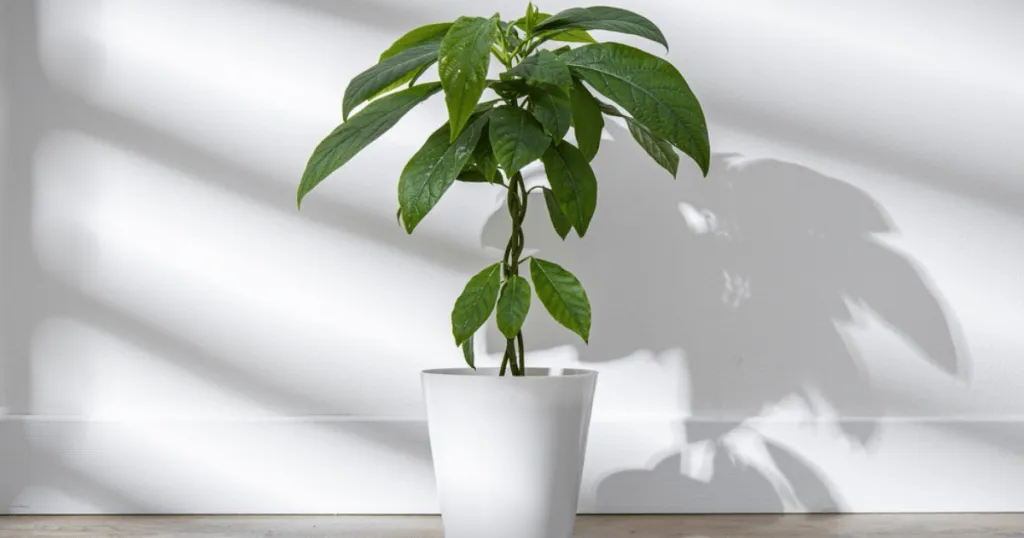
When selecting greenery for a professional workspace, many managers mistakenly assume that any plant labeled as an indoor variety will thrive in their specific environment. The most common disqualifier for office plants is the misunderstanding of light intensity. Many plants that survive in home environments struggle in offices because they are placed in “dead zones”-areas with no windows or deep within the building’s core where light levels are insufficient for photosynthesis. A plant that is truly suitable for an office must be able to maintain its health under consistent, artificial light or the muted, filtered light found in typical office layouts.
What You Need to Know
- Indirect light is bright but never touches the plant directly.
- Avoid dark corners; even low-light plants need some ambient illumination.
- Check soil moisture before watering to prevent root rot.
- Rotate pots occasionally for even growth in unidirectional light.
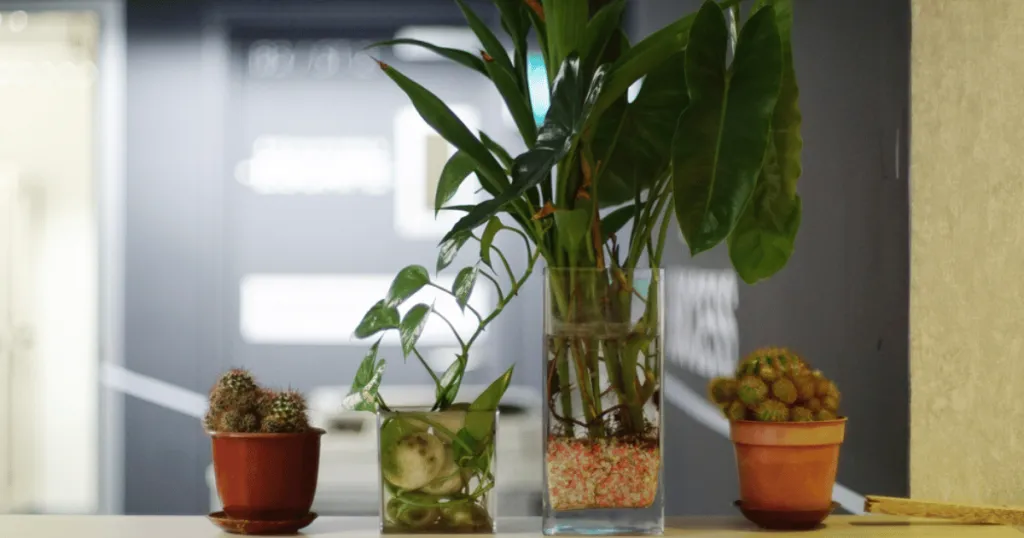
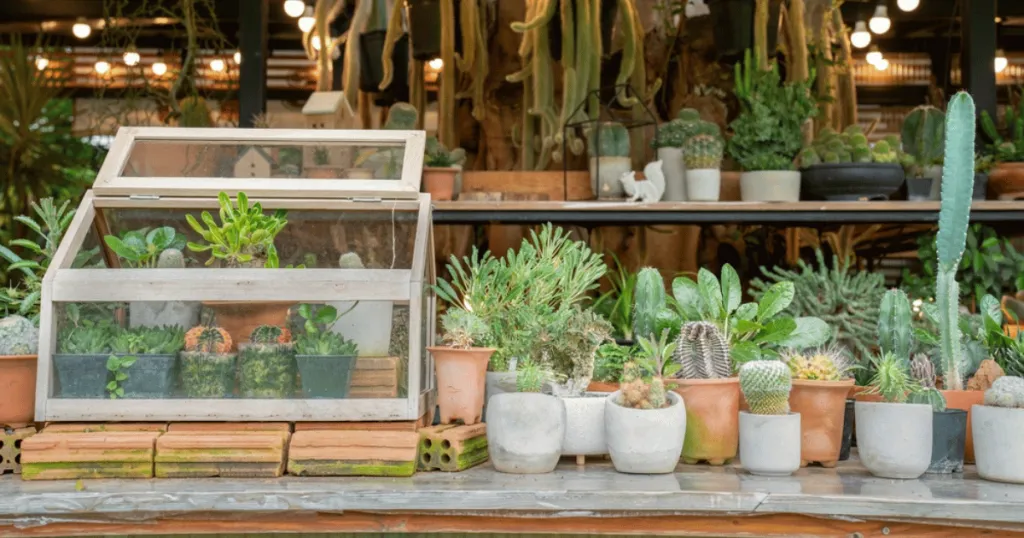
The best office plants for indirect sunlight are those that have evolved to grow beneath a forest canopy, meaning they are adapted to filtered, non-direct rays. In an office, this translates to spots near windows with sheer curtains, areas with high-output LED or fluorescent lighting, or open-plan spaces where ambient light is plentiful. Choosing plants that require direct, scorching sun-such as many succulents or desert cacti-is a frequent mistake that leads to leggy, weak growth and eventual plant failure. By prioritizing species that naturally prefer indirect exposure, you ensure a more resilient, aesthetically pleasing workspace.
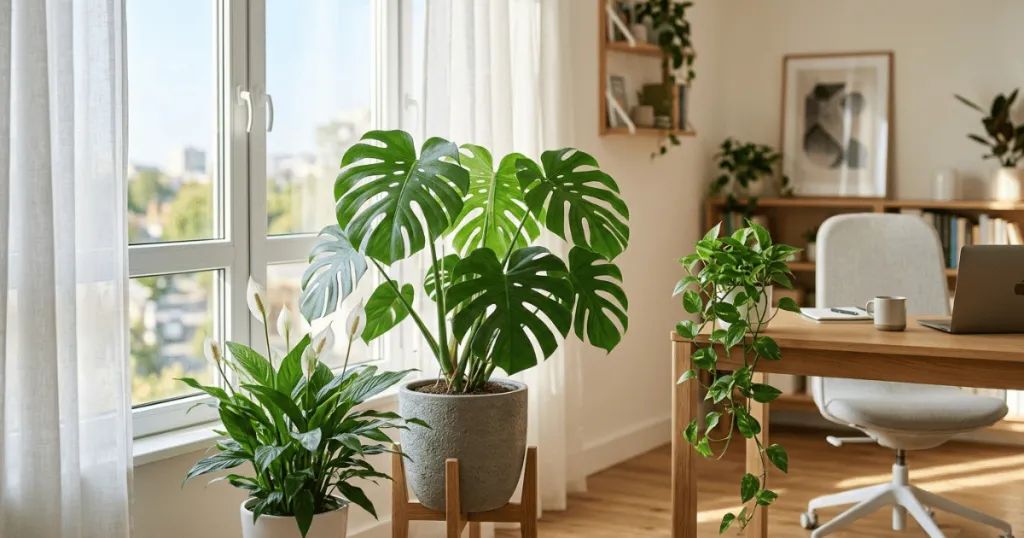
Criteria for Selection
To identify the most reliable office plants, we focus on three primary metrics: light adaptability, maintenance threshold, and structural suitability for professional settings. A plant that requires daily misting or precise temperature control is rarely a sustainable choice for a busy office where HVAC systems create dry, fluctuating conditions. We prioritize plants that tolerate lower humidity, resist common office pests, and provide a polished, architectural look without requiring constant pruning or specialized care.
We also evaluate each plant based on its resilience to the “weekend effect,” where plants go days without attention. The selected species below are chosen for their ability to thrive in standard office conditions, ranging from lobby reception areas to individual cubicle desks.
Snake Plant
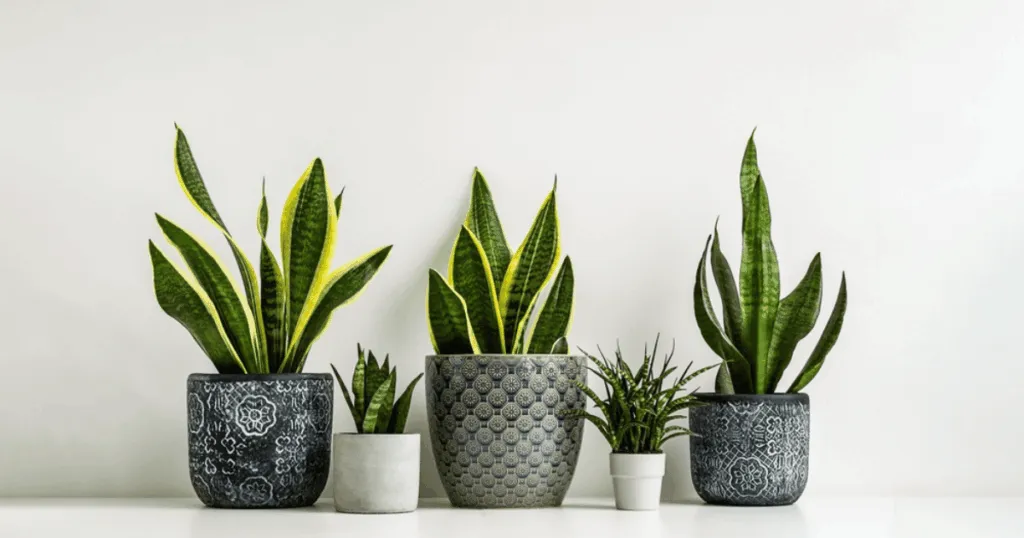
The Snake Plant is arguably the gold standard for office environments. Its upright, sword-like foliage adds height and architectural interest to corners or narrow spaces. It is exceptionally forgiving of irregular watering schedules and thrives in the medium to bright indirect light typically found near office windows. Because it is highly drought-tolerant, it is the ideal choice for offices where staff may forget to water for extended periods. Note that while it handles low light, it will grow more robustly in brighter indirect spots.
ZZ Plant
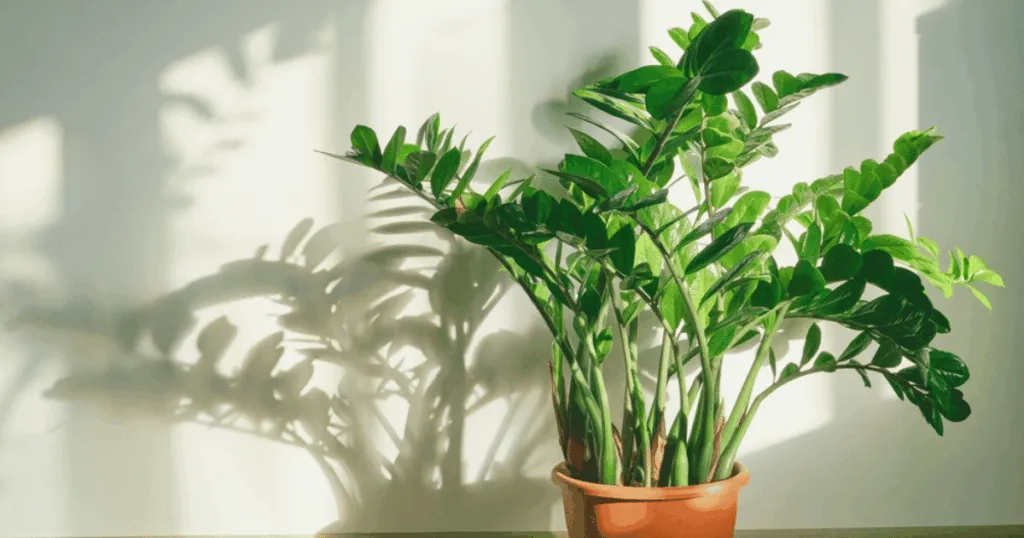
If you need a plant that can handle the dimmest corners of a meeting room, the ZZ Plant is your best candidate. It features waxy, deep green leaves that reflect ambient light, making it look vibrant even in spaces with minimal natural exposure. It is incredibly resistant to neglect and pests, making it a low-stress addition to any professional desk or lobby. Its rhizomes store water, allowing it to survive long stretches of office closures.
Pothos
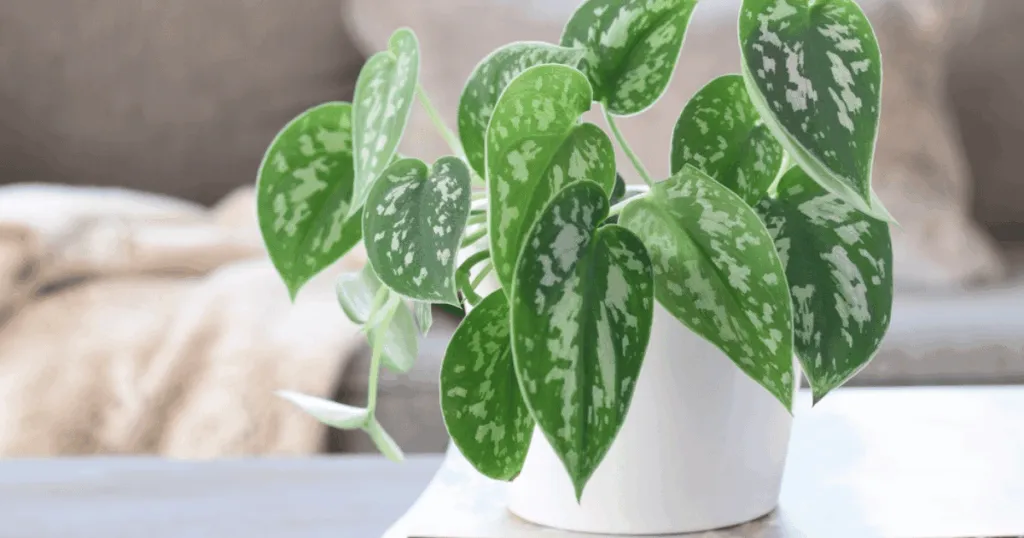
Pothos is a versatile trailing vine that works exceptionally well on high shelving or in hanging planters. It is one of the most adaptable plants available, capable of growing in a wide range of light conditions. While it prefers bright indirect light, it will maintain its foliage density even in lower-light office settings, making it a reliable choice for softening the hard lines of cubicle partitions. It is toxic if ingested, so keep it out of reach of office pets.
Chinese Evergreen
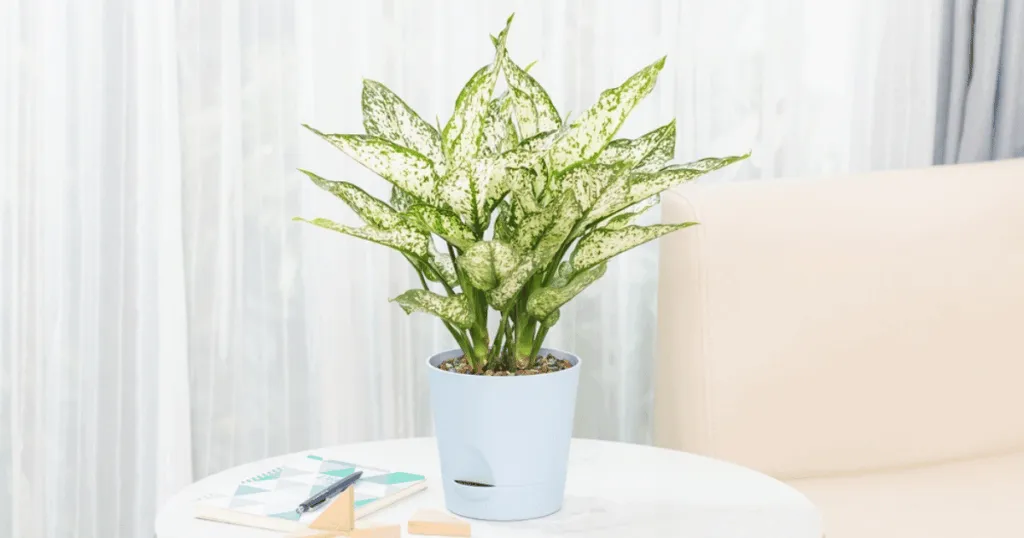
For those looking to add a splash of color beyond standard green, the Chinese Evergreen offers a variety of cultivars with silver, pink, or red variegation. These plants are compact and slow-growing, which is ideal for desk surfaces where space is at a premium. They are highly tolerant of the fluorescent lighting found in most office interiors and prefer to have the top inch of soil dry out between waterings.
Cast Iron Plant
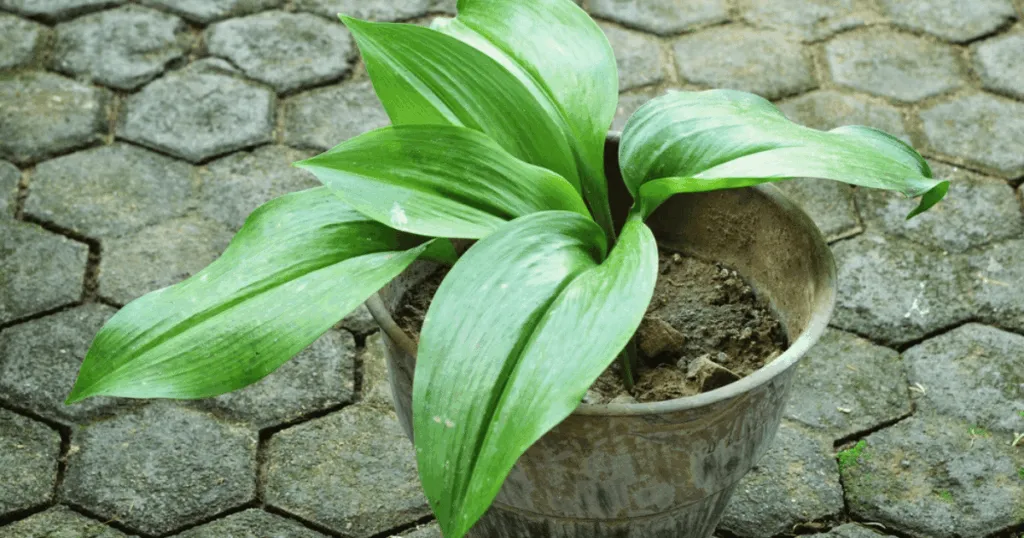
True to its name, the Cast Iron Plant is nearly indestructible. It is an excellent choice for high-traffic areas where plants might be bumped or ignored for weeks. It prefers indirect light and is remarkably patient with the dry air common in HVAC-controlled buildings. Its dark, leathery leaves provide a sophisticated, classic look that fits well in formal reception areas, and it is non-toxic to pets.
Parlor Palm
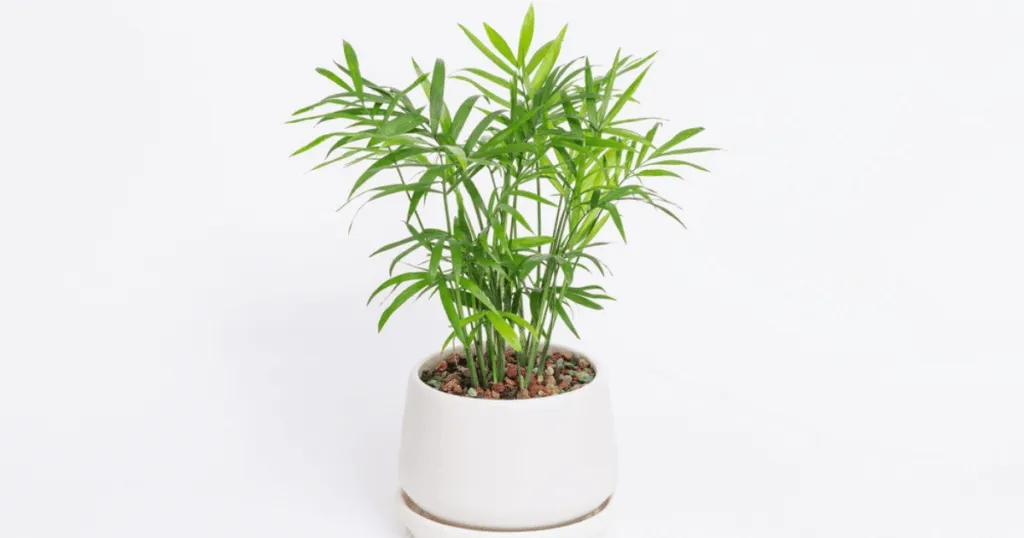
If you want to bring a touch of nature to a lobby or corner without the high maintenance of larger palms, the Parlor Palm is a perfect fit. It is one of the most shade-tolerant palm species, making it well-suited for offices that lack direct sunlight. Its delicate, feathery fronds bring a softer, organic texture to sterile office environments. Unlike other palms, it is non-toxic to cats and dogs.
Peace Lily
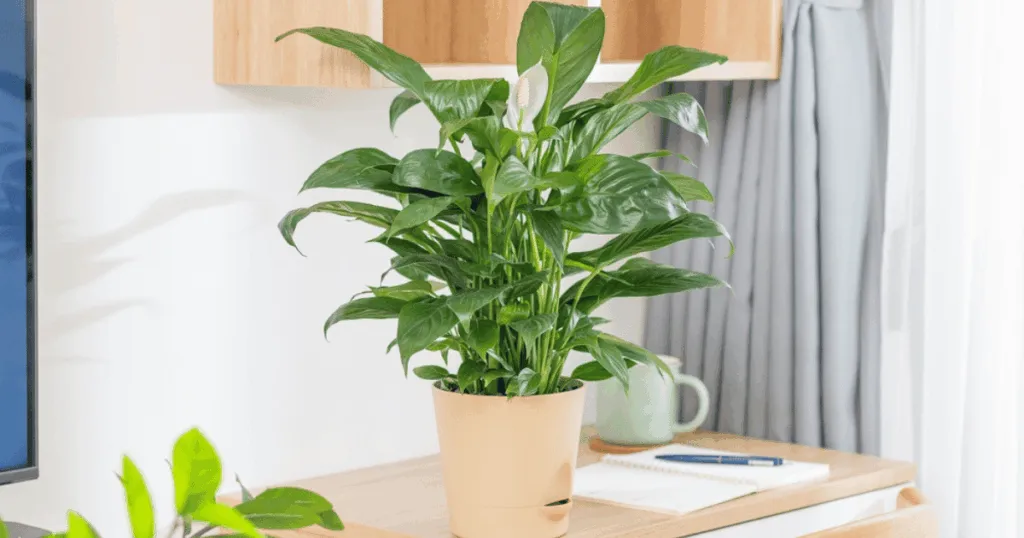
The Peace Lily is a popular choice for its ability to signal its needs; the leaves will droop noticeably when the plant requires water, making it easy to manage. It thrives in medium indirect light and can even produce elegant white spathes in favorable conditions. It is a great option for adding a touch of softness to a desk or shared office space, though it prefers above-average humidity.
Spider Plant
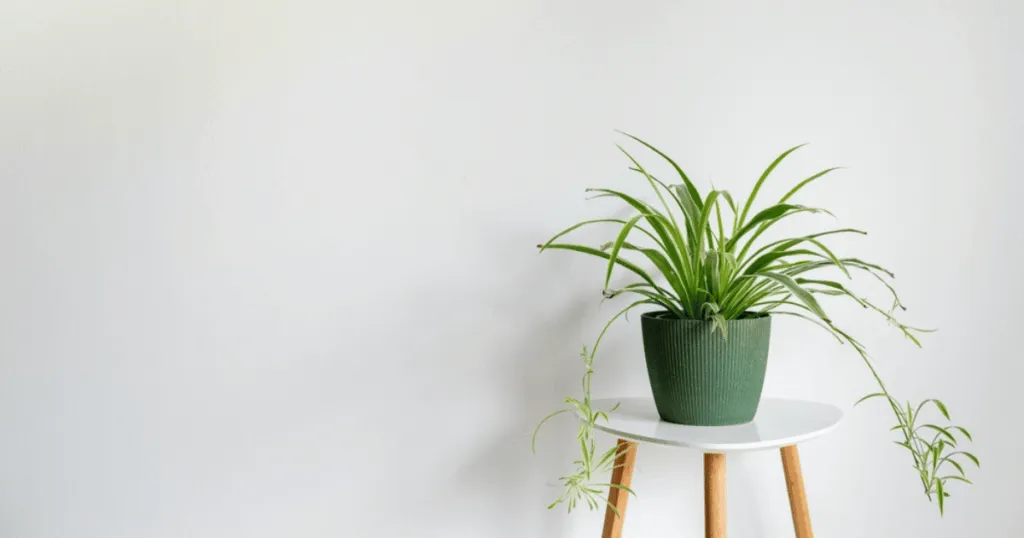
The Spider Plant is a classic for a reason. It produces “babies” on long stems, adding a dynamic look to bookshelves or hanging baskets. It is non-toxic to pets and thrives in medium to bright indirect light. It is quite forgiving of the occasional missed watering, though it prefers the top inch of soil to dry out before the next drink.
Heartleaf Philodendron
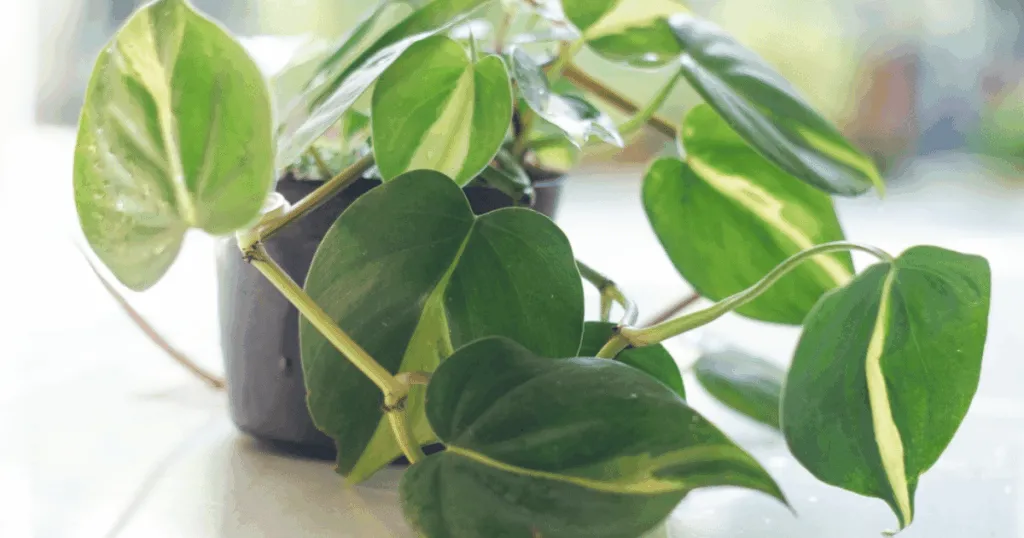
Distinct from the broader Philodendron genus, the Heartleaf variety is a classic trailing plant. It is excellent for office shelves and is very easy to propagate. It prefers medium to bright indirect light and average to above-average humidity. Like many other common office plants, it contains calcium oxalate crystals, so it should be kept away from pets.
Dracaena
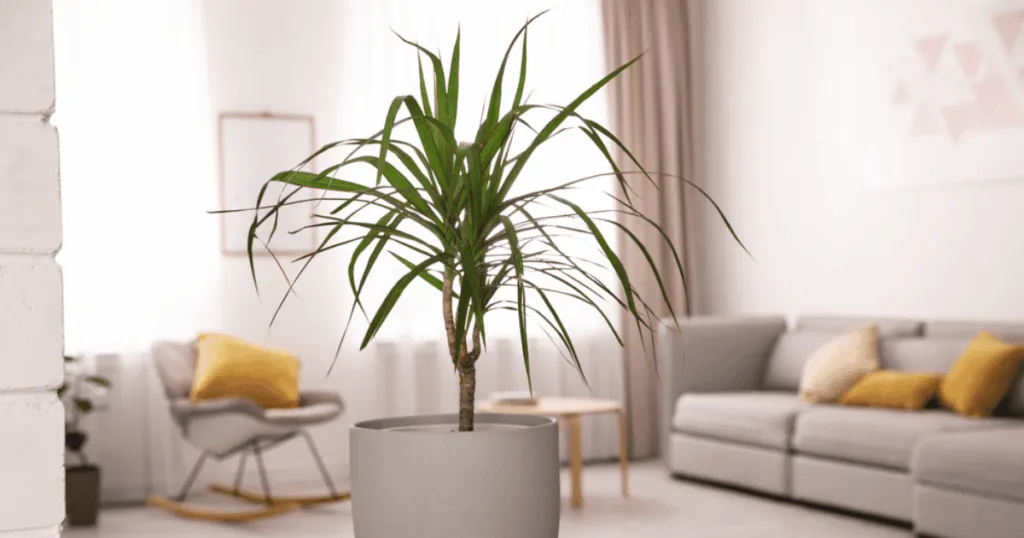
Dracaena varieties, such as the Corn Plant, are excellent for adding vertical height to an office. They tolerate low light well but prefer medium to bright indirect light. A key care tip for the office: Dracaena can be sensitive to fluoride and chlorine in tap water, which may cause brown leaf tips. Using filtered or distilled water can keep the foliage looking pristine.
Rubber Plant
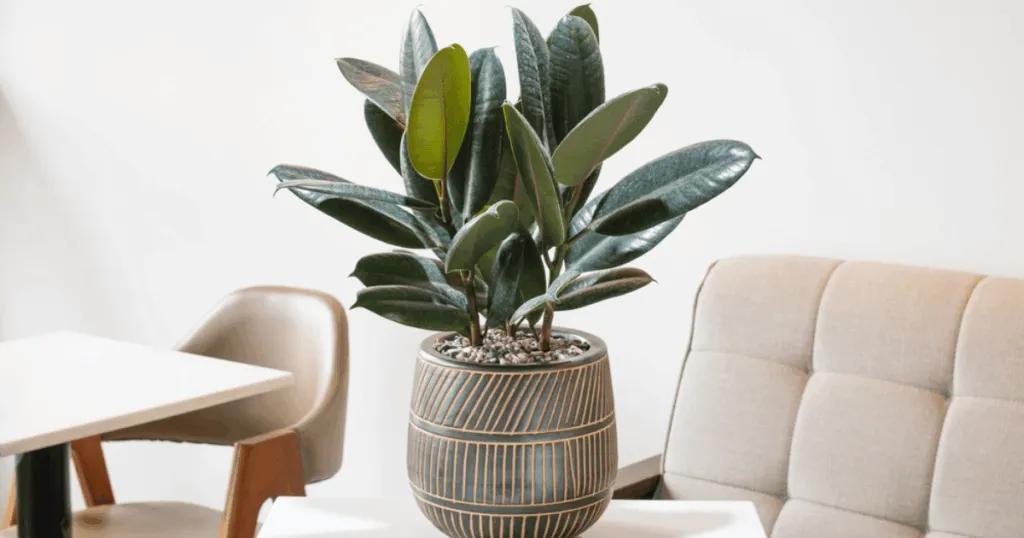
For a bold, statement piece, the Rubber Plant (Ficus elastica) offers thick, glossy leaves. It requires bright indirect light to maintain its vigor. It is a moderate-difficulty plant compared to the ZZ or Snake Plant, as it dislikes being moved or exposed to cold drafts. It is toxic if chewed, so ensure it is placed in a stable, safe location.
Monstera
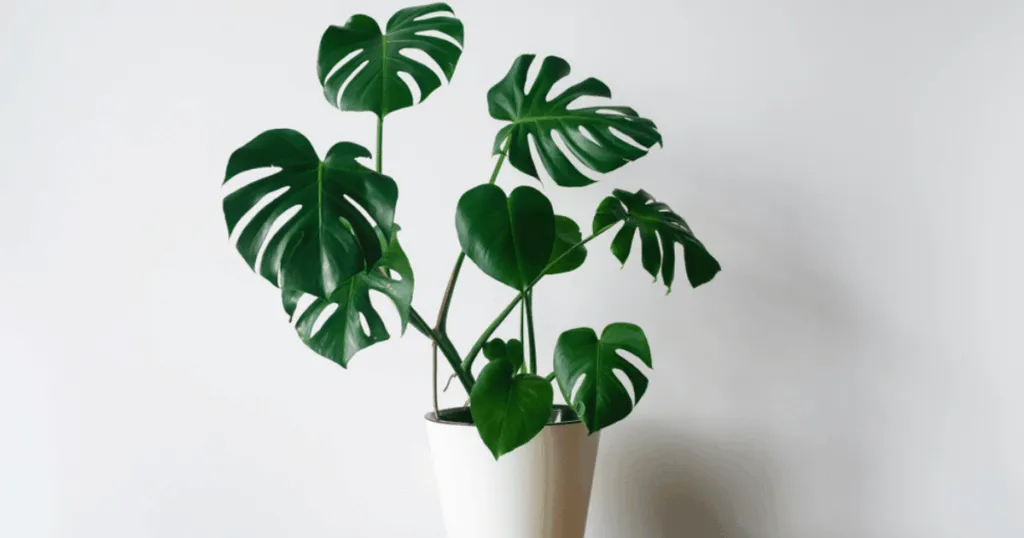
The Monstera is a popular choice for its iconic fenestrated leaves. To achieve those signature splits and holes, it requires bright indirect light and something to climb. It is a moderate-difficulty plant that prefers above-average humidity, making it better suited for offices that aren’t excessively dry. It is toxic to pets if ingested.
Kentia Palm
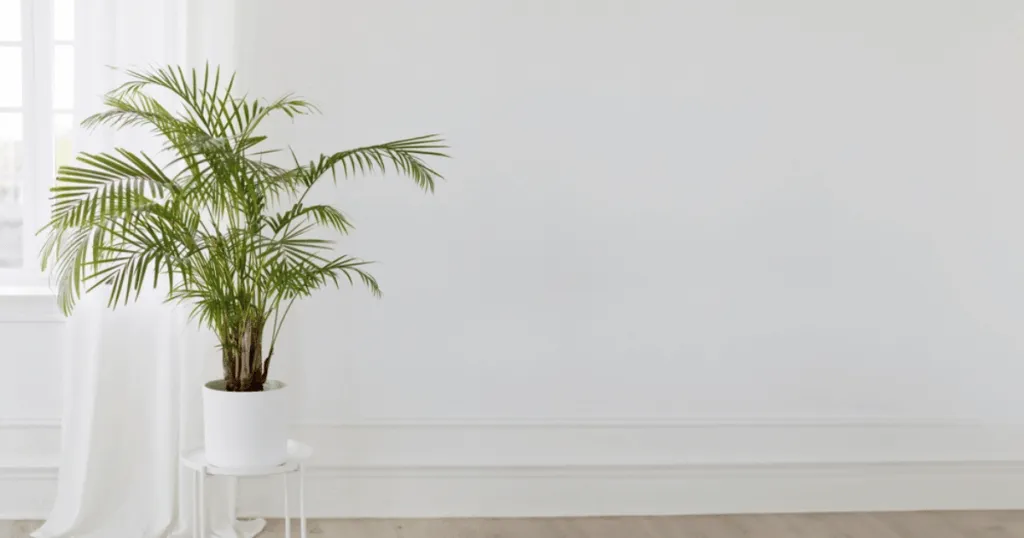
For a more elegant, slow-growing palm option, the Kentia Palm is superior to the finicky Areca Palm. It tolerates lower light levels well and is non-toxic to pets. It is a perfect choice for a high-end reception area where you want a mature, established look without the rapid growth or high light demands of other species.
Peperomia
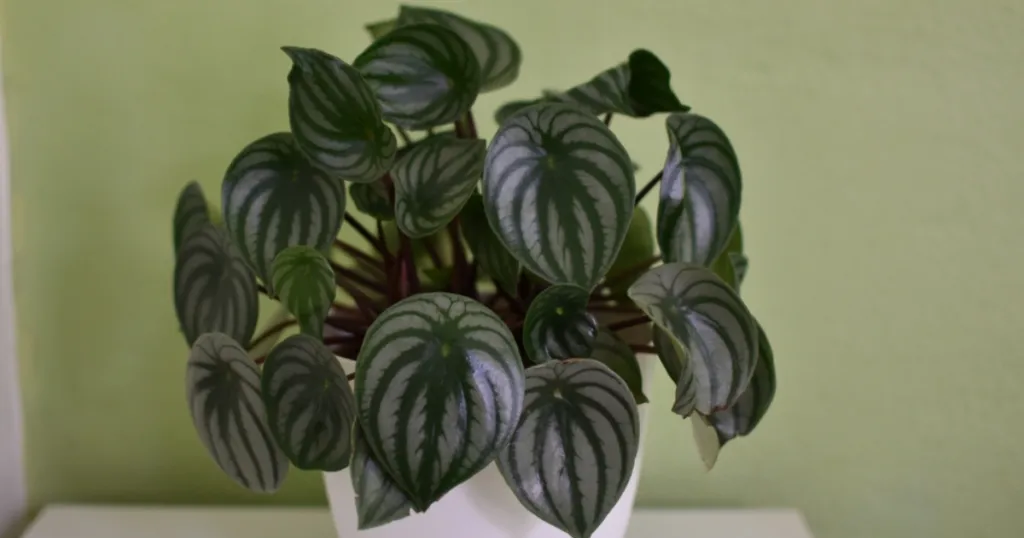
Peperomia species are the ultimate desk plants. They are compact, come in a variety of leaf textures, and are non-toxic to pets. They are semi-succulent, meaning they prefer to dry out slightly between waterings. They thrive in medium indirect light and are perfect for adding greenery to a crowded workspace without taking up valuable real estate.
Fittonia (Nerve Plant)
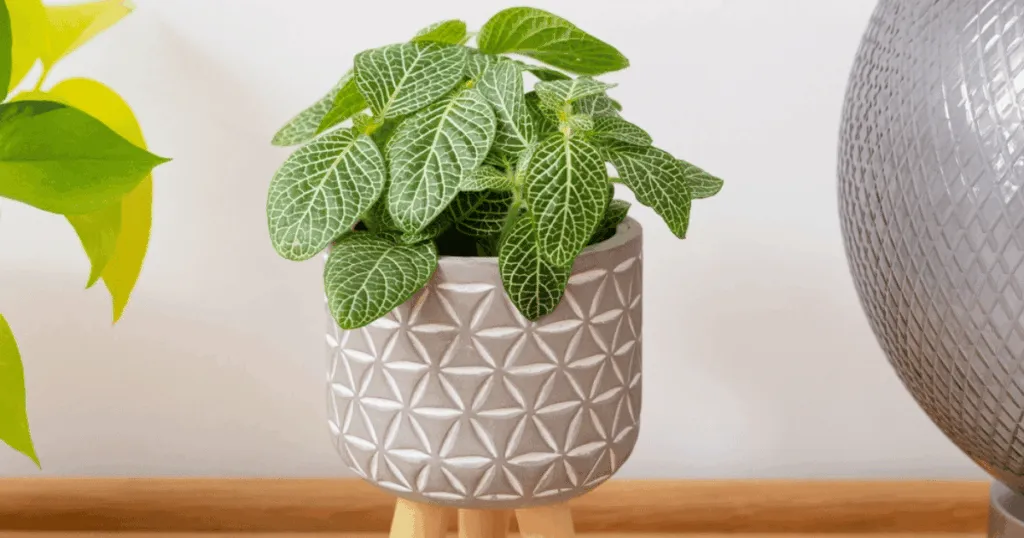
If you have a desk with consistent, medium indirect light and want something visually striking, the Fittonia is a great choice. It has beautiful, vein-patterned leaves. It is a bit more demanding regarding humidity and will wilt dramatically if it gets too dry, but it recovers quickly. It is non-toxic to pets, making it a safe choice for office environments.
Strategic Placement for Optimal Health
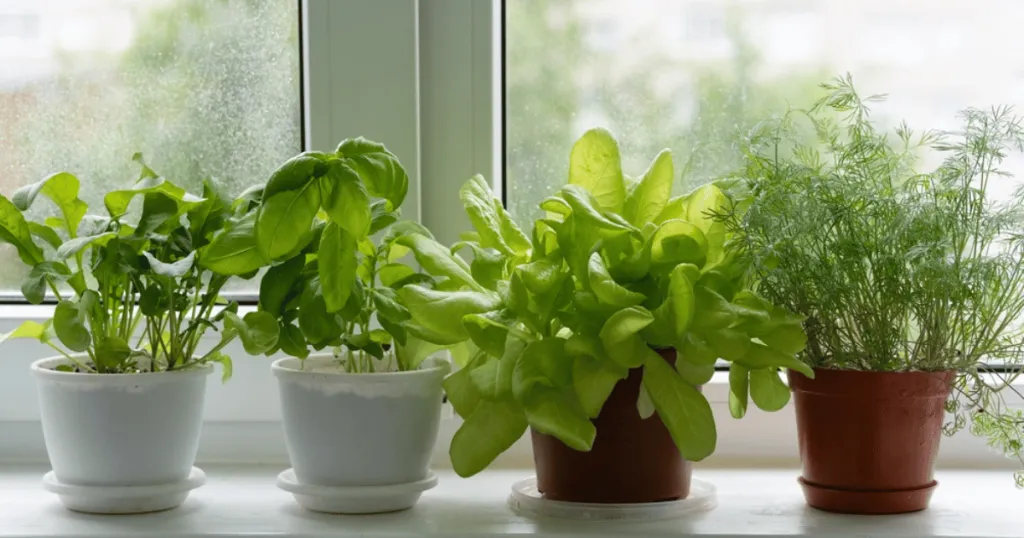
Placement is as critical as the plant selection itself. In an office, the “best” spot is rarely the one that looks the most decorative; it is the one that provides the necessary light and temperature stability. For plants that prefer indirect sunlight, avoid placing them directly on a windowsill where they might be exposed to harsh, unfiltered afternoon sun, which can scorch leaves. Instead, aim for a position three to five feet away from a window or in a spot where the light is diffused by blinds or curtains.
Consider the airflow in your office as well. Avoid placing sensitive plants directly in the path of air vents, as the constant stream of cold or hot air can cause rapid dehydration and leaf drop. For open-plan offices, grouping plants together can create a microclimate that helps maintain higher humidity levels, benefiting species like ferns or palms that might otherwise struggle in dry, climate-controlled air. If you are placing plants in a lobby, consider the temperature fluctuations that occur when doors are opened and closed frequently; choose hardier options like the Cast Iron Plant or ZZ Plant for these transition zones.
Limitations and Trade-offs
While the plants listed above are highly resilient, no plant is truly “maintenance-free.” The most significant trade-off in office plant care is the balance between aesthetic expectations and biological reality. Many office managers want large, lush plants in windowless rooms, which is physically impossible without supplemental grow lights. If your office lacks natural light entirely, you must be prepared to invest in professional-grade LED grow lights or accept that your plants will likely decline over time. Do not rely on standard office overhead lighting alone if you want your plants to grow; use dedicated grow bulbs to ensure they receive the correct spectrum.
Another common mistake is over-watering. In an office, the tendency is to “show love” by watering too frequently, which leads to root rot—the leading cause of death for office plants. Always check the soil moisture with a finger or a moisture meter before adding water. If the top two inches of soil are still damp, wait another few days. Remember that plants grow slower in lower light, meaning they require less water than they would in a greenhouse environment. During winter months or long holiday breaks, water consumption will drop significantly, so adjust your schedule accordingly.
Finally, consider the toxicity of your choices if your office is pet-friendly or if you have concerns about staff sensitivity. Many of the most popular office plants, such as Pothos, Snake Plants, and ZZ Plants, contain calcium oxalate crystals or saponins, which can cause irritation if ingested. For offices with pets or small children, prioritize non-toxic options like the Parlor Palm, Spider Plant, or Cast Iron Plant. Always check the specific toxicity profile of a plant before introducing it to a shared space.
A Note on Care
Maintaining office plants is a simple process when approached with consistency rather than intensity. You do not need to be a botanist to keep these plants thriving; you simply need to observe them. If a plant begins to lose its color or stretch toward the light, it is telling you it needs more intensity. If the leaves turn yellow or brown at the edges, it may be receiving too much water or suffering from the dry air of the office HVAC.
By selecting the right plant for your specific light levels and keeping a simple, consistent schedule, you can enjoy the benefits of indoor greenery for years to come. Remember that plants are living organisms that respond to their environment; a little bit of attention to their light and water needs will pay off in a healthier, more vibrant workspace.
FAQ
Can I keep office plants in a room with no windows?
While some plants like the ZZ Plant or Snake Plant are highly tolerant of low light, no plant can survive indefinitely without any light. If your office has no windows, you must use artificial lighting, such as high-output LED desk lamps or full-spectrum grow lights, to keep the plants healthy.
How often should I water my office plants?
There is no universal schedule. Instead, check the soil moisture weekly. For most of the best office plants for indirect sunlight, wait until the top two inches of soil feel dry to the touch before watering. Overwatering is a more common issue than underwatering in office environments.
Why are my office plant leaves turning brown at the tips?
Brown tips are often a sign of low humidity or inconsistent watering. Office HVAC systems frequently dry out the air, which can stress plants like palms or ferns. Consider using a humidity tray or grouping plants together to increase local moisture levels.