Affiliate Disclosure: As an Amazon Associate, I earn from qualifying purchases.
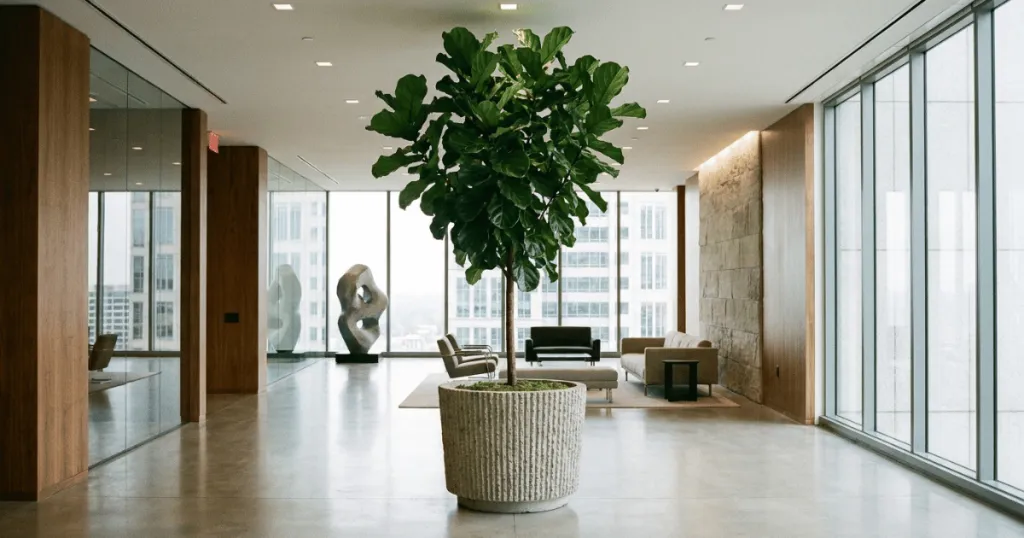
The first impression of your office often happens before a visitor speaks to a receptionist. A well-placed plant can soften the sterile lines of a corporate lobby, improve perceived air quality, and signal that your workspace is cared for. However, the best plants for office reception area environments must survive a specific set of challenges: artificial lighting, drafty doors, and the reality that no one is present to water them on weekends. Selecting the right species isn’t just about aesthetics; it is about finding a resilient partner that stays vibrant without requiring a daily horticultural intervention.
When approaching the selection process, decision-makers should prioritize a logic of “functional aesthetics.” This means evaluating the specific micro-climate of your lobby—such as proximity to automatic doors, the intensity of overhead LED arrays, and the available floor space—before choosing a plant based on its visual appeal. By matching the plant’s biological requirements to the physical constraints of the reception zone, you ensure long-term success rather than a cycle of plant replacement.
- Prioritize structural, slow-growing species that maintain a clean, professional silhouette.
- Select plants tolerant of inconsistent light and fluctuating HVAC-controlled temperatures.
- Choose containers that match office decor but allow for proper drainage.
- Avoid high-maintenance flowering plants that require frequent deadheading or cleanup.
When curating a selection for a high-traffic zone, prioritize structural integrity and foliage density. You want specimens that look intentional and polished, rather than wild or sprawling. The goal is to create a welcoming atmosphere that feels permanent and professional, avoiding the clutter of small, delicate pots that can look like an afterthought.

Criteria for Reception-Ready Greenery
Selecting plants for a front-of-office area requires a different mindset than choosing plants for a private desk. In a reception area, the plant is part of your company’s visual identity. It must remain attractive even when light levels are suboptimal or when the office heating system kicks into high gear during the winter months. The primary criteria for these selections include structural form, tolerance to low-light conditions, and minimal debris shedding.
Structural form refers to the plant’s ability to maintain a consistent shape over time. In a professional setting, you want plants that don’t require constant pruning to look tidy. Look for species that grow vertically or maintain a compact, bushy habit. This prevents the plant from encroaching on walking paths or obstructing the view of staff behind the desk.
Light tolerance is the most common failure point in office plant selection. Reception areas often feature deep-set windows, north-facing glass, or, more commonly, only overhead LED or fluorescent lighting. The best plants for this environment are those that can photosynthesize efficiently in lower light levels without becoming leggy or losing their deep green color. Finally, consider the maintenance burden. Avoid plants that drop flowers, leaves, or pollen, as these create a mess that requires constant cleaning by custodial staff.
Curated Selections for Professional Spaces
The following plants are chosen for their resilience and ability to elevate a reception area without demanding constant attention.
Sansevieria (Snake Plant)
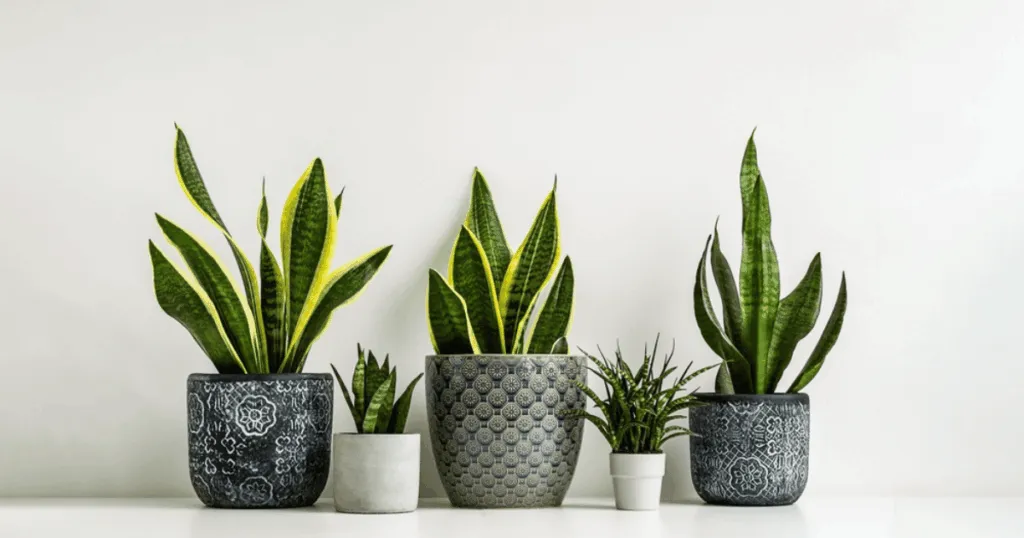
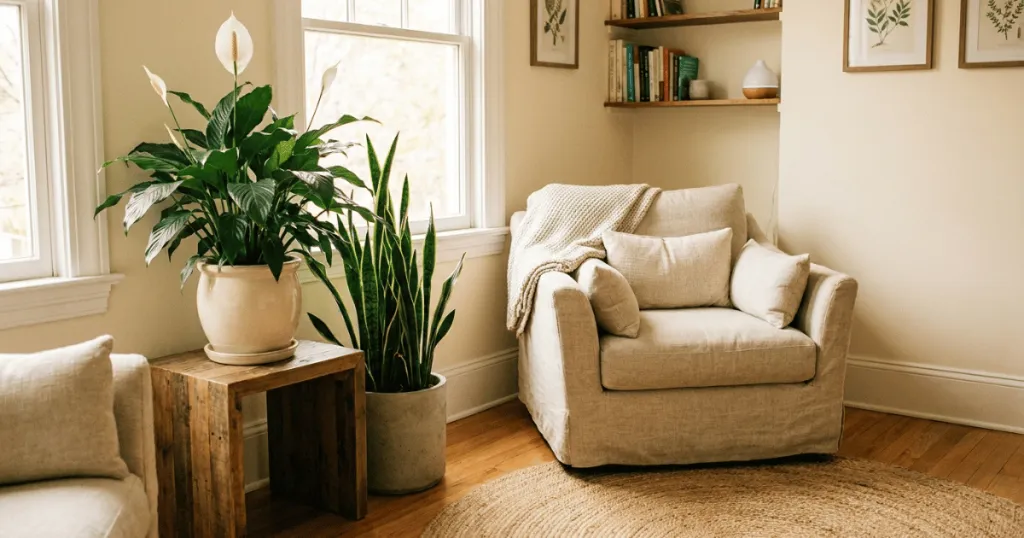
The Snake Plant is the gold standard for office environments. Its architectural, sword-like leaves provide a modern, clean look that complements contemporary office furniture. It is incredibly forgiving of irregular watering schedules, which makes it ideal for offices that might go a few days without a dedicated plant care routine. It thrives in a variety of light conditions, from dim corners to bright, filtered light.
From a design perspective, the Sansevieria offers a verticality that is difficult to replicate with other species. Because it grows upward rather than outward, it is an excellent choice for tight corners or narrow spaces between chairs. Its drought-tolerant nature means it is perfectly suited for the dry, recirculated air typical of modern office HVAC systems.
Zamioculcas Zamiifolia (ZZ Plant)
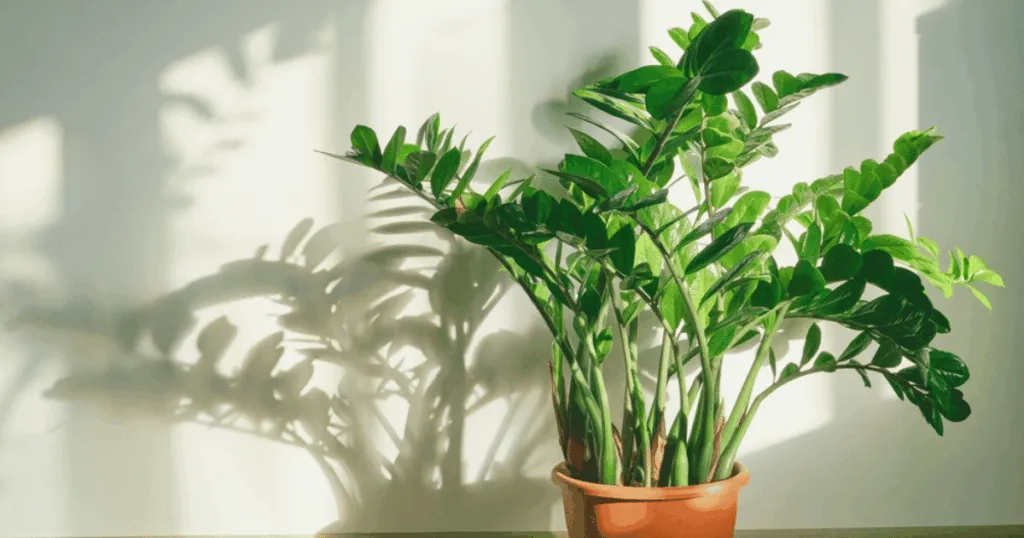
If your reception area suffers from very low natural light, the ZZ plant is your best option. Its waxy, deep-green foliage reflects ambient office lighting, giving it a polished, healthy appearance even in windowless lobbies. It is highly drought-tolerant, meaning it won’t suffer if a weekend passes without attention. Its slow growth rate ensures it stays within its designated footprint for years.
The ZZ plant is particularly effective in reception areas because of its “glossy” aesthetic. The leaves naturally look clean and vibrant, which contributes to an overall impression of a well-maintained office. It is also one of the most resilient office plants when it comes to surviving in areas with minimal natural light, making it a staple for interior landscaping in deep-floor-plate buildings.architecture. When placing a Corn Plant, ensure it has enough clearance so that visitors do not brush against the leaves, which can cause minor bruising or tip damage.
Aglaonema (Chinese Evergreen)
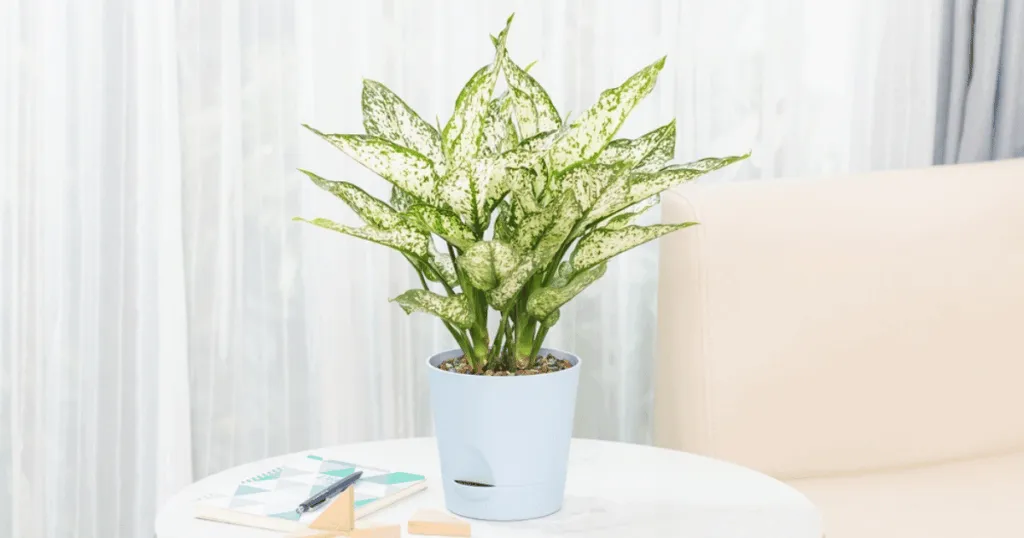
The Chinese Evergreen is a versatile choice for reception desks or low tables. It comes in various foliage patterns, including silver and variegated options, which can help brighten up a dull reception area. It is exceptionally tolerant of low light and maintains its color well, provided it is not placed directly in the path of a cold HVAC vent.
Aglaonemas are highly valued for their ability to add color without the need for flowers. The variegated leaves provide visual interest that can complement your company’s branding or color palette. Because they stay relatively compact, they are ideal for placement on reception counters or side tables where a floor-standing plant would be too large.
Rhapis Excelsa (Lady Palm)
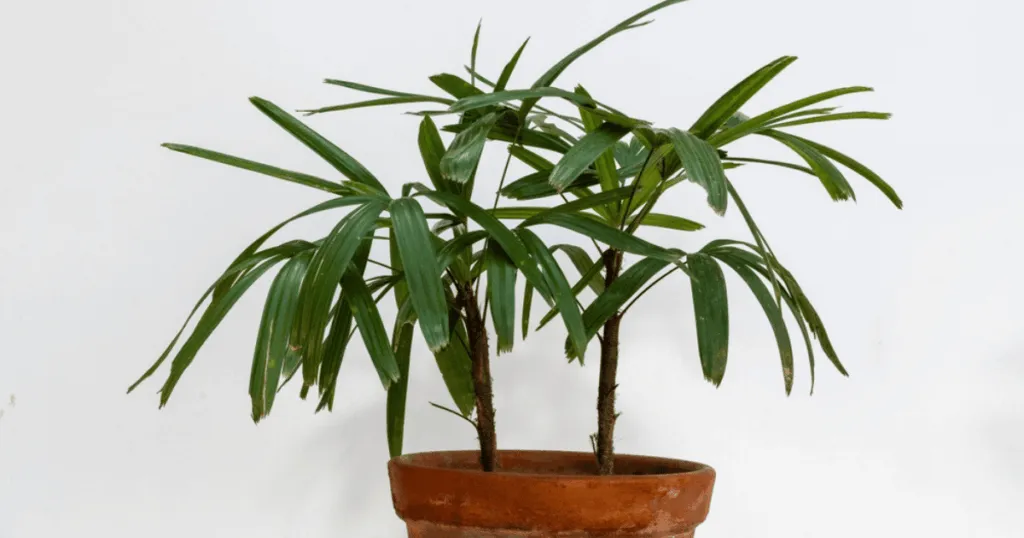
When you need a larger, statement-making plant, the Lady Palm is a sophisticated choice. Unlike many palms that struggle indoors, the Lady Palm is remarkably shade-tolerant and slow-growing. It brings a touch of warmth and texture to a formal reception area without the high-maintenance requirements of other tropical species.
The Lady Palm is an investment piece. It provides a lush, tropical feel that is often associated with high-end corporate lobbies. Because it is slow-growing, you won’t need to worry about it outgrowing its space quickly, and its fan-shaped leaves provide a unique texture that stands out against more common foliage types.
Strategic Placement and Use-Case Breakdowns
Placement is as important as the species selection. In a reception area, the goal is to guide the eye and create a sense of scale. A common mistake is placing a single, small plant on a large, expansive reception desk, which can look lost and cluttered. Instead, use larger, floor-standing specimens to anchor the corners of the room or to frame the entrance.
Consider the “flow” of your reception area. Are there areas where visitors tend to congregate? Placing a plant here can act as a natural divider, creating a sense of privacy for those waiting. Conversely, avoid placing plants in high-traffic corridors where they might be bumped or damaged. For the reception desk itself, choose a plant that sits at a height that does not block the line of sight between the visitor and the staff. A compact, low-profile plant like an Aglaonema works well here.
If you have a large, empty wall, a tall, narrow plant like a Sansevieria can draw the eye upward, making the space feel taller and more open. Always ensure that the plant is not placed directly in front of an air supply vent, as the constant blast of dry, hot or cold air will stress even the most resilient species.
Limitations and Trade-offs
No plant is truly maintenance-free. Even the most resilient options listed above require occasional dusting of the leaves to ensure they can photosynthesize effectively under artificial light. Dust accumulation is a major issue in office buildings and can lead to a dull appearance and poor plant health. Furthermore, overwatering is the most frequent cause of plant death in office settings. It is often better to err on the side of underwatering, as most of these species are adapted to survive dry spells.
Another trade-off to consider is the container choice. While decorative pots are essential for office aesthetics, they must have drainage holes or be used as a cachepot (where the plant stays in its plastic nursery pot inside the decorative one). If you choose a pot without drainage, you significantly increase the risk of root rot, as water will pool at the bottom and suffocate the roots.
If your reception area is subject to extreme temperature fluctuations—such as being located immediately next to an automatic sliding door—you may find that even hardy plants struggle. In these specific cases, it is often better to use high-quality artificial greenery or to rotate live plants between the reception area and a more stable, light-filled breakroom. Recognizing when a space is simply too hostile for a living plant is a sign of good management, not a failure of care.
A Note on Plant Maintenance
Maintaining greenery in a professional setting is about consistency rather than intensity. You do not need a daily schedule; rather, you need a reliable weekly check. This involves checking the soil moisture, wiping leaves, and ensuring the plant is not sitting in standing water. If you manage a large office, consider designating a single person to handle these tasks to ensure accountability. Avoid the temptation to “over-care” by adding fertilizers or excessive water, as this is often more damaging than neglect. By keeping the care routine simple and predictable, you ensure that your reception plants remain a welcoming, professional asset for years to come.
When implementing a maintenance schedule, document the process. A simple log kept near the plant or in a digital management system can prevent multiple people from watering the same plant, which is a common cause of accidental overwatering. Additionally, seasonal adjustments are necessary. During the winter, when the office heating is running, the air will be significantly drier. You may need to increase the frequency of leaf wiping to remove dust and potentially monitor soil moisture more closely, as the dry air will cause the soil to lose moisture faster than in the summer months.
The Role of Biophilic Design in Reception Areas
Integrating plants into your reception area is a core component of biophilic design—the practice of connecting people to nature within the built environment. In a corporate setting, this connection has been shown to reduce stress and improve the overall perception of the office environment. By selecting the right plants, you are not just decorating; you are creating a healthier, more inviting space for both employees and visitors. The psychological impact of seeing healthy, vibrant greenery upon entering an office cannot be overstated; it signals that the organization values the environment and the well-being of those who enter it.
When selecting your plants, consider the overall “vibe” you want to project. Do you want a minimalist, modern look? The Sansevieria and ZZ plant are excellent for this. Do you want a warmer, more welcoming, and lush atmosphere? The Lady Palm and Corn Plant are better suited for that goal. By aligning your plant choices with your company’s brand identity, you turn your reception area into a cohesive, intentional space that reflects your corporate values.
FAQ
How often should I water plants in an office reception area?
In most office environments, watering every 7-14 days is sufficient. Always check the top two inches of soil; if it is dry, water lightly. If it is still damp, wait a few more days. Overwatering is the primary cause of plant failure in offices.
Can I use artificial light for the best plants for office reception area spaces?
Yes, most office plants are highly adaptable to LED or fluorescent lighting. The key is proximity. Ensure the plant is within a few feet of the light source, and if the area is windowless, ensure the lights remain on for at least 8-10 hours during the workday.
What should I do if my office reception plant starts losing leaves?
Leaf drop is usually a sign of environmental stress, such as a drafty location, overwatering, or a sudden change in light. Check for cold air from vents or doors first, as this is the most common culprit in reception areas.