Lucky Bamboo (Dracaena sanderiana) holds a reputation as the ultimate indestructible office plant. You will often see it in reception areas or on desks, usually twisted into intricate shapes or held in glass vases with decorative pebbles. However, this reputation for being nearly immortal is only partially true. While it is certainly a hardy, low-light tolerant species, it is not a plastic decoration. In an office setting, it requires more than just an occasional splash of water to remain vibrant.
- Thrives in low to medium indirect light.
- Requires distilled or filtered water; sensitive to chlorine.
- Grows well in water or well-draining potting soil.
- Toxic to cats and dogs if ingested.
- Easy maintenance for consistent office environments.
The Reality of Lucky Bamboo in the Workplace
The common perception is that this plant can survive on neglect. In truth, it is highly sensitive to the quality of the water provided and the consistency of its environment. If you are looking for a plant that can handle the dry, climate-controlled air of a typical office, Lucky Bamboo is a strong candidate, provided you understand its specific physiological needs. It is not true bamboo, but rather a member of the Dracaena family, which changes how you should approach its care compared to actual grasses or woody stalks.
In the context of modern office management, Lucky Bamboo serves as a bridge between high-maintenance tropicals and low-effort artificial decor. Its ability to tolerate the artificial, often dim lighting of cubicle farms makes it a staple for workplace greenery. However, office managers must account for the plant’s specific metabolic requirements. Unlike plants that thrive on neglect, Lucky Bamboo requires a deliberate, albeit simple, care routine to prevent the systemic decline often seen in neglected office settings.
Growth Habits and Visual Characteristics
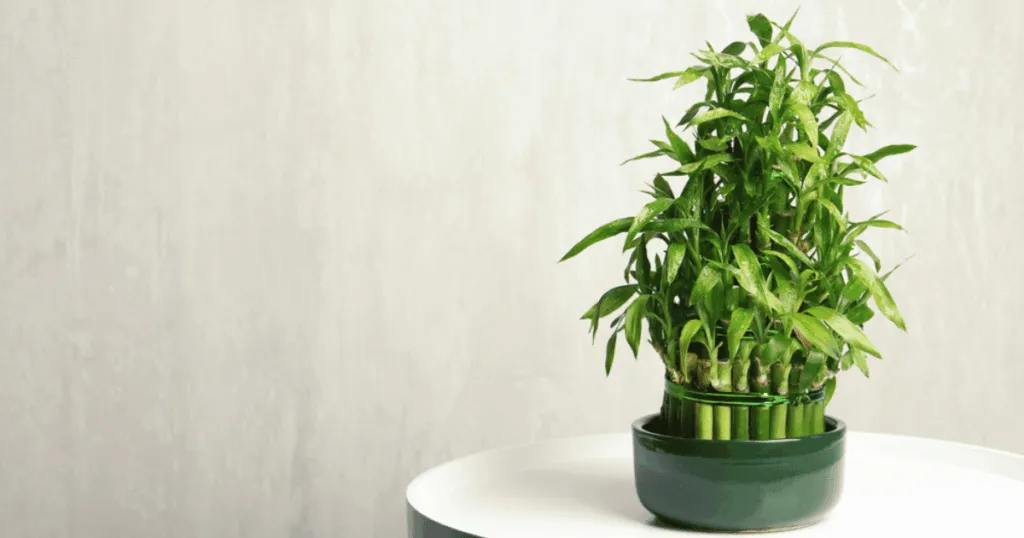
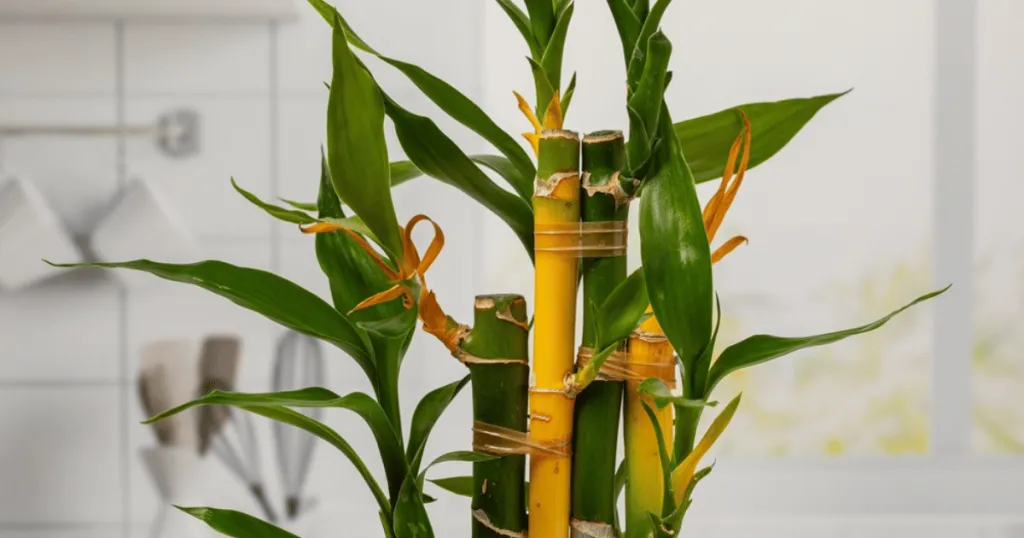
The most striking feature of Lucky Bamboo is its structural versatility. Because it is a Dracaena, the stalks are flexible when young, allowing growers to train them into spirals, braids, or grid patterns. In an office, these pre-trained shapes provide a clean, architectural look that fits well with modern interior design. The foliage consists of narrow, lance-shaped leaves that sprout from the nodes along the stalk, creating a tiered or canopy effect depending on how the plant is pruned.
Growth is generally slow and steady. You should not expect this plant to outgrow a desktop container quickly. This makes it an excellent choice for cubicles or small meeting tables where space is at a premium. Unlike sprawling tropical plants that require frequent pruning to keep them from encroaching on workspace, Lucky Bamboo maintains its vertical, contained footprint for years. If the plant becomes too tall, you can propagate the tops by cutting them and placing them back in water, effectively recycling the plant rather than discarding it.
From an aesthetic perspective, the plant offers a minimalist appeal that complements the clean lines of corporate furniture. Because it does not shed leaves frequently like some other indoor plants, it is a low-mess option for shared workspaces. However, the architectural nature of the stalks means that any damage to the stem—such as bruising or rot—is highly visible, which is why proper handling during placement is essential.
Essential Care for Office Environments
Managing Lucky Bamboo in an office requires a shift in mindset regarding water quality. The most common cause of yellowing leaves or decaying stalks is the use of standard tap water. Municipal water supplies often contain chlorine, chloramine, or fluoride, all of which can accumulate in the plant’s tissues and cause tip burn or systemic decline. For the best results, use distilled water or filtered water that has been allowed to sit out for 24 hours to let additives dissipate.
Regarding light, this plant is an expert at surviving in the low-light conditions typical of interior offices. It prefers bright, indirect light but will tolerate fluorescent office lighting quite well. Avoid placing it directly in a south-facing window where intense, direct sun can scorch the leaves. If your office has limited window access, the plant will likely remain healthy under standard overhead lighting, though its growth rate will be significantly slower.
When growing in water, ensure the roots are fully submerged, but keep the green stalks above the water line to prevent rot. If you choose to plant it in soil, use a high-quality, well-draining potting mix. The goal is to keep the soil lightly moist, not waterlogged. Over-saturation in soil can lead to root rot, which is often fatal to the plant. Office managers should note that hydroponic office plants like these require a periodic “flush” of the container to remove mineral buildup, which is a common byproduct of tap water usage in office buildings.
Strategic Placement in the Office
Lucky Bamboo is best suited for stable environments. Avoid placing it near HVAC vents where it will be subjected to constant drafts of hot or cold air, as this can cause rapid moisture loss and stress the plant. Reception desks, conference room tables, or individual workstations are ideal locations. Because the plant is often sold in glass containers, it adds a clean, professional aesthetic that pairs well with glass, metal, or wood office furniture.
One practical consideration for office managers is the weekend or holiday break. Unlike many other indoor plants that might wilt after a few days without attention, Lucky Bamboo is remarkably resilient during short absences. If it is growing in a water-based setup, simply ensure the water level is sufficient before leaving for a long weekend. If it is in soil, it will easily survive a standard work week without additional watering, provided it was not already dry when you left. For long-term health, ensure the plant is not placed in a “dead zone” where air circulation is completely absent, as stagnant air can encourage fungal issues on the foliage.
Toxicity and Safety Considerations
It is a common misconception that because the plant is called “bamboo,” it is safe for all environments. However, according to resources from the ASPCA and various veterinary poison control centers, Dracaena species are toxic to cats and dogs. If ingested, the plant can cause symptoms such as vomiting, drooling, and loss of appetite in pets. If your office allows pets or if you are placing the plant in a home-office environment where animals have access, you must ensure the plant is physically out of reach. This is a critical safety factor that often goes overlooked in favor of the plant’s aesthetic appeal.
Beyond pet safety, office managers should consider the physical stability of the plant. Because Lucky Bamboo is often top-heavy due to its structural training, it can be easily tipped over in high-traffic areas. Using a weighted base or a wider, heavier container can mitigate the risk of spills, which is especially important if the plant is housed in a water-filled vase. This simple adjustment prevents both water damage to office electronics and potential injury to the plant itself.
Troubleshooting Common Office Issues
Even with the best intentions, Lucky Bamboo may show signs of stress. The most frequent issue is the yellowing of leaves. While this can be a sign of aging, it is more often an indicator of environmental stress. If the yellowing starts at the tips and moves inward, it is a classic sign of chemical sensitivity to tap water. If the entire leaf turns yellow, it may be an indication of too much direct light or an excess of fertilizer. In an office, over-fertilization is a common mistake; because the plant grows slowly, it requires very little nutrient supplementation. A diluted liquid fertilizer applied once every few months is more than sufficient.
Another issue is the development of a “mushy” stalk. This is a sign of advanced rot, usually caused by the water level being too high or the presence of bacteria in the water. If the stalk becomes soft to the touch, it is often too late to save that specific section. The best course of action is to remove the affected stalk immediately to prevent the rot from spreading to healthy stalks in the same container. By maintaining a clean, consistent environment, you can avoid these issues and keep your office greenery looking professional and vibrant for years.
Handoff to Detailed Care
While this overview covers the fundamental needs of Lucky Bamboo, successful long-term cultivation often involves troubleshooting specific issues like leaf yellowing, root rot, or algae growth in water containers. If you notice your plant’s color fading or the stalks becoming soft, these are signs that your current care routine needs adjustment. For deeper dives into propagation techniques, water-to-soil transitions, and specific nutrient requirements for hydroponic setups, please consult our dedicated care and troubleshooting guides. These resources provide the granular detail needed to keep your office plants thriving for years to come.
Related Lucky Bamboo Guides
- our Lucky Bamboo care guide
- troubleshooting a Lucky Bamboo
FAQ
Why are the leaves of my Lucky Bamboo turning yellow?
Yellowing leaves are usually a sign of environmental stress, most commonly caused by chemicals in tap water like chlorine or fluoride. It can also indicate too much direct sunlight or over-fertilization. Try switching to distilled water and moving the plant to a spot with softer, indirect light.
Can I grow Lucky Bamboo in just water forever?
Yes, Lucky Bamboo can thrive in water indefinitely, provided you change the water every two to four weeks to prevent bacterial buildup. Ensure the roots are always submerged and use a liquid fertilizer specifically formulated for hydroponic plants once every few months to provide necessary nutrients.
How do I deal with green algae in the glass container?
Algae growth is common when the water is exposed to light. To minimize this, use an opaque or colored glass container that blocks light from reaching the roots. If algae appears, simply rinse the roots and the container with clean water and replace the water. Avoid using harsh chemical cleaners on the roots.