Affiliate Disclosure: As an Amazon Associate, I earn from qualifying purchases.
Choosing the best plants for office cubicle environments requires a shift in perspective from traditional gardening. You are not just selecting a plant; you are selecting a biological partner capable of thriving in a climate-controlled, often windowless, and occasionally neglected workspace. The ideal candidate must handle the specific stresses of fluorescent or LED lighting, dry HVAC-circulated air, and the reality of being left alone for days at a time. If you are looking for a high-maintenance showpiece that requires daily misting and direct sunlight, you should look elsewhere; however, if you need a reliable, low-stress companion that improves your workspace atmosphere, this shortlist is designed for you.
- Select plants that tolerate low, artificial light levels.
- Prioritize slow-growing species to prevent desk overcrowding.
- Choose varieties that handle inconsistent weekend watering schedules.
- Ensure the plant container fits within your specific cubicle footprint.
This shortlist focuses on plants that offer high aesthetic value without demanding high-maintenance care. We have excluded high-light-demanding species and those prone to rapid, uncontrollable growth that would quickly overtake your workspace. If you have access to a south-facing window, your options broaden, but for the standard interior cubicle, the following selections represent the most reliable, stress-free choices for a professional setting.
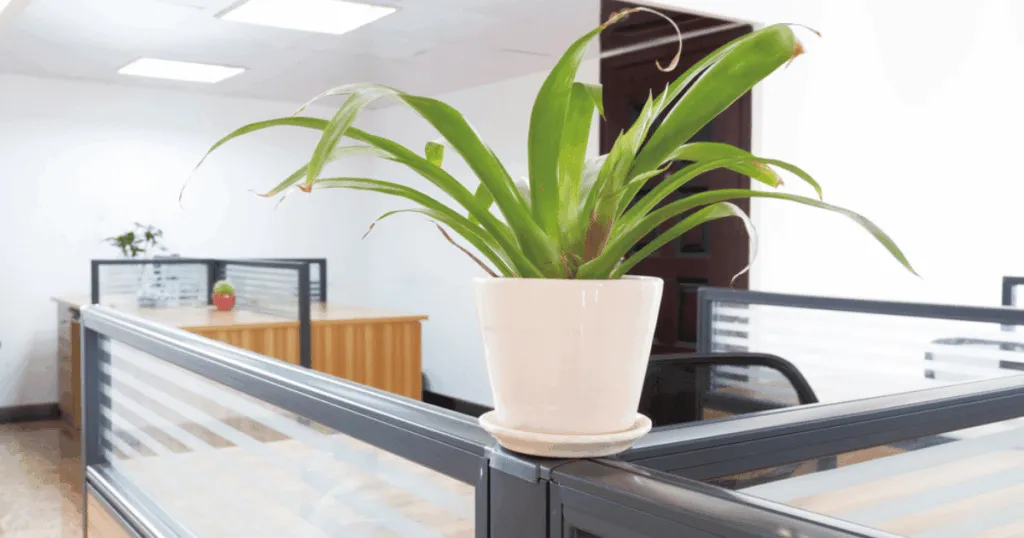
What Defines a Cubicle-Ready Plant
The primary challenge in a cubicle is light quality. Unlike a sun-drenched greenhouse or even a typical living room, a cubicle often relies entirely on overhead artificial lighting. These lights provide a limited spectrum of energy, which can cause many common houseplants to stretch, lose color, or eventually decline. A cubicle-ready plant must be physiologically adapted to low-light conditions, meaning it can photosynthesize efficiently even when light intensity is significantly lower than what it would receive in nature.
Humidity is another critical factor. Office HVAC systems are designed to keep humans comfortable, which usually means stripping moisture from the air. This creates a dry environment that can cause crispy leaf tips on sensitive tropicals. The best plants for office cubicle use are those with thicker, waxy cuticles or succulent-like foliage that can retain moisture internally, shielding them from the constant dehydration caused by air vents.
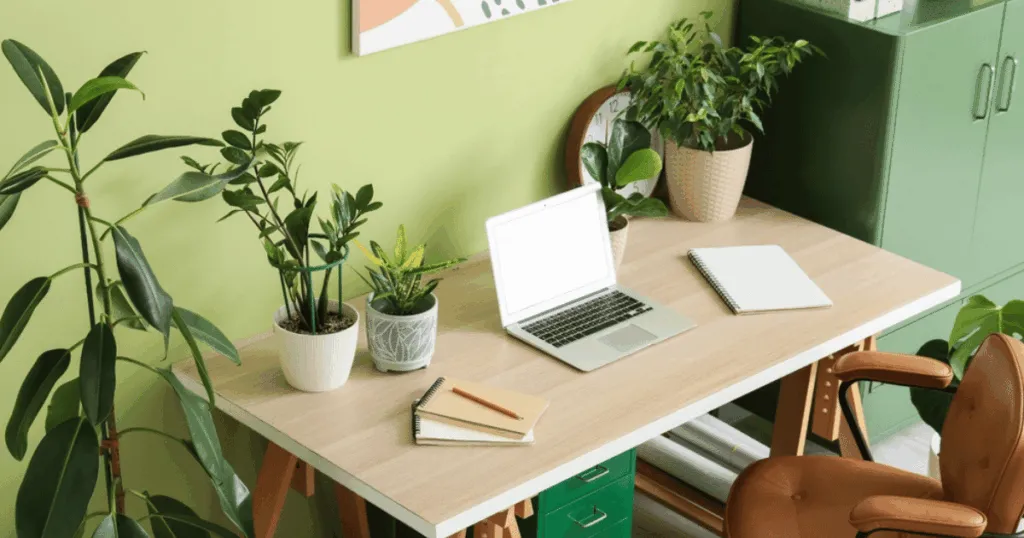
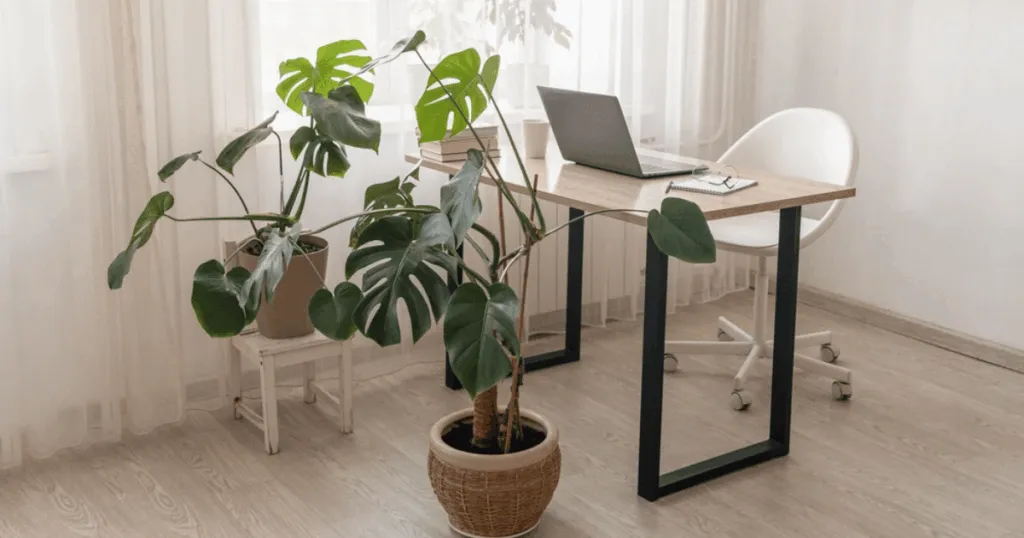
Finally, consider the footprint. Cubicle space is premium real estate. A plant that grows horizontally or requires a wide, sprawling pot will quickly become an obstacle. Vertical growth habits or compact, clumping varieties are far more practical. You want a plant that adds life to your desk without requiring you to move your monitor, keyboard, or files to accommodate its development.
Top Selections for Desk Environments
Snake Plant (Dracaena trifasciata)
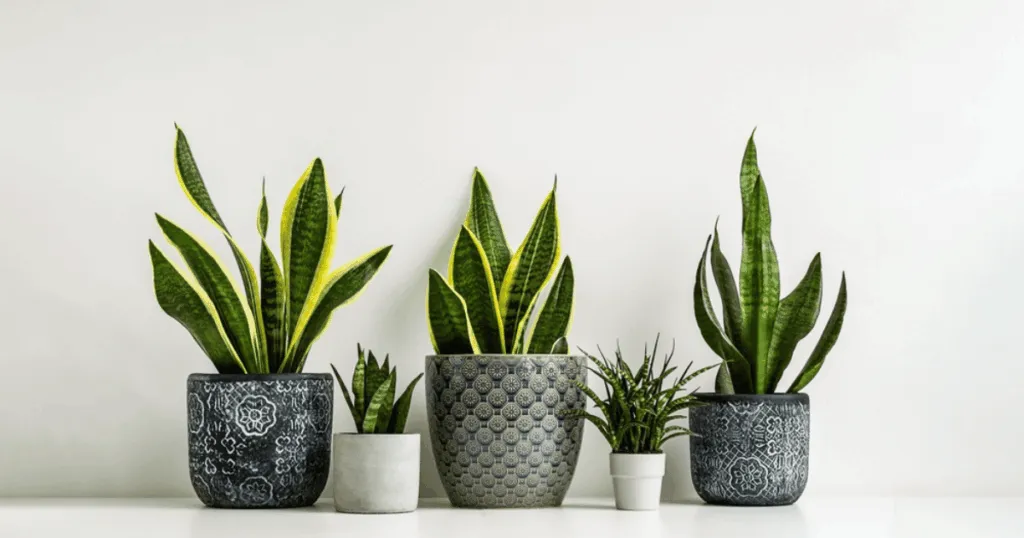
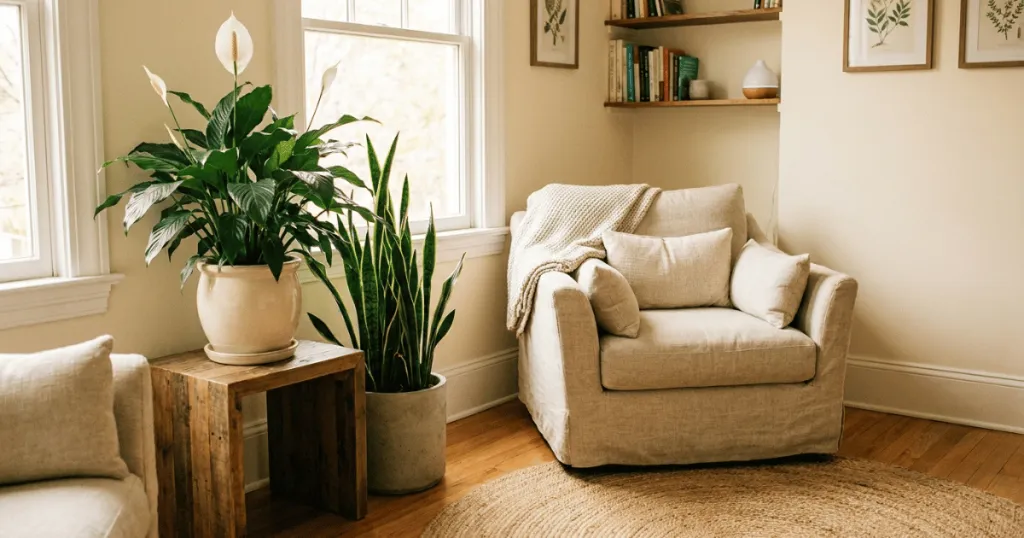
The Snake Plant is arguably the gold standard for office environments. Its upright, architectural leaves take up very little horizontal space, making it perfect for the corner of a desk. It is incredibly drought-tolerant, meaning it won’t mind if you forget to water it before a long weekend or a business trip. It thrives in low light, though it will grow faster if placed near a window. Because it is a CAM (Crassulacean Acid Metabolism) plant, it is uniquely efficient at managing its gas exchange, which makes it particularly resilient in the stagnant air of an office.
ZZ Plant (Zamioculcas zamiifolia)
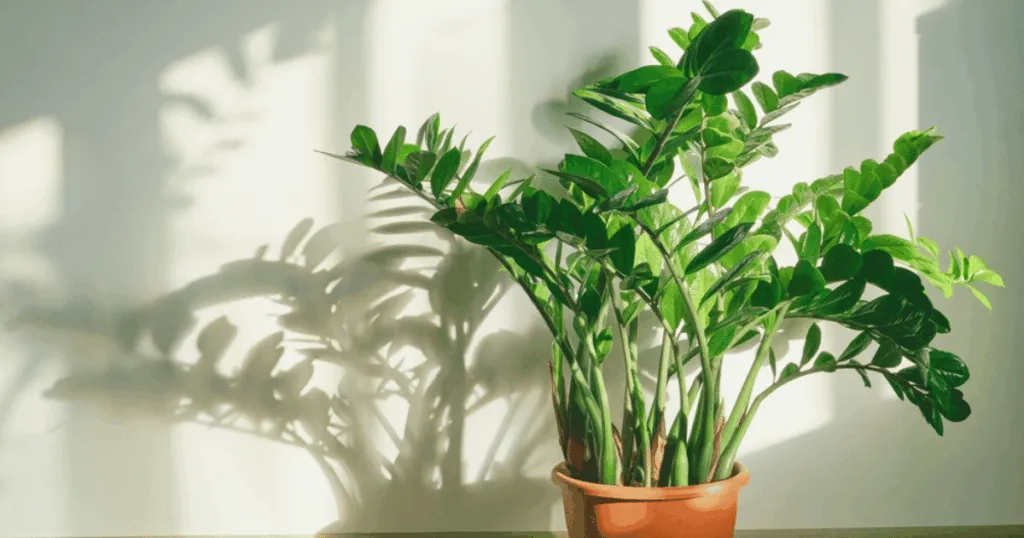
If you have a particularly dark corner, the ZZ plant is your best bet. It features glossy, dark green leaves that look almost artificial in their perfection. It stores water in rhizomes beneath the soil, which acts as a built-in safety net against inconsistent watering. It is a slow grower, so you won’t need to repot it for years. Its ability to thrive in extremely low-light conditions makes it a favorite for windowless cubicles where other plants might simply wither.
Pothos (Epipremnum aureum)
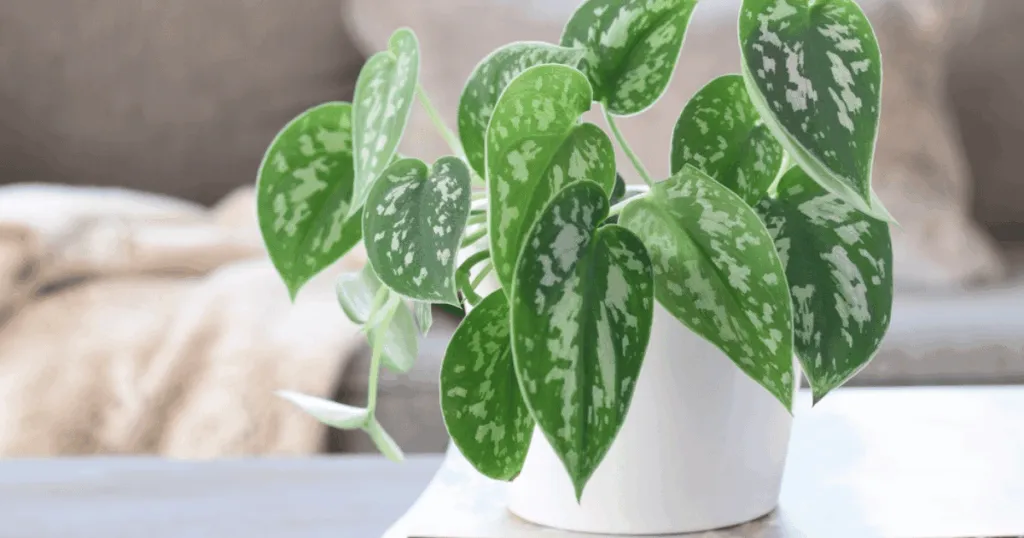
Pothos is the most versatile choice for those who want a trailing element. You can place it on a shelf above your desk and let the vines hang down, which saves valuable surface area. It is highly communicative; when it needs water, the leaves will droop slightly, giving you a clear signal before the plant suffers any permanent damage. It is also remarkably easy to propagate in a simple glass of water, allowing you to share cuttings with colleagues.
Cast Iron Plant (Aspidistra elatior)
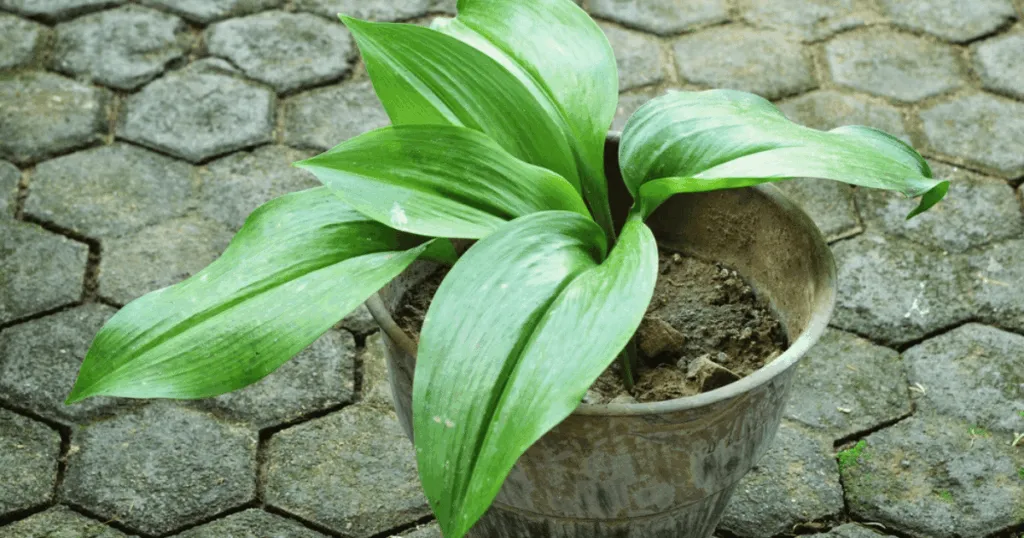
True to its name, this plant is nearly indestructible. It handles low light, temperature fluctuations, and irregular watering with ease. It has a classic, elegant look that fits well in professional settings. While it grows slower than other options, its longevity makes it a one-time investment for your office decor. It is the ideal choice for the “set it and forget it” office worker who wants greenery without the stress of constant monitoring.
Peace Lily (Spathiphyllum)
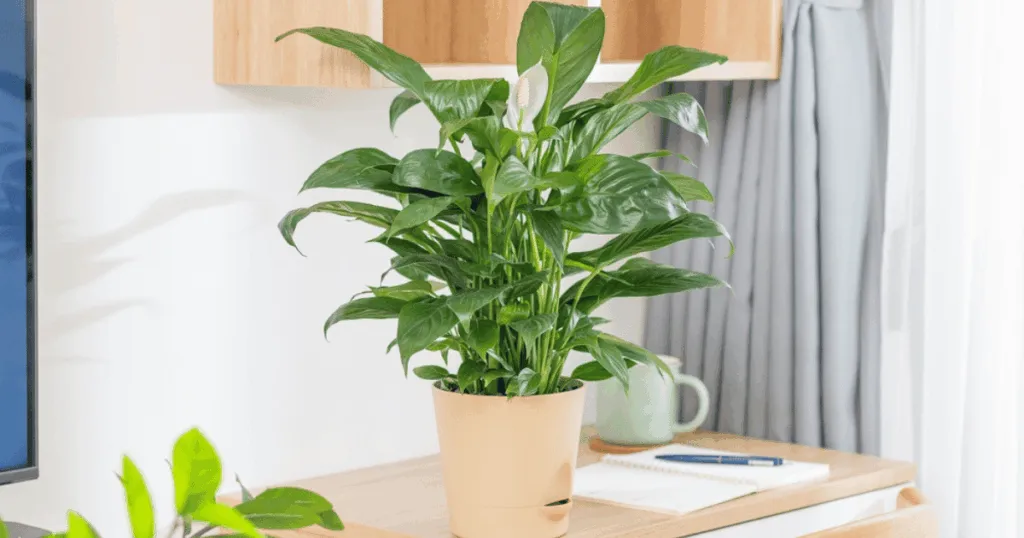
For those who want a flowering plant, the Peace Lily is a reliable performer. It is one of the few low-light plants that will produce white blooms in an office setting. It prefers slightly more moisture than the others on this list, so it is a better choice if you are diligent about your watering routine. It is also an excellent indicator plant, as it wilts dramatically when it needs a drink, then recovers just as quickly once watered.
Aglaonema (Chinese Evergreen)
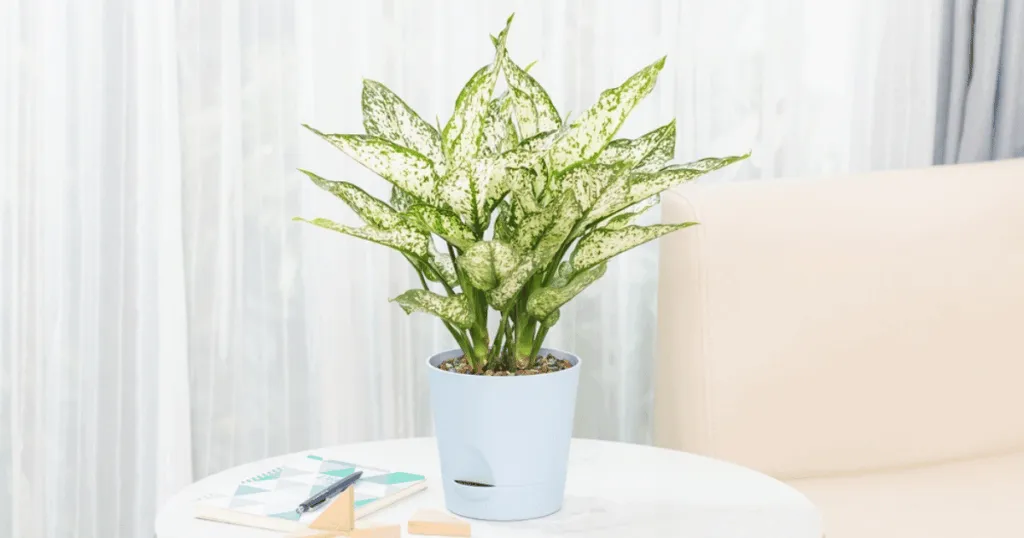
Aglaonemas offer a splash of color, with many varieties featuring silver, pink, or red variegation. They are much more tolerant of low light than other variegated plants, which usually require bright sun to maintain their patterns. They are compact and bushy, providing a soft, natural texture to a desk filled with hard surfaces and tech equipment. They are excellent for softening the harsh lines of cubicle walls.
Spider Plant (Chlorophytum comosum)
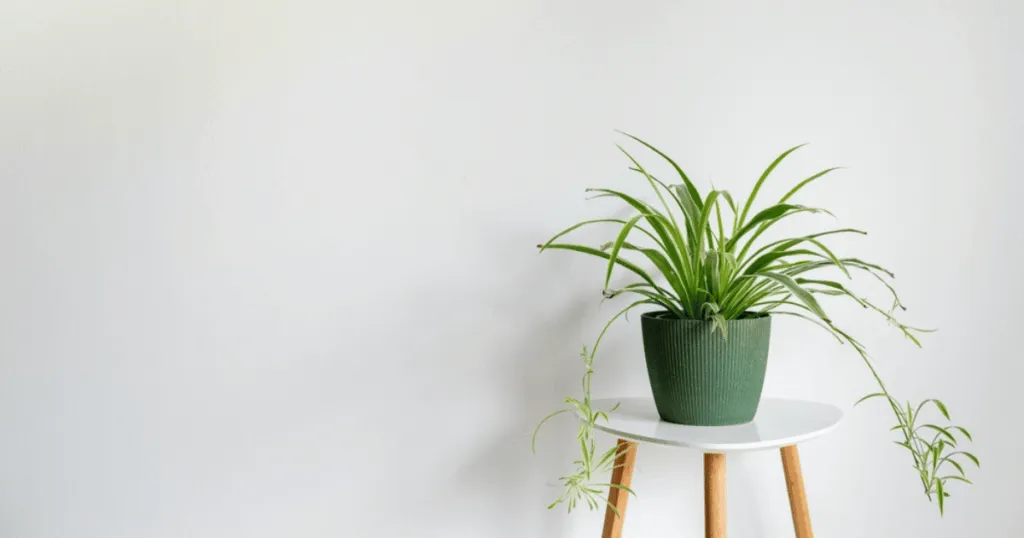
The Spider Plant is a classic for a reason. It is adaptable, easy to propagate, and adds a nice, grassy texture to a desk. It is very forgiving of different light levels. One practical note: it can produce “babies” or offsets that hang down, so ensure you have enough vertical clearance if you choose this variety. It is a great choice for adding a sense of movement to an otherwise static workspace.
Placement and Use-Case Strategy
Where you place your plant is as important as the species you choose. Avoid placing plants directly under or in front of air conditioning vents. The constant blast of cold, dry air is the fastest way to kill even the most resilient office plant. If your desk is in a high-traffic area, choose a plant with sturdy, upright leaves that won’t be easily damaged by people brushing past your workspace.
Consider the “line of sight” principle. In an open office, your plant can serve as a soft privacy screen. A taller Snake Plant or a bushy Chinese Evergreen can create a visual buffer that makes your cubicle feel more personal and less exposed. Conversely, if you want to keep your desk feeling open, opt for a small, low-growing plant that sits comfortably next to your monitor without obstructing your view of colleagues.
Lighting management is the final piece of the puzzle. If your office has a “lights out” policy at night or on weekends, ensure your chosen plant is truly low-light tolerant. If you find your plant is struggling, you can supplement its needs with a small, full-spectrum LED desk lamp. This is a common, effective strategy for keeping plants healthy in windowless interior offices. By providing a consistent, targeted light source, you can maintain plants that might otherwise struggle in the dim corners of a standard cubicle.
Limitations and Trade-offs
Even the best plants for office cubicle settings have their limits. The biggest trap is over-watering. Because office plants receive less light than they would outdoors, they consume water much more slowly. A common mistake is watering on a fixed calendar schedule regardless of soil moisture. Always check the soil with your finger before adding more water; if the top inch is still damp, wait a few more days. Over-saturated soil leads to root rot, which is the leading cause of office plant failure.
Another limitation is the lack of natural airflow. In a home, plants benefit from open windows and natural breezes. In a cubicle, the air is stagnant. This can make plants more susceptible to pests like spider mites or mealybugs, which thrive in dry, still conditions. Periodically wiping the leaves with a damp cloth not only keeps the plant looking professional but also removes dust that can block light absorption and helps you spot early signs of pest activity.
Finally, be realistic about your own habits. If you travel frequently or are often pulled into back-to-back meetings, choose the ZZ plant or the Snake Plant. These species are designed to be ignored. If you enjoy the ritual of plant care and want a more interactive experience, the Peace Lily or Pothos will reward your attention with faster growth and more frequent visual changes. Choose the plant that matches your actual capacity for maintenance, not the one you wish you had time to care for.
Optimizing for Long-Term Success
To ensure your cubicle greenery lasts, consider the container choice. While decorative pots are tempting, they often lack the drainage necessary for healthy root systems. Using a plastic nursery pot inside a decorative cachepot allows you to remove the plant for watering, ensuring that excess water drains away from the roots. This prevents the dreaded “wet feet” that lead to root rot. Furthermore, consider the soil medium; using a well-draining potting mix with added perlite can help improve aeration in the root zone, which is vital when the plant is not receiving the natural drying effects of wind and sun.
When it comes to fertilization, less is more. Office plants grow slowly due to lower light levels, meaning they require fewer nutrients than plants in a greenhouse. A light application of a balanced, liquid fertilizer once or twice during the growing season is usually sufficient. Over-fertilizing can lead to salt buildup in the soil, which can burn the roots and cause brown tips on the leaves. If you notice white crusting on the surface of the soil, it is a sign that you should flush the soil with clean water to remove excess salts.
A Note on Office Plant Care
Maintaining greenery in a professional environment requires a balanced approach. We recommend using pots with drainage holes to prevent water accumulation, which is the most frequent cause of plant loss in offices. If you must use a decorative pot without a hole, use a plastic liner that can be removed for watering. This simple step protects your desk surface and ensures the plant’s roots remain healthy. Remember that office plants are subject to the same environmental pressures as the people working there, and a little observation goes a long way in ensuring their long-term survival. By treating your plant as a living component of your office ergonomics, you can enjoy a more vibrant and welcoming workspace for years to come.
FAQ
How often should I water my office cubicle plant?
There is no set schedule. Instead, check the soil moisture by inserting your finger about an inch deep. If the soil feels dry, water it. If it feels moist, wait. Most office plants fail due to over-watering, not neglect, because they grow slower in low-light cubicle conditions.
Can I keep a plant in a cubicle with no windows?
Yes, provided you choose low-light-tolerant species like the Snake Plant or ZZ plant. These plants are adapted to survive in lower light levels, though they will grow more slowly than they would in a home with natural light. If the plant looks like it is losing color or stretching, consider a small, full-spectrum LED desk lamp.
Are these plants safe for office environments?
Most common office plants are safe if left alone, but many are toxic if ingested. If your office has a strict policy regarding pets or children, or if you have concerns about plant toxicity, always check the specific species. Most plants on this list are only a risk if someone tries to eat them, which is rarely a concern in a professional office setting.
What should I do if my plant starts losing leaves?
Leaf loss is often a sign of environmental stress. First, check the soil; if it is soggy, you are likely over-watering. If the soil is bone-dry, the plant may be dehydrated. Also, check for drafts from air conditioning vents, which can shock tropical plants. Adjusting the plant’s location away from direct airflow often solves the problem.