The Fiddle Leaf Fig (Ficus lyrata) has become a staple of modern office design, prized for its dramatic, violin-shaped leaves and architectural stature. In a controlled greenhouse, it appears robust and forgiving, but the reality of an office environment is often quite different. Because these plants are native to tropical rainforests, they struggle when placed in the fluctuating conditions common in workspaces, such as dry air from HVAC systems, inconsistent light exposure, and the lack of attention during weekends or holiday closures.
For office managers and employees, success with this plant depends on understanding that it is not a low-maintenance desk companion. It is a high-visibility, high-maintenance specimen that reacts poorly to change. When placed correctly, it can anchor a reception area or fill a corner in an open-plan office, but it requires a commitment to stability that many other office plants do not demand.
Appearance and Growth Habits
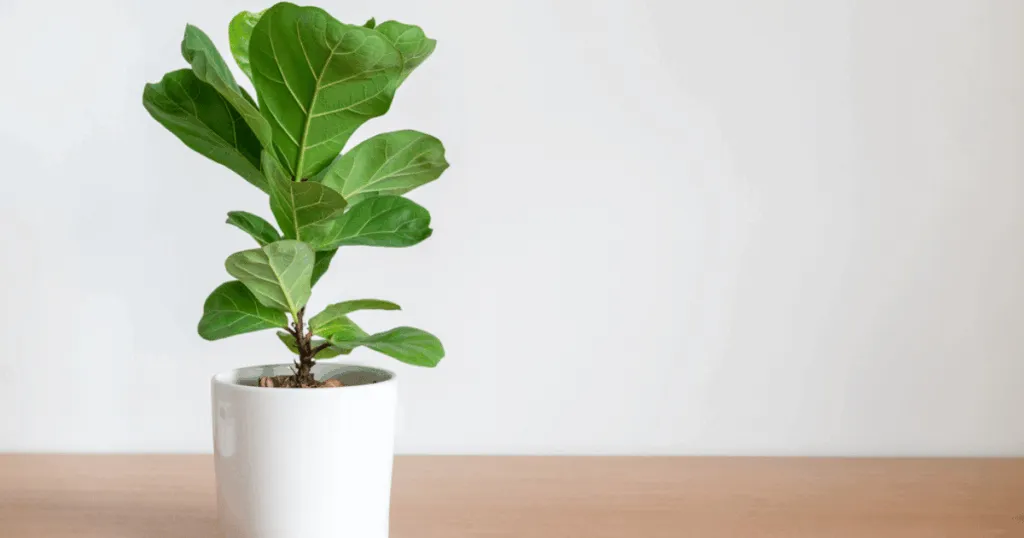
The defining feature of the Fiddle Leaf Fig is its large, leathery, dark green foliage. These leaves can grow quite wide, often reaching over a foot in length, which gives the plant a bold, sculptural presence. In an office, this size makes it an excellent choice for filling empty corners or acting as a natural room divider between desks.
Growth in an office setting is typically slower than in a nursery. You can expect a healthy plant to add a few new leaves during the peak growing season, provided it receives sufficient light. Unlike smaller desktop plants, the Fiddle Leaf Fig grows vertically. Over time, it can reach ceiling height if left unpruned. Many office managers prefer to keep them in a specific size range, which requires occasional pruning of the apical meristem—the top growing point—to encourage branching rather than just height.
The plant’s growth habit is strictly light-dependent. If the plant is turned away from its light source, it will lean aggressively, creating a lopsided silhouette. This phototropic response is strong in Ficus lyrata. To maintain a straight, professional appearance, the pot should be rotated slightly every few weeks to ensure even growth on all sides. Neglecting this simple maintenance step often results in a leaning plant that looks unkempt in a formal office setting.
Care Needs at a Glance
Managing a Fiddle Leaf Fig in an office requires a shift from a reactive mindset to a proactive one. Because these plants are sensitive to environmental shifts, the most important factor is consistency.
Light Requirements
Bright, indirect light is non-negotiable. In an office, this usually means placing the plant within a few feet of a south- or west-facing window, provided the light is diffused by blinds or curtains. Direct, harsh sunlight hitting the leaves through glass can cause scorching, while low-light corners will lead to slow leaf drop and a spindly, weak stem. If your office relies primarily on fluorescent or LED overhead lighting, a Fiddle Leaf Fig will likely fail to thrive without supplemental grow lights.
Watering and Humidity
The most common mistake in office settings is overwatering. The plant prefers to have the top inch of soil dry out completely before receiving more water. In an office, humidity is often lower than the plant’s native environment due to constant air conditioning. While it can adapt to average indoor humidity, it will struggle if placed directly in the path of an air vent. The constant airflow will dehydrate the leaves faster than the roots can pull moisture from the soil, leading to brown, crispy edges.
Office Suitability and Placement
The Fiddle Leaf Fig is best suited for stable, high-traffic areas where it can remain undisturbed. It is not a plant that should be moved frequently. If you are choosing a spot, prioritize a location that does not experience temperature swings. Entryways that open to the outside, areas near heating vents, and spots near frequently opened breakroom doors are all poor choices because the plant is highly sensitive to drafts.
For reception areas, a Fiddle Leaf Fig can provide a sophisticated, welcoming look. However, ensure the container is heavy enough to prevent tipping, especially in high-traffic zones. If the office has an open floor plan, consider placing the plant in a corner where it receives consistent light from two directions. This helps the plant grow more symmetrically. Avoid placing it in windowless conference rooms or cubicles that lack natural light, as the plant will quickly drop its lower leaves, leaving a bare, unattractive trunk.
Toxicity and Safety Considerations
It is important to note that the Fiddle Leaf Fig is considered toxic to cats and dogs. According to resources such as the ASPCA, the plant contains insoluble calcium oxalate crystals and an irritant latex sap. If a pet chews on the leaves or stems, it can cause oral irritation, excessive drooling, and vomiting. Furthermore, the sap can cause skin irritation or dermatitis in sensitive individuals. In an office environment where pets may be present, or where employees have small children visiting, it is a practical safety measure to place the plant in a location where it cannot be easily accessed or brushed against.
Advanced Maintenance and Troubleshooting
Beyond basic watering, maintaining the structural integrity of a Fiddle Leaf Fig involves managing the soil environment. In an office, containers often lack proper drainage, which is a primary driver of root rot. Ensure the decorative pot has a nursery liner with drainage holes. If the soil remains soggy, the roots will suffocate, leading to yellowing leaves that drop prematurely. This is a common symptom of poor plant maintenance in large office complexes where watering schedules are automated or handled by rotating staff.
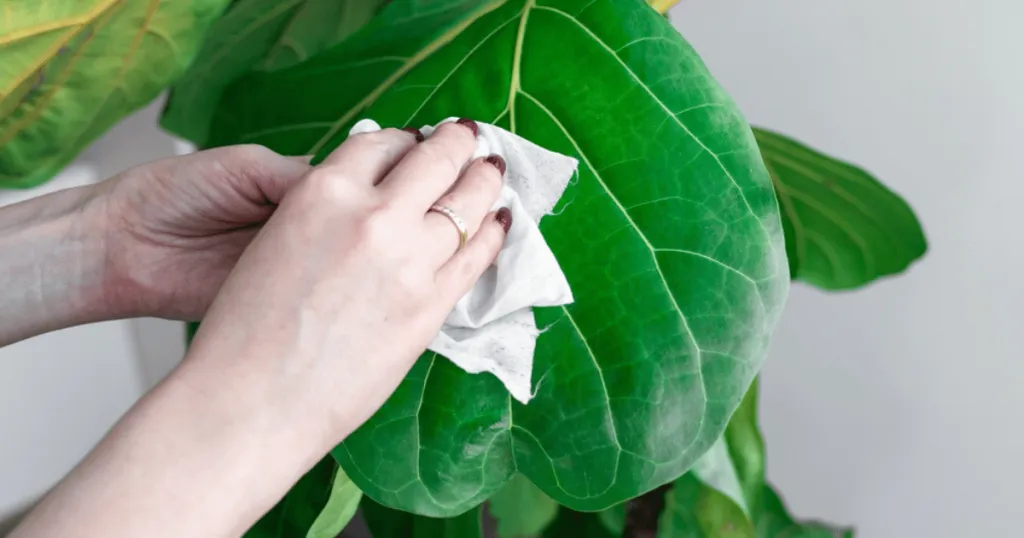
Dust accumulation is another silent threat to office plants. Large leaves act as dust magnets, which can block stomata and reduce the plant’s ability to photosynthesize. Wiping the leaves down with a damp cloth every few weeks is not just for aesthetics; it is a critical part of indoor gardening that ensures the plant can maximize the limited light available in an office setting. If you notice pests like spider mites, which thrive in the dry, warm air of HVAC-controlled offices, immediate isolation and treatment are required to prevent them from spreading to other workplace greenery.
Long-Term Decision Guidance
When selecting a Fiddle Leaf Fig for a workspace, consider the long-term commitment. These are not disposable plants. They require a stable environment and a consistent care routine. If your office layout changes frequently, or if the lighting conditions are highly variable, you may find that the plant suffers from chronic environmental stress. In such cases, consider whether the office aesthetics justify the intensive plant maintenance required. For many managers, the Fiddle Leaf Fig serves as a test of the office’s commitment to biophilic design, rewarding those who provide the necessary stability with a stunning, long-lived indoor tree.
Handoff to Detailed Care
While the information provided here covers the foundational requirements for keeping a Fiddle Leaf Fig in an office, the plant’s sensitivity means that troubleshooting specific issues—such as yellowing leaves, root rot, or sudden leaf drop—often requires more nuanced guidance. If you notice persistent leaf loss or signs of pests, it is best to consult a dedicated care guide that covers specialized repotting techniques and soil amendments. By maintaining a consistent environment and avoiding the common pitfalls of overwatering and drafty placement, you can keep your Fiddle Leaf Fig as a long-term, healthy feature of your workspace.
Related Fiddle Leaf Fig Guides
- keeping a Fiddle Leaf Fig healthy
- troubleshooting a Fiddle Leaf Fig
FAQ
Why is my Fiddle Leaf Fig dropping its lower leaves?
Leaf drop is usually a sign of stress, often caused by a sudden change in light or temperature. In offices, this is frequently triggered by moving the plant to a new spot or placing it near an HVAC vent that creates a cold or hot draft.
Can a Fiddle Leaf Fig survive in an office with only fluorescent lighting?
Generally, no. While these plants can survive in lower light for a short time, they will eventually decline. Fluorescent office lighting is rarely intense enough to support the energy needs of a Fiddle Leaf Fig. If natural light is unavailable, you must use dedicated, high-intensity LED grow lights.
How often should I rotate my Fiddle Leaf Fig in the office?
You should rotate the pot 45 to 90 degrees every time you water it. This ensures that all sides of the plant receive equal exposure to the light source, preventing the plant from leaning and keeping its growth habit vertical and symmetrical.