Dieffenbachia has long held a reputation as a temperamental plant, often viewed as a challenge for those without a green thumb. In the context of a busy office, this reputation is largely overstated. While it does require consistent care, it is remarkably resilient when placed in an environment that mimics its natural tropical understory habitat. For office managers and employees, the plant offers a lush, architectural presence that can soften the harsh lines of modern workspaces, provided you understand its specific needs regarding light and moisture.
- Thrives in medium to bright, indirect office lighting.
- Water when the top inch of soil feels dry.
- Requires average to above-average indoor humidity levels.
- Toxic to pets; contains irritating calcium oxalate crystals.
- Easy to moderate care level for most office environments.
The plant is not a “set it and forget it” species, but it is far from the delicate specimen many assume it to be. Its ability to adapt to indoor conditions makes it a staple in reception areas and meeting rooms. By avoiding common pitfalls like overwatering or placing it in direct, scorching sunlight, you can maintain a healthy, vibrant Dieffenbachia that contributes to a more welcoming workplace atmosphere.
Growth Habits and Visual Impact
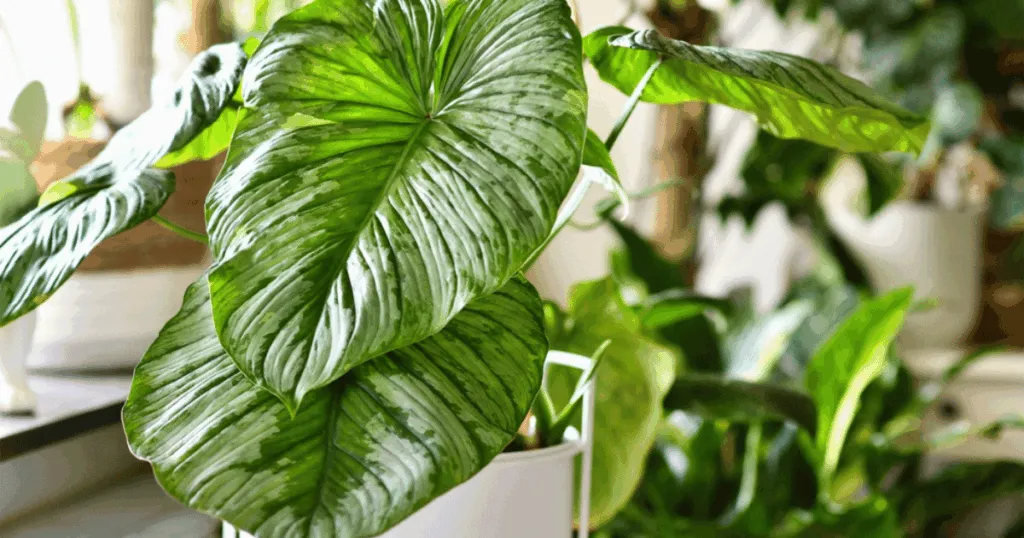
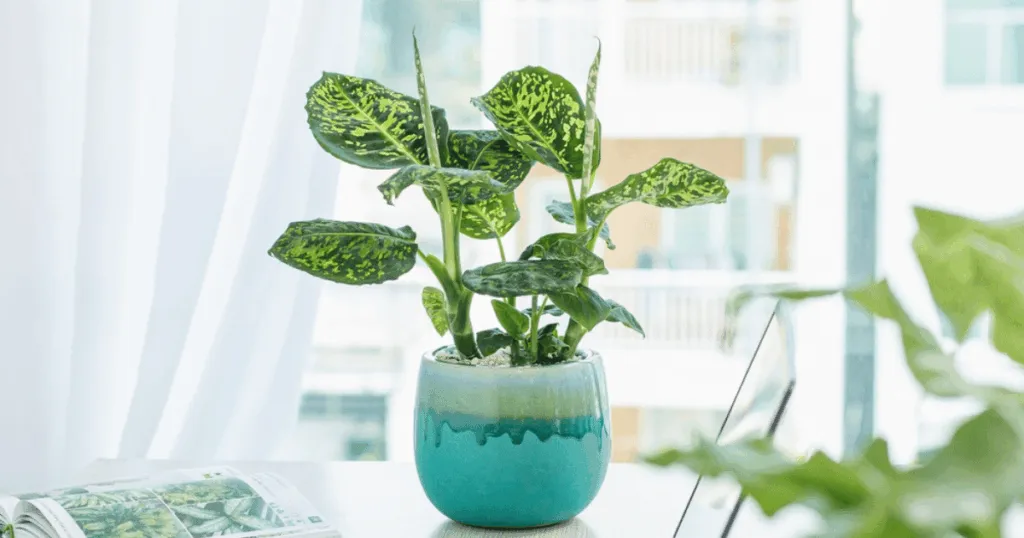
The Dieffenbachia, often recognized by its broad, variegated leaves, brings a distinct tropical aesthetic to indoor spaces. Its growth habit is primarily upright, with thick, succulent-like stems that support large, paddle-shaped foliage. Depending on the specific cultivar, the patterns on these leaves can range from creamy white splashes to deep, lime-green marbling, providing significant visual interest without the need for flowers.
In an office setting, the plant typically grows to a manageable height of two to four feet, though it can grow taller if given ample space and light. As the plant matures, it naturally sheds its lower leaves, exposing a sturdy, cane-like stem. This transition is a normal part of its life cycle rather than a sign of neglect. For those who prefer a bushier look, grouping several plants in a single large container can create a fuller, more substantial display that fills corners or divides open-plan desk areas effectively.
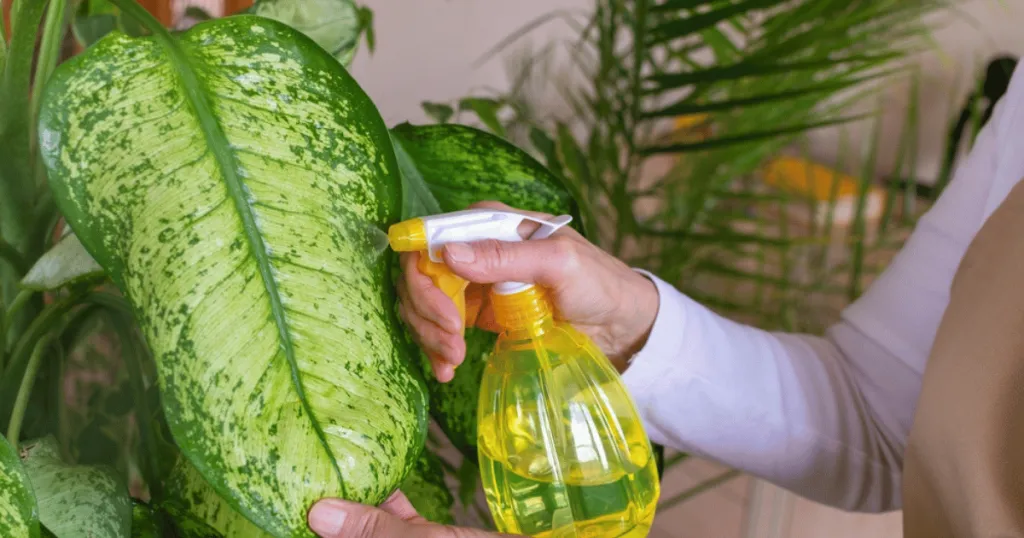
Because the leaves are broad and thin, they are prone to dust accumulation. In an office, where air circulation can be static, wiping the leaves down with a damp cloth every few weeks is essential. This not only keeps the plant looking professional but also ensures the foliage can efficiently photosynthesize under artificial office lighting. Its architectural structure makes it an excellent choice for filling vertical space, especially in areas where floor space is at a premium.
Managing Care in the Workplace
The primary key to success with Dieffenbachia is maintaining a consistent watering schedule. Because office environments often feature HVAC systems that dry out the air, the soil can lose moisture faster than expected. You should aim to let the top inch of soil dry out completely between waterings. Testing this is simple: insert your finger into the soil. If it feels dry to the first knuckle, it is time to water. If the soil remains damp, wait a few more days. Overwatering is the most common cause of root rot in office plants, so err on the side of caution.
Lighting is the second critical factor. While Dieffenbachia can tolerate lower light levels, it performs best in medium to bright, indirect light. If your office has large windows, keep the plant a few feet away to avoid direct sun exposure, which can bleach or burn the leaves. If you are relying on fluorescent or LED office lighting, ensure the plant is close enough to the source to receive adequate energy. A plant that is stretching or leaning heavily toward a light source is a clear indicator that it needs to be moved to a brighter spot.
Humidity is often the missing piece in office plant care. Dieffenbachia prefers higher humidity than the typical dry, climate-controlled office provides. While you do not need to install a dedicated humidifier, keeping the plant away from direct air vents or heaters will prevent the leaf edges from turning brown and crispy. If the office air is exceptionally dry, placing the pot on a tray filled with pebbles and a small amount of water can create a localized microclimate that helps the plant thrive.
Strategic Placement for Office Success
Choosing the right location for your Dieffenbachia can significantly reduce the amount of maintenance required. Reception areas are often ideal, as they typically receive consistent light and are monitored daily by staff who can notice if the plant needs water. Avoid placing the plant in high-traffic corridors where the leaves might be brushed against or damaged by passing foot traffic, as the foliage is somewhat delicate and can tear easily.
In meeting rooms, a Dieffenbachia can serve as a focal point, but ensure it is not placed directly under a cold air vent. Sudden temperature fluctuations can cause the plant to drop leaves prematurely. If you have an open-plan office, use the plant to define boundaries between workstations. Its height makes it a natural screen, providing a sense of privacy without blocking sightlines entirely. Always consider the weight of the pot; if you are placing the plant on a desk or shelf, ensure the surface is stable and can handle the weight of a damp, soil-filled container.
Safety and Botanical Considerations
It is important to address the toxicity of the Dieffenbachia. According to guidance from the ASPCA and various veterinary poison-control resources, the plant contains calcium oxalate crystals. These microscopic, needle-like structures are released when the plant tissue is chewed or broken. For pets, this can cause significant irritation, including swelling of the mouth, tongue, and throat, as well as difficulty swallowing.
While the plant is not typically lethal, the discomfort it causes is immediate and intense. In an office environment, this means the plant should be placed in areas inaccessible to any office pets or in spaces where employees are unlikely to handle the plant without proper care. It is a good practice to wash your hands after handling or pruning the plant to avoid transferring any sap to your eyes or mouth. If you are in a pet-friendly office, you may want to opt for non-toxic alternatives or ensure the Dieffenbachia is kept on a high, unreachable surface.
Moving Forward with Your Plant
Dieffenbachia is a rewarding addition to any professional environment, offering a lush, tropical aesthetic that is well-suited to indoor conditions. By focusing on consistent watering, adequate indirect light, and mindful placement, you can enjoy the plant’s architectural beauty for years. The most successful office managers treat the plant as a living piece of office infrastructure, checking its soil moisture during weekly rounds and ensuring its leaves remain free of dust.
If you encounter specific issues, such as yellowing leaves or stunted growth, these are usually symptoms of environmental stress that can be corrected with minor adjustments. We recommend consulting specialized troubleshooting guides for detailed advice on repotting or addressing specific pest issues. For now, focus on establishing a stable routine, and your Dieffenbachia will likely become one of the most reliable plants in your office collection.
Related Dieffenbachia Guides
- the full Dieffenbachia care breakdown
- Dieffenbachia symptoms and fixes
FAQ
Can Dieffenbachia survive in a windowless office with only artificial light?
It can survive, but it will not thrive. Dieffenbachia requires consistent, bright indirect light to maintain its variegation and healthy growth. In a windowless room, you will likely need to supplement with a dedicated full-spectrum grow light to prevent the plant from becoming leggy or losing its leaves.
Why are the lower leaves of my Dieffenbachia turning yellow and falling off?
It is normal for older, lower leaves to yellow and drop as the plant grows taller and develops its characteristic cane-like stem. However, if multiple leaves are yellowing simultaneously, it is often a sign of overwatering or poor drainage. Check the soil moisture and ensure the pot has adequate drainage holes.
Is it safe to keep a Dieffenbachia in a shared workspace?
Yes, provided it is placed safely. The plant is only toxic if ingested or if the sap comes into contact with sensitive skin or mucous membranes. As long as employees do not chew on the leaves or handle the plant excessively without washing their hands, it poses no risk to humans in a standard office environment.