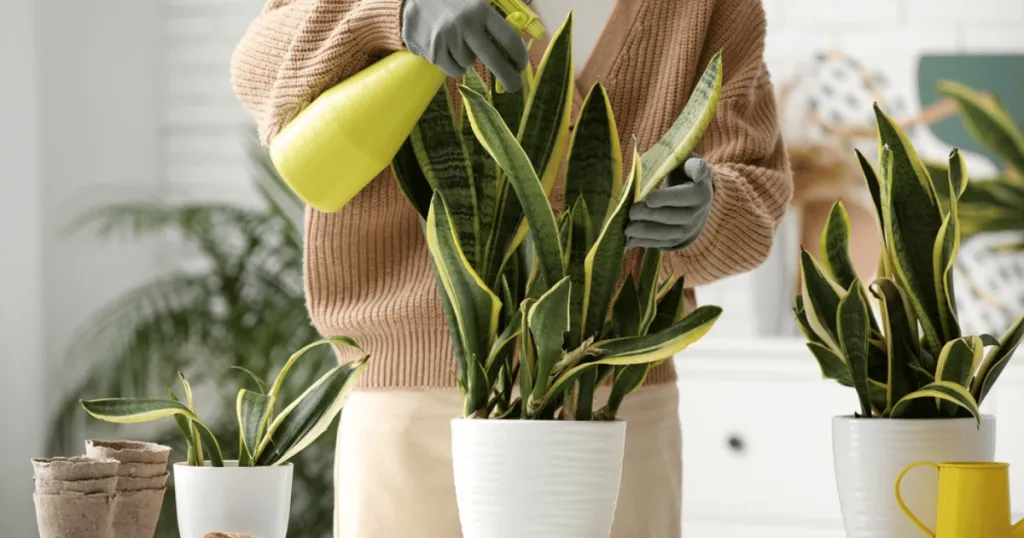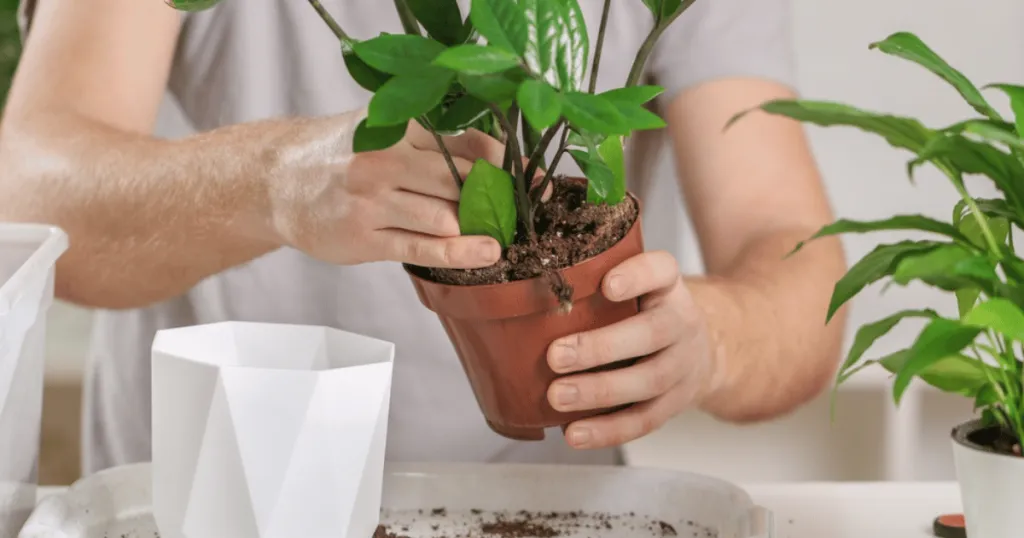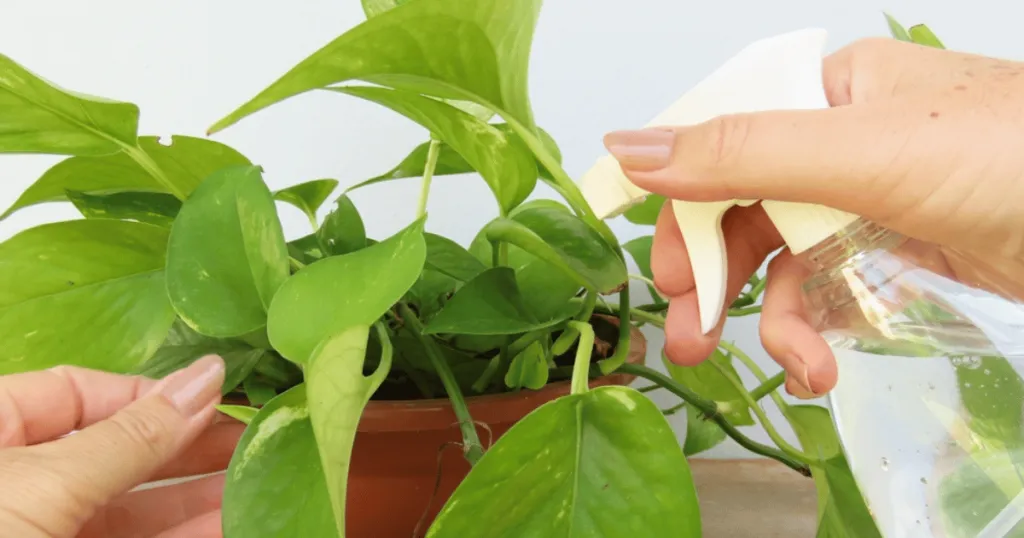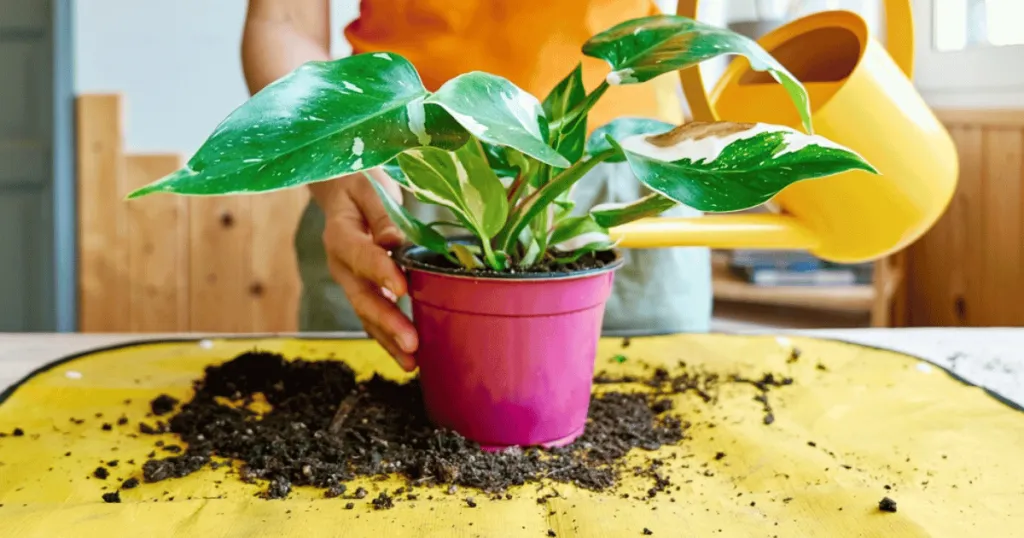
Successful dieffenbachia care in an office setting centers on balancing its need for consistent light with the realities of artificial environments. These plants are prized for their lush, variegated foliage that can brighten up a dull corner or reception desk, but they require a steady hand when it comes to moisture levels. The most important takeaway for any office manager or employee is to avoid the common trap of overwatering, which is the primary cause of decline for this species. By maintaining a routine that respects the top-inch-dry rule, you can ensure your plant remains a vibrant, healthy fixture in your workspace.
Quick Facts
- Light: Medium to bright indirect light is essential.
- Watering: Allow the top inch of soil to dry between waterings.
- Humidity: Prefers average to above-average indoor humidity levels.
- Toxicity: Toxic to pets; contains calcium oxalate crystals.
Because dieffenbachia, often called the dumb cane, thrives in the stable temperatures typical of modern office buildings, it is well-suited for indoor life. However, its sensitivity to fluctuating moisture and light levels means that placement is just as critical as your watering schedule. Whether you are managing a single desk plant or a larger specimen in a meeting room, consistency is your best tool for long-term health.
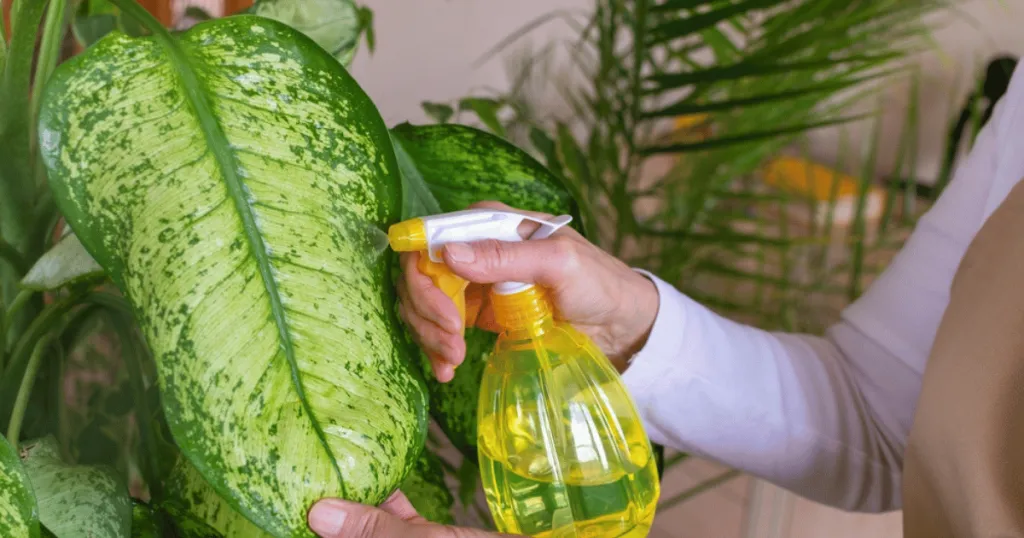
Light Requirements and Strategic Placement
Dieffenbachia plants are remarkably adaptable, but they perform best when given medium to bright indirect light. In an office, this usually means placing the plant near a window that does not receive harsh, direct sunlight. Direct sun can scorch the broad, patterned leaves, leading to unsightly brown patches that do not heal. Conversely, placing the plant in a dark corner or a windowless hallway will cause it to stretch toward the light, resulting in a leggy, weak appearance that loses its characteristic density.
If your office relies primarily on fluorescent or LED lighting, monitor your plant closely. While dieffenbachia can survive in lower light conditions, it will grow significantly slower and may lose some of its vibrant variegation. If you notice the plant leaning heavily toward a specific light source, rotate the pot a quarter turn every week to encourage even growth. For those in windowless offices, a desk lamp with a full-spectrum bulb can provide the supplemental light needed to keep the plant vigorous.
When selecting a spot, consider the proximity to HVAC vents. While these plants enjoy the stable temperatures of an office, they do not like being blasted by direct airflow from heating or cooling systems. Constant drafts can cause the leaves to dry out prematurely or drop, regardless of how well you are watering the soil. Aim for a location with stable, ambient light and protection from direct air currents.
Furthermore, consider the light quality during seasonal shifts. In many office buildings, the sun’s angle changes significantly during winter, potentially turning a safe spot into one that receives direct, harsh rays. Adjusting the plant’s position by a few feet during these months can prevent leaf scorch. Additionally, if you are utilizing artificial lighting, ensure the light source is positioned at a distance that prevents heat buildup on the foliage, as high-intensity bulbs placed too close can cause localized tissue damage.
Watering and Soil Management
The most common mistake in dieffenbachia care is overwatering, which leads to root rot and eventual plant failure. Because office plants are often in pots without drainage holes or are subjected to well-meaning colleagues adding water too frequently, it is vital to establish a clear protocol. Always check the soil moisture by inserting your finger into the pot. If the top inch of soil is still damp, wait a few days before adding more water.
When you do water, ensure that you saturate the soil thoroughly until water begins to drain from the bottom of the pot. If your decorative container lacks drainage, you must be extremely cautious. It is often better to keep the plant in a plastic nursery pot inside the decorative one. This allows you to remove the inner pot, water it in a sink, and let the excess drain completely before returning it to the display container. Never let the plant sit in standing water, as this creates a breeding ground for pathogens that attack the root system.
The soil itself should be well-draining yet capable of holding some moisture. A standard peat-based potting mix amended with perlite or pumice is ideal. This combination ensures that the roots have access to oxygen while retaining enough water to keep the plant hydrated between sessions. If the soil feels compacted or turns into a hard brick, it is time to repot, as this prevents water from reaching the root ball evenly.
In high-traffic office environments, soil compaction is a frequent, overlooked issue. Foot traffic and vibrations can settle the soil over time, reducing the air pockets necessary for root health. If you notice water pooling on the surface rather than soaking in, the soil has likely become too dense. Gently aerating the top layer with a chopstick or small tool can help restore airflow to the root zone without the immediate need for a full repotting session.
Humidity, Temperature, and Feeding
Dieffenbachia prefers the average to above-average humidity levels found in most indoor environments. In office buildings, the air is often quite dry, especially during winter months when heating systems are running. If you notice the tips of the leaves turning brown and crispy, this is a sign that the ambient humidity is too low. You can mitigate this by grouping plants together to create a microclimate or by placing the pot on a tray filled with pebbles and a small amount of water, ensuring the bottom of the pot does not touch the water itself.
Temperature-wise, these plants are very comfortable in standard office ranges, typically between 65 and 75 degrees Fahrenheit. They should be kept away from extreme cold, such as spots near exterior doors that open frequently during winter, or extreme heat near radiators. Stability is the key to preventing stress.
Regarding nutrition, feed your dieffenbachia with a balanced, water-soluble fertilizer diluted to half-strength during the growing season, which generally spans spring through early autumn. In an office environment, growth often slows down significantly during the winter, so you should stop fertilizing entirely during these months. Over-fertilizing can lead to a buildup of salts in the soil, which can burn the roots and manifest as yellowing leaf margins.
For office managers, it is helpful to note that humidity levels often drop significantly during weekends when HVAC systems are set to energy-saving modes. If your office building experiences drastic humidity drops, consider using a small, silent humidifier near the plant or focusing on grouping plants to retain moisture. This collective approach helps maintain a more stable environment for all foliage, reducing the risk of crispy leaf edges that often plague dieffenbachia in dry, climate-controlled offices.
Repotting, Pruning, and Propagation
As your dieffenbachia grows, it will eventually outgrow its container. You will know it is time to repot when you see roots circling the bottom of the pot or growing out of the drainage holes. When moving to a larger container, choose one that is only one or two inches wider in diameter than the current one. Using a pot that is too large can lead to excess soil that stays wet for too long, increasing the risk of root rot.
Pruning is a necessary part of maintenance for older, taller plants. If your dieffenbachia becomes too tall or loses its lower leaves, you can prune the main stem back to encourage bushier growth. Always use clean, sharp shears and wear gloves, as the sap can be an irritant. The plant will often sprout new growth from the cut site or lower down on the stem.
Propagation is straightforward and can be a great way to refresh an office collection. You can propagate dieffenbachia through stem cuttings. Simply take a section of the stem, ensure it has at least one node, and place it in water or moist soil. Within a few weeks, roots will develop, and you can pot the new plant. This is a practical way to manage the size of an aging plant while creating new specimens for other areas of the office.
When pruning in an office, always ensure the workspace is protected from the sap. The milky substance can stain surfaces and irritate skin. Laying down newspaper or a plastic mat before pruning is a professional touch that prevents cleanup headaches. Furthermore, when propagating, using clear glass containers for water rooting allows you to monitor root development easily, which can be an engaging way to demonstrate plant health to colleagues or visitors.
Safety and Common Care Challenges
It is important to address the toxicity of this plant. According to guidance from the ASPCA and various veterinary resources, dieffenbachia is toxic to cats and dogs if ingested. The plant contains calcium oxalate crystals, which can cause intense irritation, swelling, and temporary numbness of the mouth, tongue, and throat in both pets and humans. In an office, this means keeping the plant out of reach of any office pets and ensuring that employees know not to handle the plant without washing their hands afterward.
Common care mistakes often stem from a lack of observation. Yellowing leaves can indicate either overwatering or, less commonly, underwatering. If the leaves are yellow and mushy, check for root rot immediately. If they are yellow and crispy, the plant is likely thirsty. Another challenge is pests, such as spider mites or mealybugs, which thrive in dry office air. Regularly wiping the leaves with a damp cloth not only keeps them clean for better photosynthesis but also allows you to inspect for early signs of an infestation. If you spot pests, isolate the plant and treat it with a mild insecticidal soap according to the manufacturer instructions.
In professional settings, it is wise to place a small, discreet sign or label near the plant if it is in a public-facing area, especially if children or pets are frequent visitors. While the plant is a beautiful addition to the decor, transparency regarding its toxicity is a standard safety protocol. If an accidental ingestion occurs, contact a medical professional or a poison control center immediately, as the calcium oxalate crystals can cause significant discomfort and swelling in the throat, potentially obstructing breathing in severe cases.
Optimizing Dieffenbachia for Professional Spaces
Integrating Dieffenbachia into a professional environment requires more than just basic survival; it requires an understanding of how the plant interacts with the office ecosystem. In open-plan offices, these plants can serve as natural sound buffers or visual partitions. Because they grow vertically, they are excellent for filling vertical space without taking up too much floor real estate. However, their size means they can become top-heavy. Ensure that your decorative pots are weighted at the bottom to prevent tipping in high-traffic areas.
When planning for long-term maintenance, consider the “weekend effect.” Office plants often go through cycles of neglect during weekends or holidays. Because Dieffenbachia prefers to dry out slightly, it is actually one of the better candidates for offices that experience lower activity on weekends. However, if your office climate control shuts off completely on weekends, leading to extreme temperature spikes or drops, you may need to move the plant to a more interior, climate-stable location before leaving for the weekend.
Finally, consider the aesthetic maintenance of the plant. Dust accumulation on broad leaves is a common issue in offices, which can inhibit light absorption. A monthly cleaning routine where you gently wipe the leaves with a damp cloth is not just for pest control; it is a vital part of keeping the plant’s metabolism active. This simple act of care can prevent the plant from looking dull and dusty, ensuring it remains an asset to your office decor rather than a neglected corner piece. By treating the plant as a living component of your office infrastructure, you ensure it thrives as a long-term asset rather than a temporary decoration.
Related Dieffenbachia Guides
- the Dieffenbachia plant guide
- Dieffenbachia symptoms and fixes
FAQ
Why are the lower leaves of my dieffenbachia turning yellow and falling off?
It is natural for older, lower leaves to yellow and drop as the plant matures and grows taller. However, if multiple leaves are yellowing simultaneously, it often points to overwatering or poor soil drainage. Ensure the top inch of soil is dry before watering again and check that the pot is not sitting in standing water.
Is the sap of the dieffenbachia dangerous to handle?
The sap contains calcium oxalate crystals that can cause skin irritation or a burning sensation if it comes into contact with sensitive skin or eyes. When pruning or repotting, it is a best practice to wear gloves and wash your hands thoroughly afterward to avoid accidental contact with your face or eyes.
Can I keep my dieffenbachia in a windowless office with only fluorescent lights?
Dieffenbachia can survive under standard office fluorescent lighting, but it will likely grow very slowly and may lose some of its leaf variegation. To keep it healthy long-term, consider placing it in a spot with at least some natural indirect light or using a dedicated full-spectrum LED desk lamp to supplement its needs.
How do I know if my plant is getting too much water?
Signs of overwatering include yellowing leaves, soft or mushy stems, and a damp, musty smell coming from the soil. If you suspect overwatering, stop watering immediately and allow the soil to dry out. In severe cases, you may need to remove the plant from its pot to inspect the roots for decay and trim away any damaged sections.