Affiliate Disclosure: As an Amazon Associate, I earn from qualifying purchases.
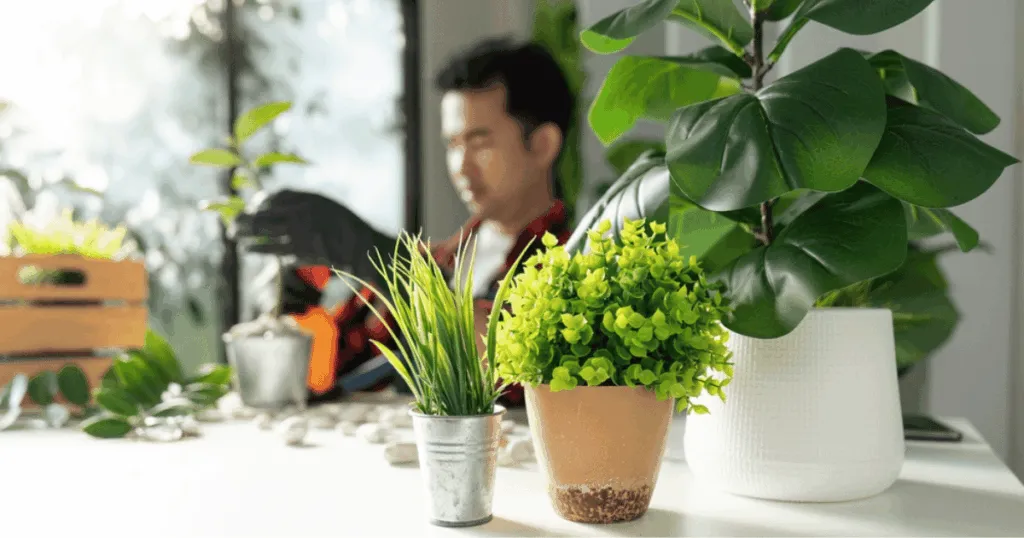
Choosing the best potted plants for office desk environments requires moving beyond general gardening advice. Unlike home settings where natural light might be abundant, office spaces are defined by artificial fluorescent or LED lighting, recycled air, and a lack of seasonal variation. The ideal desk plant must be a survivor, capable of maintaining its health despite the lack of direct sunlight and the potential for irregular watering schedules during busy work weeks or holiday breaks.
- Choose plants that thrive in consistent, low-intensity artificial light.
- Select species that tolerate the dry air of HVAC-controlled offices.
- Prioritize compact growth habits to maintain usable desk surface area.
- Ensure the container has drainage to prevent root rot issues.
When selecting your plant, prioritize durability and scale. A sprawling fern or a massive palm will quickly overwhelm your workspace, making it difficult to manage your keyboard, monitor, and documents. Instead, focus on slow-growing, upright, or trailing varieties that occupy vertical space rather than horizontal footprint. By matching the plant’s biological needs to the specific constraints of your cubicle or open-office desk, you ensure a long-term companion rather than a temporary decorative piece that requires constant replacement.
Defining the Office-Ready Criteria
The primary challenge in an office environment is the light quality. Most office lighting is designed for human productivity, not photosynthesis. While some plants can survive in these conditions, they will not grow rapidly. You should look for species that are shade-tolerant or adapted to the forest floor, where light is filtered and dim. If your desk is located in a windowless interior room, prioritize plants that are known for their extreme low-light tolerance.
Humidity is another critical factor. Office HVAC systems are notorious for stripping moisture from the air, creating a desert-like environment that can cause leaf tips to brown on sensitive plants. You need species that can handle these fluctuations without needing a humidifier on your desk. Additionally, consider the maintenance burden. A plant that requires daily misting or precise soil moisture monitoring is a liability. The best choices are those that prefer their soil to dry out between waterings, providing a buffer if you are away for a long weekend or a week-long business trip.
Top Selections for Your Workspace
Snake Plant (Dracaena trifasciata)
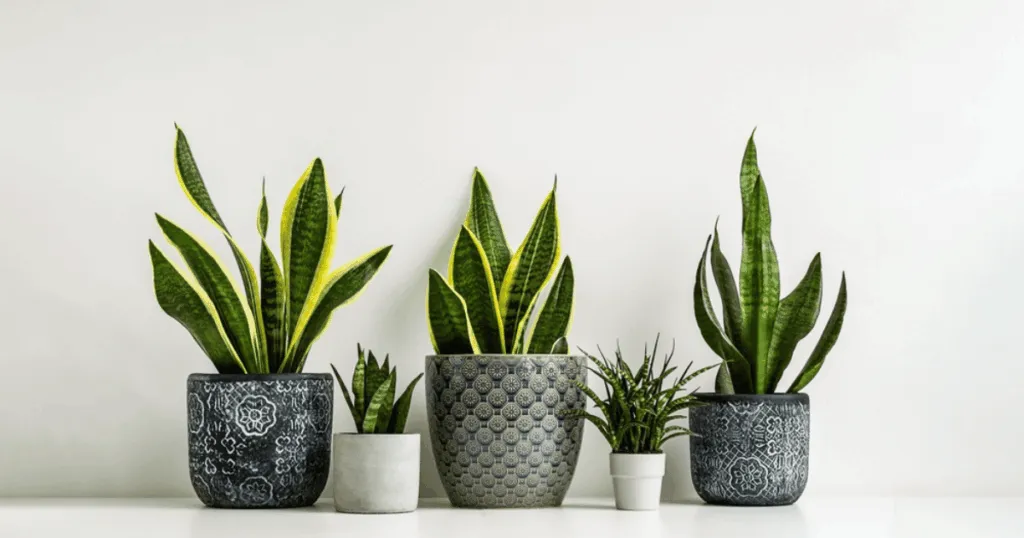
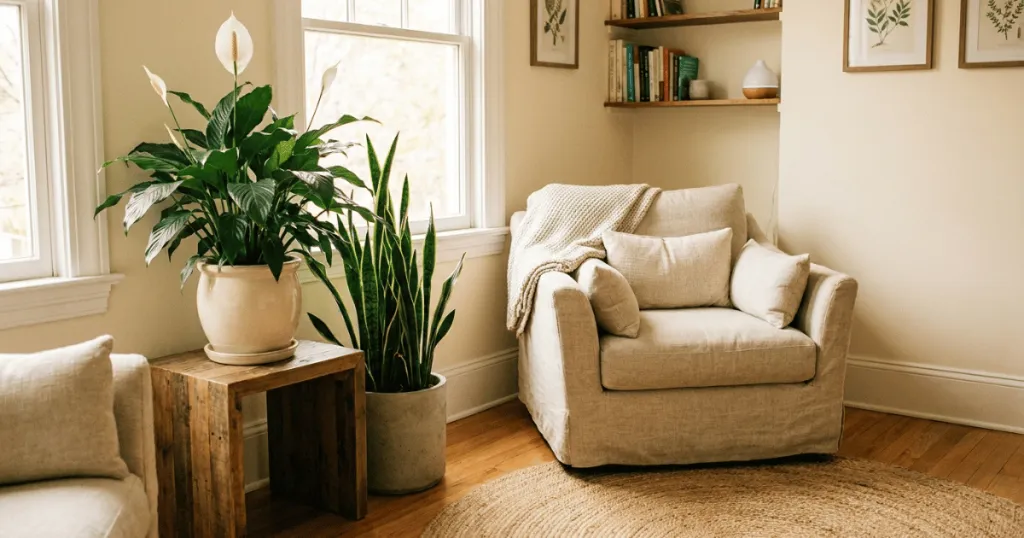
The Snake Plant is arguably the most resilient option for any office. Its stiff, sword-like leaves are not only visually striking but also incredibly efficient at surviving in low-light corners. Because it stores water in its thick, succulent leaves, it is highly forgiving if you forget to water it for two weeks. Keep it in a small, sturdy pot to ensure it doesn’t tip over, as the leaves can become top-heavy over time.
ZZ Plant (Zamioculcas zamiifolia)
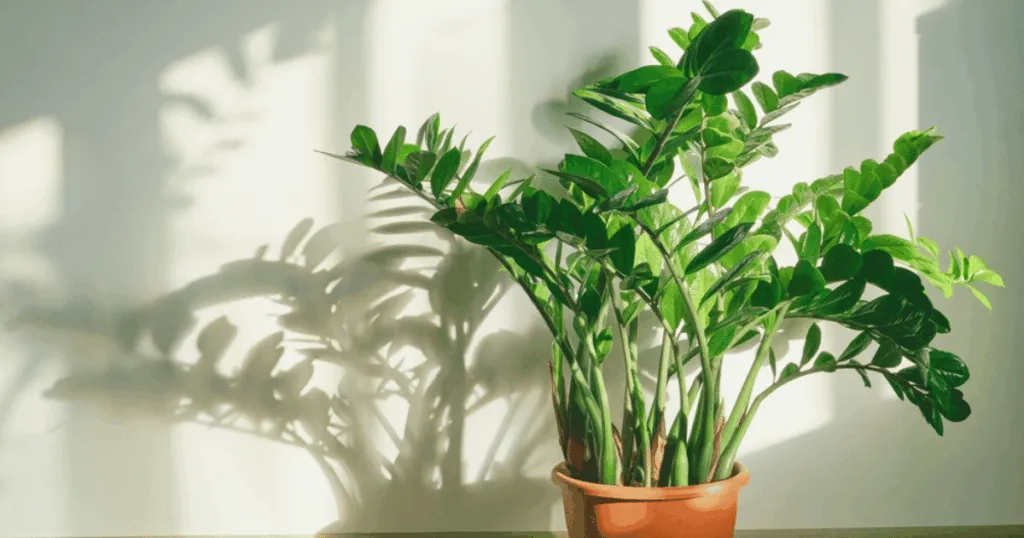
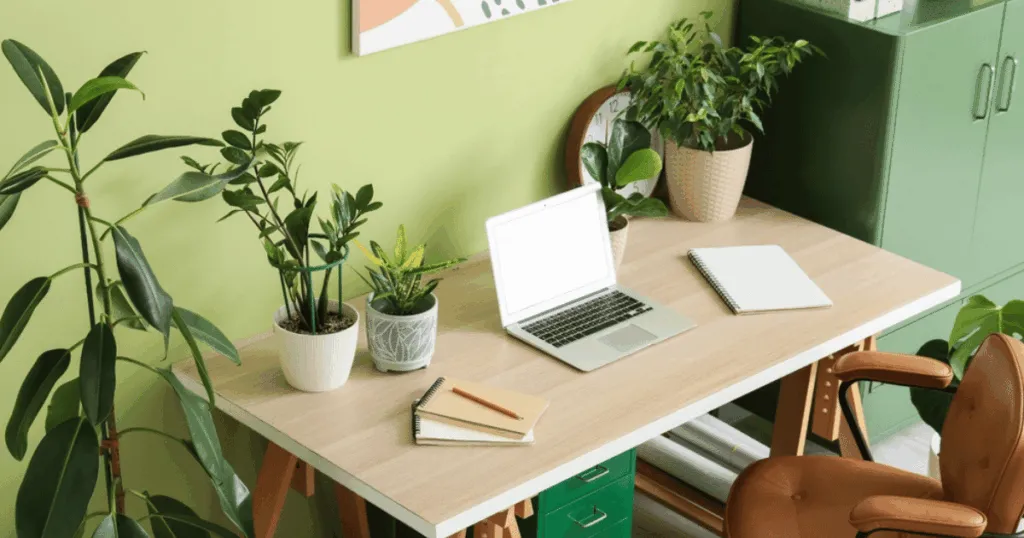
If you have a desk that receives almost no natural light, the ZZ plant is your best candidate. It features waxy, deep green leaves that reflect ambient office light, giving it a polished look. It is remarkably drought-tolerant, thanks to its underground rhizomes that act as water reservoirs. This plant is ideal for the manager who wants a professional, low-maintenance aesthetic without the stress of frequent care.
Pothos (Epipremnum aureum)
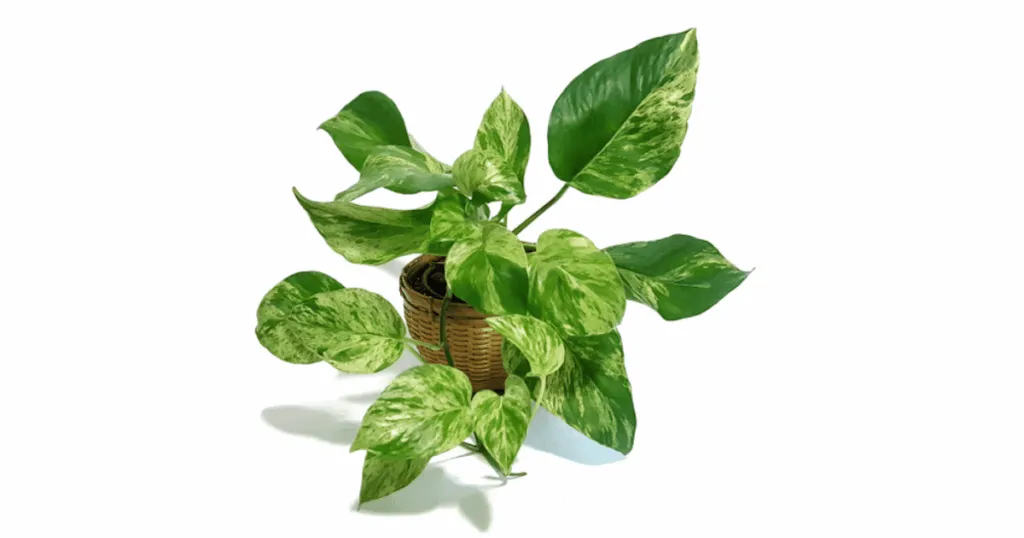
For those who prefer a trailing look, the Pothos is a classic for a reason. It is incredibly communicative; when it needs water, the leaves will droop slightly, signaling that it is time for a drink. It thrives in various lighting conditions, from dim cubicles to brighter spots near a window. You can prune it easily to keep it from taking over your monitor space, making it a highly adaptable choice for smaller desks.
Peace Lily (Spathiphyllum)
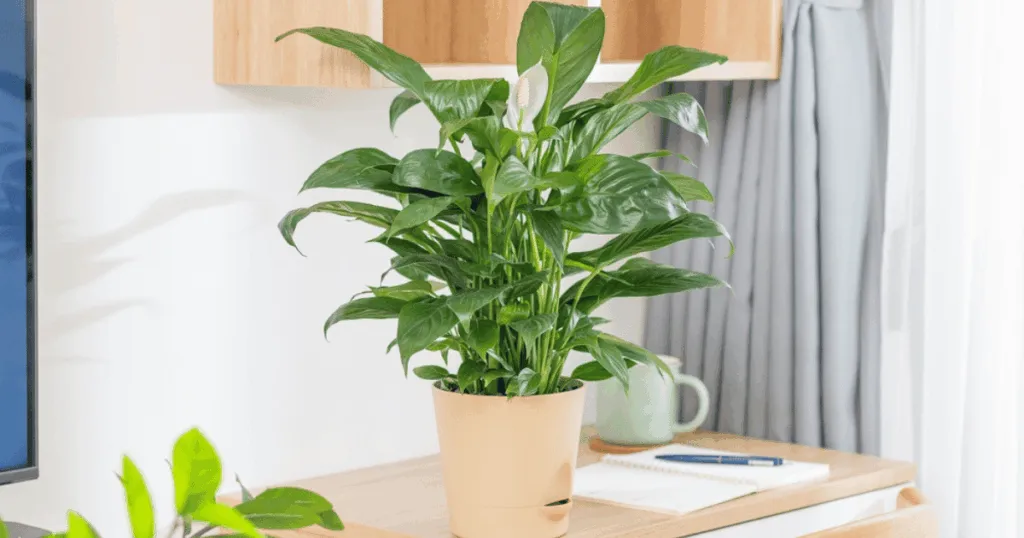
The Peace Lily is one of the few flowering plants that perform well in lower light. While it prefers slightly more moisture than the Snake Plant or ZZ plant, it is very vocal about its needs—the entire plant will wilt dramatically when it is thirsty, then bounce back within hours of watering. This makes it an excellent choice for someone who wants a plant that clearly shows when it needs attention.
Cast Iron Plant (Aspidistra elatior)
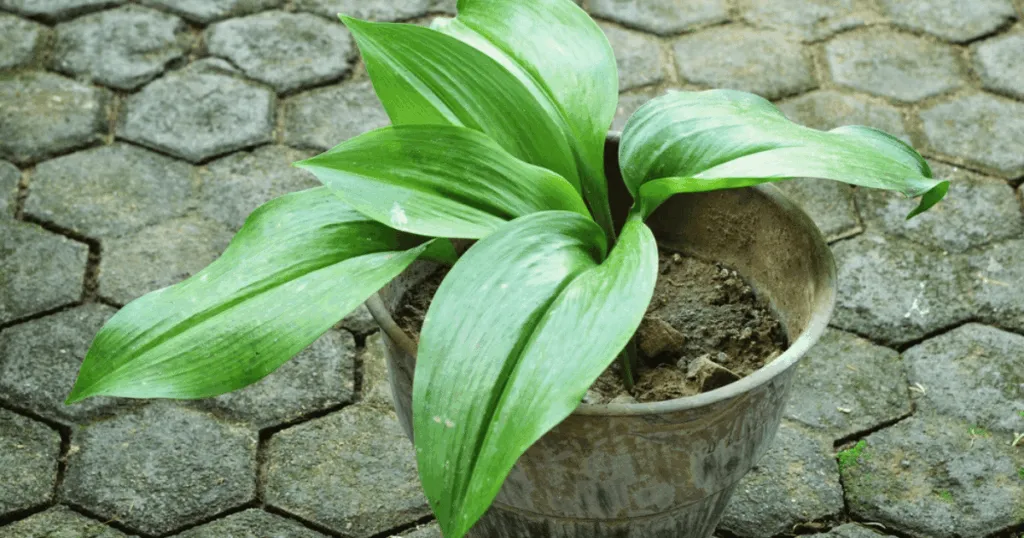
True to its name, this plant is nearly indestructible. It is a slow grower, which is a significant advantage for a desk plant, as it won’t outgrow its container quickly. It tolerates poor air quality, varying temperatures, and low light with ease. If you want a plant that will sit quietly on your desk for years without demanding much, the Cast Iron Plant is a top-tier contender.
Strategic Placement and Usage
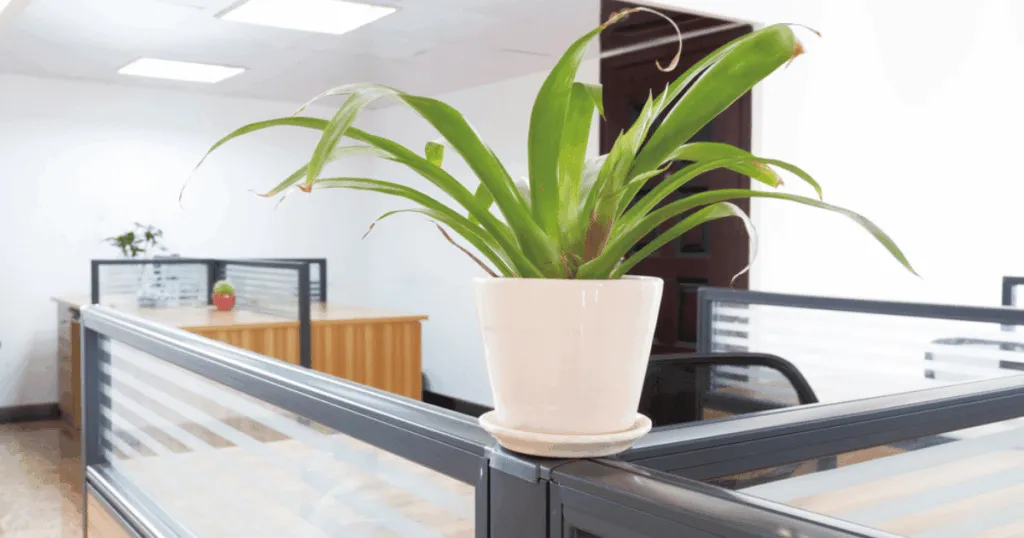
Placement is as much about the plant’s health as it is about your workflow. Avoid placing your plant directly in the path of an HVAC vent, as the constant stream of forced air can cause rapid dehydration and stress. If your desk is in an open office, consider using a plant as a natural barrier to create a sense of privacy. A row of small, potted Snake Plants can act as a living screen, softening the visual noise of a busy office floor.
When arranging your desk, ensure the plant container is stable. A common mistake is using lightweight plastic nursery pots that tip over easily. Invest in a heavy ceramic or stone pot that provides a low center of gravity. This prevents accidental spills during a hectic day. Also, consider the verticality of your space. If your desk is cluttered, use a small riser or a wall-mounted planter to keep the plant elevated, freeing up valuable surface area while still enjoying the benefits of greenery.
Limitations and Trade-offs
No plant is truly “set and forget.” Even the most resilient species will eventually suffer if they are kept in a windowless room with no light at all. If your office has zero natural light, consider rotating your plants periodically to a brighter area, such as a breakroom or a windowed hallway, for a few days each month. This “recharge” period can significantly extend the lifespan of your desk plants.
Another trade-off involves growth speed. Plants that thrive in low light generally grow slowly. If you are looking for a lush, jungle-like aesthetic, you may be disappointed by the steady, measured pace of these office-hardy varieties. Accepting that these plants are meant for long-term endurance rather than rapid transformation is key to enjoying them. Finally, be mindful of the potential for pests. While rare in office environments, check your plants occasionally for dust buildup on the leaves, which can block light and attract mites. A simple wipe-down with a damp cloth every few weeks is sufficient to keep them clean and healthy.
A Note on Plant Maintenance
We believe that keeping plants in an office should be an enhancement to your workday, not a source of additional stress. The plants listed here are chosen specifically for their ability to withstand the unique pressures of a corporate environment. By choosing species that align with your office’s light and humidity levels, you minimize the risk of plant failure. Remember that in an office, less is usually more when it comes to watering and fertilizing. Over-care is a far more common cause of plant death than neglect. When in doubt, wait an extra day before watering; most of these species prefer slightly dry soil over waterlogged roots.
Optimizing Biophilic Design in Small Spaces
Integrating greenery into a workspace is a core tenet of biophilic design, which seeks to connect office workers with nature to improve indoor environment quality. Even a single, well-placed plant can reduce the feeling of confinement often associated with cubicles. When selecting your best potted plants for office desk use, consider the psychological impact of the foliage texture. Broad-leafed plants like the ZZ plant provide a sense of lushness, while the upright, architectural form of the Snake Plant offers a clean, modern aesthetic that fits well with minimalist office furniture.
For those working in open-plan offices, the strategic use of plants can serve as a non-intrusive room divider. Using a series of small, uniform pots creates a boundary that defines your personal space without the need for high partitions. This practice not only enhances the visual appeal of the office but also contributes to a more calming atmosphere. Remember to keep the scale in mind; the goal is to create a sense of enclosure and comfort, not to turn your desk into a dense thicket that hinders your ability to work efficiently.
Managing Environmental Stress Factors
Office environments are dynamic, and plants must contend with fluctuating conditions. One of the most significant stressors is the weekend “shutdown” of HVAC systems. In many buildings, temperatures can drop or rise significantly when the office is unoccupied. Hardy plants like the Cast Iron Plant are particularly adept at handling these temperature swings. However, if you notice your plant struggling, check for signs of cold drafts near windows or heat buildup near electronic equipment like printers and servers.
Another factor is the quality of water provided. Office tap water can sometimes be high in minerals or chlorine, which may accumulate in the soil over time. If you notice white crusting on the surface of your potting mix, it is a sign of mineral buildup. To mitigate this, consider using filtered water or allowing tap water to sit in an open container for 24 hours before watering. This simple step can prevent leaf tip burn and keep your plants looking vibrant throughout the year.
The Role of Potting Media and Drainage
The container you choose is just as important as the plant itself. Many decorative pots lack drainage holes, which is a recipe for disaster in an office setting. Without a way for excess water to escape, the roots will sit in stagnant water, leading to root rot—a common killer of office plants. If you fall in love with a decorative pot that lacks drainage, use it as a cachepot. Keep your plant in its original plastic nursery pot, place a layer of pebbles at the bottom of the decorative pot to elevate the nursery pot, and ensure the inner pot is never sitting in water.
Choosing the right potting mix is also essential. Standard garden soil is often too dense and retains too much moisture for indoor office plants. Opt for a high-quality, peat-based or coco-coir-based indoor potting mix that includes perlite or pumice. These amendments improve aeration, allowing the roots to breathe and preventing the soil from becoming compacted. A well-draining mix ensures that even if you accidentally overwater, the excess moisture will drain away, protecting the plant from the most common cause of indoor plant failure.
Long-Term Plant Longevity
Achieving plant longevity in an office requires a proactive approach to care. As your plant grows, it may eventually become root-bound, meaning the roots have filled the entire pot and have nowhere left to grow. While many of the plants listed here prefer to be slightly root-bound, a plant that has completely outgrown its container will struggle to absorb water and nutrients. Every 18 to 24 months, inspect the root system. If you see roots circling the bottom of the pot or growing out of the drainage holes, it is time to repot into a container that is one size larger.
Repotting is also an opportunity to refresh the soil, providing the plant with new nutrients. When you repot, be gentle with the root ball to avoid transplant shock. After moving the plant to a new home, ensure it is placed back in its original location to minimize further stress. By attending to these long-term needs, you can ensure that your desk plant remains a healthy, thriving part of your workspace for years to come, contributing to a more pleasant and productive office environment.
FAQ
How often should I water my desk plant?
Most desk plants prefer to dry out between waterings. Check the soil moisture by inserting your finger about an inch deep; if it feels dry, it is time to water. Avoid a strict calendar schedule, as office humidity and temperature change frequently.
Can I keep these plants in a windowless office?
Yes, but they will grow very slowly. Plants like the Snake Plant and ZZ plant are the best potted plants for office desk spaces with no natural light, as they are highly tolerant of low-intensity artificial lighting.
What should I do if my plant leaves are turning yellow?
Yellowing leaves often indicate overwatering or poor drainage. Ensure your pot has drainage holes so excess water can escape. If the soil is consistently soggy, allow it to dry out completely before watering again.
Do I need to fertilize my office plants?
Office plants grow slowly due to lower light, so they require very little fertilizer. A light application of a balanced, water-soluble fertilizer once or twice during the spring and summer is usually sufficient.