The Boston Fern is a visually striking, non-toxic office plant that requires consistent moisture and high humidity to prevent rapid leaflet drop in climate-controlled spaces.
- Thrives in medium indirect light; avoid direct sun exposure.
- Requires consistently moist soil; never allow to dry out completely.
- Needs high humidity; use pebble trays or misting in HVAC areas.
- Non-toxic to cats and dogs according to ASPCA guidelines.
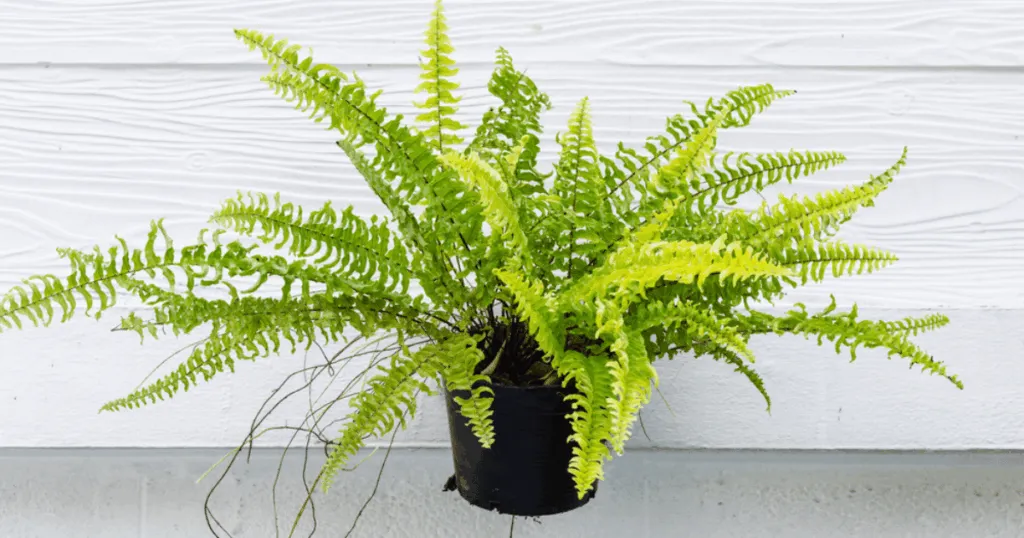
Defining the Boston Fern in the Workplace
The Boston Fern (Nephrolepis exaltata) is a classic choice for office greenery, prized for its lush, arching fronds and soft, feathery texture. Unlike many succulents or hardy foliage plants that tolerate neglect, the Boston Fern acts as a living indicator of your office environment’s health. It is distinct in an office setting because it brings a vibrant, woodland aesthetic to sterile cubicles and meeting rooms, but it does so only when its specific environmental demands are met. If your office is prone to fluctuating temperatures or aggressive HVAC systems, this plant will quickly signal its distress through browning or shedding.
For office managers, this fern is not a “set it and forget it” decoration. It is a high-maintenance companion that rewards consistent care with a lush, full appearance. While it lacks the structural rigidity of a snake plant or the drought tolerance of a pothos, its ability to soften the hard lines of office furniture and improve the visual softness of a room is unmatched. Understanding its requirements before bringing one into your workspace is the most effective way to ensure it remains a feature rather than a chore.
Appearance and Growth Habit
The Boston Fern is characterized by its cascading growth habit, featuring long, slender fronds that emerge from a central crown. These fronds are covered in numerous small, lance-shaped leaflets, or pinnae, which give the plant its signature feathery look. In a healthy state, the plant forms a dense, rounded mound of bright green foliage that can eventually spill over the edges of a container, making it an excellent candidate for hanging baskets or elevated pedestals in reception areas.
Growth speed is moderate to fast during the active season, provided the plant has enough space for its root system. Unlike plants that grow vertically, the Boston Fern expands outward. Over time, the root system can become quite dense, often necessitating repotting every year or two to keep the plant vigorous. In an office, this means you should plan for a footprint that grows wider rather than taller. If you place it on a desk, ensure the surrounding area allows for the fronds to arch gracefully without being crushed by monitors, staplers, or office supplies.
One of the most defining traits of this species is its sensitivity to its immediate surroundings. The fronds are delicate; they do not handle physical contact well. If placed in a high-traffic hallway or a narrow walkway where people frequently brush past, the leaflets will likely break or brown at the tips. Choosing a location where the plant can remain undisturbed is vital to maintaining its aesthetic appeal. This is a plant that prefers to be a focal point rather than a functional piece of office equipment.
Care Needs at a Glance
Managing a Boston Fern in an office requires a shift in focus from general plant care to specific environmental monitoring. The primary challenge in most office buildings is the combination of artificial lighting and dry, climate-controlled air. While the plant can adapt to standard office lighting, it cannot adapt to a lack of moisture.
Light and Water Requirements
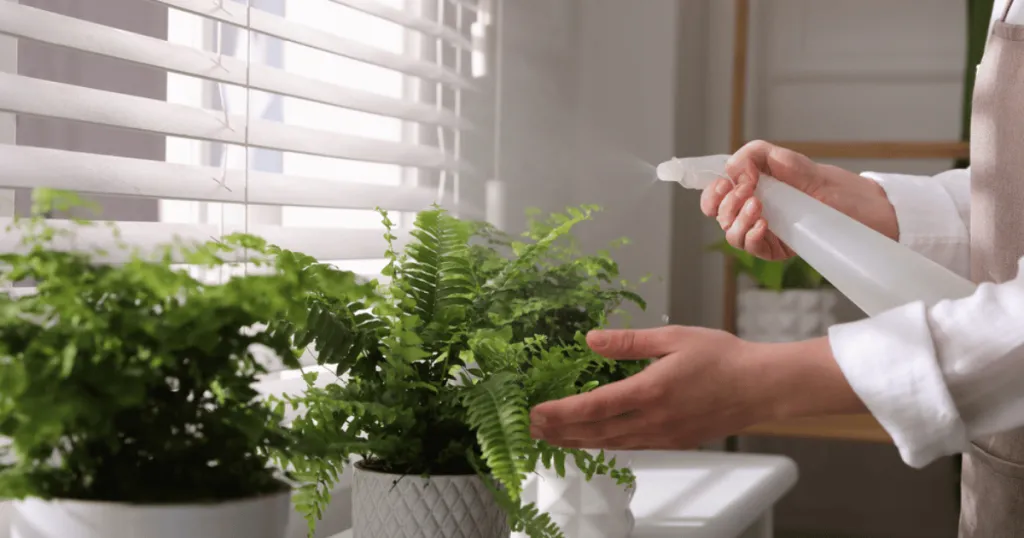
Boston Ferns thrive in medium indirect light. In an office, this means placing the plant near a north-facing window or a few feet away from an east-facing window. Direct sunlight is the enemy of this species; it will scorch the delicate leaflets within hours, leading to permanent damage. If your office relies solely on fluorescent or LED lighting, ensure the plant is positioned close enough to the light source to receive consistent brightness, though it will likely grow slower than it would in natural, filtered light.
Watering is the most critical aspect of its care. You must keep the soil consistently moist. In an office environment, this often means checking the soil every two to three days. If the top inch of soil feels dry to the touch, it is time to water. Never allow the root ball to dry out completely, as this will trigger a rapid shedding of leaflets. Conversely, do not let the plant sit in standing water, which can lead to root rot. A well-draining pot is non-negotiable.
Humidity and Air Quality
The Boston Fern is one of the more humidity-demanding plants commonly found in offices. Most HVAC systems are designed to remove moisture from the air, which creates a desert-like environment that is detrimental to this fern. To compensate, you may need to use a pebble tray filled with water beneath the pot to increase the local humidity. Regular misting can also help, though it is often less effective than a dedicated humidity tray. If you notice the tips of the fronds turning brown and crispy, the air is likely too dry, and you should increase your humidity-boosting efforts immediately.
Office Suitability and Placement
The Boston Fern is best suited for offices with stable, moderate conditions. It excels in reception areas or conference rooms where the environment is controlled and the plant can serve as a centerpiece. Because it is sensitive to drafts, avoid placing it directly under or near HVAC vents. A sudden blast of cold or hot air will cause the plant to drop its leaves within days. Similarly, keep it away from doorways where it might be exposed to frequent temperature fluctuations from the outside.
For office managers, the maintenance level is moderate. You must be prepared to assign someone to check the moisture levels regularly, especially over long weekends or holidays. If the office is closed for several days, ensure the plant is thoroughly watered before the break, or consider a self-watering pot to bridge the gap. This plant is not a good fit for offices that experience extreme temperature swings or where there is no one available to monitor its water needs for extended periods.
Placement should also account for the plant’s need for space. Because it grows outward, it is often better served on a dedicated plant stand or a high shelf rather than in the middle of a crowded workspace. This elevation also helps keep the plant away from foot traffic, protecting the delicate fronds from damage. If you choose to hang the plant, ensure it is secure and that you have a safe way to reach it for watering and maintenance.
Toxicity and Safety Considerations
One of the significant advantages of the Boston Fern for office environments is its safety profile. According to the ASPCA, the Boston Fern is non-toxic to both cats and dogs. This makes it a reliable choice for offices that allow pets or for managers who want to avoid the risks associated with toxic foliage. While it is always best to discourage pets from chewing on any plant-as ingestion can still cause mild stomach upset or digestive blockage-you do not have to worry about the severe poisoning risks associated with plants like lilies or philodendrons.
This non-toxic status provides peace of mind in shared spaces. However, it is important to remember that the plant’s health is still your responsibility. While it won’t harm a pet, a pet or a curious employee might harm the plant. Its soft, feathery texture is often tempting to touch, which can lead to broken leaflets. If your office has high foot traffic or curious visitors, consider placing the Boston Fern in a location that is visible but physically inaccessible, such as on a high ledge or behind a protective barrier.
Care and Troubleshooting Handoff
Successfully keeping a Boston Fern in your office is a matter of consistency. If you find that your plant is struggling despite your best efforts, it is likely a sign that the environmental conditions-specifically humidity or light-need adjustment. Browning tips usually point to low humidity, while yellowing fronds often indicate overwatering or poor drainage. If the plant begins to look thin or loses its vibrant green color, it may be receiving too little light.
Because this species has specific, non-negotiable needs, we recommend consulting a detailed care and troubleshooting guide if you notice persistent issues. Such resources can provide deeper insights into soil amendments, specific fertilizer needs for indoor ferns, and advanced techniques for managing humidity in large, open-plan offices. By addressing these factors early, you can keep your Boston Fern healthy and thriving as a permanent fixture in your workspace.
Related Boston Fern Guides
- keeping a Boston Fern healthy
- Boston Fern symptoms and fixes
FAQ
Can a Boston Fern survive in a windowless office with only fluorescent lights?
It can survive, but it will struggle to thrive. Fluorescent lights provide some of the spectrum needed for photosynthesis, but they are rarely intense enough to support the lush growth of a Boston Fern. If you must keep it in a windowless room, ensure it is positioned as close to the light source as possible and be prepared for slower growth and potential leaf drop.
Why are the leaves of my Boston Fern turning brown and crispy?
The most common cause is low humidity. Office HVAC systems dry out the air, which the Boston Fern finds stressful. Other causes include underwatering or exposure to direct sunlight. Try moving the plant away from vents, increasing the humidity with a pebble tray, and ensuring the soil remains consistently moist to the touch.
How often should I repot my Boston Fern in an office setting?
You should check the roots every 12 to 18 months. If the plant has become root-bound-meaning the roots are circling the pot and there is little soil left-it is time to move it to a container one size larger. A root-bound fern will dry out much faster, making it difficult to keep the soil moist in a busy office environment.