The Cast Iron Plant (Aspidistra elatior) has long held a legendary reputation for being nearly impossible to kill. In the context of a modern office, this reputation is not just marketing hyperbole; it is a functional reality. While many decorative plants struggle with the erratic schedules of office life, the Cast Iron Plant remains a steadfast, reliable presence in lobbies, cubicles, and meeting rooms.
- Light: Tolerates low light; keep away from direct sun.
- Watering: Allow soil to dry out between waterings; drought-tolerant.
- Humidity: Highly adaptable to dry office air conditions.
- Difficulty: Very easy; ideal for beginners and busy offices.
- Toxicity: Non-toxic to cats and dogs per ASPCA guidance.
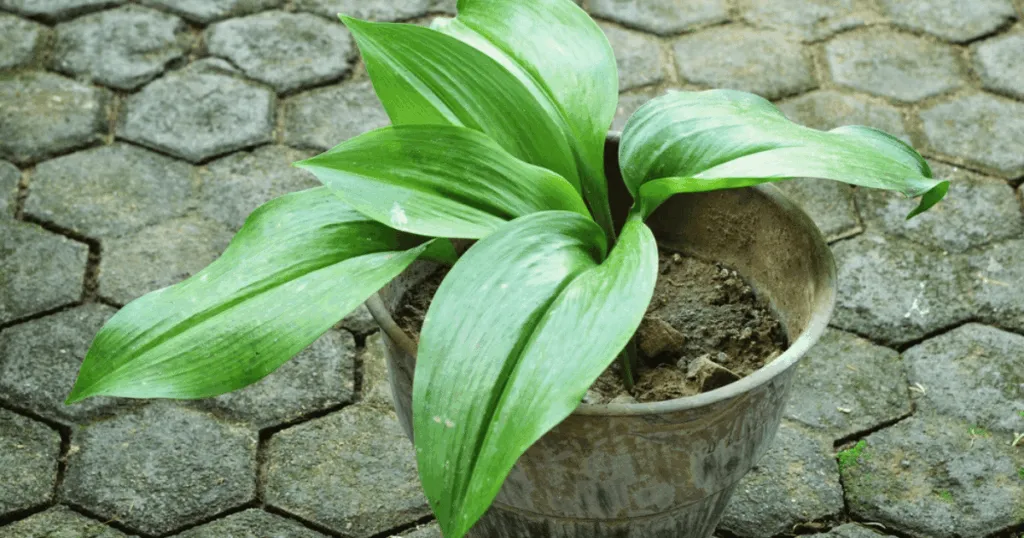
The Reality of the Cast Iron Plant in the Workplace
Unlike finicky tropical species that require precise humidity levels or constant light monitoring, this plant is built for endurance. It handles the specific stresses of the corporate environment-such as inconsistent watering over long weekends, low-light corners far from windows, and the drying effects of HVAC systems-with remarkable grace. For office managers looking for greenery that adds professional polish without requiring a dedicated maintenance team, it is arguably the most practical choice available.
Appearance and Growth Habit
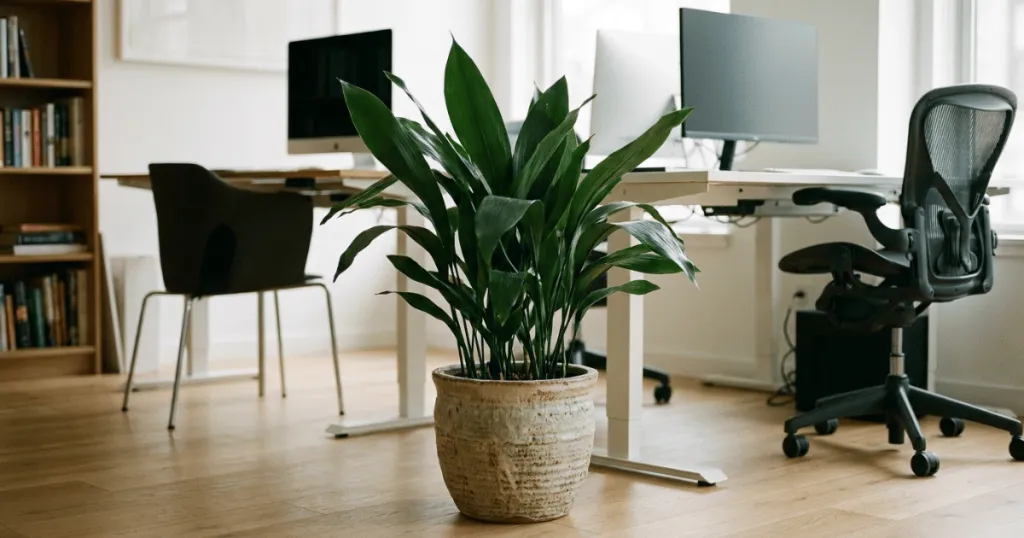
The Cast Iron Plant is defined by its architectural simplicity. It features deep, forest-green, lance-shaped leaves that grow directly from the soil on sturdy stalks. These leaves are thick, leathery, and possess a subtle sheen that looks clean and professional in any office setting. Unlike trailing vines or bushy, sprawling plants that can quickly overwhelm a desk or reception counter, the Cast Iron Plant maintains a tidy, upright habit.
Growth is notably slow and steady. In an office container, you can expect the plant to reach a height of two to three feet over several years. This predictable growth rate is a significant advantage for facility managers; you will not need to prune it back or repot it frequently to prevent it from outgrowing its designated footprint. The plant produces its foliage in dense clumps, which creates a full, lush appearance even in smaller pots. Because it does not rely on rapid vertical growth, it maintains its structural integrity for years, ensuring your office aesthetic remains consistent without constant intervention.
Care Needs at a Glance
Managing a Cast Iron Plant is straightforward, provided you respect its preference for being left alone. The most common mistake in an office setting is over-attentiveness. Because the plant is so hardy, it is easy to assume it needs more water or light than it actually does. In practice, the less you fuss over it, the better it performs.
Light Requirements
This species is a champion of low-light environments. It thrives in the dim corners of offices where fluorescent lighting is the primary source of illumination. While it can tolerate a range of conditions, it is vital to avoid direct sunlight. Intense, direct rays can scorch the leaves, causing unsightly brown patches. If your office has windows, position the plant in a spot that receives bright, indirect light or keep it in a windowless room with standard office lighting.
Watering and Soil
The Cast Iron Plant is exceptionally drought-tolerant. The golden rule here is to allow the soil to dry out significantly between waterings. In an office, this often means checking the soil once every two weeks rather than on a weekly schedule. If the top two inches of soil feel dry to the touch, it is time to water. If the soil is still damp, wait. Overwatering is the only real threat to this plant, as it can lead to root rot in poorly drained containers.
Humidity and Temperature
Office environments are notorious for low humidity due to constant air conditioning and heating. Fortunately, the Cast Iron Plant is unfazed by these dry conditions. It maintains its deep green color and structural rigidity even when the air is arid. It prefers standard room temperatures, typically between 60°F and 75°F, making it perfectly suited for the climate-controlled conditions of a professional building.
Office Suitability and Placement Guidance
When choosing a plant for a high-traffic or high-stress office area, you need a specimen that can handle neglect. The Cast Iron Plant fits this role perfectly. It is an excellent candidate for reception areas where you want a permanent, high-quality look without the risk of the plant wilting during a holiday closure. Because it does not drop leaves frequently, it keeps the surrounding area clean, which is a major benefit for maintenance staff.
For open-plan offices, these plants serve as effective visual dividers. Because they are slow-growing and compact, they can be placed on low partitions or side tables without obstructing sightlines or creating a cluttered feel. In meeting rooms, they provide a touch of nature that remains vibrant even if the room is rarely used or if the blinds remain closed for extended periods. The key is to select a high-quality, well-draining pot. Because the plant stays in the same container for a long time, investing in a durable, aesthetic vessel pays off in the long run.
Safety and Environmental Considerations
For offices that allow pets or prioritize a safe environment for all visitors, the Cast Iron Plant is an ideal choice. According to guidance provided by the ASPCA, the Cast Iron Plant is considered non-toxic to both cats and dogs. This makes it a safe, worry-free addition to offices that have a pet-friendly policy or where staff might occasionally bring their animals to work.
While it is safe, it is not indestructible. The primary limitation is its slow growth rate; if you are looking for a plant that will quickly fill a large, empty corner, this is not the right choice. Additionally, while it tolerates dust, the broad leaves can accumulate particles over time. A quick wipe with a damp cloth every few months is sufficient to keep the leaves photosynthesizing efficiently and looking their best. Avoid using chemical leaf-shine products, as these can clog the plant’s pores and damage the foliage.
Handoff to Care and Troubleshooting
While the Cast Iron Plant is remarkably resilient, every plant occasionally faces challenges, such as improper drainage or accidental over-exposure to intense light. If you notice yellowing leaves or soft spots, these are usually indicators that the watering schedule needs adjustment or the plant has been placed in an area with too much direct sun. Because this plant is so forgiving, most issues are easily reversible if caught early.
For those interested in the technical aspects of long-term maintenance-including repotting techniques, specific soil amendments for container longevity, and how to address rare pest issues like scale-we have compiled a comprehensive care and troubleshooting guide. This resource covers the nuances of keeping your Cast Iron Plant healthy for years, ensuring that your office greenery remains a low-maintenance asset rather than a chore. Refer to our dedicated maintenance manual for step-by-step instructions on managing your plant’s health throughout the seasons.
Related Cast Iron Plant Guides
- Cast Iron Plant watering and light needs
- troubleshooting a Cast Iron Plant
FAQ
Can a Cast Iron Plant survive in a windowless office?
Yes, the Cast Iron Plant is one of the few species that can thrive in a windowless office environment. It is highly efficient at photosynthesizing under standard fluorescent or LED office lighting. While it will not grow as quickly as it would in natural light, it will maintain its health and deep green color indefinitely in these conditions.
How often should I water my Cast Iron Plant in an office setting?
In an office, you should water only when the top two inches of soil are completely dry. This typically results in a watering schedule of every two to three weeks, depending on the ambient temperature and humidity. Always check the soil moisture before adding water, as the plant is much more susceptible to damage from overwatering than from being too dry.
Does the Cast Iron Plant require any special fertilizer in an office?
The Cast Iron Plant is a slow grower and does not require heavy fertilization. In an office setting, a balanced, water-soluble fertilizer applied at half-strength once or twice during the spring and summer is sufficient. Avoid fertilizing during the winter months when the plant’s growth naturally slows down, as this can lead to salt buildup in the soil.