The most frequent error in Boston fern care is allowing the potting medium to dry out completely, even for a short duration. In an office environment, where HVAC systems constantly circulate dry air, these ferns can transition from lush to brittle in a matter of days. If you notice the delicate fronds turning brown and shedding onto your desk, the plant is likely signaling a severe lack of ambient moisture or a lapse in its watering routine. Successfully maintaining a Nephrolepis exaltata in a workplace requires moving beyond occasional watering to a more disciplined, environment-aware approach.
Quick Facts
- Light: Medium indirect light; avoid direct sun.
- Watering: Keep soil consistently moist, never fully dry.
- Humidity: Requires high humidity to prevent leaflet drop.
- Difficulty: Moderate; demands consistent attention.
- Toxicity: Non-toxic to cats and dogs per ASPCA guidance.
Understanding the natural habitat of these ferns is essential for office success. They are understory plants that thrive in high-humidity, shaded forest floors. When you bring them into an office, you are essentially asking them to survive in a desert-like climate. By adjusting your expectations and your maintenance routine to account for artificial lighting and climate control, you can keep your fern vibrant throughout the work week.
Light Requirements and Strategic Placement
Boston ferns require medium indirect light to maintain their dense, feathery foliage. In an office setting, this usually means placing the plant near a north or east-facing window where it receives bright, filtered light. Avoid south or west-facing windows unless you have sheer curtains to diffuse the intensity of the sun. Direct sunlight is the enemy of this species, as it quickly scorches the delicate fronds, leading to permanent bleaching and crispy edges.
If your office lacks natural light, these plants can adapt to high-quality LED or fluorescent office lighting, provided the exposure is consistent. The key is duration and proximity. A fern sitting on a desk under a bright overhead light will fare better than one tucked into a dark corner. If you notice the plant becoming leggy or the fronds thinning out, it is a clear indicator that the light levels are insufficient. In such cases, moving the plant closer to a window or supplementing with a dedicated desk lamp is necessary to restore its vigor.
When managing plant light requirements, remember that the intensity of light drops off significantly with distance; even a few feet away from a window can change a plant’s growth trajectory.
Be mindful of placement relative to HVAC vents. Air conditioning and heating units create localized currents of dry, fast-moving air that will dehydrate a Boston fern rapidly. Even if the room humidity is acceptable, a direct blast of air from a vent will cause the leaflets to curl and drop. Always place your fern away from the direct path of air registers, fans, and doorways that experience frequent temperature fluctuations. This spatial awareness is a cornerstone of office plant maintenance, as the micro-climate immediately surrounding the plant often differs drastically from the general room temperature.
Watering and Soil Management
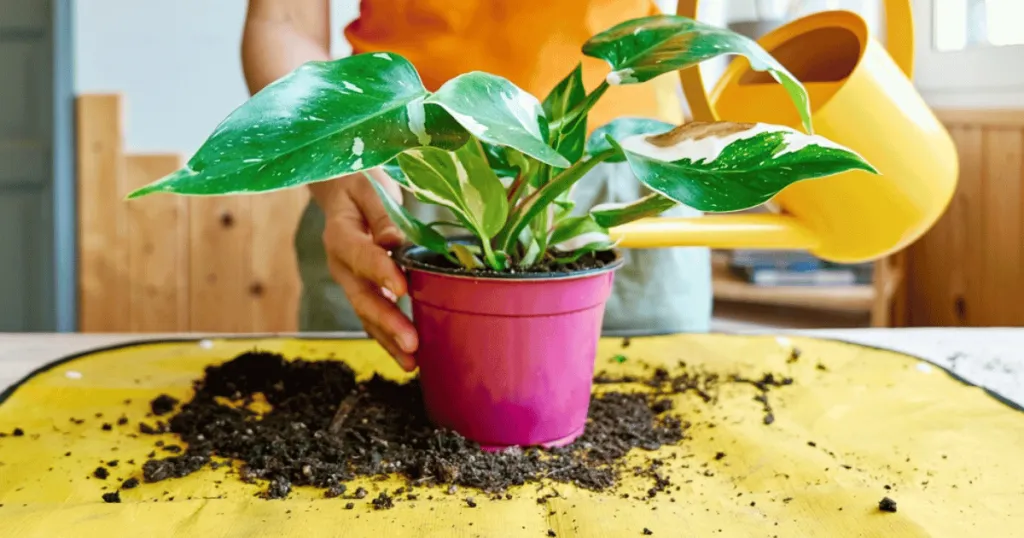
The watering routine for a Boston fern is the most critical aspect of its survival. Unlike succulents that prefer a dry-down period, these ferns demand a consistently moist root zone. The soil should feel damp to the touch at all times, but never waterlogged. If the soil dries out completely, the plant will react by shedding its leaflets as a survival mechanism, and it can be difficult to recover from such stress. Mastering soil moisture is a balancing act between providing enough water for transpiration and preventing the anaerobic conditions that lead to root rot prevention.
In an office, use a well-draining, peat-based potting mix that retains moisture without compacting. A mix containing perlite or vermiculite helps maintain aeration, ensuring the roots have access to oxygen even when the soil is damp. Avoid using heavy garden soil, which can lead to root rot if the pot lacks proper drainage holes. Always ensure your decorative office planter has a drainage tray or an inner nursery pot to prevent water from pooling at the bottom, which is a common cause of root suffocation.
If you are using a cachepot without drainage, consider using a plastic liner that can be removed for watering, allowing excess water to drain fully before returning the plant to its decorative housing.
When watering, aim to moisten the entire root ball evenly. If you are using a self-watering container, monitor the reservoir levels closely to ensure it does not run dry. If you are watering manually, check the top inch of soil every two to three days. If it feels dry, it is time to hydrate. During weekends or holidays when the office is closed, ensure the plant has been thoroughly watered before you leave.
If your office environment is particularly dry, consider placing the pot on a tray filled with pebbles and water to create a micro-climate of humidity around the base of the plant. This simple setup helps mitigate the impact of low humidity plants face in climate-controlled buildings.
Humidity, Temperature, and Feeding
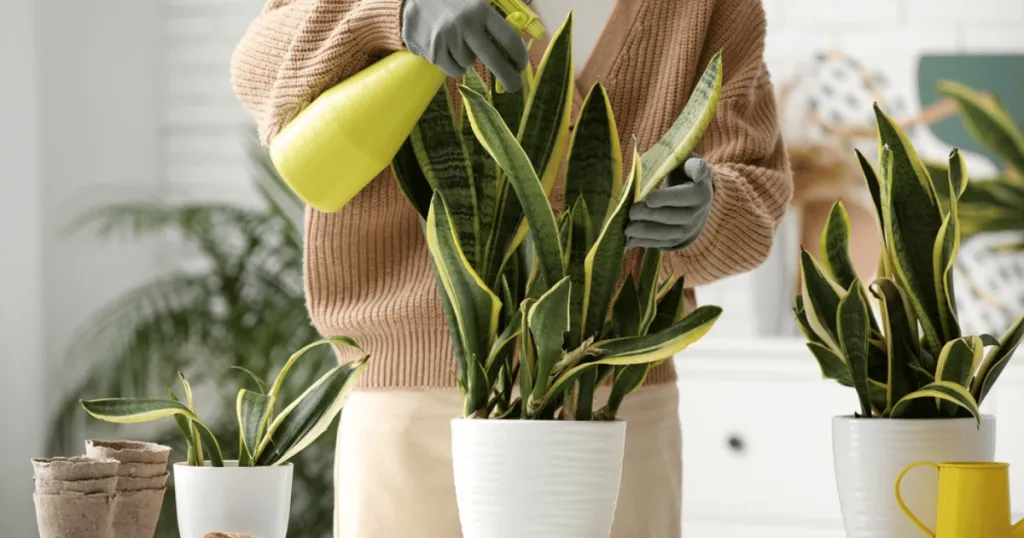
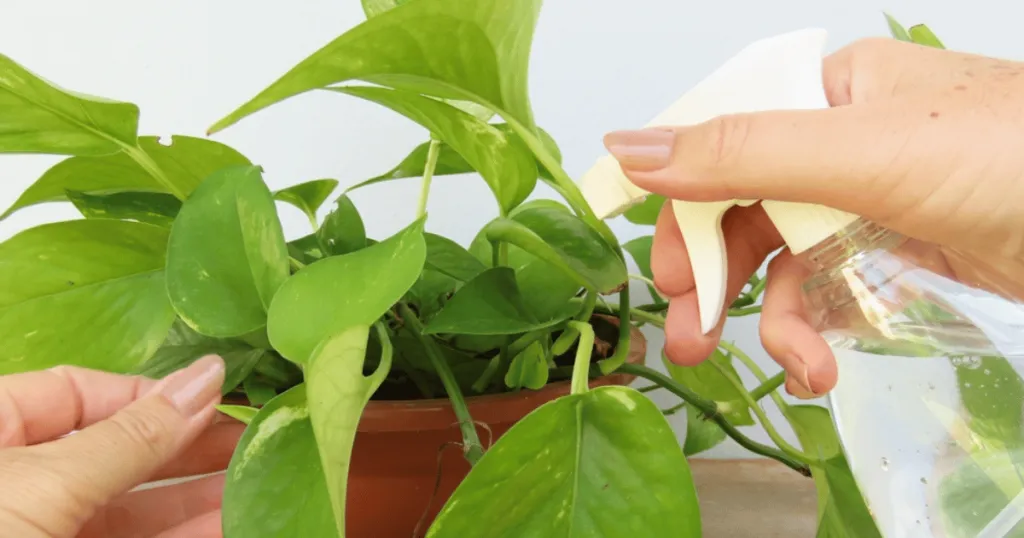
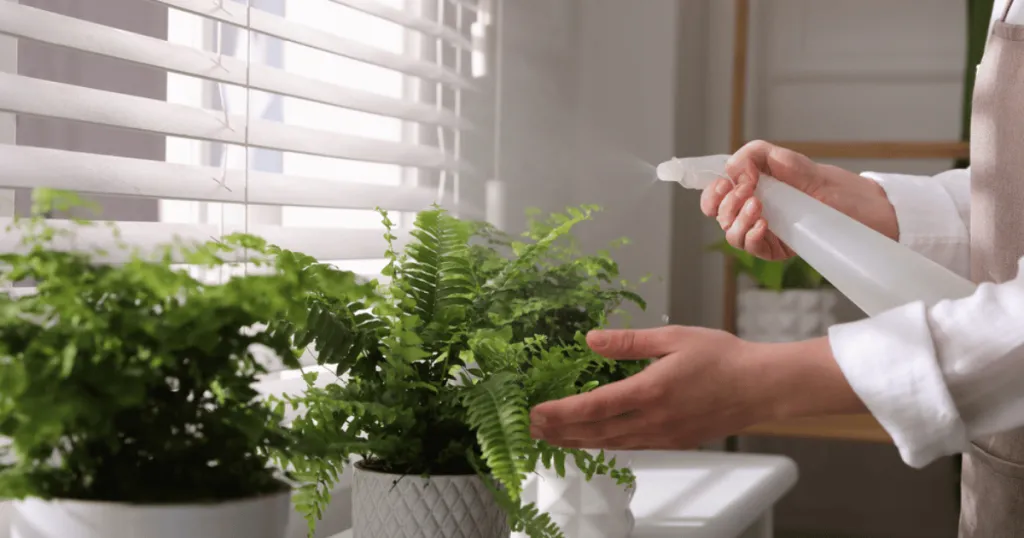
Boston ferns are notoriously sensitive to low humidity, which is the standard in most modern office buildings. When humidity levels drop below 40 percent, the plant will struggle to maintain its lush appearance. To combat this, misting the foliage with a spray bottle can provide temporary relief, though it is not a substitute for a stable environment.
A more effective strategy is grouping plants together, which creates a localized humid zone, or using a small desktop humidifier if your office space allows. This collective approach to foliage maintenance can significantly improve the health of your fern and surrounding greenery.
Temperature stability is equally important. These plants prefer a range between 60 and 75 degrees Fahrenheit. While they can tolerate minor fluctuations, they are susceptible to cold drafts. If your office is kept very cool overnight or over the weekend, the plant may slow its growth significantly. Keep the fern away from windows that get cold in the winter and avoid placing it near radiators or space heaters, which create dry heat that will quickly desiccate the fronds. Maintaining indoor climate control is vital, as sudden shifts can trigger the plant to drop leaflets as a stress response.
Regarding nutrition, feed your fern sparingly. During the active growing season, which generally spans from spring through early autumn, a balanced, water-soluble fertilizer diluted to half-strength can be applied once a month. Over-fertilizing is a common mistake that can lead to salt buildup in the soil, causing the tips of the fronds to turn brown.
If you notice white crusting on the surface of the soil, flush the pot with clear water to wash away excess minerals. This practice of flushing is essential in office settings where tap water quality can vary and mineral accumulation is a frequent issue.
Repotting, Pruning, and Propagation
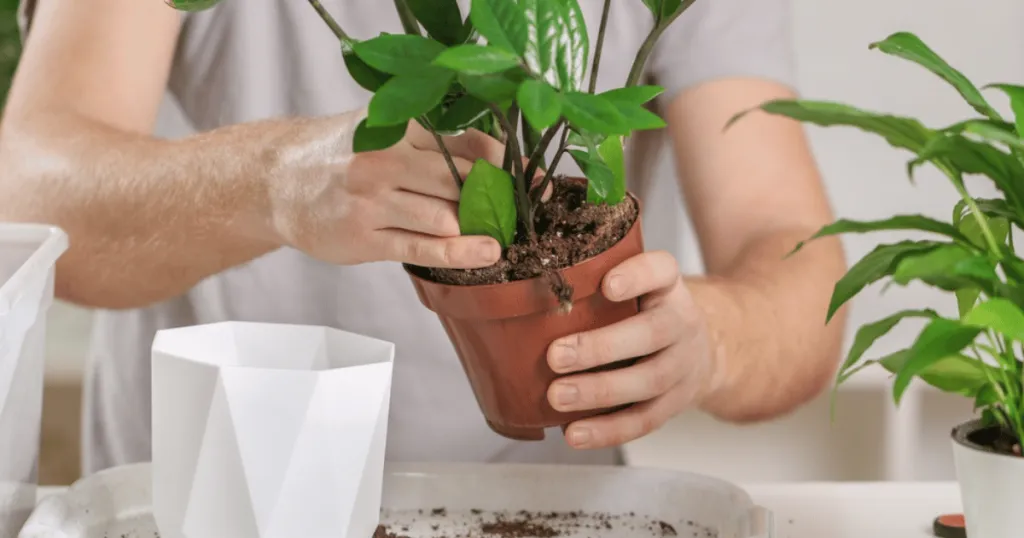
Repotting is only necessary when the fern becomes root-bound, which you can identify by roots growing out of the drainage holes or the plant drying out much faster than usual. When you repot, choose a container that is only one or two inches wider in diameter than the current one. Using a pot that is too large can lead to excess soil staying wet for too long, increasing the risk of root rot. Gently tease the roots apart if they are tightly coiled, and refresh the potting mix with a high-quality, peat-based blend. Repotting ferns is a delicate process, so ensure you handle the root ball with care to minimize transplant shock.
Pruning is a regular part of Boston fern care. Since the plant naturally sheds older, inner fronds, you should periodically trim these away to keep the plant looking tidy and to encourage new growth. Use clean, sharp scissors to snip the fronds at the base near the soil line. This also improves airflow through the center of the plant, which is vital for preventing fungal issues in humid conditions. Regular pruning techniques are not just aesthetic; they are a form of preventative care that keeps the plant’s energy focused on healthy new fronds.
Propagation is best achieved through division. When you are repotting, you can carefully separate the root ball into two or more smaller clumps. Ensure each division has a healthy portion of roots and several fronds. Pot these into their own containers and keep them in a slightly more sheltered, high-humidity environment until they establish themselves.
This is a practical way to expand your office greenery without needing to purchase new plants. Root ball division is the most reliable method for propagating Nephrolepis exaltata, as it ensures each new plant has an established root system ready to support growth.
Seasonal Adjustments and Common Mistakes
Your care routine should shift slightly with the seasons. In the winter, growth slows down, and the air in the office often becomes drier due to heating systems. Reduce your watering frequency slightly to account for the slower uptake, but never let the soil dry out. Monitor the plant for signs of stress more frequently during these months, as the combination of low light and low humidity is the most challenging period for the plant. Understanding the plant’s growth cycle allows you to adjust your care routine proactively rather than reactively.
The most common mistake is the “set it and forget it” approach. Many office managers treat ferns like low-maintenance foliage, but they require a consistent, watchful eye. Another frequent error is using tap water that is high in chlorine or fluoride, which can cause tip burn. If your tap water is heavily treated, let it sit in an open container for 24 hours before watering, or use filtered water to keep the fronds pristine. This simple step can prevent the accumulation of chemicals that often lead to unsightly brown tips on the delicate fronds.
Watch for signs of pests, such as scale or spider mites, which thrive in the warm, dry air of an office. Regularly performing a pest inspection on the undersides of the fronds can help you catch an infestation early. If you spot webbing or small bumps, wipe the fronds with a damp cloth or use an insecticidal soap specifically formulated for indoor plants. Early intervention is the best way to maintain a healthy, thriving Boston fern in your workspace. By integrating these habits into your weekly routine, you turn the challenging office environment into a manageable habitat for your fern.
Related Boston Fern Guides
- the Boston Fern plant guide
- Boston Fern symptoms and fixes
FAQ
Why are the fronds of my Boston fern turning brown and crispy?
Brown, crispy fronds are almost always a sign of low humidity or underwatering. In an office, the air is often too dry for this species. Increase the humidity by grouping the plant with others or using a pebble tray, and ensure the soil remains consistently moist.
Is it safe to keep a Boston fern in an office with pets?
Yes, the Boston fern is considered non-toxic to cats and dogs according to ASPCA guidance. This makes it a safe choice for offices that allow pets, as it does not pose a risk if an animal happens to nibble on the foliage.
How often should I fertilize my Boston fern?
Fertilize only during the active growing season, which is typically spring and summer. Use a balanced, water-soluble fertilizer diluted to half-strength once a month. Avoid fertilizing in the winter when the plant’s growth naturally slows down.
Can I keep my Boston fern in a windowless office?
While the plant prefers natural light, it can survive in a windowless office if provided with high-quality artificial light, such as a dedicated LED desk lamp. The light must be consistent and close enough to the plant to mimic the intensity of indirect sunlight.