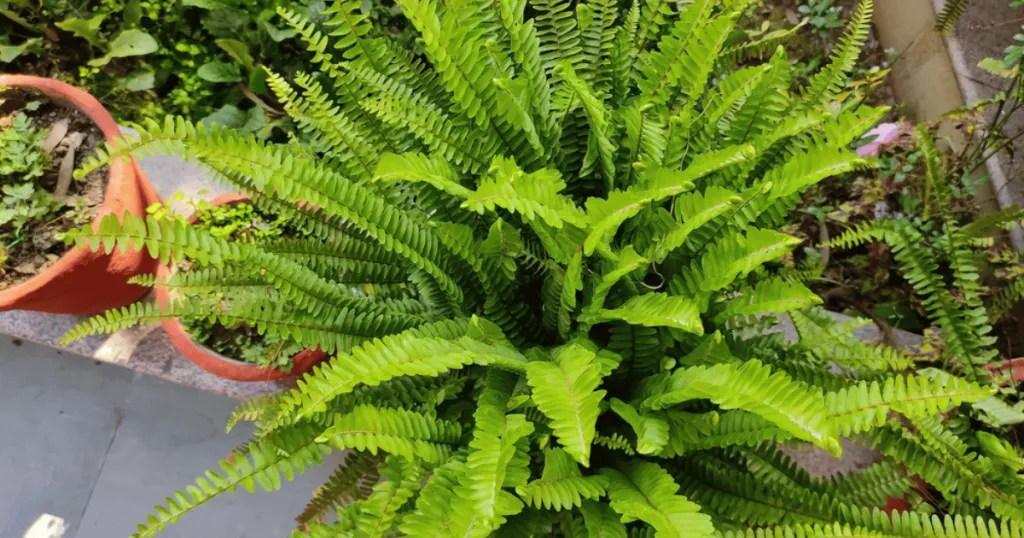
A healthy Boston fern (Nephrolepis exaltata) is a lush, vibrant display of arching, feathery fronds that create a dense, green canopy. When thriving, the plant feels soft to the touch, maintains a consistent deep emerald color throughout, and shows active growth at the tips of its fronds. In an office setting, this plant acts as a natural humidifier and a striking architectural element, provided it receives the specific environmental conditions it requires.
If you notice your fern losing its luster, shedding tiny leaflets across your desk, or turning brittle, it is signaling that its specific moisture or light needs are not being met.
Most Boston fern problems in workplace environments stem from the conflict between the plant’s tropical origins and the reality of modern office infrastructure. Offices are designed for human comfort, which often means dry, filtered air and artificial lighting that may not be sufficient for the plant’s metabolic needs.
Before assuming your plant is dying, look at the foliage. If the fronds are turning brown and crispy, the issue is almost certainly a lack of humidity or inconsistent watering. If the fronds are yellowing or mushy, you are likely overwatering or dealing with poor drainage. By identifying the specific pattern of decline, you can adjust your care routine to restore the plant to its full, healthy form.
Bottom Line
Most Boston fern problems are caused by low humidity and inconsistent watering in HVAC-controlled offices. If your plant is shedding leaflets, immediately increase ambient humidity and ensure the soil remains consistently moist. If the plant is mushy or yellowing, reduce watering frequency to prevent root rot.
Quick Checks and Fast Fixes
When you notice your fern struggling, start with the most accessible variables. First, check the soil moisture. Stick your finger an inch into the potting mix. If it feels dry, the plant is likely suffering from dehydration. Ferns have fine, hair-like roots that cannot tolerate even short periods of dryness. If the soil is bone dry, give the plant a thorough soak in a sink or basin until water runs freely from the drainage holes. Do not just pour a cup of water over the top, as this often leaves the center of the root ball dry.
Next, evaluate the light. Boston ferns thrive in medium, indirect light. If your plant is sitting directly under a harsh fluorescent strip or in a window where it receives direct afternoon sun, the fronds will scorch and turn brown. Move the plant to a spot with softer, filtered light. If the office is naturally dim, consider moving the plant closer to a window or supplementing with a dedicated LED grow light, as deep shade will eventually lead to sparse, weak growth.
Finally, address the humidity. Offices are notorious for low humidity due to air conditioning and heating systems. If your fern is near an air vent, move it immediately. To boost local humidity, place the pot on a tray filled with pebbles and a small amount of water, ensuring the bottom of the pot sits above the water line. This creates a microclimate that helps the fronds retain moisture.
Symptom-to-Cause Diagnosis
| Symptom | Likely Cause | Action |
|---|---|---|
| Crispy, brown leaflets | Low humidity or underwatering | Increase humidity, water thoroughly |
| Yellowing, drooping fronds | Overwatering or poor drainage | Check roots, improve drainage |
| Pale, washed-out color | Insufficient light | Move to brighter, indirect light |
| Tiny webs on fronds | Spider mites | Wipe with neem oil or insecticidal soap |
| Black spots on fronds | Fungal infection or water sitting on leaves | Improve air circulation, keep leaves dry |
Addressing the Most Common Issues
The most frequent issue office workers face is the sudden shedding of small, dried leaflets. This is the plant’s way of reacting to a sudden drop in humidity or a missed watering cycle. Because the fern’s root system is delicate, it cannot store water like a succulent. When the air becomes too dry, the plant sacrifices its outer fronds to conserve energy.
To fix this, you must establish a consistent watering rhythm. Do not wait for the soil to dry out completely. If the surface feels slightly dry to the touch, it is time to water. In an office, setting a reminder for twice-weekly checks is often more effective than relying on a fixed schedule, as temperature fluctuations can change how quickly the soil dries.
Yellowing fronds are the second most common problem, and they require a different approach. While brown, crispy fronds indicate a lack of water, yellowing often indicates that the roots are suffocating. This happens when the soil is kept perpetually soggy, or the pot lacks adequate drainage holes. If your fern is sitting in a decorative pot without a drainage hole, the water collects at the bottom and rots the roots. You must repot the plant into a container with drainage holes or use a plastic nursery liner that allows excess water to escape.
If you suspect root rot, gently remove the plant from its pot and inspect the roots. Healthy roots are firm and light-colored. If you find mushy, dark, or foul-smelling roots, trim them away with sterile scissors and repot the plant in fresh, well-draining potting mix.
Pest management is another area where office ferns often struggle. Spider mites are particularly attracted to ferns in dry, warm offices. You might not see the mites themselves, but you will see fine, silky webbing between the fronds and a general decline in the plant’s health. If you spot these signs, isolate the plant from other office greenery to prevent the infestation from spreading. Wipe the fronds down with a damp cloth to remove the mites and treat the plant with a mild insecticidal soap or neem oil.
Repeat this process weekly until the webbing disappears. Prevention is key here, so keep the foliage clean and maintain adequate humidity to make the environment less hospitable to these pests.
Advanced Care and Long-Term Recovery
For ferns that have become thin or leggy over time, a more intensive approach may be necessary. If the plant has outgrown its pot, it may be struggling to absorb enough nutrients to support its foliage. Repotting into a container one size larger using a high-quality, peat-based potting mix can provide the fresh nutrients and space needed for a recovery. When repotting, avoid burying the crown of the plant too deeply, as this can lead to crown rot. The crown should sit just at the soil surface.
If the plant has become significantly sparse, you can encourage bushier growth by pruning. Use clean, sharp shears to remove any completely dead or brown fronds at the base. This allows the plant to direct its energy toward new growth rather than trying to sustain damaged tissue. While it might look bare for a few weeks, the plant will eventually push out new, healthy fronds from the center. Ensure that the plant is receiving consistent, indirect light during this recovery phase, as it will be more sensitive to environmental stress while it is regenerating.
Prevention Habits for Office Success
Maintaining a Boston fern in an office requires a proactive approach rather than a reactive one. The most effective habit is to treat the plant as a living part of the office ecosystem rather than a decorative object. Check the moisture level of the soil every Monday and Thursday. This consistency prevents the extreme wet-dry cycles that cause the most damage to the root system. If you know the office will be closed for a long holiday weekend, ensure the plant is thoroughly watered before you leave, and consider grouping it with other plants to help them create a shared, more humid microclimate.
Another essential habit is regular cleaning. Dust can accumulate on the feathery fronds, blocking light and potentially harboring pests. Every few weeks, gently mist the fronds or wipe them down with a damp cloth. This not only keeps the plant looking professional but also helps you spot the early signs of pests or disease before they become a major problem.
Finally, be mindful of the plant’s placement. Avoid spots near heating vents, air conditioning returns, or drafty doorways. These locations create rapid temperature and humidity swings that will inevitably lead to leaf drop. By placing the fern in a stable, bright, and draft-free location, you significantly reduce the risk of recurring problems.
It is also worth noting that Boston ferns are non-toxic to cats and dogs, according to the ASPCA. This makes them a safe choice for offices that allow pets or for managers concerned about the safety of their team members’ pets. However, the plant’s health is the priority. If you find that your office environment is simply too dry or too dark for a Boston fern despite your best efforts, consider moving it to a more suitable location, such as a breakroom with higher humidity or near a window with better light, rather than leaving it in a spot where it will continue to struggle.
Related Boston Fern Guides
FAQ
Why are the tips of my Boston fern fronds turning brown?
Brown, crispy tips are almost always a sign of low humidity or underwatering. Boston ferns are native to humid environments and struggle in the dry air common in climate-controlled offices. To fix this, increase the ambient humidity using a pebble tray and ensure you are watering the plant thoroughly whenever the top inch of soil feels dry.
Is it normal for my Boston fern to drop leaflets on my desk?
No, it is not normal. Leaflet drop is a stress response. It usually happens when the plant experiences a sudden change in its environment, such as being moved to a drafty area, or when it has been allowed to dry out completely. Regular, consistent watering and stable humidity levels will stop the shedding.
Can I use tap water for my Boston fern?
Yes, you can use tap water, but if your local water is heavily chlorinated or contains high levels of minerals, it may cause tip burn over time. If you notice persistent brown tips despite proper watering, try letting the water sit out overnight before using it, or use filtered water to see if the condition improves.
How do I know if my Boston fern has root rot?
Root rot is indicated by yellowing fronds, a mushy base, and a musty smell from the soil. If you suspect rot, remove the plant from its pot. Healthy roots are firm and light-colored, while rotting roots will be dark, slimy, and break easily. Trim away the damaged roots and repot in fresh, well-draining soil.