Affiliate Disclosure: As an Amazon Associate, I earn from qualifying purchases.
Maintaining greenery in a professional environment often feels like a losing battle against fluorescent lighting, inconsistent watering schedules, and the dry air typical of HVAC-controlled buildings. When you search for the best plants for the office that don’t die, you are essentially looking for species that tolerate neglect, thrive in low-to-medium light, and do not require a specialized climate to survive. The secret to success in an office setting is not finding a plant that never needs care, but selecting one that remains forgiving when that care is delayed by a busy work week or a long holiday weekend.
The following selections are chosen for their structural toughness and their ability to signal their needs before they reach a point of no return. By prioritizing these specific varieties, you can introduce life into your workspace without the burden of constant monitoring or the frustration of frequent plant replacement.
Decision Snapshot
- Snake Plant: Unmatched tolerance for low light and missed waterings.
- ZZ Plant: Thrives on neglect and survives in windowless rooms.
- Pothos: Highly adaptable trailing vine that signals thirst clearly.
- Cast Iron Plant: The ultimate choice for dark, drafty corners.
- Parlor Palm: Adds height and elegance without demanding bright sun.
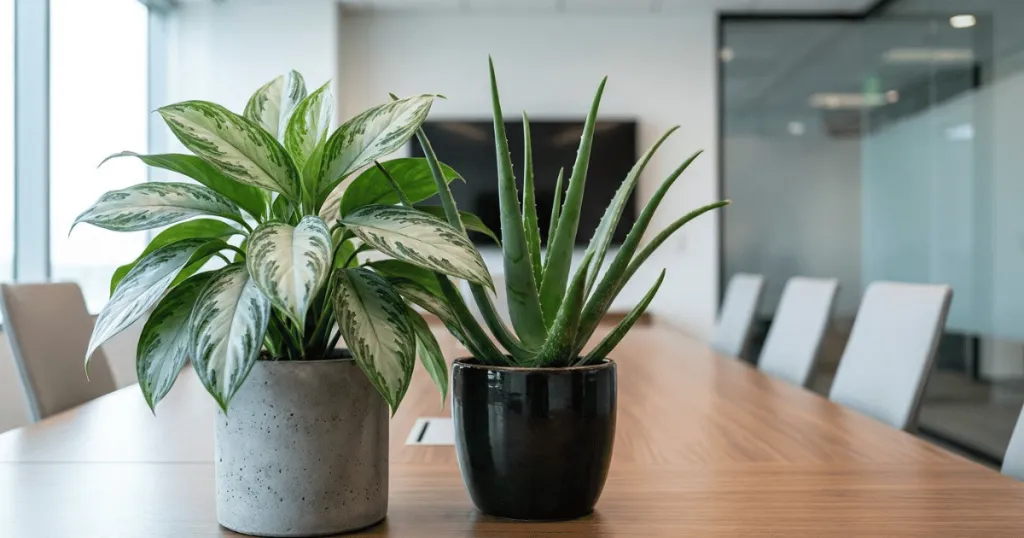
Criteria for Office Resilience
The office environment is a unique ecosystem that differs significantly from a home garden or a greenhouse. Most office spaces are defined by stable temperatures, artificial lighting, and low humidity. A plant that thrives in a sunny backyard will likely struggle in a cubicle, whereas a plant evolved for the forest floor or arid conditions will often excel. The best plants for the office that don’t die are those that possess specific biological traits, such as succulent leaves for water storage or a slow metabolism that allows them to endure low-light conditions without stretching or losing vigor.
When evaluating a plant for your desk or reception area, consider three primary factors: light adaptability, water-storage capacity, and resistance to environmental fluctuations. Plants with thick, waxy leaves often retain moisture better than those with thin, delicate foliage, making them more resilient to the drying effects of office air conditioning. Furthermore, plants that can photosynthesize efficiently under artificial light sources, such as LEDs or fluorescent tubes, are essential for survival in interior offices that lack natural window access.
The Most Resilient Office Selections
Snake Plant
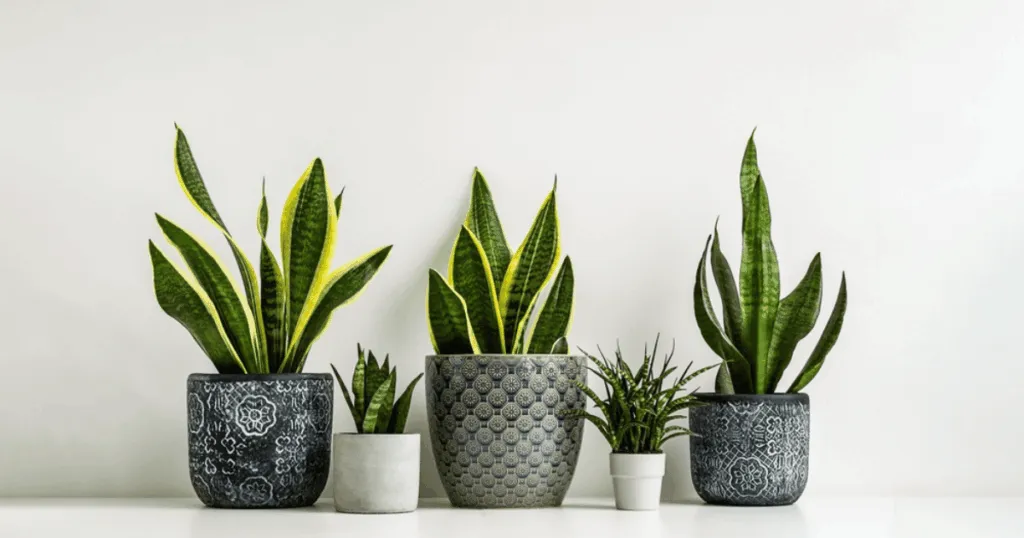
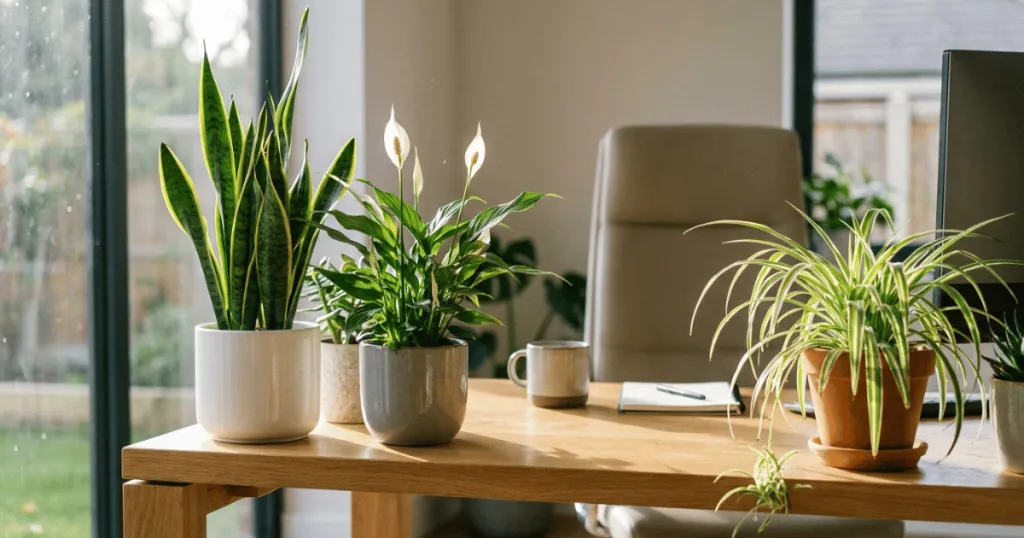
The Snake Plant is widely considered the gold standard for office greenery. Its stiff, upright leaves are designed to store water, allowing it to go weeks without a drink. It is exceptionally tolerant of low light, though it will grow faster in brighter spots. One important thing to remember is that overwatering is the only real threat to this plant, so err on the side of keeping it dry. Its vertical growth habit makes it perfect for tight corners where floor space is at a premium.
ZZ Plant
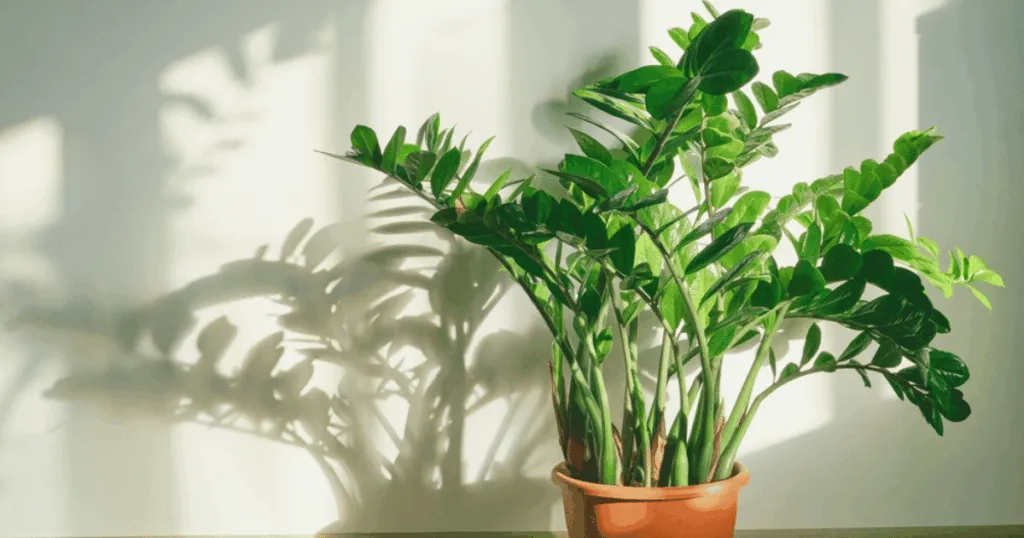
If your office has limited natural light, the ZZ Plant is your best candidate. It features glossy, dark green leaves that look polished and professional. It thrives in the low-light conditions found in many interior meeting rooms and cubicles. Because it grows from rhizomes, which act as underground water reservoirs, it is remarkably forgiving if you forget to water it for an extended period. It is arguably the most neglect-tolerant plant on this list, making it a favorite for reception areas that receive little attention.
Pothos
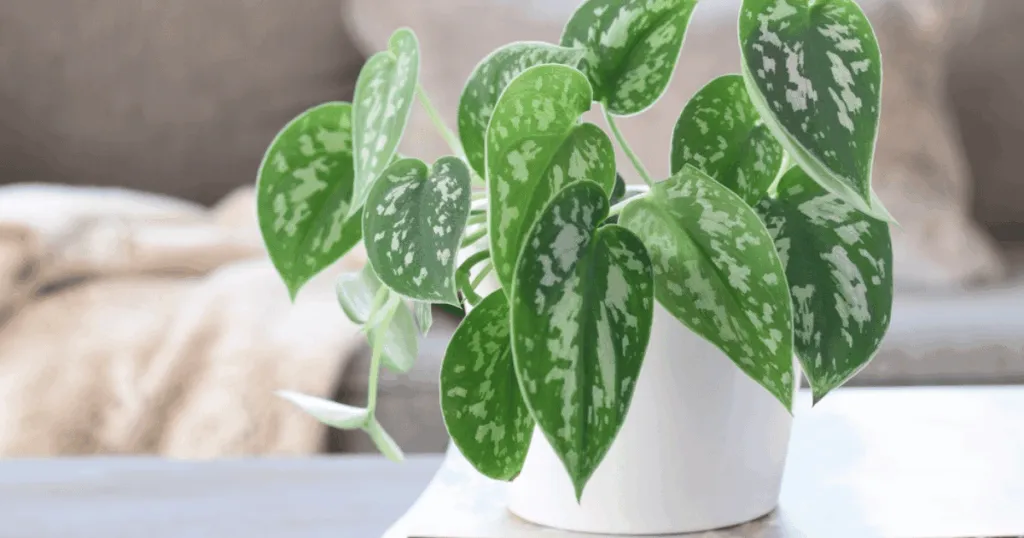
For those who prefer a trailing plant, Pothos is a versatile and hardy choice. It can handle a wide range of lighting conditions, from dim corners to bright offices. It is an excellent indicator plant because its leaves will begin to droop slightly when it needs water, providing a clear visual cue before the plant suffers any permanent damage. It recovers quickly once watered. Pothos is ideal for high shelves or filing cabinets where its vines can drape gracefully.
Cast Iron Plant
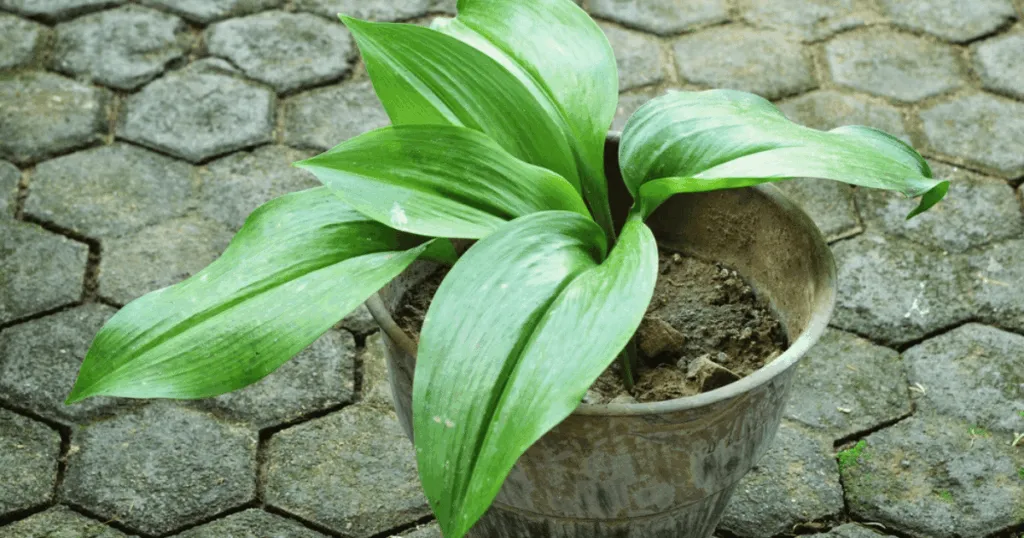
True to its name, the Cast Iron Plant is nearly indestructible. It is slow-growing and prefers to be left alone. It is particularly well-suited for drafty hallways or areas with fluctuating temperatures where other plants might drop their leaves. It does not require high humidity and is perfectly content in the lower light levels found in many office corridors. It is a fantastic option for those who want a lush, leafy look without the fuss of high-maintenance tropicals.
Parlor Palm
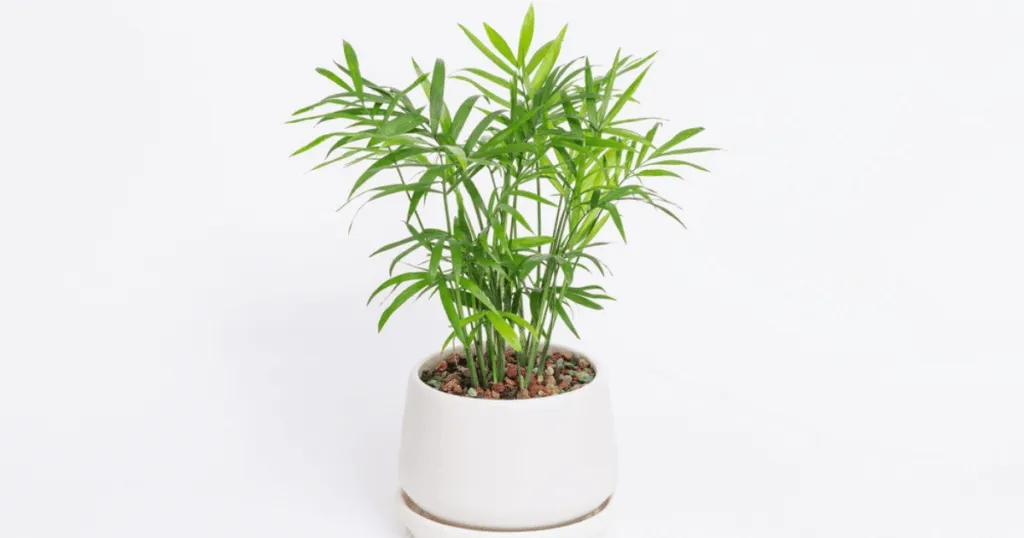
If you need a plant that provides a more architectural, palm-like aesthetic without the high light demands of other tropical species, the Parlor Palm is the answer. It is one of the few palms that genuinely tolerates low-light office environments. It prefers to dry out slightly between waterings, making it a manageable choice for busy office managers. It adds a touch of softness to hard-edged office furniture.
Chinese Evergreen
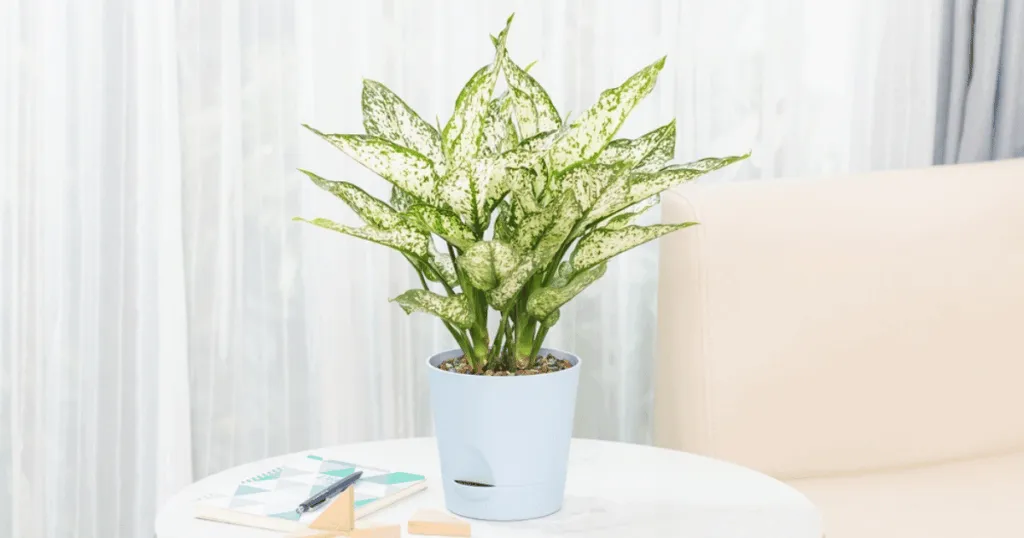
The Chinese Evergreen is prized for its patterned foliage, which adds visual interest to a desk without requiring high maintenance. It is highly adaptable to various light levels and is quite tolerant of the dry air found in most office buildings. It prefers consistent moisture but is forgiving if the soil dries out occasionally. Its variegated leaves can brighten up a dull cubicle.
Spider Plant
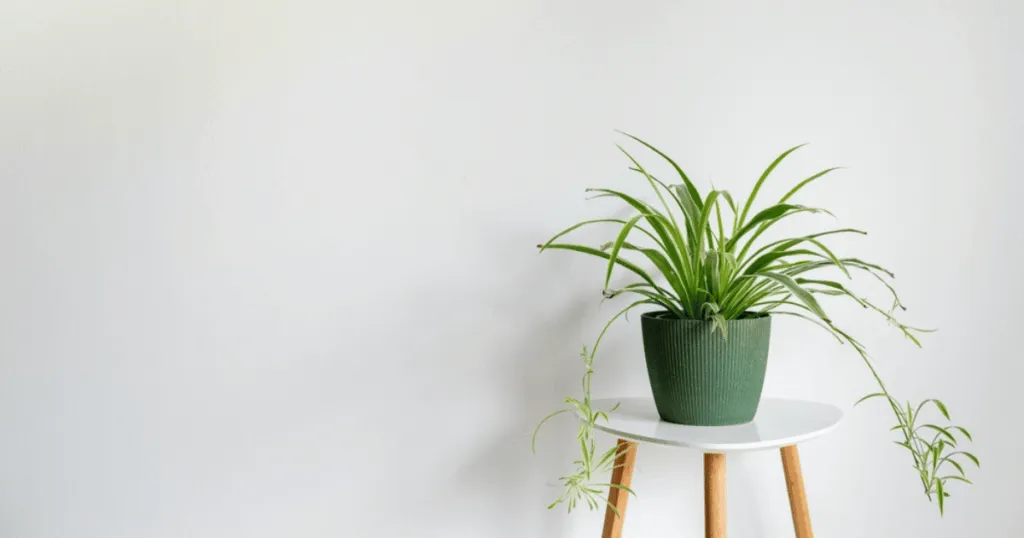
The Spider Plant is a classic for a reason. It is adaptable, easy to propagate, and grows well in a variety of office settings. It is particularly useful for hanging baskets or high shelves where you want a bit of greenery to cascade downward. It is generally unfussy about light and can tolerate a wide range of temperatures. As a non-toxic option, it is a safe choice for offices that allow pets.
Syngonium
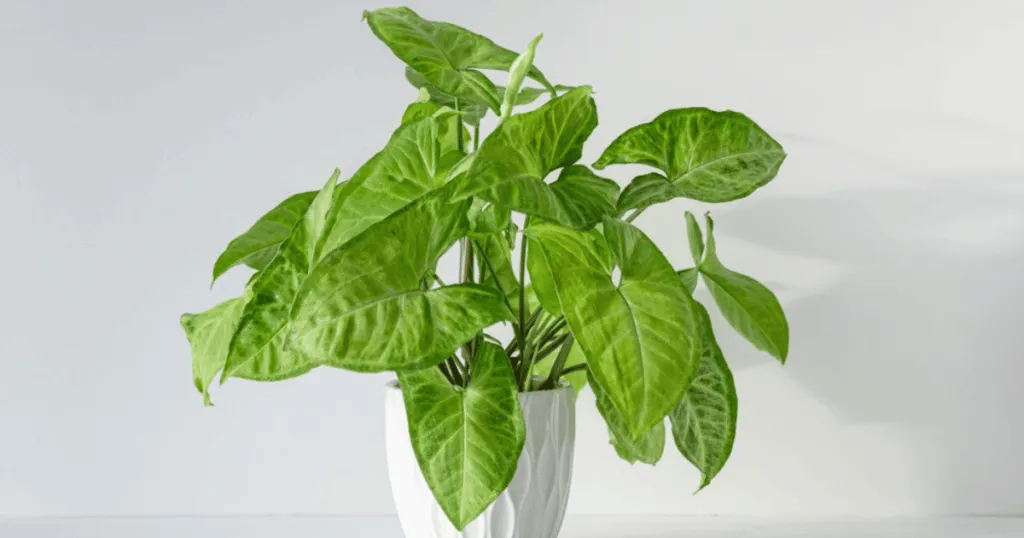
Also known as the Arrowhead Plant, the Syngonium is a reliable choice that offers beautiful leaf shapes. It is quite tolerant of lower light levels and will grow steadily in most office environments. It prefers to have its soil kept slightly moist, but it is not overly dramatic if you miss a watering cycle. Its foliage changes shape as it matures, providing a dynamic element to your desk decor.
Peperomia
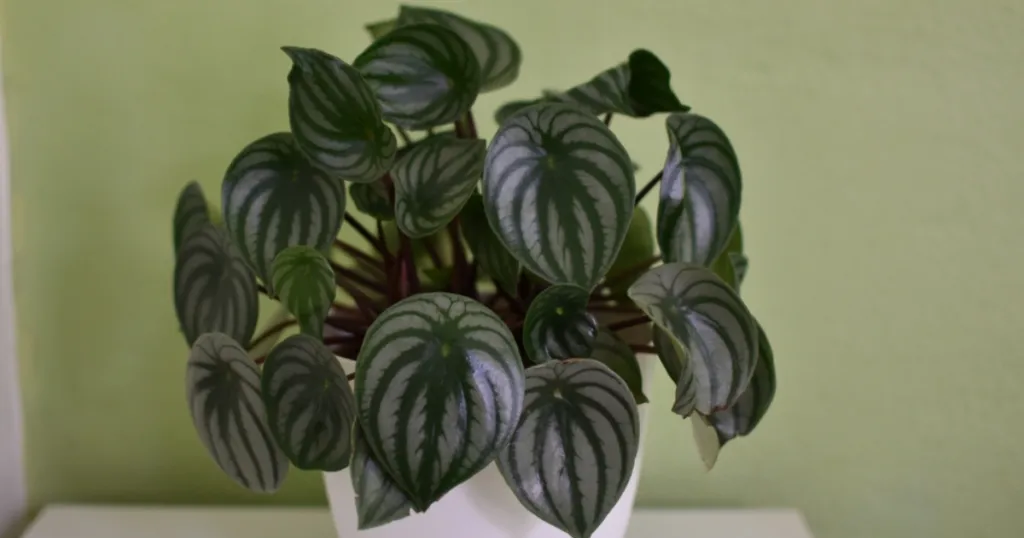
For smaller desk spaces, Peperomia is an ideal choice. These plants are compact and come in a wide variety of leaf textures and colors. They are generally low-maintenance and do not require the high humidity that many other small tropical plants demand. They are excellent for adding a touch of color to a workstation without taking up significant space. Because they are semi-succulent, they handle the occasional missed watering with ease.
Lucky Bamboo
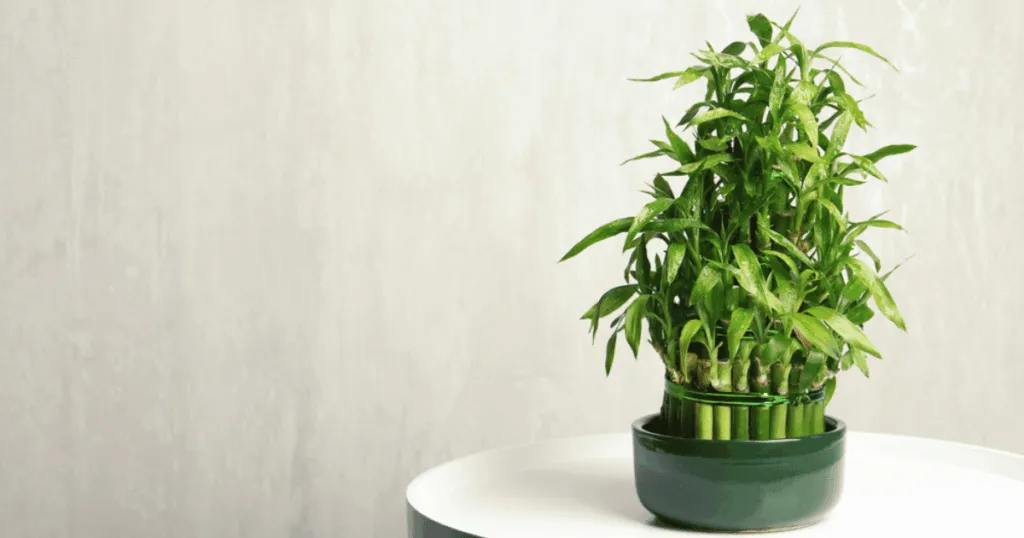
Often grown in water or minimal soil, Lucky Bamboo is a popular choice for minimalist office decor. It is very easy to manage and can survive in lower light conditions. It is important to ensure the water is changed or topped off regularly, but otherwise, it is a very low-effort plant that maintains a clean, architectural look. It is a great conversation piece for a front desk.
Advanced Resilience: Plants for Specific Office Challenges
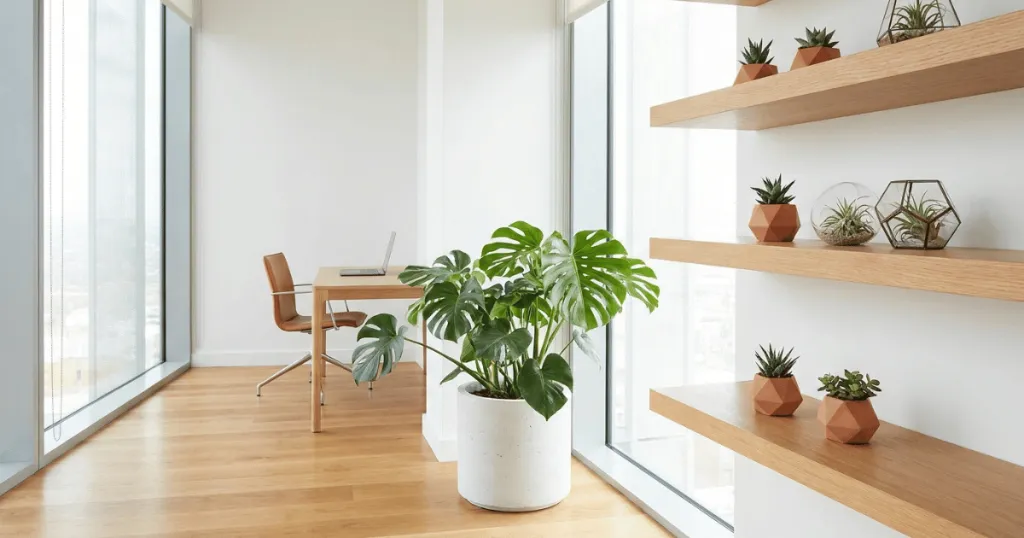
While the list above covers the most bulletproof options, sometimes you need a plant that can handle specific, slightly more demanding conditions. For instance, if you have a bright, sunny windowsill, a Jade Plant or Aloe Vera can thrive, provided you allow the soil to dry out completely. These succulents are built for intense light and low water, making them perfect for south-facing windows where other plants might scorch.
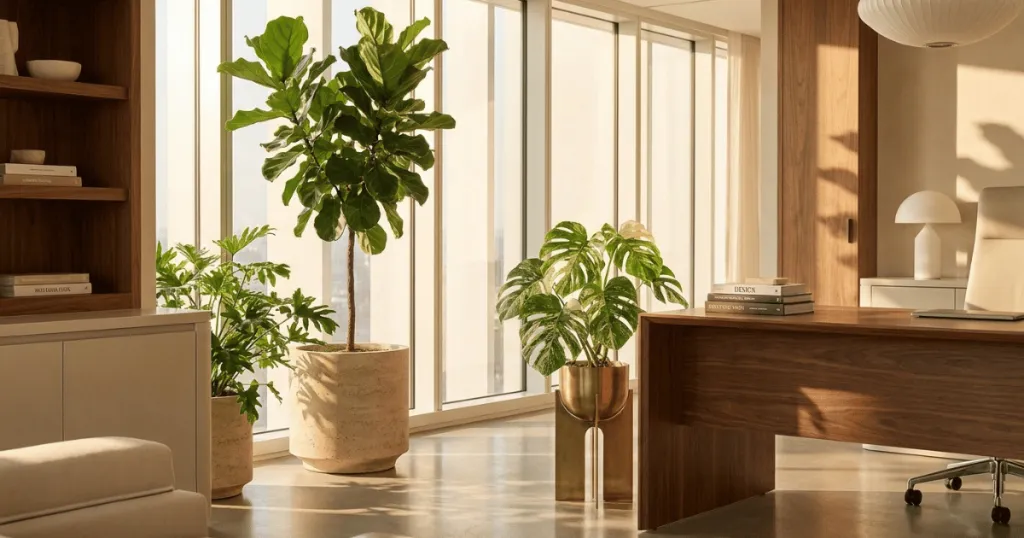
Conversely, if you are looking for something that adds height to a lobby or large open-plan office, a Dracaena or Schefflera can provide a tree-like presence. Dracaenas are particularly good at handling lower light levels, though they can be sensitive to the fluoride found in some tap water. Using filtered water can prevent the brown tips often seen on their leaves. Schefflera, or the Umbrella Tree, is a classic, bushy plant that fills space effectively and handles standard office lighting with ease.
For those who want a plant that flowers, the Peace Lily is a standout. While it is slightly more demanding than a ZZ plant – it will droop dramatically when it needs water – it is very communicative. It thrives in medium light and its white spathes add a sophisticated touch to meeting rooms. Just remember that it prefers consistent moisture, so it is not the best choice for someone who is away from the office for long periods.
Placement and Use-Case Strategies
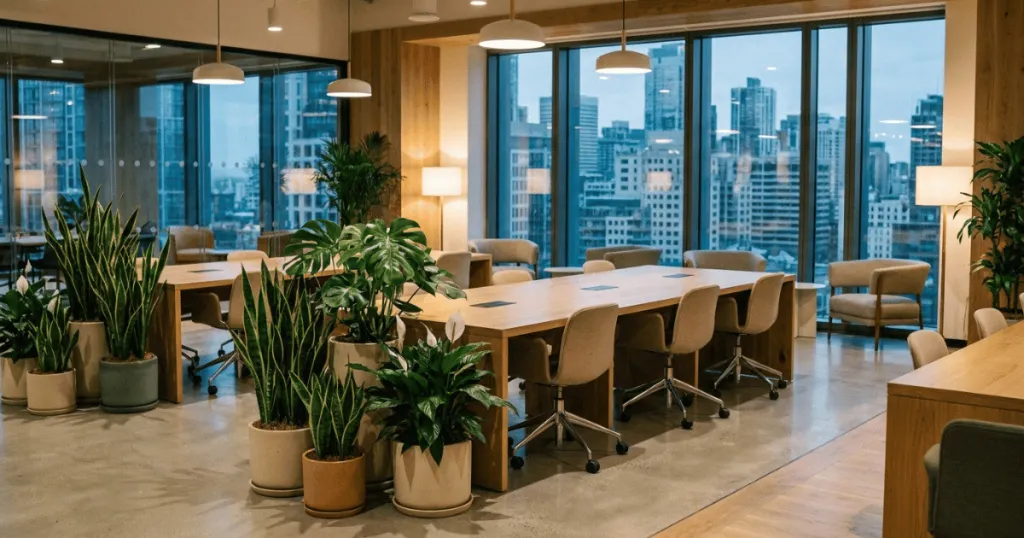
Where you place your plant is just as important as the species you choose. For desks, prioritize compact plants like Peperomia or small Snake Plants that do not interfere with your workspace. In reception areas, larger, more structural plants like the ZZ Plant or a tall Snake Plant create a professional, welcoming atmosphere without requiring daily attention. Meeting rooms often suffer from inconsistent light and temperature, making the Cast Iron Plant or Chinese Evergreen ideal candidates for these spaces.
Avoid placing plants directly in front of air vents, as the constant airflow will dry out the leaves and cause stress, regardless of how hardy the plant is. If you are placing a plant on a windowsill, ensure it is not exposed to harsh, direct afternoon sun, which can scorch the leaves of even the most resilient species. Instead, look for spots with bright, indirect light or areas that receive consistent, diffused light throughout the day. If your office lacks windows, consider rotating your plants to a brighter area for a few days each month to help them recharge.
Limitations and Trade-offs
While these plants are resilient, they are not immortal. The most common mistake in office plant care is over-enthusiasm. Many people try to water their plants on a strict schedule regardless of whether the soil is dry, which leads to root rot. A better approach is to check the soil moisture with your finger before adding water. If the top inch of soil is still damp, wait a few more days. This simple habit is the single most effective way to prevent plant death.
Another consideration is toxicity. Many of the most resilient office plants, such as the Snake Plant, ZZ Plant, and Pothos, contain calcium oxalate crystals or saponins. While this is rarely an issue in a professional environment where plants are not being consumed, it is a factor to keep in mind if your office is pet-friendly or if you have concerns about accidental ingestion. If you require non-toxic options, the Parlor Palm and Spider Plant are excellent, safe alternatives that still offer high levels of resilience.
Finally, remember that even the toughest plants need occasional cleaning. Dust can accumulate on leaves in an office environment, blocking the light and hindering photosynthesis. Wiping the leaves down with a damp cloth every few months will keep your plants healthy and looking their best. This also gives you a chance to inspect the plant for any early signs of pests, such as spider mites, which can sometimes appear in dry, low-humidity office air.
We are a professional information resource dedicated to office plant care. Our content is designed to provide practical, evidence-based guidance for maintaining greenery in workplace environments. We do not sell plants, nor do we provide affiliate links to retailers. Our goal is to offer clear, actionable advice that helps office managers and employees make informed decisions about their workspace greenery. By focusing on the specific constraints of the office, we aim to help you create a more vibrant and productive environment with plants that are truly suited to the task.
FAQ
Why do my office plants keep dying even though I water them?
The most common reason is overwatering. Most office plants, especially the best plants for the office that don’t die, prefer their soil to dry out between waterings. Constant moisture prevents the roots from getting oxygen, leading to root rot.
Do I need to fertilize my plants in the office?
Generally, no. Office plants grow slowly due to lower light levels and do not need heavy fertilization. A light application of balanced fertilizer once or twice a year during the spring is usually more than enough.
Can these plants survive in an office with no windows?
Yes, many of the listed plants, such as the ZZ Plant and Snake Plant, can survive in windowless offices. However, they will grow very slowly. If your office has absolutely no light, consider rotating the plants to a brighter area for a few days each month.
How do I know if my plant is getting enough light?
If a plant is not getting enough light, it may become leggy, with long stems and sparse leaves as it stretches toward the light source. If it is getting too much light, you might see scorched or bleached spots on the leaves.