Affiliate Disclosure: As an Amazon Associate, I earn from qualifying purchases.
Open office layouts, windowless meeting rooms, and climate-controlled reception desks present a unique set of challenges for living greenery. Between overhead fluorescent panels, fluctuating HVAC drafts, and weekends spent in total darkness, standard horticultural advice rarely applies. Finding varieties that retain their visual polish under these artificial conditions requires looking beyond basic survival and focusing on plants with strong architectural lines, clean growth habits, and proven resilience.
We generally recommend prioritizing species that maintain upright structure and vibrant coloration without needing direct sunlight. This curated shortlist evaluates top candidates based on actual workplace performance, maintenance trade-offs, and visual impact to help you discover the best looking office plants.
Quick Facts
- Office plants survive best under indirect LED or fluorescent lighting.
- Overwatering is the primary cause of workplace plant decline.
- Low-humidity environments demand careful moisture monitoring for sensitive species.
- Architectural foliage creates immediate visual focal points in receptions.
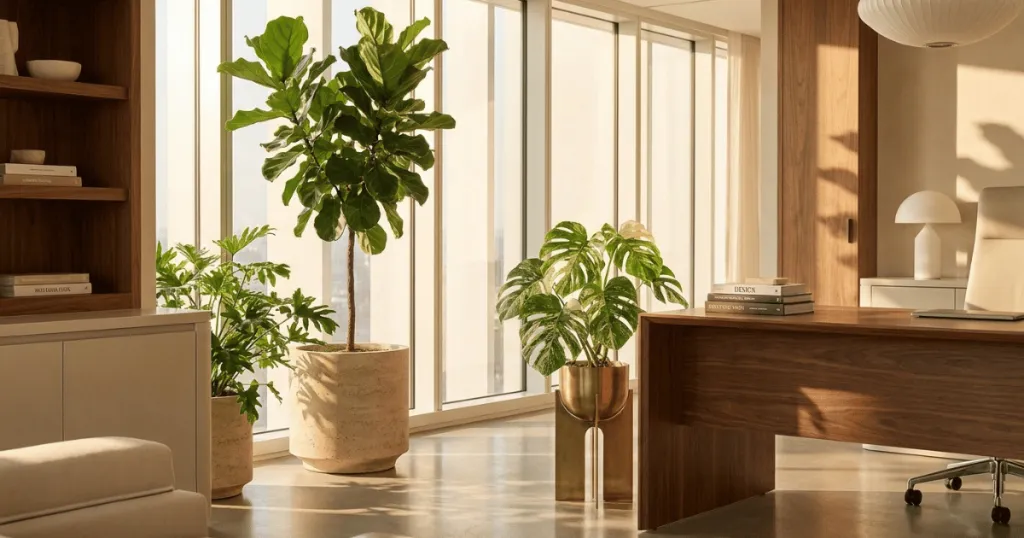
Evaluating Criteria for Professional Workspaces
Curating a collection of greenery for corporate environments means filtering out high-maintenance outdoor varieties that drop leaves at the first sign of a draft. The selections below focus on structural presence, growth rate, and tolerance of indoor office realities. A proper office plant must look intentional rather than neglected, holding its shape through long stretches of neglect over holidays and weekends.
When assessing options for open offices or executive suites, facilities teams must balance aesthetic desires against practical constraints. Plants placed near high-traffic paths must withstand accidental brushing, while those on isolated windowsills need to tolerate temperature swings caused by thermal glass. Furthermore, standardizing potting mixes and watering instruments across departments minimizes confusion for facilities staff responsible for routine upkeep.
Top Structural and Architectural Selections
Snake Plant
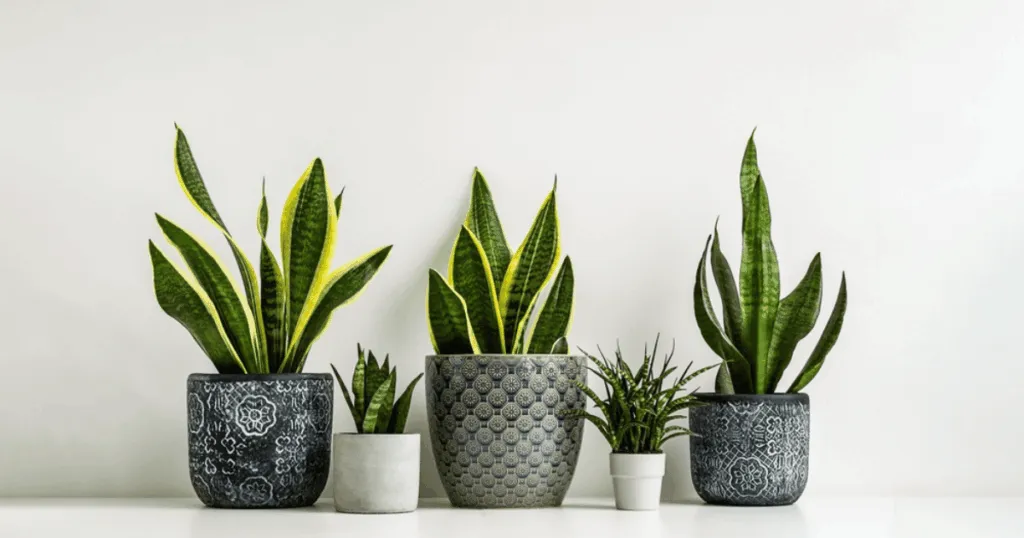
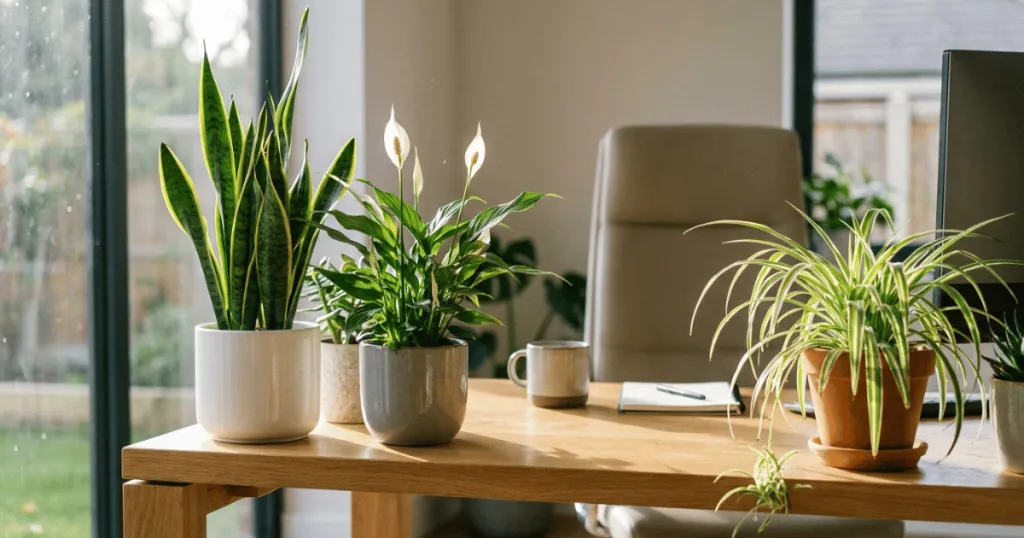
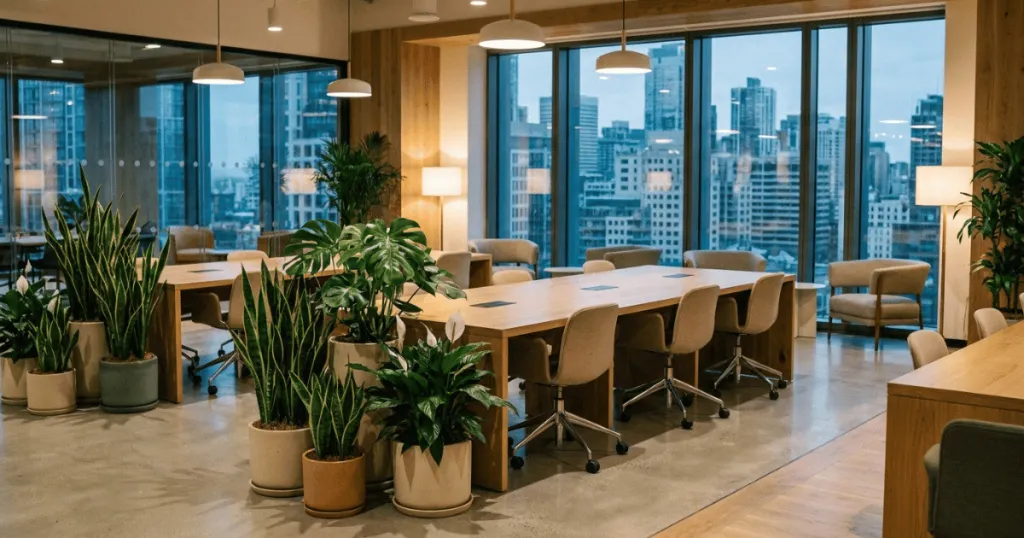
The Snake Plant stands out as an exceptionally reliable choice for modern offices due to its stiff, vertical leaves and striking pattern variation. It tolerates low light conditions easily and demands very little attention from busy facilities teams. Overwatering remains the single biggest risk to its long-term health, making it an ideal candidate for offices with inconsistent watering schedules.
From an interior styling perspective, the upright vertical growth of the Snake Plant creates an impression of height, making it particularly useful near low-ceiling cubicle clusters or narrow corridors where floor space is at a premium. Its succulent-like foliage stores moisture efficiently, which translates to superior survival rates during long corporate holiday closures when watering routines lapse entirely.
ZZ Plant
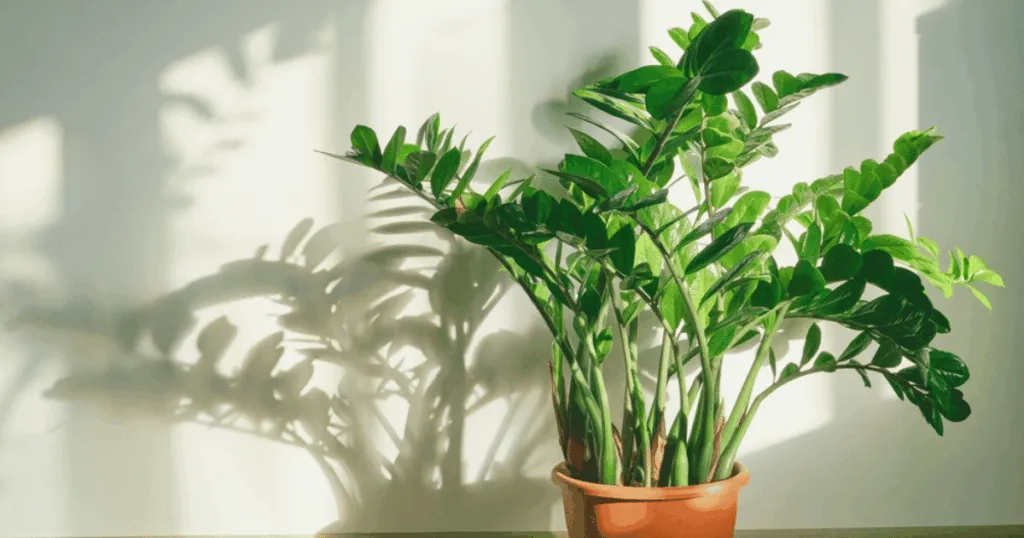
Known for its glossy, waxy foliage that practically reflects artificial office lighting, the ZZ Plant thrives in interior spaces where natural light is scarce. Its thick rhizomes store water efficiently, allowing it to survive extended periods without attention over long weekends or holiday closures. From a design standpoint, its clean, geometric stems offer a polished, orderly aesthetic that suits minimalist corporate interiors.
Because its leaves naturally capture ambient light from overhead fluorescent panels, the ZZ Plant maintains a polished, freshly dusted appearance longer than matte-leaved species that collect airborne dust more visibly. This makes it a preferred option for corporate boardrooms and high-visibility entryways where constant cleaning is not practical.
Rubber Plant
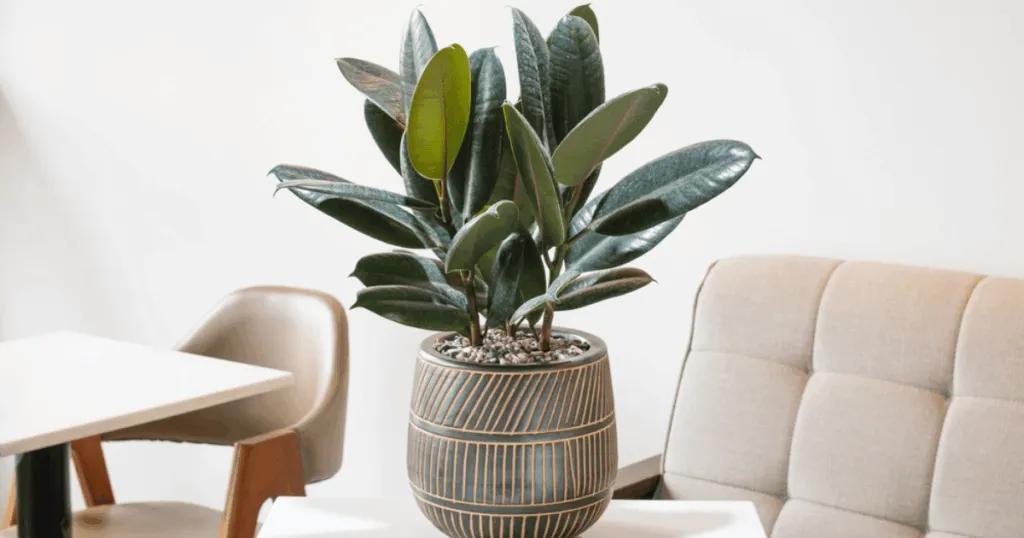
Featuring broad, deep green or burgundy leaves, the Rubber Plant adds substantial visual weight and an upscale feel to executive offices or quiet corners. It requires bright indirect light to maintain its rich coloration and robust growth habit. Office managers should note that its latex sap can irritate sensitive skin if pruned, but its stately presence makes the extra placement consideration worthwhile.
When placed in a well-lit corner near a large window, the Rubber Plant develops a commanding single-stemmed tree form that anchors large open rooms. Pruning the growing tip can encourage bushier lateral branching, allowing workplace planners to tailor its height and spread to fit specific office architecture.
Monstera
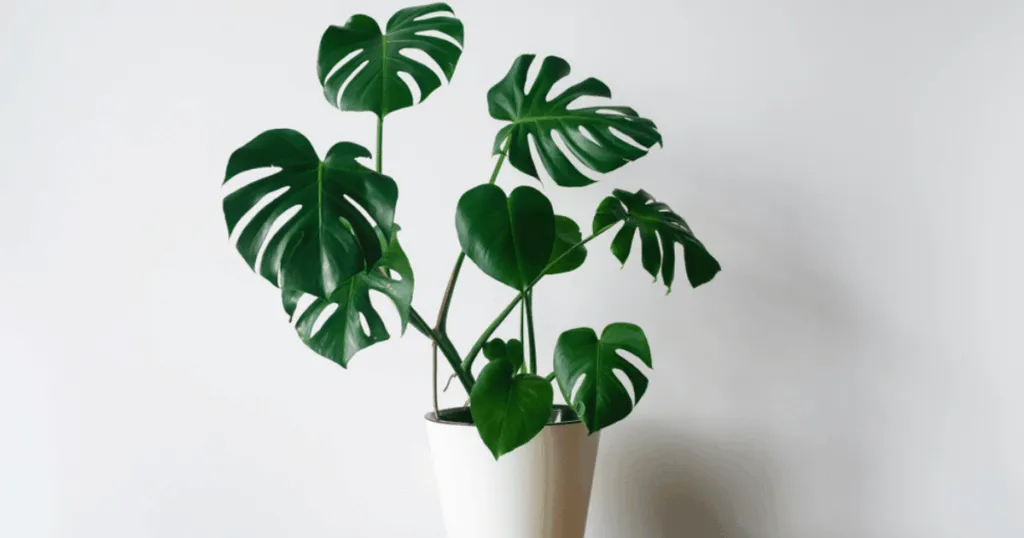
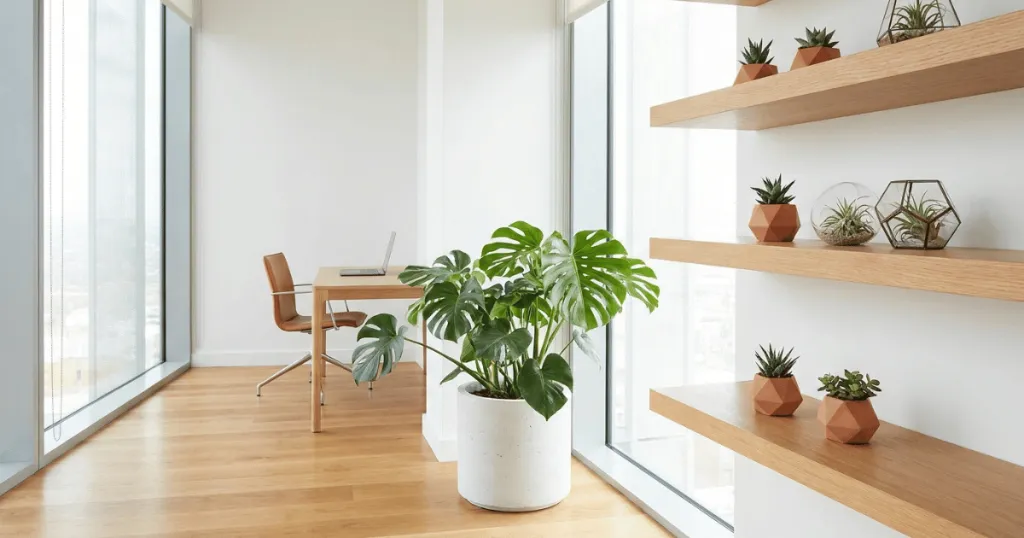
For open-plan spaces and collaborative zones that receive adequate light, the Monstera delivers dramatic tropical impact with its signature split leaves. While younger plants sit comfortably on side tables, mature specimens benefit from a moss pole or support stake to encourage upward climbing. Our editorial review suggests placing these away from high-traffic corridor paths where physical brushing might damage the tender new fenestrations.
The perforated leaves introduce organic asymmetry into rigid rectangular workspaces, breaking up the monotony of modular cubicle walls. Ensuring the plant receives adequate indirect light prevents the leaves from remaining solid and encourages the development of iconic splits.
Top Desk and Low-Profile Selections
Pothos
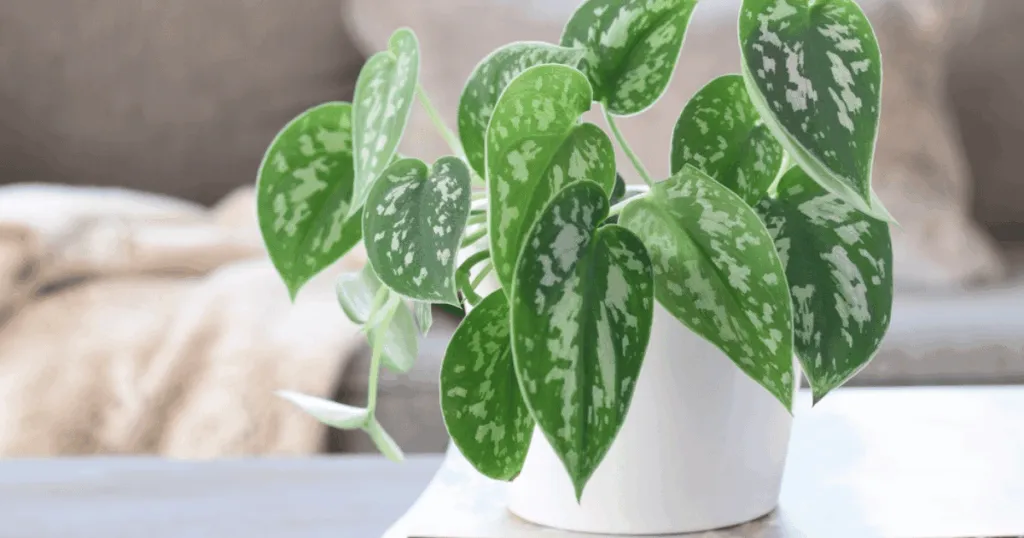
The Pothos is a versatile cascading option that performs exceptionally well on filing cabinets, bookshelves, or high partition walls where trailing vines soften harsh architectural lines. It adapts readily to fluorescent lighting and tolerates occasional underwatering without dropping its entire foliage canopy. A common mistake is letting vines trail too close to floor-level heating vents, which can dry out the tips rapidly.
Trimming trailing stems periodically encourages bushier growth at the crown of the pot rather than letting vines become sparse near the top. This simple pruning habit keeps desk-top or cabinet-top displays looking dense and well-maintained over years of growth.
Heartleaf Philodendron
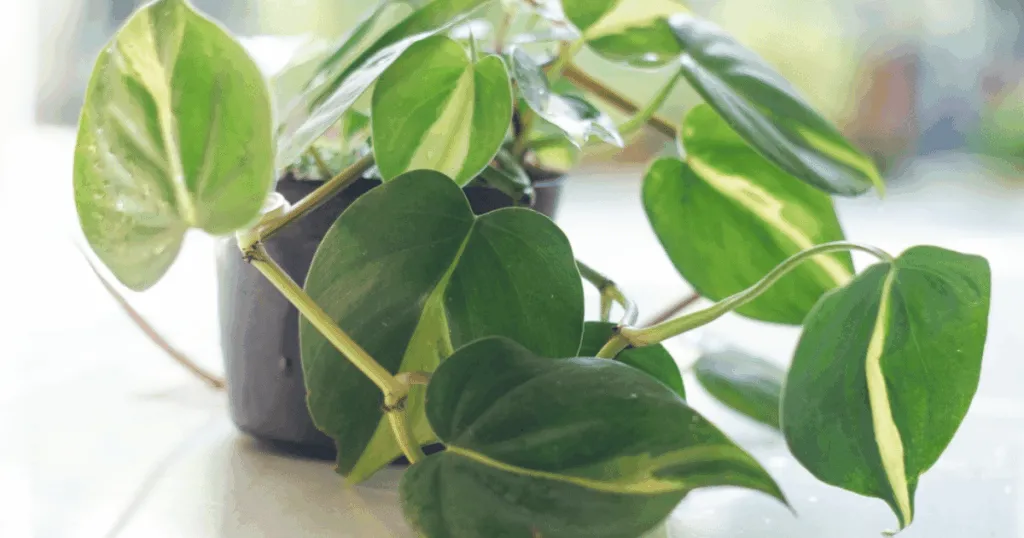
Offering heart-shaped, velvety leaves on slender vines, the Heartleaf Philodendron provides a classic green accent for individual desks and shared tables. It grows reliably in medium indirect light and recovers quickly if a watering cycle is missed by a few days. This variety fits particularly well in tighter cubicle spaces where floor-standing specimens would obstruct movement.
Unlike larger floor plants, individual desk specimens put employees in direct daily contact with living greenery, which can boost perceived workplace satisfaction without requiring dedicated facilities intervention for basic watering tasks.
Peperomia
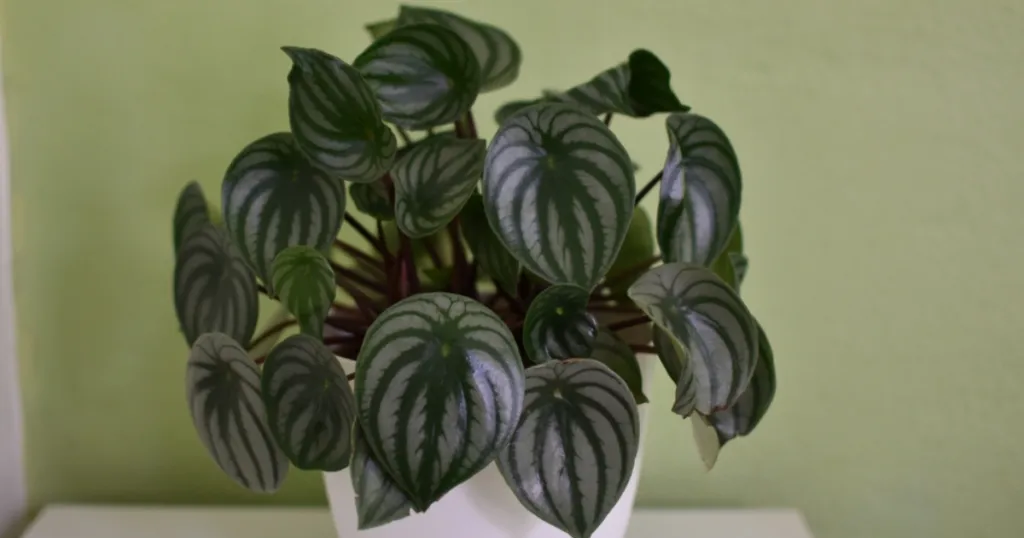
Compact and diverse in leaf texture, the Peperomia genus brings varied foliage patterns to small desk footprints without demanding vertical clearance. These plants prefer medium indirect light and require minimal pruning to maintain their tidy shape. Because their root systems are naturally small, they rarely require frequent repotting, making them remarkably low-fuss long-term desk companions.
The semi-succulent nature of many Peperomia varieties means they handle accidental under-watering far better than delicate ferns, forgiving the occasional busy week where desk plant care slips off the employee’s priority list.
Chinese Evergreen
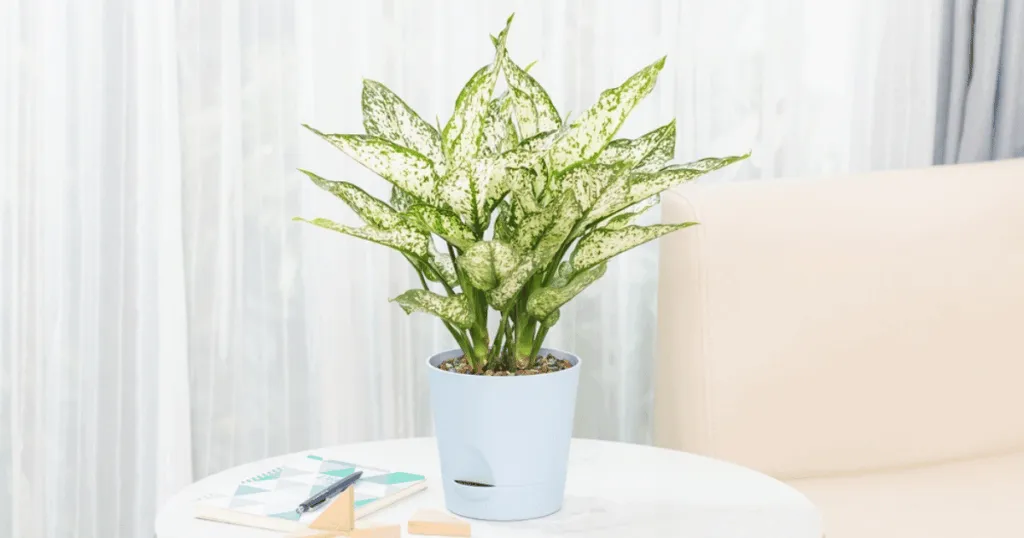
The Chinese Evergreen brings subtle color variation ranging from silver splashes to deep reds into spaces with limited natural illumination. It ranks among the most adaptable foliage plants for interior office environments, tolerating typical fluorescent lighting without fading. A safer approach for busy teams is to set a consistent bi-weekly moisture check rather than watering on a rigid calendar.
Its clustered growth habit fills out table surfaces cleanly, providing a lush focal point that does not require climbing structures or trailing vines that might tangle with computer cords or desk supplies.
Top Reception and Lobby Selections
Kentia Palm
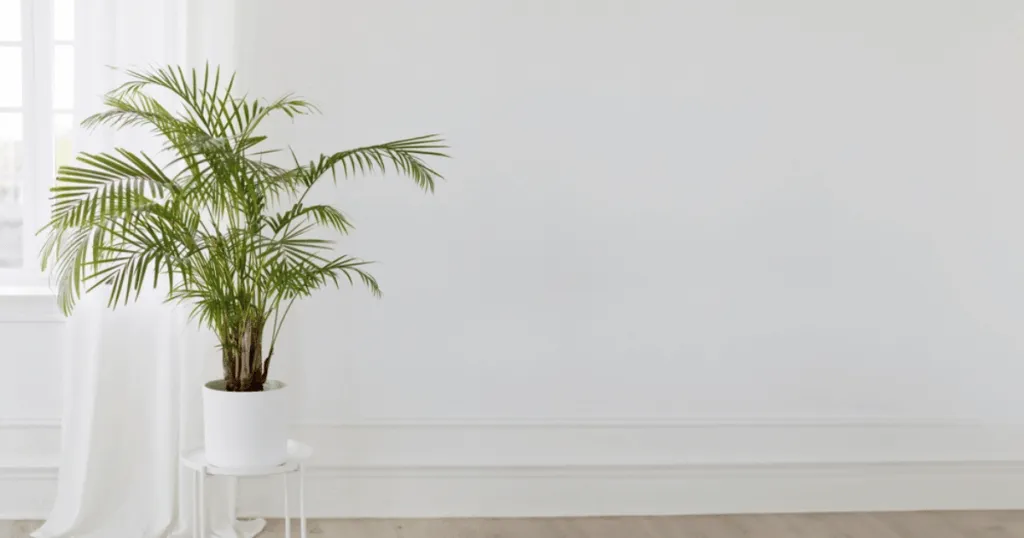
For executive boardrooms and high-end reception areas, the Kentia Palm delivers a graceful, classic silhouette with arching dark green fronds. It tolerates low light better than most other indoor palms, though it grows slowly and requires minimal interference to look its best. Providing adequate floor space away from heavy foot traffic ensures the delicate fronds remain unbent and pristine.
The upward-reaching, feathered fronds convey an established, professional tone immediately upon entry, creating a welcoming buffer between bustling exterior hallways and quiet inner workstations.
Cast Iron Plant
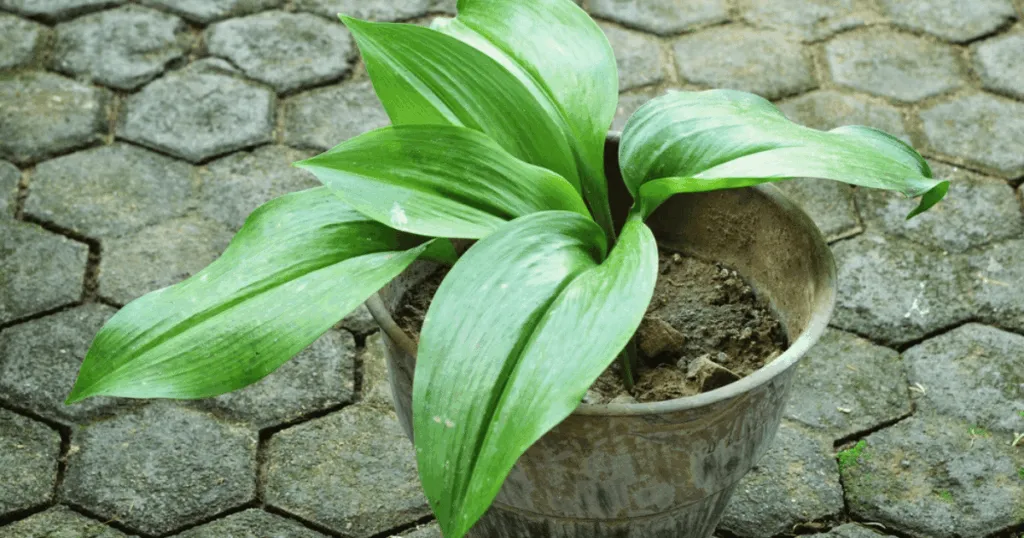
True to its descriptive name, the Cast Iron Plant shrugs off deep shade, erratic watering, and dry indoor air with remarkable tenacity. Its dark, lance-shaped leaves provide a lush, traditional backdrop that remains dependable year-round. It serves as an ideal solution for gloomy interior corridors or windowless conference rooms where other decorative species simply fail.
Because it tolerates low-light corners where window illumination is entirely absent, facilities managers frequently rely on it to green up central core zones of large floor plates.
Bamboo Palm
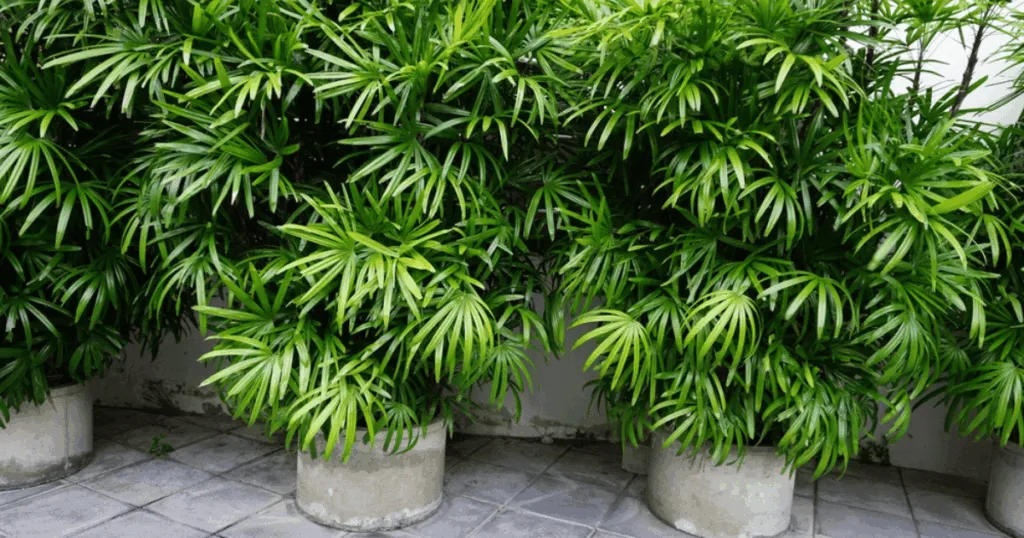
The Bamboo Palm creates a soft, textural screen that works well for dividing open-plan areas or framing reception seating arrangements. It prefers medium indirect light and benefits from consistently moist soil that is never allowed to sit in standing water. Its clustering cane growth adds an organic, structured element that breaks up hard corporate walls.
Using tall planters, multiple bamboo palms can act as a natural spatial divider, delineating waiting lounges from active workstations without requiring permanent drywall alterations.
Placement and Environmental Optimization
Matching plant architecture to the specific physical layout of your office dictates long-term success. Floor-standing specimens like the Kentia Palm or Rubber Plant command attention in empty corners and frame doorways, whereas compact selections like the Peperomia or Pothos fit neatly on active work surfaces or high ledges. Always evaluate the proximity of overhead HVAC vents, as constant blowing air accelerates moisture loss and causes leaf tip browning on delicate fronds. Positioning plants just outside the direct path of moving air protects them from rapid temperature fluctuations.
Evaluating light quality requires looking at more than window placement. Interior offices relying entirely on commercial lighting need varieties whose photosynthetic systems adapt efficiently to artificial spectrums. Combining light-tolerant selections with smart grouping ensures that even windowless conference rooms project a polished, vibrant aesthetic.
Trade-Offs and Maintenance Realities
Every office plant introduces specific maintenance trade-offs between visual reward and upkeep effort. High-impact tropicals often demand strict humidity or precise light levels, while bulletproof varieties like the ZZ Plant or Snake Plant require very little water but tolerate zero tolerance for soggy soil. Understanding these operational limits prevents the common cycle of replacing stressed greenery every few months. Facilities teams should assess available daylight hours and routine maintenance schedules before finalizing plant placements across different departments.
Establishing a standardized care checklist helps mitigate human error when multiple staff members share watering duties. Clear guidelines regarding soil dryness checks prevent the accidental root rot that plagues many corporate green spaces.
Selecting the right greenery transforms a sterile corporate interior into a vibrant, grounded workspace. By matching resilient species to your specific light levels and maintenance capacity, you ensure long-lasting visual appeal across every room.
FAQ
How do office plants survive under fluorescent or LED lighting without natural windows?
Many interior species naturally evolve in dense forest understories, making them well-adapted to lower light spectrums. While growth slows down significantly compared to direct sunlight, varieties like the ZZ Plant and Snake Plant maintain their structural integrity and coloration under standard commercial ceiling lighting.
What is the most common reason office plants decline or die?
Overwatering is by far the leading cause of plant decline in workplaces. Well-meaning staff often water on a rigid weekly schedule without checking whether the soil is still damp underneath, leading to root rot and yellowing leaves.
Which office plants work best for individuals with severe pet allergies or office pets?
If workplace cats or dogs are present, non-toxic options such as the Parlor Palm, Kentia Palm, Spider Plant, and Peperomia provide safe foliage choices without the risk of severe systemic irritation from ingestion.
How often should office plants be watered during extended holiday closures?
Most resilient office varieties easily withstand two to three weeks of neglect if thoroughly watered right before the break. For longer absences, grouping plants together or using self-watering globes helps maintain adequate soil moisture.