Aloe Vera is frequently cited as the ultimate low-maintenance office plant, but its reputation often outpaces its actual performance in a professional environment. While many assume that any succulent can survive in a dim cubicle, this plant is a sun-worshipper that demands specific conditions to remain healthy. In an office setting, the primary challenge isn’t the lack of care, but the lack of intensity in the available light.
- Requires bright, direct or indirect sunlight to avoid leggy growth.
- Water sparingly; allow soil to dry completely between sessions.
- Thrives in standard office humidity levels without extra misting.
- Toxic to cats and dogs if ingested; keep away from pets.
- Best suited for windowsills or high-light reception areas.
If you are considering adding this species to your workspace, it is important to distinguish between simply keeping it alive and helping it thrive. When provided with the right placement, it is a resilient and visually striking addition to a desk or meeting room. However, when placed in the wrong spot, it quickly loses its structural integrity, becoming pale and elongated. Understanding these nuances is the difference between a thriving green companion and a struggling plant that requires constant troubleshooting.
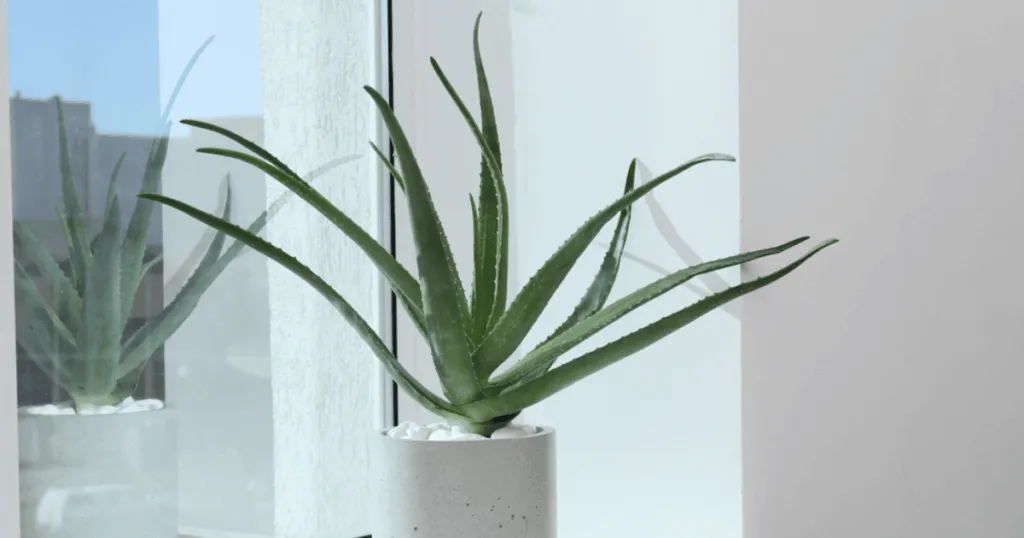
Physical Characteristics and Growth Patterns
The visual appeal of Aloe Vera lies in its architectural, rosette-forming structure. The leaves are thick, fleshy, and lance-shaped, typically featuring a serrated edge with small, soft spines. These leaves are designed by nature to store water, which is why the plant is so effective at surviving periods of neglect. In a healthy specimen, the leaves should be firm, plump, and vibrant, ranging from a deep sage green to a lighter, dusty hue depending on the specific variety and light exposure.
Growth in an office environment is generally slow and steady. Unlike leafy tropical plants that might quickly outgrow a desk, this succulent maintains a manageable footprint for several years. It typically grows from the center outward, with new, smaller leaves emerging from the heart of the rosette. As the plant matures, it may produce offsets, often called “pups,” which cluster around the base of the parent plant. This growth habit can eventually lead to a crowded container, which is a natural stage in the plant’s life cycle that often signals the need for repotting.
One of the most common issues in offices is the plant’s reaction to insufficient light, which manifests as “stretching.” When the plant does not receive enough energy, it will reach toward the nearest light source, causing the leaves to droop, thin out, and lose their characteristic upward-curving shape. This is not a sign of disease, but a clear indicator that the plant is struggling to photosynthesize effectively. A healthy, well-lit specimen should remain compact, with leaves that feel rigid to the touch rather than soft or pliable.
Essential Care Requirements for the Workplace
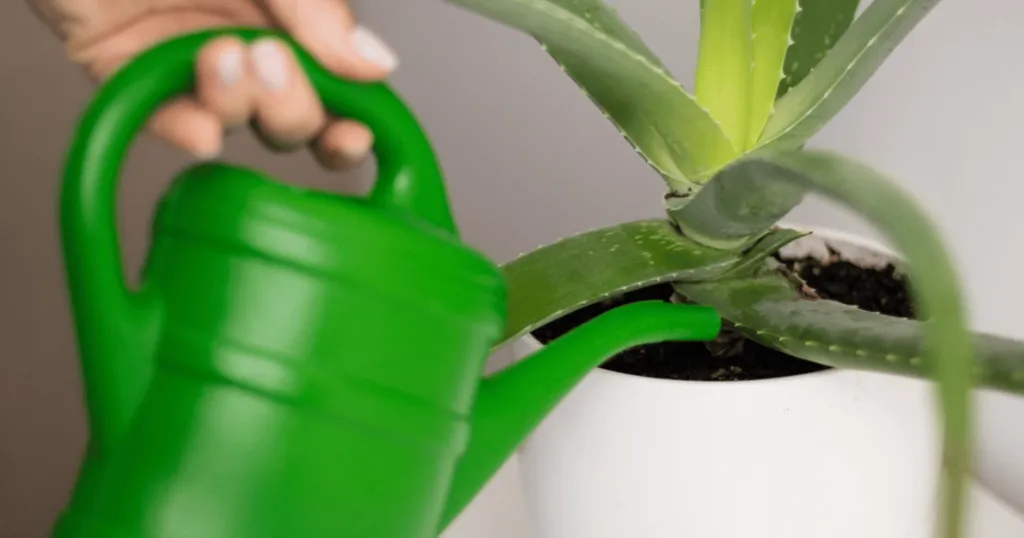
Managing this plant in an office requires a shift in mindset compared to standard foliage plants. Because it is a succulent, its primary enemy is moisture retention. In an environment with HVAC-controlled air, the soil may dry out faster than you expect, but it is still safer to err on the side of dryness. The golden rule is to allow the soil to dry out completely between waterings. If you are unsure, wait an extra few days; it is far easier to revive a parched plant than one suffering from root rot caused by soggy soil.
Light is the most critical factor for success. While many office plants tolerate low-light corners, this species requires bright, consistent light to maintain its health. A south-facing or west-facing windowsill is ideal. If your office lacks natural light, you may find that the plant struggles significantly unless it is placed directly under a high-output LED desk lamp. Fluorescent overhead lighting, while bright to the human eye, often lacks the intensity and spectrum required for this succulent to produce the energy it needs to grow.
Humidity is rarely a concern for this plant. Unlike tropical ferns or calatheas that require high moisture levels, this species is perfectly adapted to the dry, filtered air typical of modern office buildings. You do not need to worry about misting or using a humidifier. In fact, keeping the plant in a dry, well-ventilated area is beneficial, as it helps prevent fungal issues that can arise when moisture sits on the leaves or in the soil for too long.
Office Suitability and Strategic Placement
The best placement for this plant is near a window where it can receive several hours of bright, natural light each day. If you work in an open office plan, consider placing it on a communal windowsill or a dedicated plant shelf near the perimeter of the room. Avoid placing it in interior meeting rooms or windowless offices unless you are prepared to supplement with a dedicated grow light. The plant’s inability to thrive in low-light environments makes it a poor choice for desks that are tucked away from windows.
In terms of maintenance, this is an excellent choice for busy office managers or employees who cannot commit to a daily plant-care routine. Because it thrives on neglect, it is perfectly fine to leave it unattended over weekends or even during extended holidays. The most common mistake is over-attentiveness; many people feel compelled to water the plant on a schedule, such as every Monday morning, which often leads to overwatering. Instead, use a “check-and-water” approach where you only provide water when the soil is bone-dry throughout the entire pot.
When choosing a container, prioritize drainage. The pot must have holes at the bottom to allow excess water to escape. A terracotta pot is often a superior choice for this plant because the material is porous, allowing the soil to dry out more efficiently than plastic or glazed ceramic. This extra layer of protection against overwatering is a significant advantage in an office setting where drainage can sometimes be overlooked.
Safety and Toxicity Considerations
When incorporating greenery into shared workspaces, it is necessary to consider the safety of the environment. According to guidance from organizations like the ASPCA, Aloe Vera is considered toxic to cats and dogs if chewed or ingested. The plant contains compounds, specifically anthraquinone glycosides, which can cause gastrointestinal distress, including vomiting and diarrhea, if consumed by pets. If your office is pet-friendly or if you are keeping the plant in a home office where pets have access, it is essential to place the plant in a location that is physically inaccessible to animals.
Beyond pet safety, it is worth noting that the sap inside the leaves can also be a skin irritant for some individuals. While the plant is generally safe to handle, those with sensitive skin may experience mild irritation if they come into direct contact with the inner gel after breaking a leaf. This is rarely an issue in a professional setting, but it is a good practice to wash your hands after any significant pruning or repotting tasks. By keeping the plant in a stable, out-of-the-way location, you mitigate these risks while still enjoying the aesthetic benefits of the plant.
Moving Forward with Your Plant Care
Successfully integrating this succulent into your office depends on your ability to provide the right light and your discipline in avoiding overwatering. While it is a relatively easy plant to maintain, it is not a “set it and forget it” object; it requires a basic understanding of its physiological needs. If you find your plant is showing signs of distress, such as yellowing leaves or a mushy base, these are clear signals that your watering or light conditions need adjustment.
This overview provides the foundational knowledge needed to select and place your plant effectively. For more specific guidance on diagnosing leaf discoloration, managing pest issues, or learning the correct techniques for repotting and propagation, please refer to our dedicated troubleshooting and care manuals. These resources will help you navigate the more technical aspects of long-term plant health, ensuring your Aloe Vera remains a vibrant part of your workspace for years to come.
Related Aloe Vera Guides
- our Aloe Vera care guide
- common Aloe Vera problems
FAQ
Why are the leaves of my office Aloe Vera turning brown or mushy?
Brown, mushy leaves are almost always a sign of overwatering or poor drainage. Because the plant stores water in its leaves, excess moisture in the soil causes the roots to rot, which prevents the plant from taking up nutrients. If you notice this, stop watering immediately, check the drainage holes, and ensure the soil is allowed to dry out completely before you water again.
Can I use a desk lamp to help my Aloe Vera grow?
Yes, but only if the lamp is specifically designed as a grow light or is a high-output LED bulb positioned very close to the plant. Standard office task lamps often lack the intensity required for the plant to thrive. If the plant begins to stretch or lean significantly, it is a clear indicator that the light source is insufficient and should be moved closer or upgraded.
How often should I repot my Aloe Vera in an office setting?
You generally only need to repot when the plant becomes root-bound or when the “pups” (offsets) have filled the container to the point where the parent plant has no room to grow. For most office-sized specimens, this might only be necessary every two to three years. Use a well-draining succulent or cactus potting mix to ensure the new environment remains healthy.