Affiliate Disclosure: As an Amazon Associate, I earn from qualifying purchases.
When curating the best modern office plants for contemporary workspaces, the selection process must balance architectural appeal with biological resilience. Rather than relying on trial-and-error gardening, workplace designers and office managers achieve the best results by matching specific plant growth habits to structural constraints like windowless interior cores, continuous HVAC airflow, and limited weekend watering access.
Choosing greenery for a contemporary workplace requires looking beyond traditional garden varieties. The best modern office plants combine clean architectural silhouettes with high tolerance for the unique stressors of a commercial environment, such as fluorescent or LED overhead illumination, dry HVAC-driven air, and extended periods of neglect over weekends and holidays. Selecting the right species means evaluating growth habits, footprint, and maintenance thresholds so your workplace flora enhances the professional atmosphere rather than creating extra chores for busy teams.
Before committing to a layout, office managers and workplace designers must weigh spatial constraints against available illumination. A minimalist executive desk requires a compact, upright specimen that will not crowd paperwork, while an expansive open-plan reception area benefits from structural floor plants with strong vertical presence. Understanding these practical requirements prevents common failures like root rot from overwatering or leaf drop caused by sudden drafts near ventilation ducts.
Quick Facts
- Modern office plants thrive under fluorescent and LED lighting.
- HVAC dry air requires careful watering schedule management.
- Compact desk varieties fit easily into tight cubicle footprints.
- Architectural floor plants define open office breakout zones.
Evaluating Workplace Environments and Plant Fit
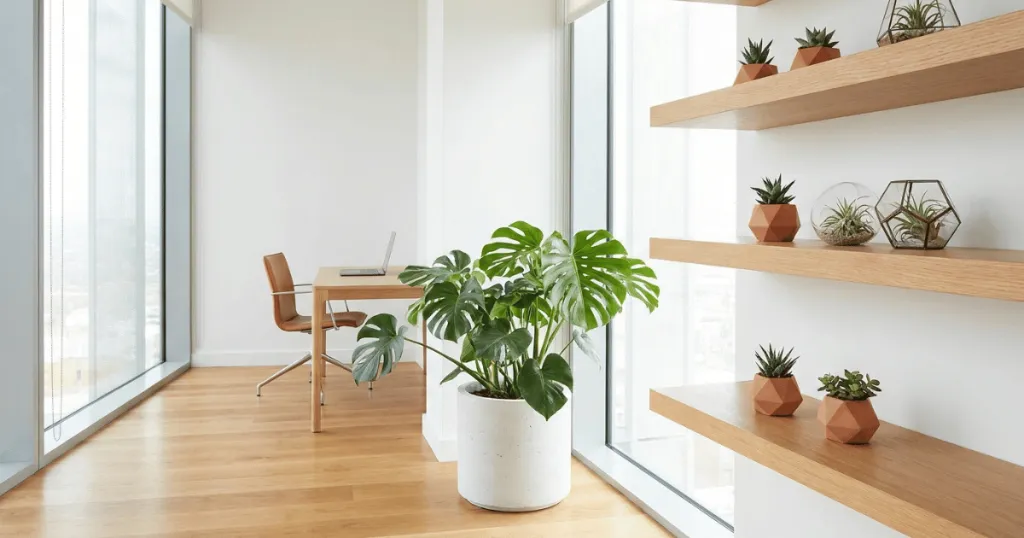
Modern office architecture favors clean lines, open floor plans, and abundant glass. However, these aesthetic choices create complex microclimates for living things. Natural light levels drop rapidly as you move even a few feet away from perimeter windows, leaving interior workstations reliant on artificial illumination. Furthermore, commercial climate control systems strip moisture from the air, creating dry-air conditions that stress delicate foliage.
The selection criteria for a contemporary workplace focus heavily on resilience and form. Plants with upright habits, clean stem structures, and low litter rates fit the modern aesthetic much better than sprawling, high-debris species. When reviewing the priority candidate pool, we look for structural integrity, clear growth patterns, and proven tolerance for indoor variables. Facilities teams must evaluate whether air conditioning vents point directly toward potential plant locations, as cold or hot drafts accelerate moisture loss through leaf transpiration and cause premature leaf drop.
Moreover, modern office layouts often feature polished concrete or carpeted floors where drainage overflow can pose a slipping hazard or stain flooring materials. Choosing appropriate cachepots and saucers is as vital as selecting the plant itself. A well-designed office plant arrangement incorporates protective saucers and utilizes lightweight, sterile potting mixes that retain adequate moisture without compacting tightly around the root system.
Curated Selections for Contemporary Workspaces
Selecting the right species for your layout ensures long-term success without constant intervention. Below is a curated collection of specimens suited for modern office settings, chosen for their distinct architectural forms and reliable indoor performance.
ZZ Plant
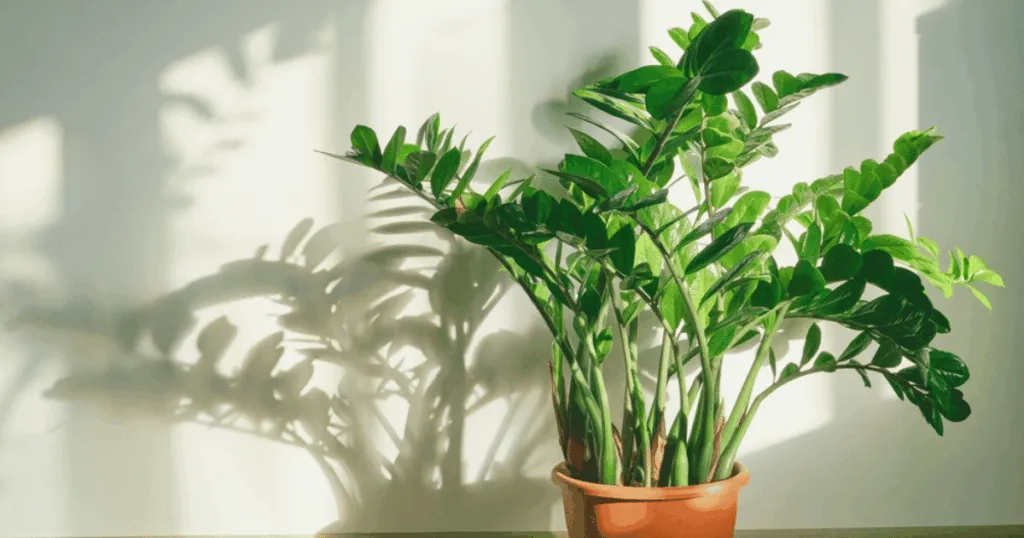
The ZZ plant features glossy, dark green leaves that reflect artificial light effectively, making it a standout choice for interior rooms lacking windows. Its thick rhizomes store water efficiently, allowing it to survive extended intervals between waterings when office buildings close for long weekends or holidays. From a practical standpoint, it tolerates low light well and remains one of the most forgiving options available for reception areas or windowless boardrooms. When caring for a ZZ plant in an office environment, remember that its primary vulnerability is excessive moisture; letting the soil dry out completely between watering sessions prevents the onset of root rot.
Snake Plant
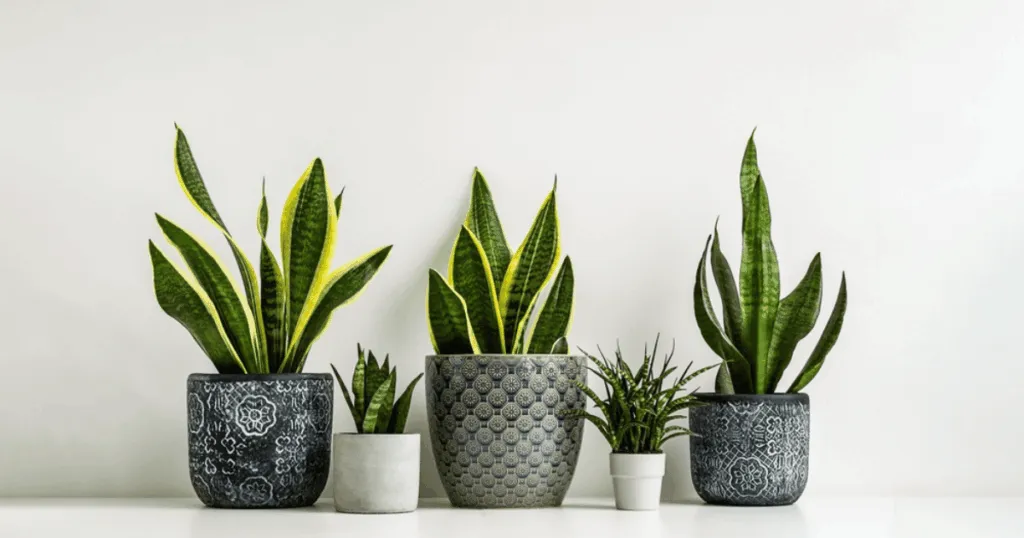
With its stiff, vertical sword-like leaves, the snake plant delivers strong architectural lines that complement minimalist furniture and modern corporate decor. It grows best in medium to bright indirect light but adapts readily to lower light levels near interior core walls. One important thing to keep in mind is that overwatering represents the primary risk to its health, as its root system demands dry soil cycles to thrive. Its upright silhouette takes up minimal floor or desk space, making it an exceptional spatial asset for tight corner arrangements.
Chinese Evergreen
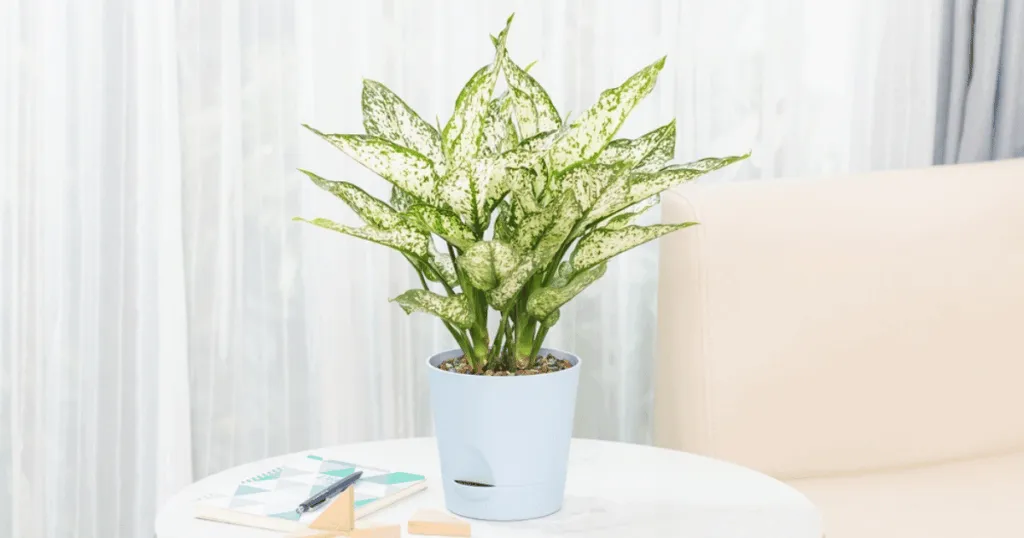
Aglaonema cultivars bring striking patterns of silver, white, and deep green into workspaces while maintaining a compact, bushy growth habit that suits shared desks and credenzas. These plants tolerate typical indoor lighting conditions and handle occasional missed waterings without dramatic leaf drop. A common mistake is placing them directly in cold drafts from overhead air vents, which can cause leaf edge browning. Their vibrant leaf variegation adds visual interest to monochromatic office interiors without requiring intensive maintenance routines.
Parlor Palm
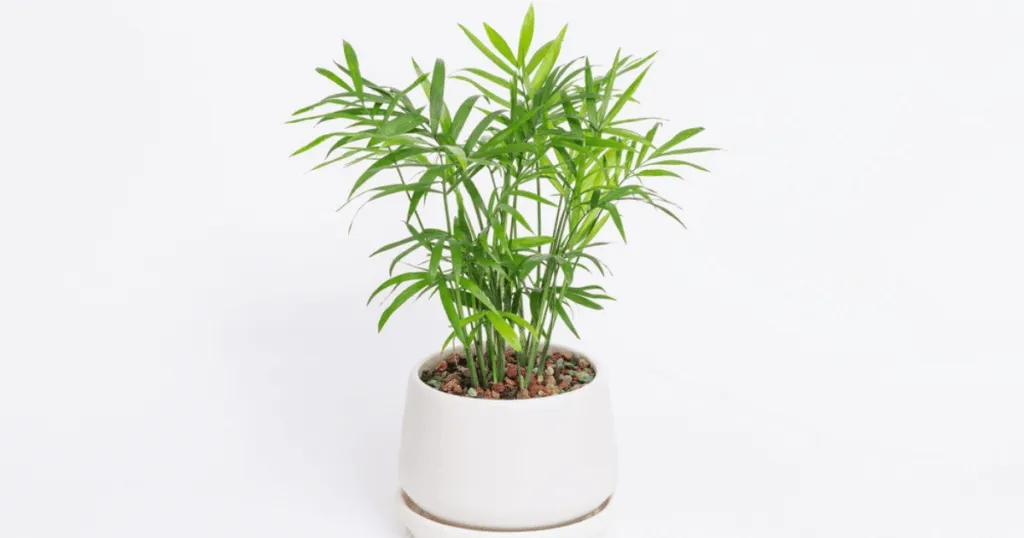
For spaces requiring soft texture and a touch of organic movement, the parlor palm offers classic elegance without demanding high humidity or intense sunlight. It ranks among the most shade-tolerant palms, making it a reliable floor-standing or tabletop accent for offices with limited natural exposure. The safer approach is keeping the soil lightly moist rather than saturated, as soggy potting mixes quickly damage its delicate root structure. Its fine-textured fronds soften the hard, geometric edges of modern modular office furniture.
Cast Iron Plant
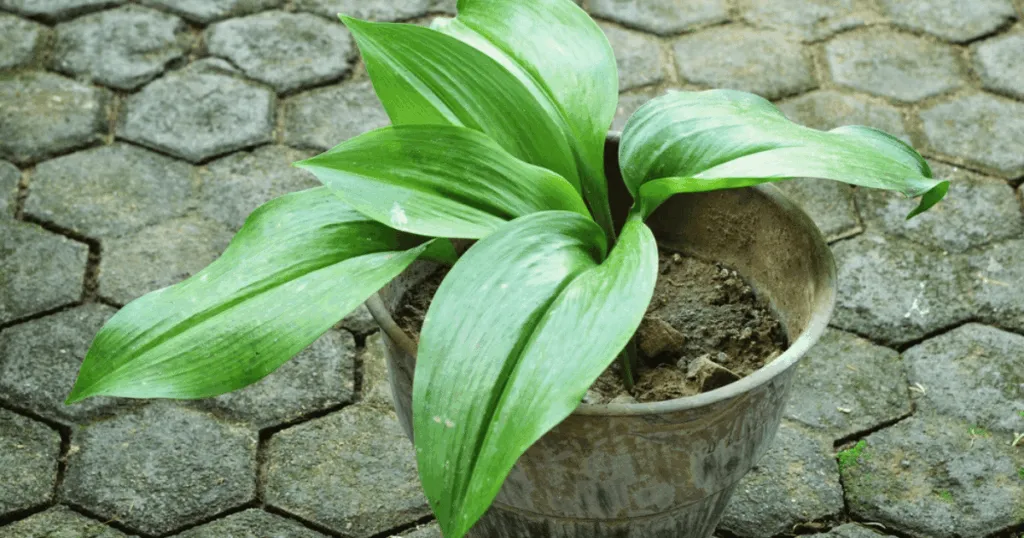
True to its name, the cast iron plant earns its reputation through exceptional toughness and resilience against neglect, low light, and temperature fluctuations. Its dark green, lance-shaped leaves create a lush, substantial presence in darker corners where other species struggle to maintain vitality. In practice, this plant requires very little attention beyond occasional dusting of its broad foliage. It serves as a dependable baseline plant for lower-level floors or interior zones where natural daylight rarely penetrates.
Monstera
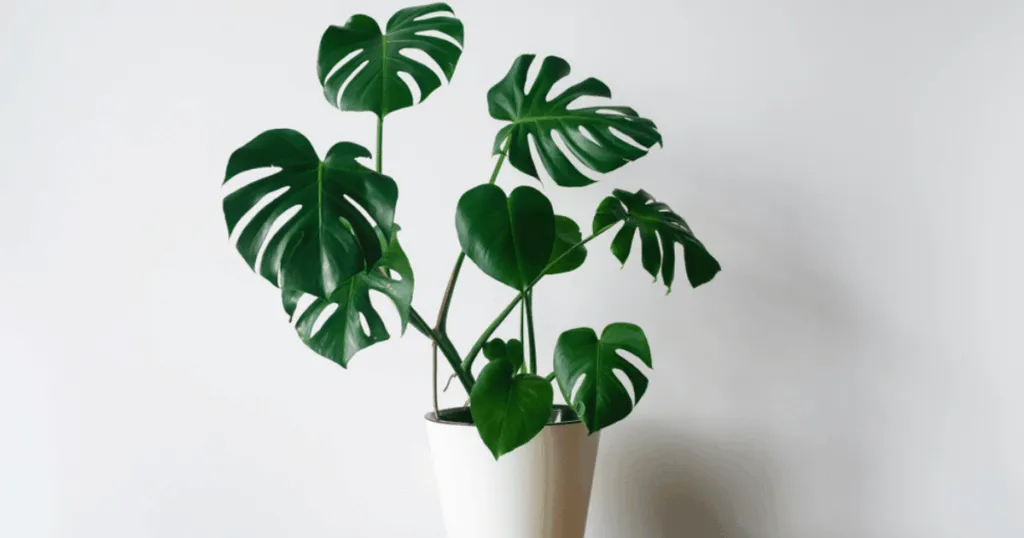
When an open office requires a bold statement piece with tropical flair, the monstera delivers iconic split leaves that anchor large empty corners near executive desks or lounge areas. While it tolerates moderate indoor conditions, its signature leaf fenestrations develop most reliably when given bright indirect light and adequate space to expand. Pruning stray aerial roots keeps its silhouette tidy within high-traffic corporate environments. Facility managers should provide a sturdy moss pole or stake if the plant begins to lean as it matures.
Pothos
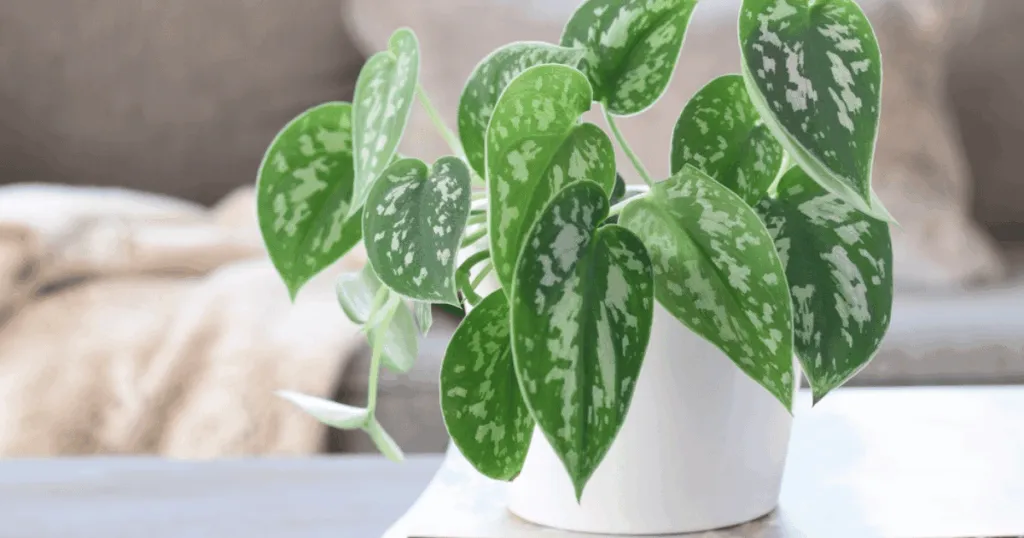
Pothos provides versatile trailing growth that works exceptionally well on high shelving, filing cabinets, or suspended planters where upward-growing plants cannot reach. It adapts seamlessly to fluorescent lighting and recovers quickly if an office manager occasionally forgets the scheduled watering day. A standard pruning routine easily controls its vine length, ensuring it never impedes workspace functionality. Its adaptability to diverse container types makes it a staple for collaborative team areas.
Rubber Plant
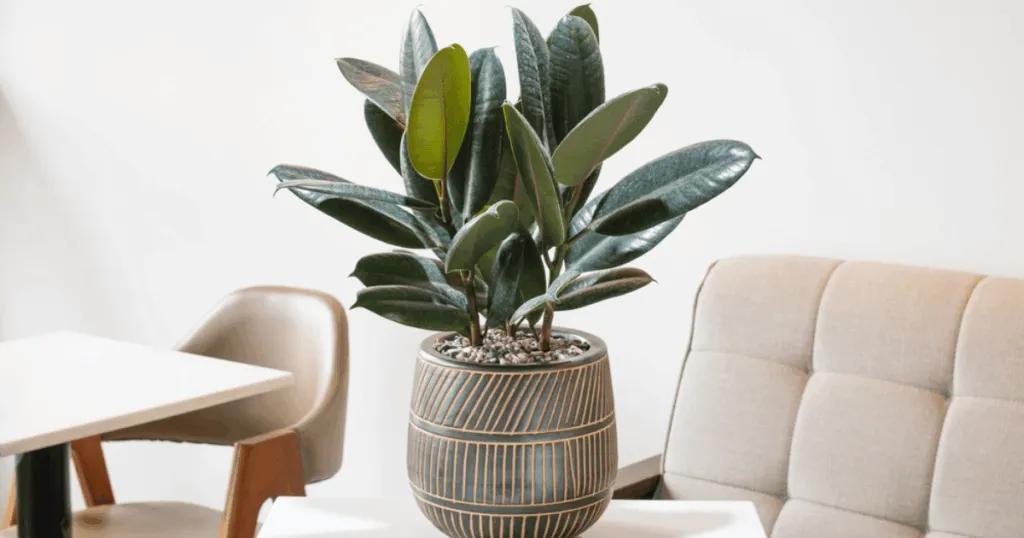
Ficus elastica offers thick, glossy, burgundy-tinted foliage that adds a sophisticated, polished look to modern corporate offices. It prefers bright indirect light to maintain its vibrant leaf coloration and sturdy upright posture. One practical note is that its leaves accumulate dust quickly in commercial buildings, requiring a routine wipe-down with a damp cloth to keep its pores clear for gas exchange. Its bold form acts as an effective visual anchor in executive conference rooms and private offices.
Strategic Placement Across Office Zones
Different areas within a commercial facility demand distinct plant configurations. Placing flora effectively requires matching plant morphology to human traffic flow and functional zones.
Executive Desks and Personal Workstations
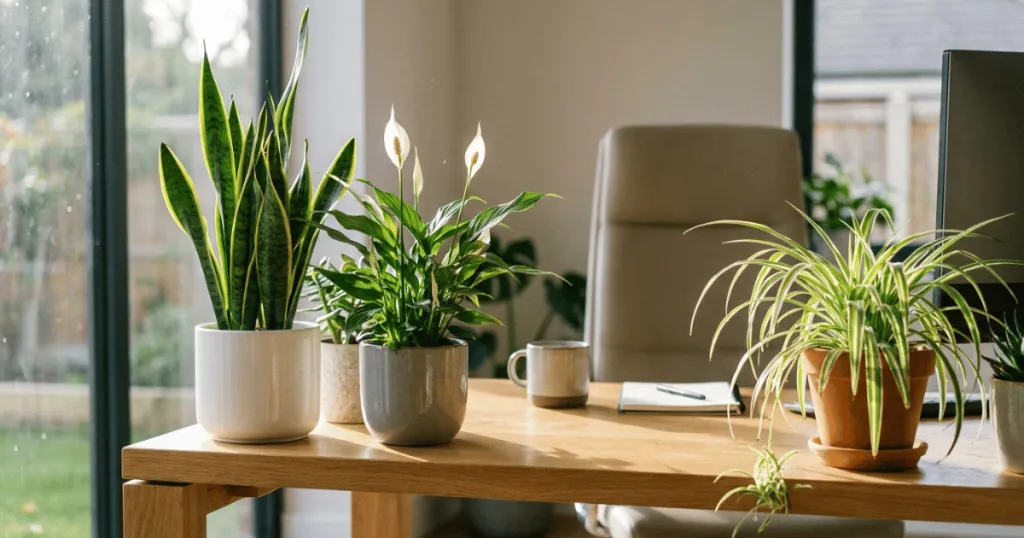
Individual desks benefit from compact, upright plants that do not interfere with monitors, keyboards, or paperwork. Species like the ZZ plant, small Chinese Evergreens, or compact peperomias provide psychological green benefits without consuming valuable workspace. Keeping these selections small prevents clutter in personal productivity zones and ensures employees can maintain their equipment without obstruction.
Reception Areas and Boardrooms
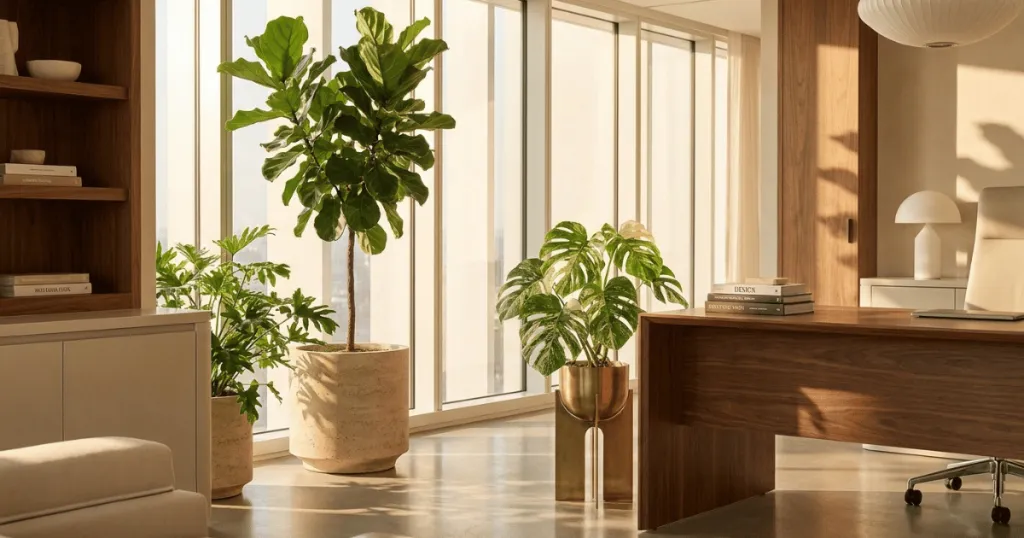
First impressions matter in corporate lobbies and client-facing meeting rooms. Tall, architectural floor plants such as the snake plant, cast iron plant, or rubber plant establish a polished, professional ambiance. These focal specimens should be placed where visitors can admire their form without accidentally brushing against delicate stems or catching clothing on leaf margins. In boardrooms, low-profile table arrangements prevent visual blockages across conference tables during presentations.
Open-Plan Breakout Spaces
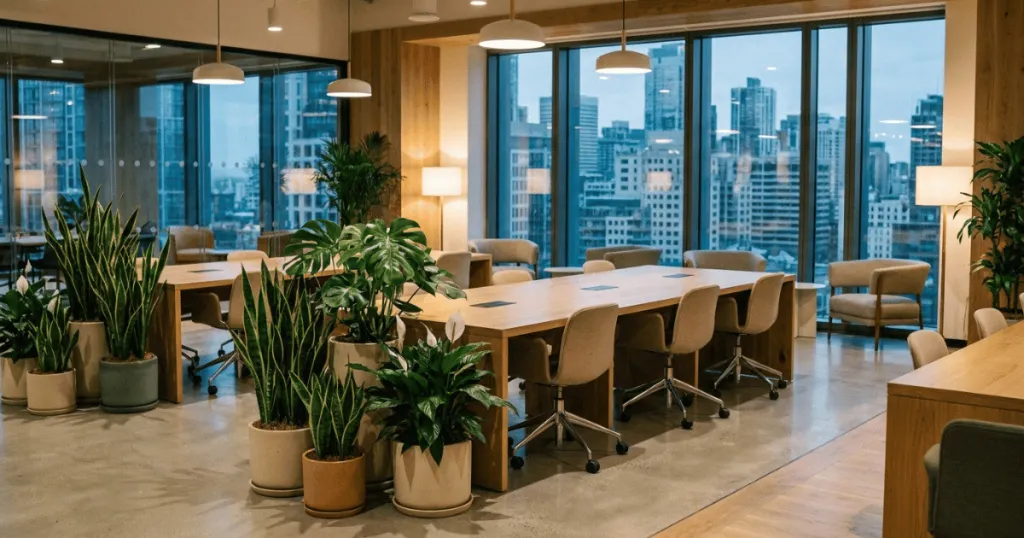
Collaborative zones and casual seating areas within open-plan offices absorb a lot of visual and acoustic activity. Clustering medium-sized trailing and upright plants on shared credenzas or using them as soft spatial dividers helps humanize large, sterile work floors. Choosing resilient species ensures these shared installations survive varying care habits among multi-user teams, minimizing the need for constant oversight by facilities personnel.
Trade-Offs, Limitations, and When to Choose Differently
While integrating greenery improves workplace aesthetics, living plants come with operational trade-offs that facilities teams must evaluate. Not every office environment supports living flora, and forcing plants into unsuitable conditions leads to rapid decline and wasted budgets.
Offices with erratic climate control, frequent after-hours temperature drops, or extreme low-light conditions far from any window may experience high plant mortality. In such scenarios, trying to keep high-light demanding species alive creates an unnecessary maintenance burden. When watering schedules rely entirely on rotating janitorial staff without clear accountability, opting for ultra-tough, drought-tolerant species like snake plants or ZZ plants is far safer than delicate ferns or high-maintenance calatheas.
Furthermore, facilities managers must consider pet-friendly policies if employees or clients bring animals into the workplace. Many classic indoor choices contain calcium oxalate crystals or saponins that cause irritation if chewed, meaning safety audits should guide final species selection alongside design goals. When pet access is unrestricted, substituting toxic varieties with safe alternatives prevents accidental ingestion incidents while maintaining the desired interior aesthetic.
Conclusion
Curating the best modern office plants transforms sterile commercial spaces into vibrant, professional environments that support daily focus and well-being. By prioritizing resilient, architectural species that tolerate artificial lighting and dry indoor air, workplace managers can build sustainable interior landscapes with minimal ongoing stress.
FAQ
How do office plants survive weekends without water?
Many recommended office species feature water-storing tissues in their stems, leaves, or rhizomes, allowing them easily to endure two to three days without irrigation.
Can office plants survive entirely under fluorescent office lighting?
Yes, resilient low-light species adapt well to standard commercial ceiling illumination, though growth rates will remain slower than those kept near bright windows.
What causes brown leaf tips on indoor office plants?
Dry HVAC air combined with irregular watering schedules typically causes leaf tip browning, especially in environments with low relative humidity.
How often should office plants be watered?
Most indoor office plants prefer their top soil inches to dry out completely between watering sessions, preventing root rot from soggy soil conditions.