Affiliate Disclosure: As an Amazon Associate, I earn from qualifying purchases.
Outfitting a bustling workspace means navigating specific challenges that quiet home offices never face. When a workplace hosts heavy daily foot traffic, frequent foot traffic, crowded desks, and bustling common areas, greenery needs to endure more than just fluctuating office lighting and dry HVAC air. It has to survive accidental bumps from passing colleagues, stray coffee splashes, and the occasional missed watering cycle when facilities teams or busy departments get overwhelmed.
Finding the best plants for office with a lot of people requires looking past fragile species that drop leaves under minor stress. The ideal candidates combine structural resilience, high physical tolerance for crowded layouts, and low maintenance demands that fit seamlessly into corporate environments, ensuring that workplace greenery remains vibrant even under continuous human activity.
What You Need to Know
- Prioritize tough species with sturdy stems.
- Choose varieties forgiving of irregular watering.
- Select compact footprints for tight communal desks.
- Avoid trailing plants in heavy walking paths.
- Position specimens securely to prevent accidental tipping.
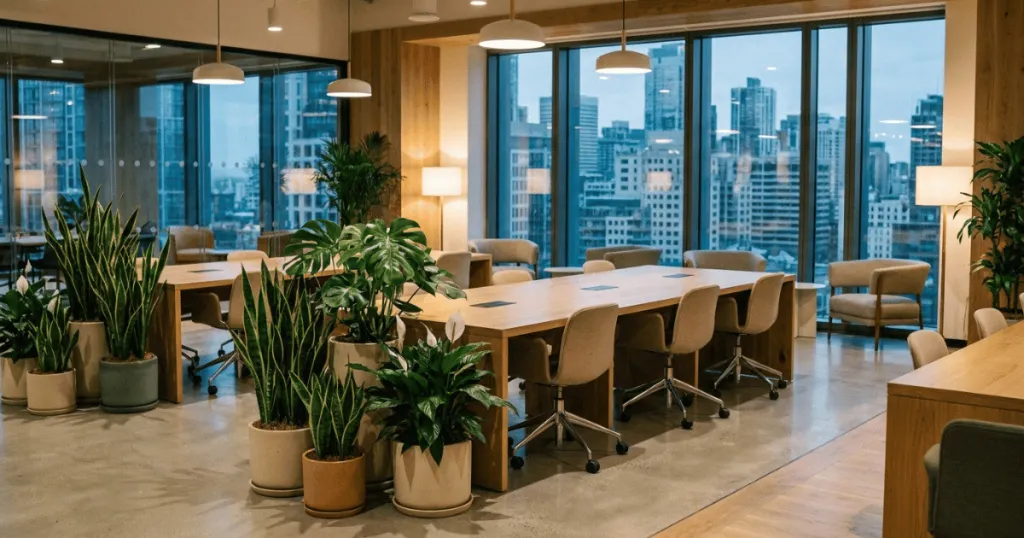
Understanding High Traffic Office Plant Selection Criteria
High-density workplaces test living decor in ways that residential settings rarely do. Corridors, reception spaces, and open-plan bullpens subject indoor plants to continuous physical contact, drifting drafts from automatic doors, and artificial fluorescent lighting that runs for ten to twelve hours a day. Selecting the right greenery means evaluating mechanical durability alongside standard horticultural needs, recognizing that a commercial indoor environment demands physiological traits entirely different from a sunlit conservatory.
A plant pushed into a crowded walkway faces constant friction from daily foot traffic. Soft-stemmed varieties or delicate fronds bruise easily when brushed against by people carrying bags, boxes, or rolling office chairs. Furthermore, ambient air in densely populated rooms often turns dry due to heavy HVAC use, creating a challenging microclimate for moisture-sensitive species. The options featured below are chosen specifically because their structural growth habits, cellular resilience, and recovery capacity match the realities of a busy workplace.
Evaluating mechanical stability also involves examining container weight and ballast. In high-traffic corridors, lightweight plastic pots sitting on narrow bases can easily be knocked over by a stray elbow or a rolling file cart. Facilities planners often pair tough foliage with heavy ceramic or terra cotta planters to lower the center of gravity, preventing spills and reducing soil compaction from accidental impacts. Understanding these mechanical trade-offs ensures that living decor survives the physical realities of a dynamic corporate floor without creating extra work for maintenance staff.
Curated Selections Of Best Plants for Office with A Lot of People
Snake Plant
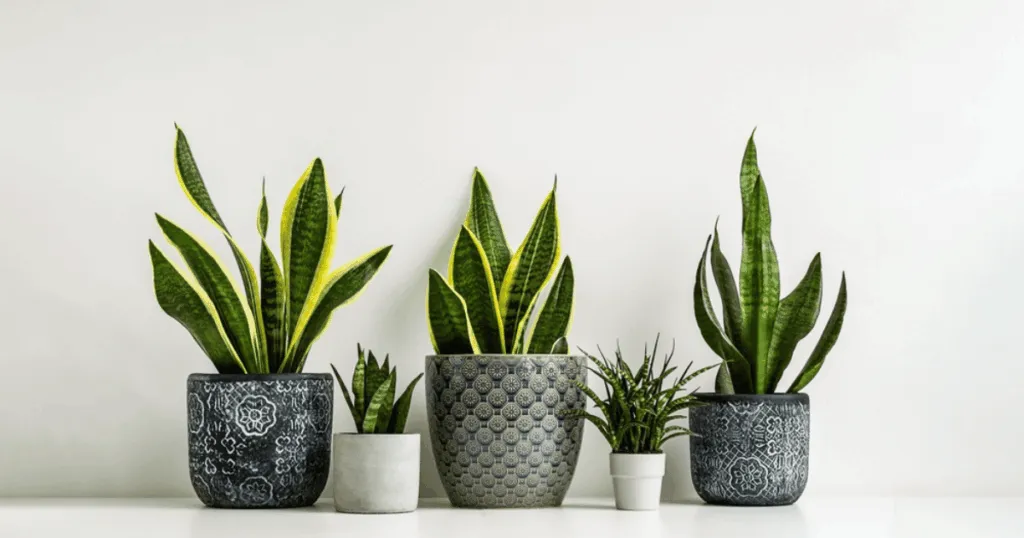
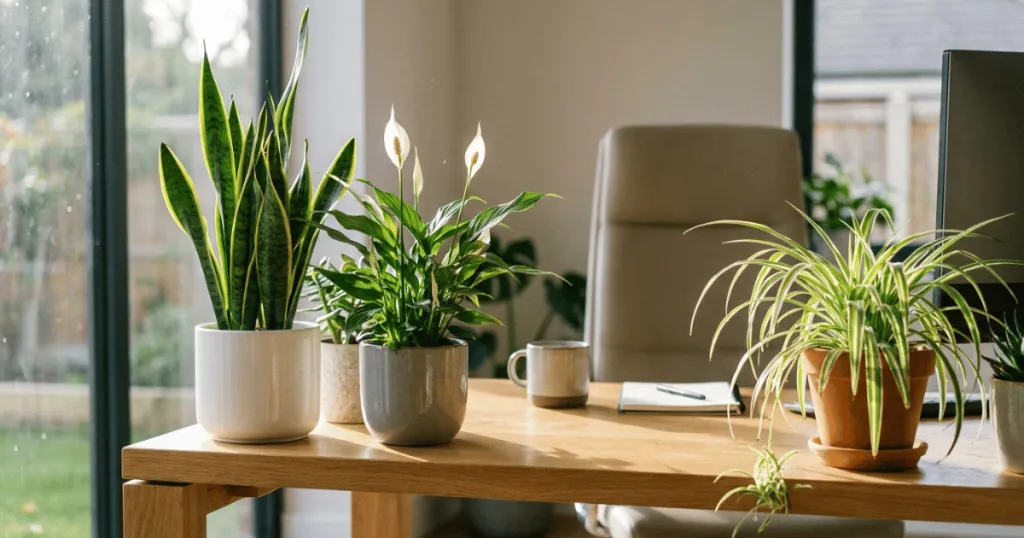
The Snake Plant stands out as an exceptionally reliable anchor for crowded zones thanks to its upright, rigid architectural leaves. Because the foliage grows vertically rather than spreading outward, it fits snugly against pillars or beside busy reception desks without blocking movement.
One major advantage in a dynamic office is its tolerance for missed maintenance cycles. Overwatering represents the primary risk for this species, meaning a rotating team of caretakers can easily manage its sparse watering schedule without causing root rot. In heavy-traffic corridors, its stiff leaves shrug off casual bumps that would snap softer tropical stems. Furthermore, its ability to adapt to varying light intensities makes it a dependable choice for windowless interior cores.
From a spatial utility perspective, the Sansevieria family excels in narrow corridors where side-to-side clearance is minimal. Because its leaves emerge directly from subterranean rhizomes in a tight, vertical cluster, it never develops a sprawling canopy that catches on coats or rolling chairs. When placed near elevator banks or main building entrances, it maintains a clean, architectural silhouette that resists the scuffs and tears common in high-traffic commercial interiors.
ZZ Plant
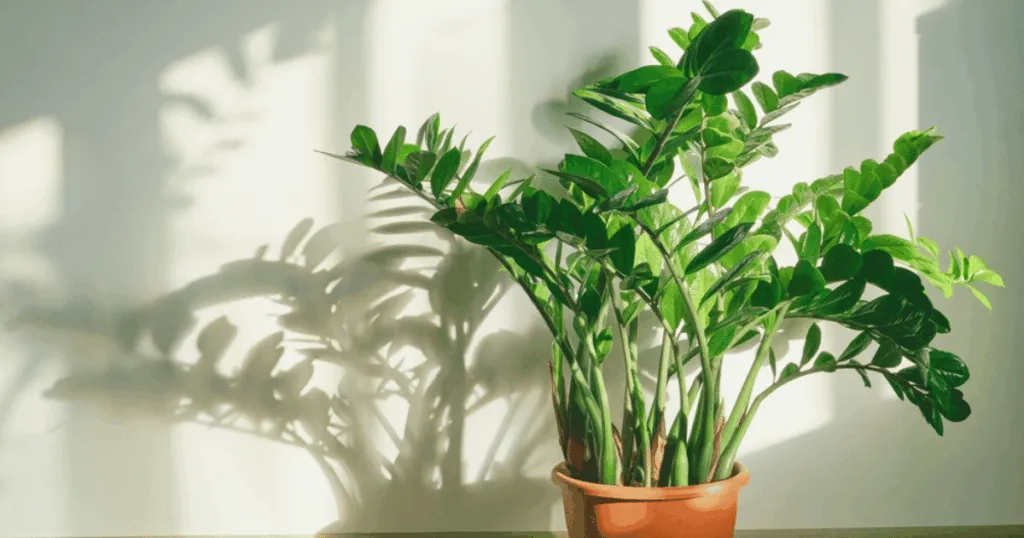
The ZZ Plant thrives on benign neglect, making it a staple for open-plan offices where dozens of employees share desk space. Its thick, waxy leaves store water efficiently inside subterranean rhizomes, allowing the plant to coast through long holiday weekends or hectic quarters without a drop of moisture.
From a spatial standpoint, its glossy dark green foliage adds a polished corporate aesthetic while maintaining a contained footprint. While it tolerates low fluorescent lighting remarkably well, keeping it out of direct walking paths prevents accidental leaf tearing, though its resilient stems recover well from minor jostling. Facilities management teams frequently favor this species because it requires minimal pruning and demonstrates exceptional resistance to common indoor pests.
In offices with fluctuating temperatures caused by constant door openings or uneven HVAC distribution, the ZZ plant maintains its cellular integrity remarkably well. Its thick, succulent-like leaflets do not scorch easily under artificial office grids and hold up against dry indoor drafts far better than thin-leaved tropicals. This physiological toughness translates into fewer dropped leaves, lower janitorial cleanup overhead, and consistent visual appeal throughout the working week.
Cast Iron Plant
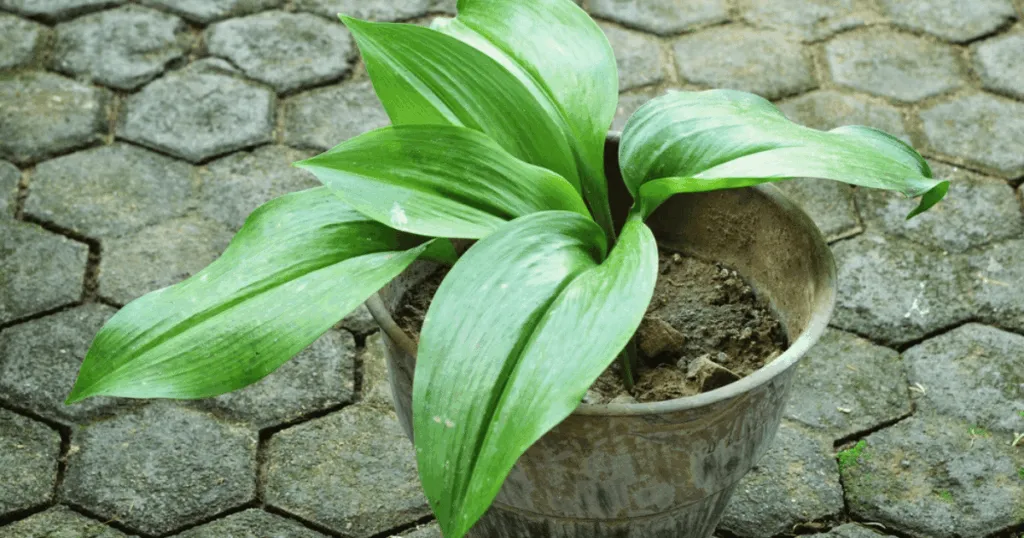
True to its descriptive name, the Cast Iron Plant earns its place in high-traffic commercial settings through sheer physical toughness. It tolerates low light levels exceptionally well, making it a smart choice for interior core zones far away from windows where crowds gather and natural illumination cannot reach.
Unlike ferns that shed delicate fronds when brushed against, this species features sturdy, leathery leaves that withstand brushing shoulders and passing carts. It grows slowly, meaning facilities staff will not need to prune or repot it frequently, reducing ongoing maintenance overhead in busy corporate buildings. Its durable workspace greenery profile makes it virtually indestructible under normal office conditions.
When deployed in shared breakrooms or bustling administrative hubs, the Aspidistra tolerates lower light levels that would cause other foliage to stretch and weaken. Its broad, dark green blades absorb ambient light efficiently while maintaining structural rigidity. Because it has few pests and resists common indoor diseases, it serves as a dependable baseline plant for corporate spaces that need reliable greenery without demanding specialized horticultural knowledge from the staff.
Chinese Evergreen
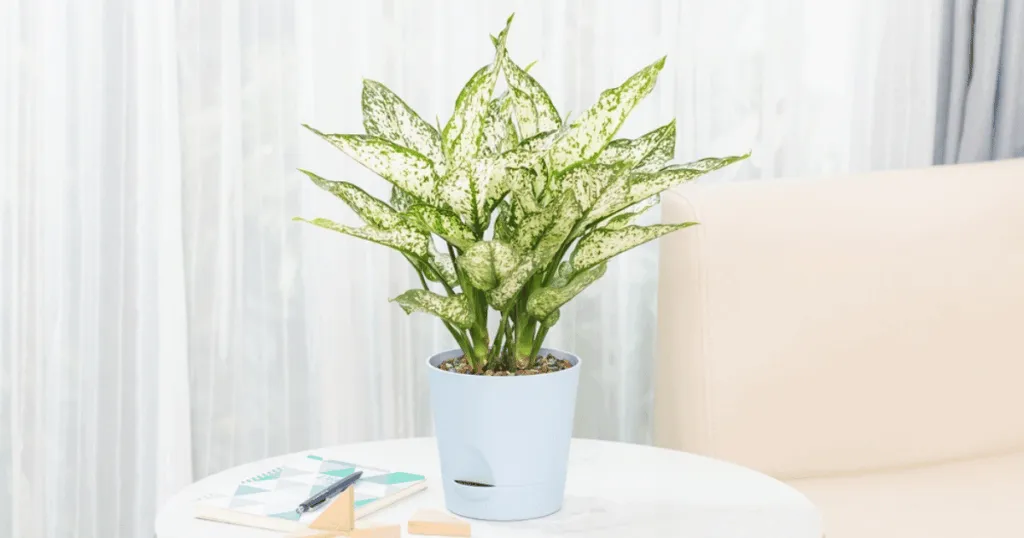
The Chinese Evergreen brings vibrant patterning to shared workspaces while demanding very little in return. Its sturdy, upright stems hold variegated leaves securely, and the species adapts smoothly to standard office lighting conditions.
A practical note for bustling office floors is that this plant handles irregular watering schedules better than most decorative foliage. While it prefers consistent moisture, it forgives a missed week easily. Its dense, bushy growth habit also provides a pleasant natural screen for open-desk partitions without spilling out into narrow walkways. When maintained properly, its robust foliage withstands minor temperature shifts caused by nearby elevators or drafty corridors.
Aglaonema varieties also offer considerable visual diversity without sacrificing toughness. Cultivars featuring silver, white, or subtle pink splashes can brighten up dark interior workstations where morale benefits from a touch of color. Because their growth remains relatively upright and compact, they do not outgrow their desk or tabletop containers quickly, making them ideal for shared bullpens where desk real estate is at a premium.
Dracaena
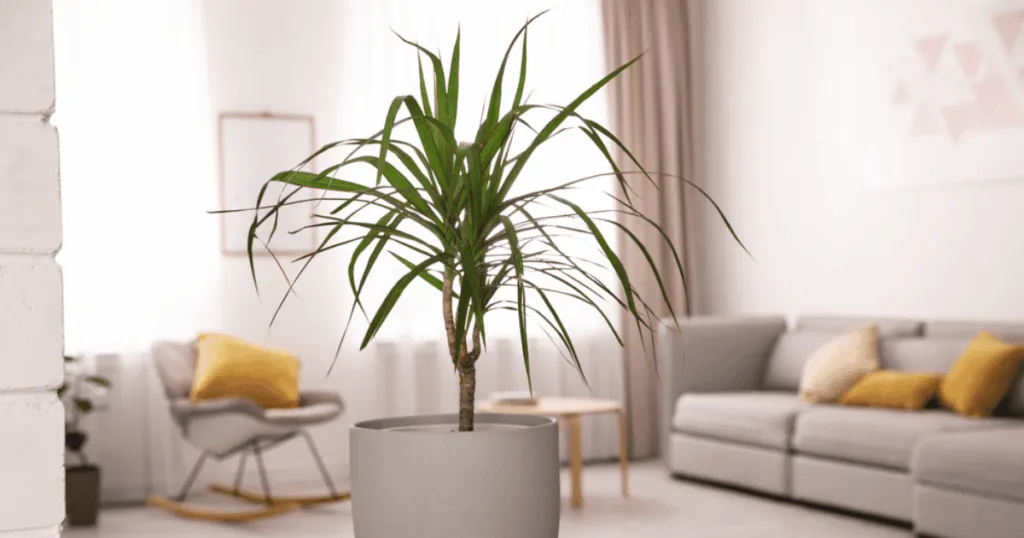
Dracaena varieties, including popular upright selections like the Corn Plant, offer an elevated vertical presence that keeps floor space clear. Their woody cane stems support tufts of long leaves high above desk height, keeping the foliage safely out of reach of rolling chairs and foot traffic.
These plants manage indoor air flow and variable lighting quite well, though they do appreciate stable temperatures away from chilly exterior entry doors. When space is at a premium in a crowded room, using a tall, single-stem Dracaena maximizes green impact without claiming precious square footage. Care teams should note that while they tolerate low light, they perform best when protected from excessive municipal tap water minerals that can occasionally cause brown leaf tips.
The cane structure of mature Dracaenas provides an inherent advantage in high-density environments. Because the lower trunk remains bare or covered only by tight bark, people can walk past or slide chairs close to the pot without crushing delicate lower foliage. This growth habit allows large specimens to occupy corners of crowded conference rooms or open-office perimeters safely and efficiently.
Parlor Palm
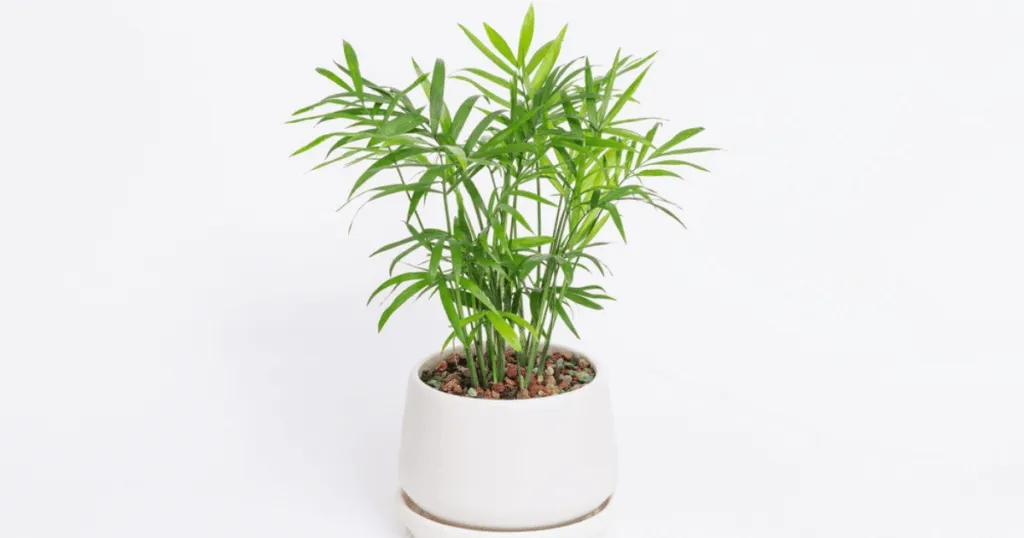
For offices seeking softer textures without sacrificing durability, the Parlor Palm offers a classic, non-toxic option that fits neatly into tight corners. It ranks among the most shade-tolerant palms available, performing reliably under fluorescent office grids.
While palms generally demand higher humidity, this compact species handles typical office environments better than larger relative palms like the Areca. Position it on a raised plant stand or side table in a collaborative breakroom to keep its feathery fronds safe from heavy foot traffic while still softening the room’s overall aesthetic. Its non-toxic nature also provides peace of mind in workplaces that maintain pet-friendly policies for visiting animals.
Chamaedorea elegans grows at a modest, manageable rate, preventing it from overwhelming a shared desk or corner table within a few months of placement. Its fine-textured fronds introduce a gentle, organic contrast to rigid corporate furniture and straight architectural lines. When placed on elevated surfaces away from main thoroughfares, it maintains its delicate look without suffering from the physical wear and tear that plagues floor-level plants in busy hallways.
Rubber Plant
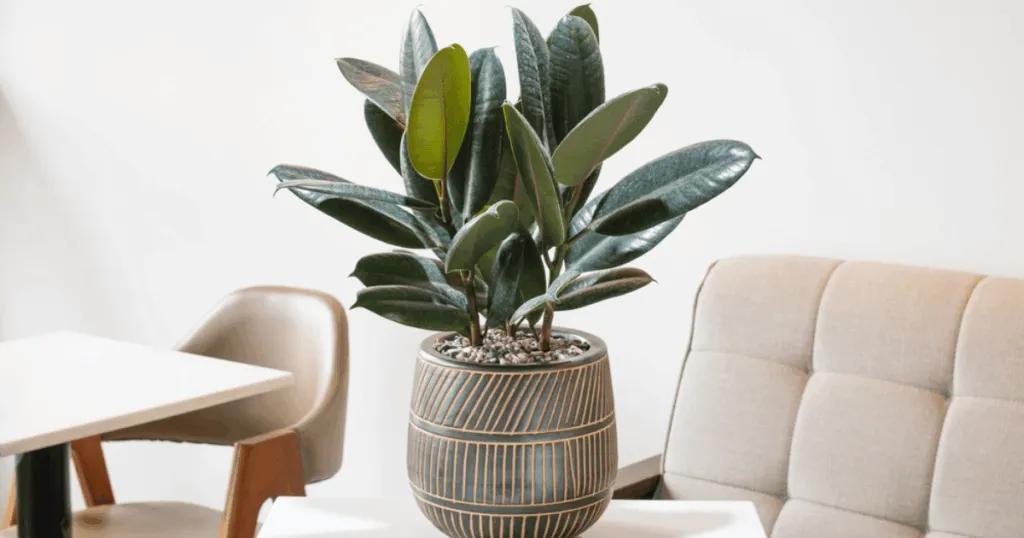
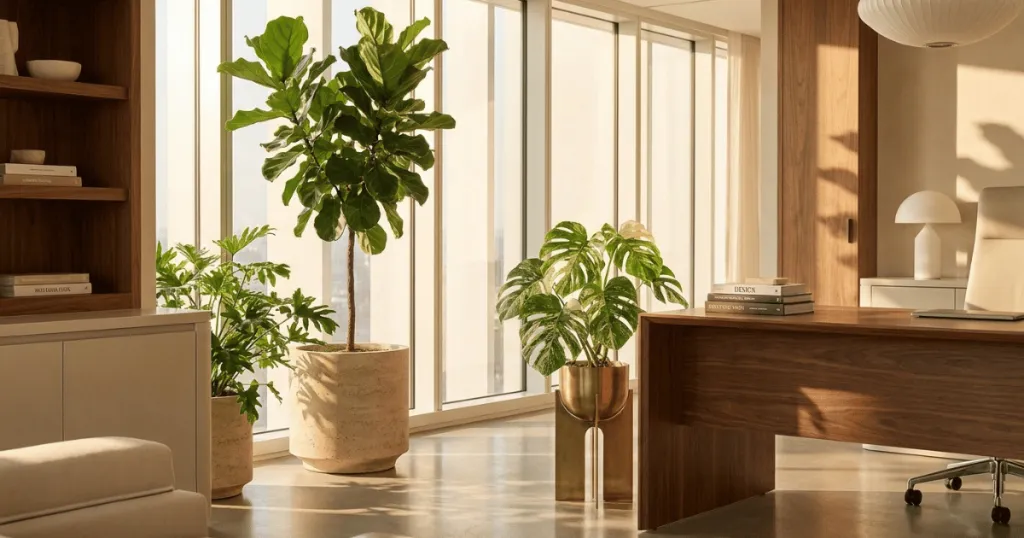
The Rubber Plant delivers a bold statement with thick, glossy leaves that naturally resist dust accumulation and minor physical impacts. Its robust woody stem acts as a sturdy trunk, supporting heavy foliage that stays anchored even in busy environments.
This species requires brighter indirect light than a ZZ Plant to maintain its vigor, making a spot near a large office window or beneath strong LED track lighting ideal. Because its sap can act as an irritant if broken, place it slightly back from narrow corridors where people might absentmindedly pull or snap the leaves. Regular wiping of its broad leaves keeps photosynthetic surfaces clear of indoor dust kicked up by high foot traffic.
Ficus elastica rewards careful positioning with dramatic architectural presence. Its expansive leaf surface area catches light beautifully in spacious lobbies and collaborative zones. Facilities teams should establish a simple routine for dusting the broad foliage, as high-traffic indoor environments accumulate particulate matter quickly, which can dull the natural sheen and reduce light absorption capacity.
Spider Plant
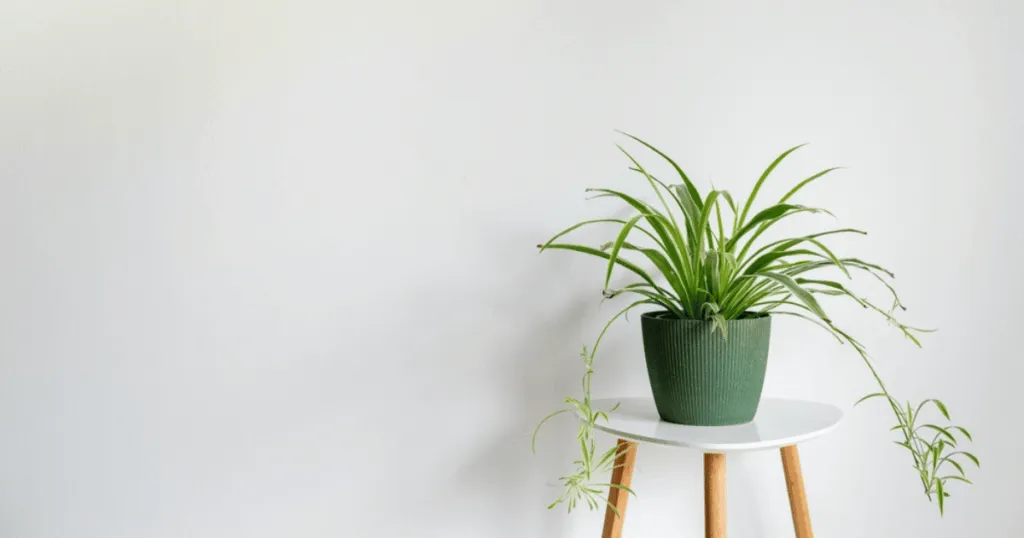
The Spider Plant handles bustling communal zones with surprising resilience, adapting well to varied light levels and sporadic watering routines. Its arching green and white striped leaves create a lively display in open-office breakout areas.
One detail to keep in mind for high-traffic layouts is that mature plants produce long runners with small plantlets that can hang down into walking lanes. Trimming these runners back occasionally keeps the plant neat and prevents them from catching on passing clothing or bags in crowded hallways. Being non-toxic to pets, it represents a versatile choice for dynamic offices where safety and aesthetic variety are equally prioritized.
Chlorophytum comosum also boasts an impressive capacity for rapid recovery if subjected to accidental breakage or severe underwatering. Its robust root system stores moisture efficiently in fleshy tubers, helping it bounce back after neglected watering cycles during major company deadlines or holiday closures. This resilience makes it a forgiving choice for decentralized office care routines where different departments share watering responsibilities.
Strategic Placement and Traffic Management
Arranging greenery in a high-density workplace involves more than simply finding an empty corner. When dozens of people navigate a shared floor daily, plant placement dictates both plant survival and workplace safety. Crowded pathways demand vertical zoning. Utilizing sturdy plant stands or hanging displays in approved zones keeps floor space clear for foot traffic and cleaning carts.
Desks shared by multiple staff members benefit from compact, heavy-based pots that resist tipping when papers are shuffled or coffee cups are set down hastily. Grouping plants together in communal breakrooms or central atriums also simplifies the watering route for whoever handles office plant maintenance, ensuring consistent care without disrupting individual workspaces. Evaluating the local indoor microclimate around vents and doorways ensures that hardy specimens do not suffer from sudden cold drafts that induce shock.
Furthermore, facilities managers must evaluate floor load distribution and pedestrian sightlines when placing larger specimens near main corridors. Large planters should never obstruct emergency egress routes, fire pull stations, or security cameras. By integrating plant layout plans with workplace safety guidelines, organizations can maintain lush indoor spaces that enhance the environment without introducing physical hazards for employees or visitors.
Trade-offs and When to Choose Differently
While tough, resilient species handle bustling environments well, they do involve trade-offs. Foliage with extreme durability, such as the Cast Iron Plant or ZZ Plant, tends to grow at a slower pace. Offices looking for rapid vertical growth or lush jungle aesthetics will need to invest in more sensitive tropicals that demand higher maintenance and careful traffic buffering.
Furthermore, heavy-traffic zones often experience frequent temperature fluctuations from opening doors and loading docks. If an office space suffers from severe drafts, even hardy species can experience leaf drop. In such cases, positioning plants away from exterior thresholds is essential. Facilities managers should also weigh whether staff allergies or pet-friendly office policies require steering clear of certain toxic sap producers in favor of non-toxic alternatives like the Parlor Palm or Spider Plant. Balancing aesthetic desires with the hard realities of daily human activity ensures long-term botanical success in demanding commercial interiors.
Another critical trade-off centers on lighting availability in interior core spaces versus perimeter zones. While tough species tolerate fluorescent office grids, they will not thrive indefinitely in absolute windowless darkness without supplemental LED grow lighting. When architectural limitations prevent adequate illumination, artificial task lighting or rotating plants between core zones and sunlit perimeter spaces becomes necessary to maintain long-term plant health.
FAQ
How often should office plants be watered in a busy workplace?
Watering schedules depend on ambient humidity and pot size, but most hardy office plants thrive when soil dries out completely between watering sessions, typically every one to three weeks.
Do office plants survive under fluorescent lighting alone?
Many tough species like Snake Plants, ZZ Plants, and Cast Iron Plants adapt successfully to windowless interior offices relying entirely on standard fluorescent or LED commercial lighting.
What causes brown leaf tips on plants in crowded offices?
Dry HVAC air, irregular watering, or physical friction from people brushing against the leaves frequently cause brown tips in indoor office environments.
How can you protect office plants from being knocked over in hallways?
Use heavy ceramic or terra cotta pots with wide bases, elevate specimens onto secure plant stands, or position them against structural columns away from primary walking paths.