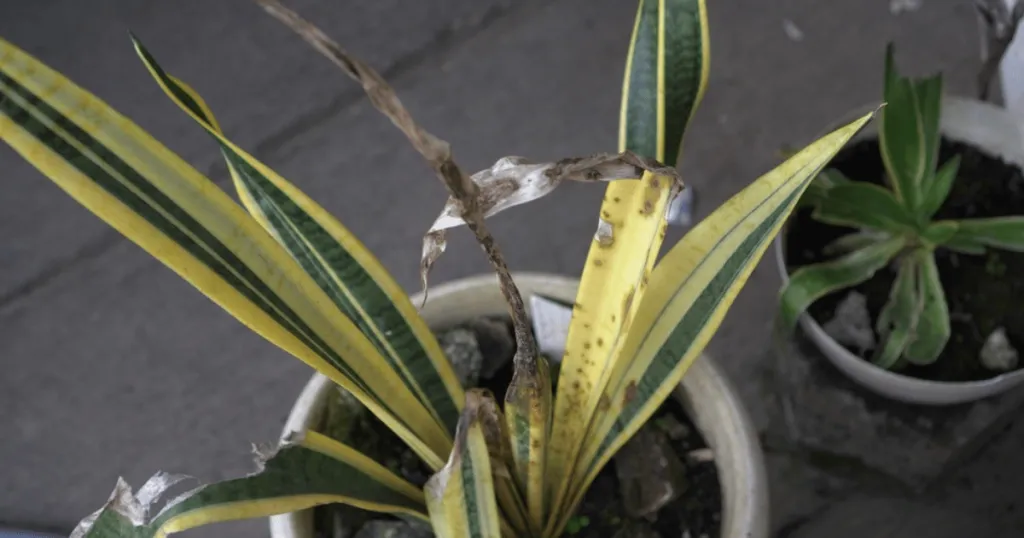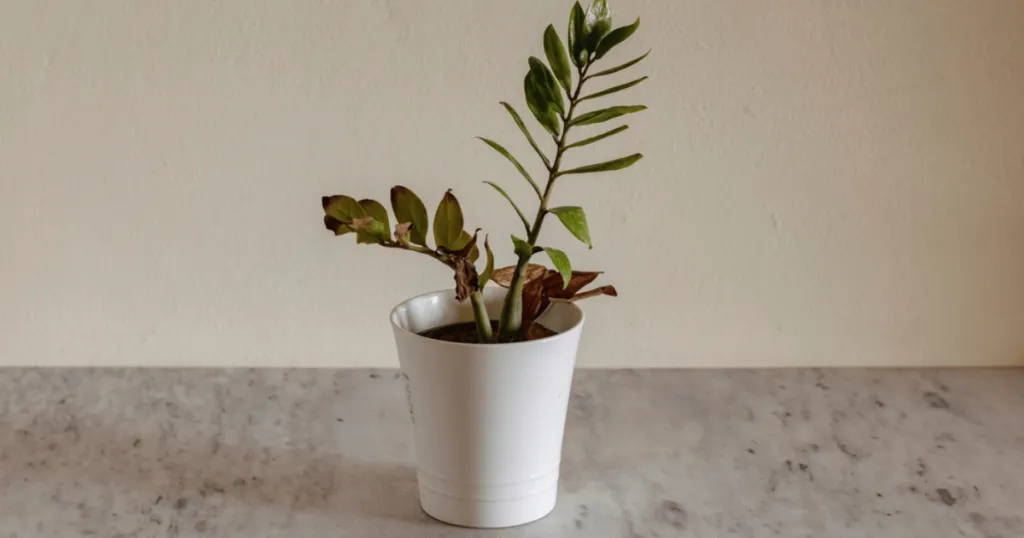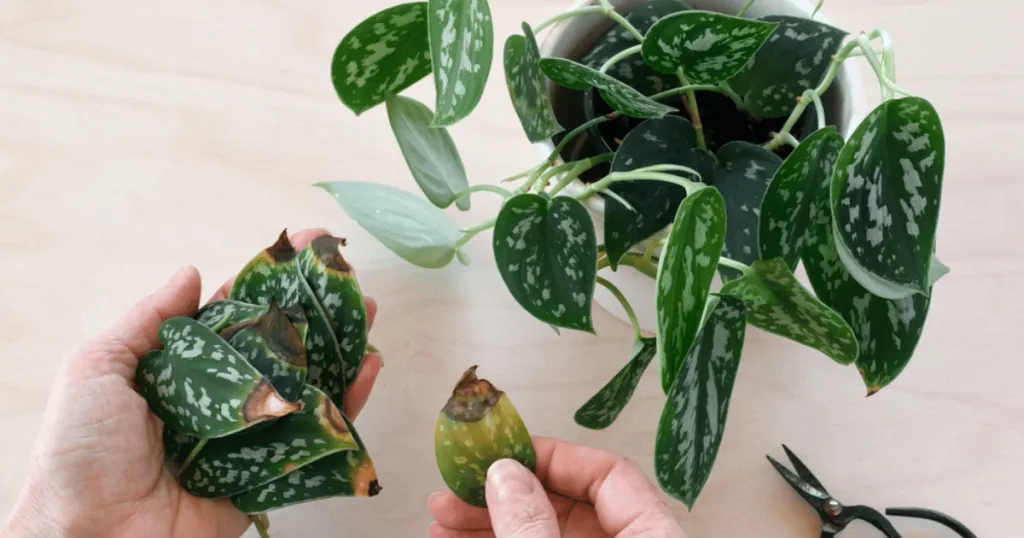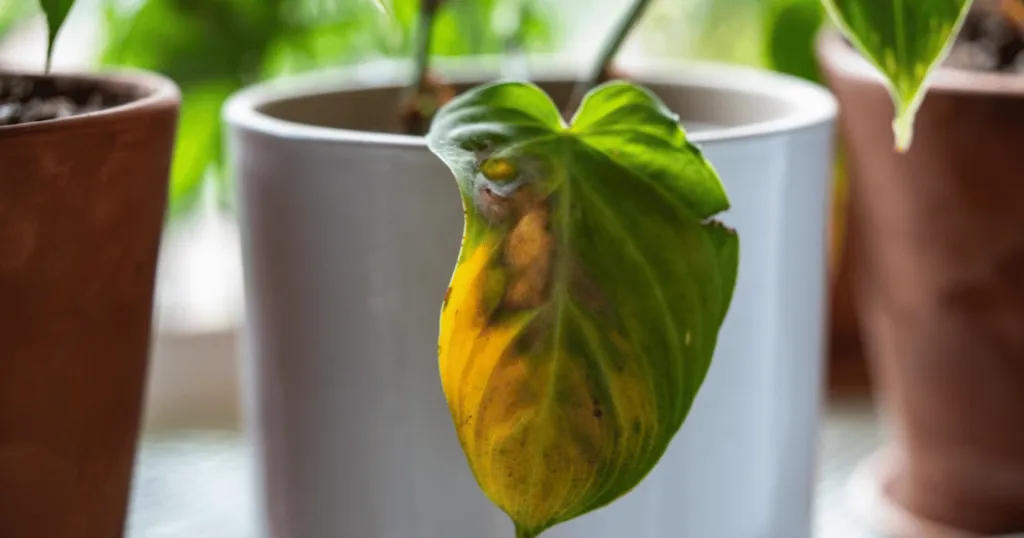
If your Schefflera is struggling, check the soil moisture immediately. Most issues stem from overwatering or poor drainage in office containers. If the top inch of soil is soggy, stop watering, improve airflow, and ensure the pot has drainage holes to prevent root rot and leaf drop.
Seeing your office Schefflera, or Umbrella Tree, lose its luster can be concerning, especially when it serves as a focal point in a reception area or near your desk. Before assuming the worst, remember that these plants are remarkably resilient. Most schefflera problems arise from minor shifts in the office environment, such as a change in light levels, inconsistent watering schedules, or the dry air produced by HVAC systems. The vast majority of these issues are reversible with small, consistent adjustments to your care routine.
When you notice signs of stress, your first step should always be to assess the root zone. Avoid the temptation to immediately fertilize or repot the plant, as these actions can add unnecessary stress to a specimen that is already struggling. Instead, observe the plant for a few days to see if the symptoms progress or stabilize. By focusing on the basics of light, water, and drainage, you can usually restore your plant to health without complex interventions.
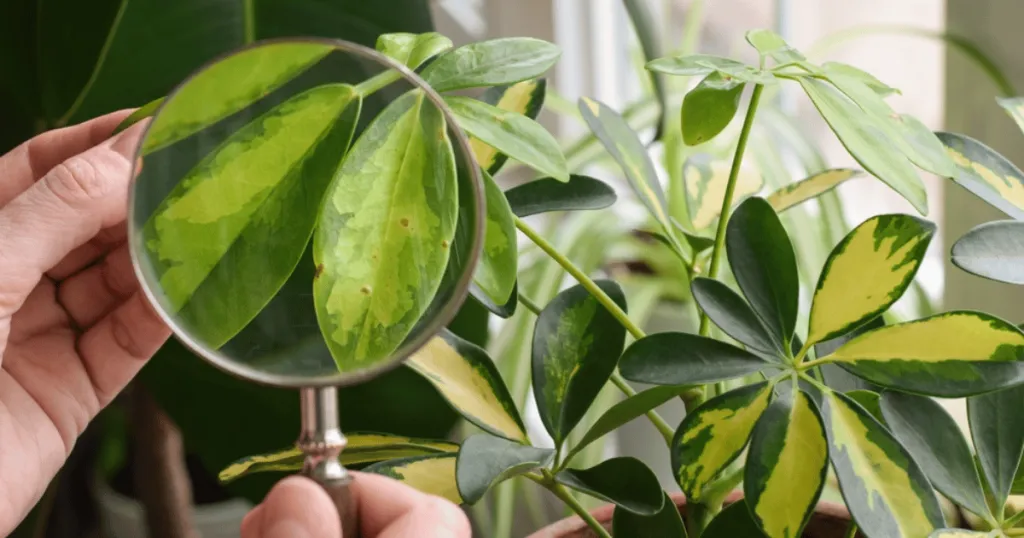
Immediate Checks for Plant Stress
Before you dive into a diagnosis, perform a quick physical assessment of your plant. Start by checking the soil moisture level by inserting your finger into the potting medium. If the soil feels damp or muddy at a depth of two inches, you are likely overwatering. Conversely, if the soil is pulling away from the sides of the pot and feels like dry, compacted dust, the plant is dehydrated.
Next, examine the underside of the leaves and the stems for pests. Common office pests like spider mites or scale insects often hide in plain sight. Spider mites leave fine, web-like structures, while scale appears as small, hard brown bumps on the stems or leaf veins. If you spot these, isolate the plant from other office greenery immediately to prevent the infestation from spreading.
Finally, consider the light source. If the plant has been moved away from a window or if a nearby light fixture has burnt out, the lack of sufficient light will cause the plant to stretch or drop leaves. Ensure your Schefflera is in a spot where it receives bright, indirect light for most of the workday. If the plant is in a dark corner, consider moving it closer to a window or supplementing with a full-spectrum LED desk lamp.
Symptom-to-Cause Diagnosis
| Symptom | Likely Cause | Action Required |
|---|---|---|
| Yellowing lower leaves | Overwatering | Check soil moisture and reduce frequency |
| Leaf drop | Environmental shock or low light | Stabilize temperature and increase light |
| Brown, crispy leaf edges | Low humidity or underwatering | Increase watering or move away from vents |
| Stunted growth | Root-bound or lack of nutrients | Assess root space or apply mild fertilizer |
| Sticky residue on leaves | Pest infestation (aphids or scale) | Wipe leaves and treat with insecticidal soap |
Addressing the Most Common Issues
The most frequent challenge with office Scheffleras is leaf drop, which often leaves managers wondering if the plant is dying. In reality, this is the plant’s way of signaling that its environment has changed too rapidly. This often happens when a plant is moved from a greenhouse or a nursery to a climate-controlled office. The plant is simply adjusting to the new light and humidity levels. If the leaf drop is slow and limited to older, lower leaves, it is likely a normal part of the plant’s growth cycle.
However, if the leaf drop is sudden and affects many leaves at once, look for environmental triggers. Have you recently changed the office thermostat? Is the plant sitting directly under an HVAC vent? Cold drafts or hot, dry air blowing directly on the foliage will cause rapid leaf loss. The fix is simple: relocate the plant to a more stable area away from direct airflow. If you cannot move the plant, consider installing a small deflector on the vent to redirect the air away from the foliage.
Overwatering is the second most common culprit. Because office plants are often left unattended over weekends, it is tempting to soak them before leaving on Friday. This often leads to waterlogged soil, which prevents the roots from accessing oxygen. When roots cannot breathe, they begin to rot, and the plant responds by yellowing its leaves.
Always verify that the top inch of soil is dry before adding more water. If you discover you have overwatered, remove any standing water from the decorative outer pot or saucer immediately. If the soil remains soggy for several days, you may need to gently remove the plant from its pot to inspect the roots for mushy, dark, or foul-smelling sections. If you find rot, trim those roots away with sterile shears and repot the plant in fresh, well-draining soil.
Advanced Care and Root Health
When a Schefflera stops growing entirely, it may be suffering from being root-bound. While these plants do not mind being slightly snug in their containers, they eventually exhaust the available nutrients in the soil. If you notice roots circling the bottom of the pot or growing out of the drainage holes, it is time for a larger container. Use a pot that is only one or two inches larger in diameter than the current one. Using a pot that is too large can lead to excess soil that holds too much water, which brings us back to the risk of root rot.
Pest management is another area where early intervention is key. If you identify scale or spider mites, wipe the leaves down with a damp cloth to remove the majority of the pests. For persistent infestations, use a mild insecticidal soap specifically formulated for indoor plants.
Always follow the manufacturer instructions carefully, and avoid applying treatments in direct sunlight, which can burn the foliage. Because Scheffleras are toxic to cats and dogs if ingested, as noted by the ASPCA, ensure that any cleaning or treatment products are used safely and that the plant remains out of reach of office pets if your workplace is pet-friendly.
Optimizing Light and Photosynthesis
Schefflera plants rely on efficient photosynthesis to maintain their lush, umbrella-like foliage. In an office setting, light quality is often the limiting factor. While the plant is adaptable, it is not a low-light plant. If you notice the stems becoming long and “leggy” with large gaps between the leaves, the plant is searching for more light. This process, known as etiolation, is a common response to insufficient illumination. To correct this, move the plant to a brighter location.
If your office layout does not allow for more natural light, consider the proximity of the plant to overhead LED panels. While these are not as effective as sunlight, they can sustain the plant if it is positioned within a few feet of the source. Rotating the pot a quarter turn every week ensures that all sides of the plant receive equal light exposure, preventing it from leaning heavily toward one side.
Managing Environmental Fluctuations
Office environments are rarely static. Between the constant hum of HVAC systems and the weekend temperature drops in many commercial buildings, Scheffleras face significant environmental stress. These plants prefer a stable temperature range between 65 and 75 degrees Fahrenheit. When temperatures dip below 60 degrees, the plant’s metabolic processes slow down significantly, which can lead to leaf yellowing or stunted growth. If your office is prone to cold drafts near windows or exterior doors, consider moving the plant to a more interior location during the winter months.
Conversely, during the summer, ensure the plant is not in a “hot spot” where sunlight intensifies through glass, which can cause leaf scorch. If you see brown, crispy patches on the leaves that are not related to underwatering, it is likely a sign of heat stress or direct sun exposure. Relocating the plant just a few feet away from the window can often resolve this issue without sacrificing the light levels the plant requires.
The Role of Soil Aeration and Drainage
The potting medium is the foundation of your plant’s health. In many office settings, plants are kept in decorative pots that lack drainage holes. This is a primary cause of schefflera problems. Without a way for excess water to escape, the soil at the bottom of the pot remains saturated, creating an anaerobic environment where root rot thrives. If you must use a decorative pot, use the “pot-in-pot” method. Keep the Schefflera in its original plastic nursery pot, which has drainage holes, and place that inside the decorative container.
When you water, remove the inner pot, allow it to drain completely in a sink or breakroom area, and then return it to the decorative vessel. This simple practice prevents the roots from sitting in standing water and ensures that the soil remains aerated, allowing the plant to breathe and absorb nutrients effectively.
Prevention Habits for Long-Term Success
The best way to manage schefflera problems is to prevent them through consistent, low-stress care. Start by establishing a routine. Instead of watering on a calendar day, water based on the plant’s needs. Make it a habit to check the soil moisture every Monday morning. This ensures that you are not watering out of habit but out of necessity. If the office is particularly dry due to heating, you might find that the plant needs water more frequently, but always verify the soil moisture first.
Maintain a clean environment for your plant. Dust can accumulate on the broad leaves of a Schefflera, which blocks light and can harbor pests. Every few weeks, gently wipe the leaves with a soft, damp cloth. This simple act keeps the plant photosynthesizing efficiently and allows you to inspect the foliage for early signs of trouble, such as yellowing or small pests. If you notice the leaves looking dull, a quick wipe-down can restore their natural luster and improve the overall aesthetic of your office space.
Finally, be mindful of the office climate. While Scheffleras are adaptable, they thrive best in consistent temperatures. Avoid placing your plant near exterior doors that open frequently to the outside, as the sudden temperature fluctuations can shock the plant. By keeping the environment stable and monitoring the soil moisture, you will find that your Schefflera remains a healthy, vibrant part of your office space for years to come.
Related Schefflera Guides
FAQ
Why are the leaves on my Schefflera turning yellow and falling off?
Yellowing leaves are most often a sign of overwatering. When the soil stays consistently wet, the roots cannot absorb oxygen, leading to rot. Check the soil moisture; if it is soggy, allow it to dry out significantly before watering again, and ensure your pot has adequate drainage.
Is my Schefflera safe to keep in an office with pets?
According to the ASPCA, the Schefflera is toxic to cats and dogs if ingested, as it contains calcium oxalate crystals. These crystals can cause irritation to the mouth, tongue, and throat. If your office is pet-friendly, keep the plant in an area where animals cannot reach or chew the leaves.
How much light does my Schefflera actually need?
Scheffleras prefer bright, indirect light. While they can tolerate typical office fluorescent or LED lighting, they will grow faster and stay fuller if placed near a window with filtered light. If the plant is stretching or losing leaves, it is likely not receiving enough light and should be moved closer to a source.
Should I mist my Schefflera to help with humidity?
While misting is a common suggestion, it generally does not provide long-term humidity benefits for office plants. Scheffleras are quite tolerant of average office humidity levels. If the leaf tips are browning, it is more likely due to underwatering or being placed too close to a heating vent rather than a lack of ambient humidity.