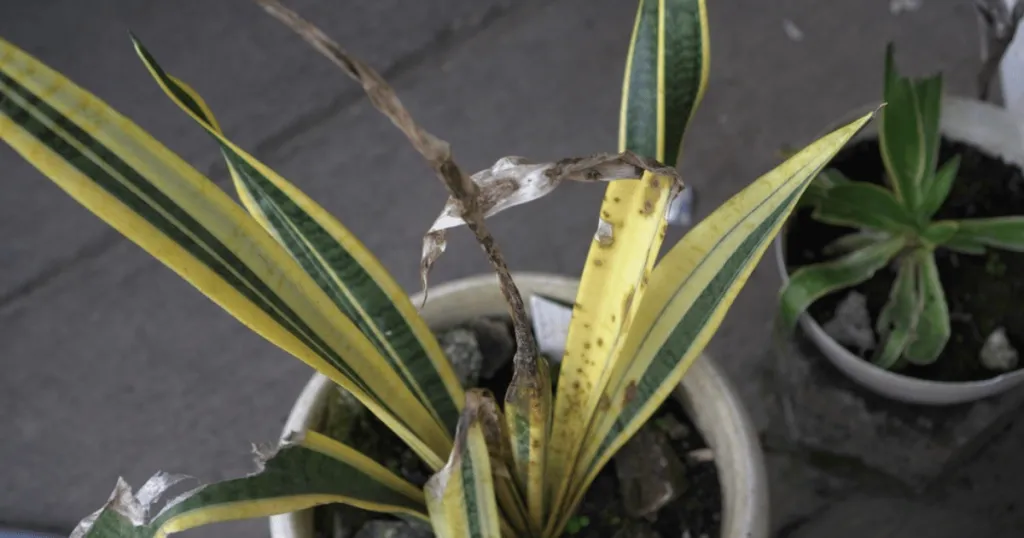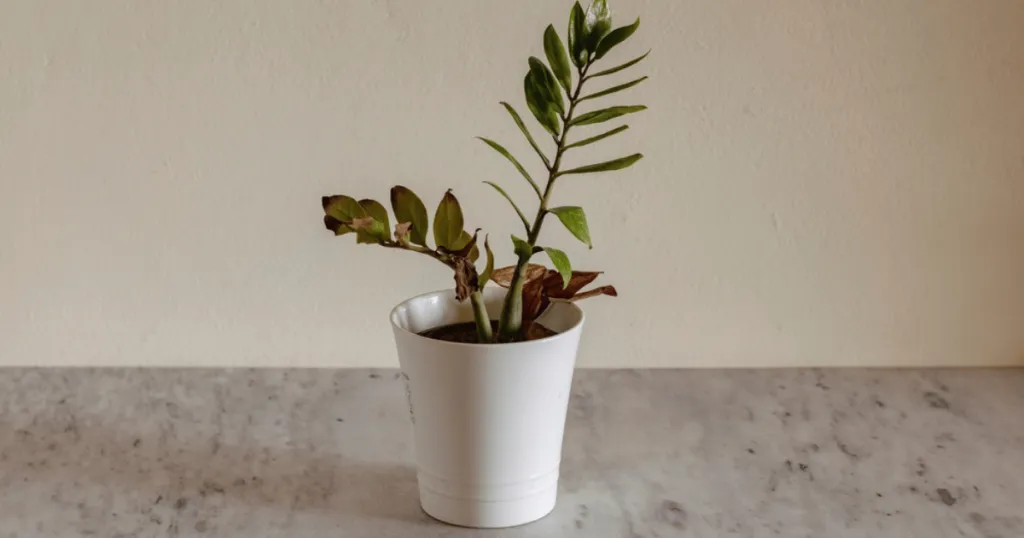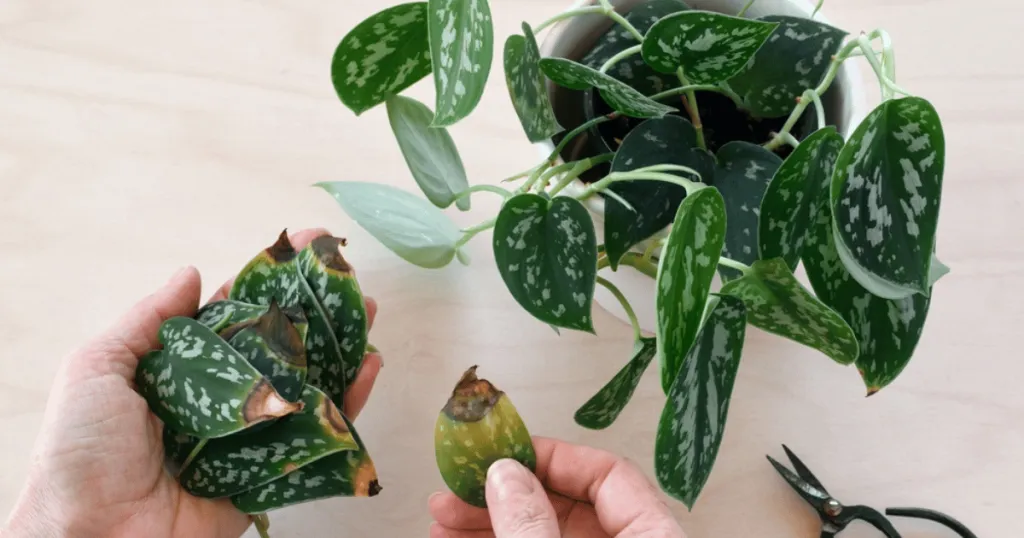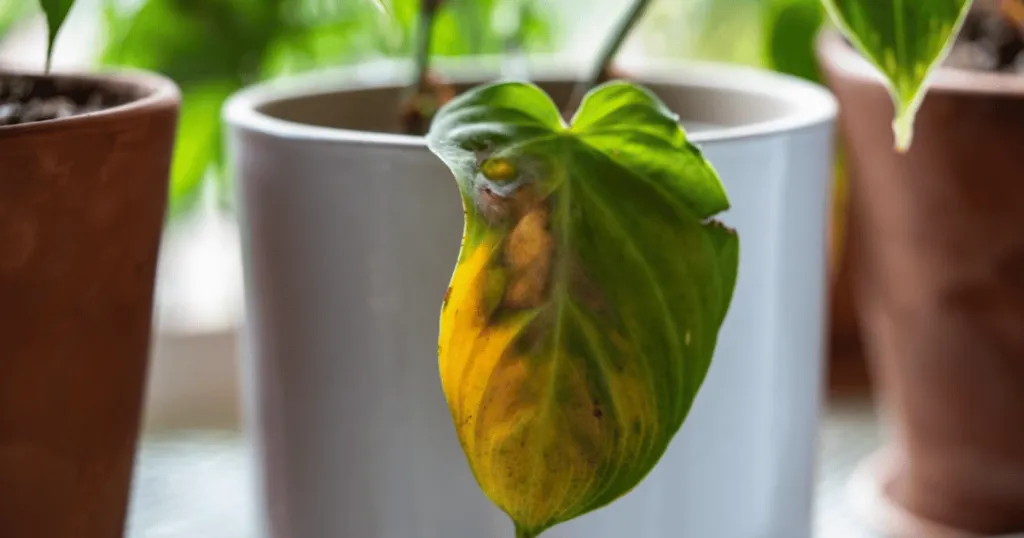
Cast iron plant problems are almost always related to overwatering or poor drainage rather than light or humidity. Because these plants are exceptionally slow-growing and drought-tolerant, they prefer to stay on the dry side. If your plant looks stressed, stop watering immediately and check the root health before assuming it needs more attention.
When you notice your Aspidistra elatior struggling in an office environment, the instinct is often to assume it needs more light or a boost of water. However, this plant earned its reputation for being nearly indestructible precisely because it thrives on neglect. Most cast iron plant problems stem from well-intentioned over-care, particularly in spaces with low natural light where soil moisture takes much longer to evaporate. Before you reach for fertilizer or move the plant to a brighter window, take a step back and evaluate the soil moisture levels, as this is the most common point of failure in professional settings.
If your plant is showing signs of distress, start by checking the soil depth. In office settings, we often see plants sitting in decorative containers without proper drainage holes, which creates a stagnant pool of water at the base. This is the primary driver of root rot, which manifests as yellowing leaves or a sudden collapse of the plant structure. If the soil feels damp to the touch several inches down, your plant is likely drowning. The fastest way to stabilize the situation is to pause all watering, ensure the pot has a drainage hole, and allow the root zone to dry out significantly before the next irrigation cycle.
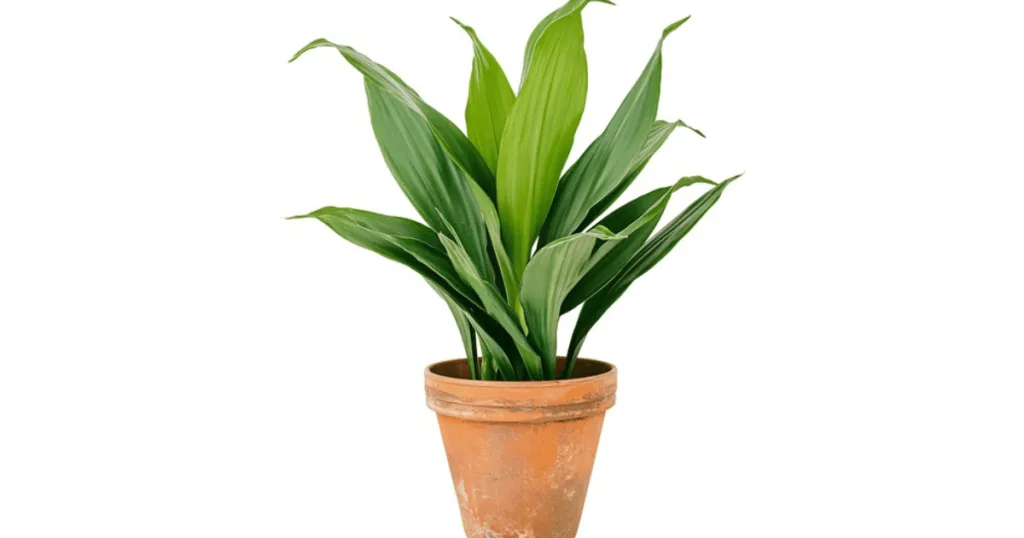
Symptom-Based Diagnosis and Troubleshooting
Understanding what your plant is trying to communicate requires looking at the specific patterns of discoloration and growth. Use the following guide to match your observations with the likely cause.
| Symptom | Likely Cause | Action Required |
|---|---|---|
| Yellowing leaves | Overwatering | Check roots for rot; pause watering |
| Brown, crispy leaf tips | Low humidity or mineral buildup | Flush soil; avoid tap water if possible |
| Drooping foliage | Severe dehydration | Deep soak; check soil compaction |
| Stalled growth | Natural cycle or low light | Reduce fertilizer; accept slow growth |
| White spots on leaves | Dust or hard water | Wipe with damp cloth |
Addressing the Most Common Issue: Root Health
The most frequent culprit behind cast iron plant problems is root rot caused by saturated soil. In an office, the combination of air conditioning and lower light levels means the plant uses very little water. If you are watering on a calendar schedule rather than based on soil dryness, you are likely keeping the root system in a state of constant saturation. This prevents the roots from accessing oxygen, leading to decay.
Identifying and Correcting Root Rot
If you see yellowing leaves that start at the base and work their way up, or if the plant emits a sour odor, you must inspect the root system. Gently remove the plant from its container. Healthy roots should be firm and light-colored. If you find mushy, dark, or foul-smelling roots, you are dealing with rot. Trim away the damaged sections using sterilized shears and repot the plant in fresh, well-draining potting mix. Ensure the new container has adequate drainage holes to prevent future moisture accumulation.
Managing Soil Moisture in Containers
Many office planters are decorative but lack drainage. If your plant is in a container without a hole, the water has nowhere to go. We strongly recommend using a plastic nursery liner inside your decorative pot. This allows you to remove the plant for watering, let it drain fully in a sink or breakroom area, and then return it to the decorative cachepot. This simple habit prevents the standing water that kills Aspidistra.
Less Common and Advanced Troubleshooting
While moisture is the primary concern, other environmental factors can cause aesthetic issues. These are less likely to kill your plant but can make it look unsightly in a professional reception or meeting room.
Managing Mineral Buildup and Leaf Tips
Brown, crispy tips are often a sign of salt or mineral accumulation from tap water. Office buildings often have treated water that contains high levels of chlorine or fluoride, which can build up in the soil over time. If you notice persistent browning, try flushing the soil with distilled water to wash away excess salts. If the issue continues, consider using filtered water for your office plants.
Addressing Dust Accumulation
In high-traffic office areas, dust can settle on the broad, dark leaves of the cast iron plant. This layer of dust can inhibit photosynthesis, especially in low-light conditions. Regularly wiping the leaves with a soft, damp cloth does more than keep the plant looking professional; it ensures the plant can function efficiently despite the limited light available in an office setting.
The Nuance of Office Lighting and Growth Rates
A common misconception is that a lack of new growth indicates a dying plant. In reality, the Aspidistra elatior is a slow-growing species by nature. In an office environment, where light levels are often lower than in a greenhouse, this growth rate slows even further. Managers often attempt to ‘fix’ this by adding fertilizer or moving the plant into direct sunlight.
This is a critical error. Excessive fertilizer in low-light conditions leads to nutrient toxicity, as the plant cannot process the minerals fast enough. Similarly, moving a plant accustomed to dim corners into a bright, south-facing window will cause immediate leaf scorch. The foliage will develop bleached, white patches that are permanent. If your plant is stable, green, and healthy, it is thriving – even if it hasn’t produced a new leaf in months.
Managing Environmental Stressors: HVAC and Airflow
Office environments are defined by artificial climate control. While the cast iron plant is remarkably resilient, it is not immune to the effects of constant HVAC airflow. If your plant is positioned directly in the path of a vent, it will experience rapid moisture loss from its leaves, leading to curling or browning edges. This is not a watering issue; it is a transpiration issue.
If you cannot move the plant, consider placing a small physical barrier or decorative screen to deflect the air. Furthermore, the low humidity typical of office buildings can occasionally cause the tips of the leaves to dry out. While the plant tolerates dry air better than most tropicals, a light misting or simply ensuring the plant is not in a high-draft area will maintain the integrity of the foliage.
Repotting and Soil Compaction
Over time, the potting mix in your office plant container will naturally break down and become compacted. This reduces the amount of oxygen available to the roots, which can lead to a decline in plant health even if your watering habits are perfect. If you notice that water sits on the surface of the soil for a long time before soaking in, the soil has likely become too dense. This is a sign that it is time to repot. When choosing a new medium, opt for a high-quality, well-draining potting mix that includes perlite or pumice.
These amendments create air pockets within the soil, which are essential for long-term root health. When repotting, avoid choosing a container that is significantly larger than the current one, as a large volume of soil will hold too much water, increasing the risk of root rot.
Prevention Habits for Long-Term Success
The best way to avoid cast iron plant problems is to establish a routine that mimics the plant’s natural, slow-growing cycle. Because these plants are native to forest floors, they are adapted to periods of drought and low light.
- The Finger Test: Never water on a schedule. Always insert your finger two inches into the soil. If it feels damp, wait another week.
- Lighting Placement: While they tolerate low light, they do not tolerate direct, harsh sun. Keep them away from south-facing windows where the leaves can scorch.
- Minimal Fertilization: These plants do not need heavy feeding. A light application of balanced liquid fertilizer once or twice a year during the spring is sufficient. Over-fertilizing can lead to salt buildup and leaf burn.
- Temperature Stability: Keep plants away from direct blasts of HVAC vents. While they handle office temperatures well, constant hot or cold air blowing directly on the foliage can cause premature browning.
By shifting your focus from active care to passive observation, you allow the cast iron plant to do what it does best: survive and thrive in the background of your workspace. If you notice a minor issue, the best response is almost always to do less, not more.
Related Cast Iron Plant Guides
FAQ
Why are the leaves on my cast iron plant turning brown at the edges?
Brown edges are usually caused by low humidity or mineral buildup from tap water. Since office air is often dry, try wiping the leaves with a damp cloth to clean them and consider using filtered water to reduce the salt accumulation in the soil.
How often should I water my cast iron plant in an office?
There is no fixed schedule. Because cast iron plant problems often stem from overwatering, you should only water when the top two inches of soil are completely dry. In a low-light office, this might mean watering only once every three to four weeks.
Is it normal for my cast iron plant to stop growing?
Yes. Aspidistra elatior is a naturally slow grower. If the plant looks healthy but is not producing new leaves, it is likely just in a dormant or slow-growth phase. Avoid the urge to over-fertilize, as this can damage the roots.
Are cast iron plants safe for office environments with pets?
According to the ASPCA, the cast iron plant is non-toxic to cats and dogs. This makes it a reliable choice for offices that allow pets or for managers concerned about the safety of common indoor plants.