English Ivy (Hedera helix) is a quintessential trailing plant often selected for its cascading habit and classic aesthetic. In an office setting, however, its performance rarely mirrors the lush, rapid growth seen in outdoor landscapes or temperate greenhouses. While it can add a sophisticated touch to reception areas or bookshelves, it is a plant that demands a specific environmental balance. Office workers often find that English Ivy reacts sharply to the fluctuations of HVAC systems, particularly the combination of low humidity and stagnant air that characterizes many modern workspaces.
- Best for: Bright, indirect light near windows or well-lit desks.
- Limit: Struggles in dry, low-humidity, or dim office corners.
- Maintenance: Requires consistent moisture; prone to spider mite infestations.
- Toxicity: Contains saponins; keep away from pets and curious visitors.
- Judgment: Ideal for experienced keepers; monitor for pests weekly.
Successfully maintaining this plant requires moving beyond the assumption that it is a “set-it-and-forget-it” greenery. It is not a low-light survivor, nor is it particularly forgiving of erratic watering schedules. For office managers and employees, understanding the distinction between its aesthetic appeal and its biological requirements is the first step toward keeping a specimen healthy throughout the work year.
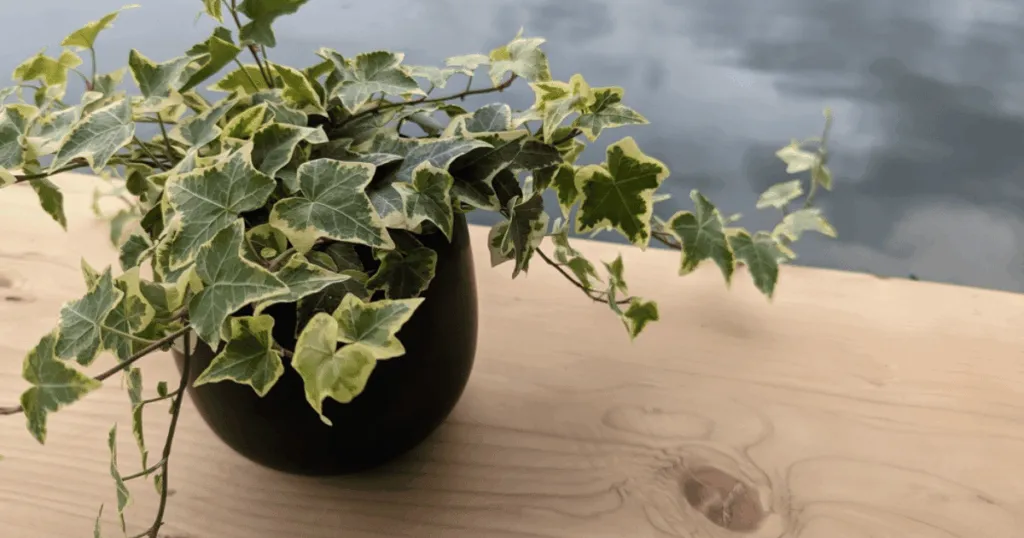
Growth Habit and Visual Characteristics
The primary appeal of English Ivy lies in its vining nature. It produces slender, flexible stems that can reach several feet in length, making it a popular choice for hanging baskets, high shelving, or as a softening element on top of filing cabinets. The leaves are typically lobed, ranging from deep, glossy forest greens to variegated patterns of cream and white. In a controlled office environment, you should expect a moderate growth rate, provided the plant receives adequate light.
Unlike some other common office plants that remain compact, English Ivy is an active climber and trailer. If left unmanaged, the vines can become tangled or sparse, especially if the plant is not receiving enough light to support its full length. The plant utilizes small adventitious roots along its stems to grip surfaces, which means it can be trained up a trellis or allowed to drape naturally. In an open office, this growth habit can be used to create visual barriers, though it requires regular pruning to keep the plant looking dense and professional rather than straggly.
The plant’s appearance is highly sensitive to its immediate surroundings. In environments with poor air circulation, the stems may lose their vigor, and the leaves may begin to drop from the base of the vine. This “leggy” look is a common indicator that the plant is struggling to maintain its foliage under the stress of office lighting or temperature fluctuations. To maintain a full, lush appearance, you must be prepared to prune back long, thin stems, which encourages the plant to put energy into bushier, more compact growth.
Care Needs at a Glance
Managing English Ivy in an office requires a proactive approach to its environmental needs. It is not a plant that thrives in the dim, windowless corners often found in interior offices. It requires medium to bright indirect light to maintain its color and structural integrity. If your office only has access to fluorescent overhead lighting, the plant will likely decline over time, as these lights rarely provide the intensity or spectrum required for long-term health.
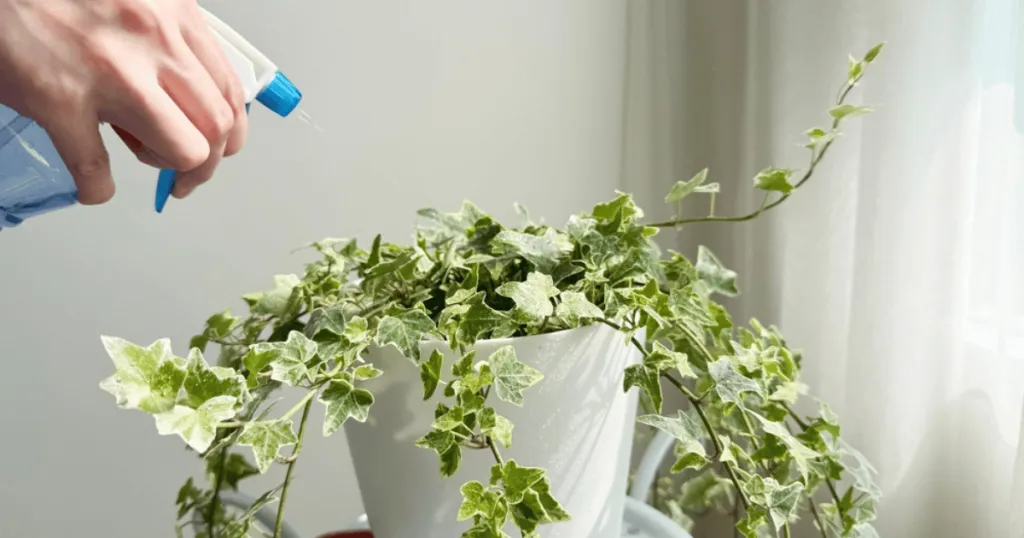
Watering is perhaps the most critical component of its care. English Ivy prefers soil that is kept consistently lightly moist. It does not tolerate the “soak and dry” cycle that many succulents or hardier foliage plants enjoy. If the soil dries out completely, the plant will show signs of stress, such as crispy leaf edges and drooping stems. Conversely, it is equally important to avoid waterlogging the roots, which can lead to decay. Always ensure your pot has adequate drainage; sitting in standing water is a quick way to compromise the root system.
Humidity is the silent factor in office plant health. Because most office buildings are climate-controlled with HVAC systems that strip moisture from the air, English Ivy often struggles with dry conditions. While it can adapt to average room humidity, it is significantly more prone to pest issues in dry air. You may need to monitor the plant closely for signs of spider mites, which thrive in the low-humidity, stagnant air common in many office environments. If you notice fine webbing or speckled, yellowing leaves, these are clear indicators that the plant is under environmental stress.
Office Suitability and Placement Guidance
English Ivy is best suited for spaces where you can provide consistent care. It is an excellent choice for a reception desk or a private office with a window where you can monitor its progress daily. It is generally not recommended for communal areas where watering responsibilities are shared or neglected, as the plant will quickly show signs of neglect. If you are a decision-maker selecting plants for an open office, consider placing English Ivy in areas that receive natural light and have enough space for the vines to trail without being constantly brushed against by passing foot traffic.
Placement near vents or heaters should be avoided at all costs. The constant stream of dry, forced air will accelerate moisture loss from the leaves and create the perfect conditions for spider mites. If you must place the plant near a window, ensure it is protected from direct, harsh sunlight, which can scorch the foliage, especially in the afternoon. A spot that receives bright, filtered light is ideal for maintaining the plant’s variegation and overall health.
From a maintenance perspective, this plant requires a commitment to regular cleaning and inspection. Dusting the leaves periodically is essential, as dust buildup can impede photosynthesis and make the plant more susceptible to pests. If you are looking for a plant that requires minimal intervention, English Ivy may not be your best choice; however, for those who enjoy the ritual of plant care, it offers a rewarding, classic aesthetic that few other trailing plants can match.
Toxicity and Safety Considerations
It is important to be aware that English Ivy is toxic to cats and dogs. According to guidance from organizations like the ASPCA, ingestion of the plant can cause symptoms such as vomiting, abdominal pain, and hypersalivation due to the presence of triterpenoid saponins. In an office setting, this is a critical consideration if your workplace is pet-friendly or if employees frequently bring their pets to the office.
Beyond ingestion, the sap of the plant can cause skin irritation or dermatitis in some individuals. When pruning or handling the plant, it is a professional best practice to wear gloves, especially if you have sensitive skin. If you are placing the plant in a public-facing area, consider its height and accessibility. Keeping the plant on a high shelf or in a hanging basket can mitigate the risk of accidental contact or ingestion by pets or curious visitors. Always prioritize safety by placing the plant in a location that is out of reach of those who might be unaware of its toxic properties.
Care and Troubleshooting Handoff
While this overview provides the foundational knowledge needed to decide if English Ivy is the right fit for your office, maintaining a healthy specimen long-term involves more nuanced care. If you notice persistent yellowing, stunted growth, or recurring pest issues, these are signs that your specific office environment may require adjustments to light, humidity, or watering frequency. We recommend consulting our dedicated, in-depth care and troubleshooting guides for specific protocols on pest management, soil amendment, and propagation techniques.
Successful office plant management is about matching the plant’s needs to the reality of your workspace. By understanding the specific environmental triggers for English Ivy, you can avoid the common pitfalls that lead to plant failure. For further guidance on diagnosing specific leaf issues or optimizing your watering schedule, refer to our advanced care resources. These guides offer step-by-step instructions for addressing the most common challenges faced by office plant keepers, ensuring your greenery remains a vibrant part of your professional environment.
Related English Ivy Guides
- keeping a English Ivy healthy
- why your English Ivy might be struggling
FAQ
Can English Ivy survive in a windowless office with only fluorescent lights?
Generally, no. While English Ivy can tolerate lower light levels for a short period, it will not thrive under standard fluorescent office lighting. Over time, the plant will become leggy, lose its color, and become highly susceptible to pests. It is best to place it in a location with access to natural, indirect sunlight.
How often should I check my English Ivy for spider mites?
Because English Ivy is highly prone to spider mites in the dry air of modern offices, you should perform a quick visual inspection at least once a week. Look for fine webbing between the stems or tiny, pale yellow spots on the leaves. Early detection is the most effective way to manage an infestation.
What is the best way to water English Ivy in an office setting?
The goal is to keep the soil lightly moist but never waterlogged. Use your finger to check the top inch of soil; if it feels dry, it is time to water. Always ensure the pot has drainage holes so that excess water can escape, preventing root rot, which is a common cause of failure for this species.