Aloe vera is a resilient succulent that often finds its way into office spaces due to its architectural appeal and reputation for being low maintenance. However, the reality of an office environment – characterized by fluctuating HVAC-controlled humidity, limited natural light in cubicles, and periods of total neglect over weekends or holidays – requires a specific approach to plant management. Unlike home gardens where you might have more control over environmental variables, office plants must be tough enough to survive the artificial conditions of a modern workplace.
The most important takeaway for successful aloe vera care is that this plant thrives on neglect regarding moisture but demands absolute consistency regarding light. If you treat your aloe like a tropical foliage plant by watering it frequently, you will likely encounter root rot within weeks. Conversely, if you hide it in a dim corner, it will quickly become leggy and lose its structural integrity. By prioritizing high-intensity light and allowing the soil to dry out completely, you can maintain a healthy, compact plant that survives the typical office work week with ease.
Decision Snapshot
- Light: Requires bright, direct light near a south or west window.
- Watering: Let soil dry out completely; water sparingly every few weeks.
- Humidity: Thrives in dry office air; no misting required.
- Toxicity: Toxic to cats and dogs if ingested per ASPCA guidance.
- Fit: Ideal for sunny desks, but avoid dark cubicle corners.
Optimizing Light and Placement for Office Success
Aloe vera is a sun-loving succulent that requires significantly more light than many other common office plants. In a professional setting, this means your plant should ideally be placed on a windowsill that receives direct sunlight for several hours each day. If your office lacks a south-facing or west-facing window, you may struggle to keep the plant from stretching toward the light source.
When an aloe plant does not receive enough light, it exhibits a phenomenon known as etiolation. You will notice the leaves becoming pale, thin, and elongated as the plant desperately reaches for energy. Eventually, these weak leaves will flop over, losing the characteristic upright, rosette shape that makes the plant visually appealing. If your desk is located in an interior office or a cubicle with only fluorescent overhead lighting, an aloe vera will likely decline over time. In these situations, consider using a dedicated LED grow light positioned within a few inches of the plant to supplement the lack of natural solar radiation.
Placement also involves considering the physical traffic of the office. Because aloe leaves are brittle and can snap if bumped by a rolling chair or a passing colleague, choose a spot that is slightly elevated or tucked away from high-traffic corridors. A stable, sunny corner of a shared meeting room or a dedicated windowsill in a break area often serves as the best long-term home for the plant.
Watering Protocols and Soil Requirements
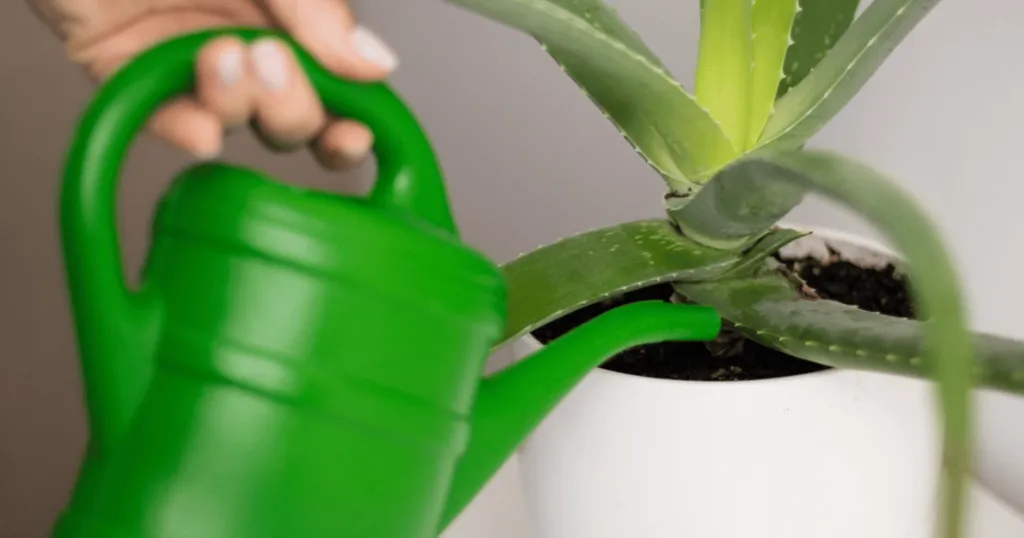
The primary cause of failure for office-grown aloe vera is overwatering. Because these plants are adapted to arid environments, they store water within their thick, fleshy leaves. When you provide too much moisture, the root system cannot breathe, leading to rapid decay. In an office, the temptation to water a plant as part of a weekly routine can be dangerous. Instead, you should adopt a check-based system rather than a calendar-based one.
Before adding water, insert a wooden skewer or your finger at least two inches into the soil. If there is any hint of moisture, do not water. The soil should be bone-dry throughout the entire pot before you consider the next irrigation cycle. When you do water, soak the soil thoroughly until water drains from the bottom of the container, then immediately empty the saucer. Never allow the plant to sit in standing water, as this is a guaranteed way to induce rot in the lower leaves.
Regarding soil, standard potting mixes are often too moisture-retentive for succulents. Use a dedicated cactus or succulent mix that contains high amounts of perlite, pumice, or coarse sand. This ensures that water drains quickly and air can reach the roots. If you are using a decorative pot without a drainage hole, which is common in office decor, you must be extremely cautious. It is far safer to keep the aloe in a plastic nursery pot with drainage holes and place that inside your decorative container, allowing you to remove the plant for watering and ensure all excess liquid has drained before returning it to the display.
Humidity, Temperature, and Supplemental Feeding
Office environments are notoriously dry due to HVAC systems that strip moisture from the air. Fortunately, aloe vera is perfectly adapted to these conditions. Unlike ferns or tropical plants that might crisp up in low humidity, aloe thrives in the arid air of a climate-controlled office. You do not need to mist the plant, and you should avoid placing it near direct drafts from air conditioning vents, which can cause sudden temperature fluctuations that stress the plant.
Temperature-wise, the plant prefers the same range that humans find comfortable, typically between 65 and 80 degrees Fahrenheit. If your office is shut down for the weekend and the temperature drops significantly, the plant will generally tolerate it as long as it does not reach freezing levels. However, avoid placing the plant directly against a cold windowpane during winter months, as the chill can damage the foliage.
Fertilizing is rarely necessary for office-grown aloe. Because growth is often slower in indoor conditions compared to a greenhouse, the plant does not require heavy feeding. If you feel the plant needs a boost, apply a balanced, water-soluble fertilizer diluted to half-strength only during the active growing season in spring and summer. Never fertilize in the winter when the plant is dormant, as the salts can build up in the dry soil and cause root burn.
Repotting, Pruning, and Propagation
Aloe vera does not need frequent repotting. In fact, these plants prefer to be slightly root-bound. You should only consider moving the plant to a larger container when the roots are visibly circling the bottom of the pot or when the plant becomes so top-heavy that it tips over. When repotting, choose a container that is only one size larger than the current one to avoid excess soil that holds too much water.
Pruning is mostly a matter of aesthetics and health. If a leaf becomes damaged, mushy, or completely dried out, you can remove it using a clean, sharp knife or shears. Cut as close to the base of the plant as possible without damaging the main stem. If you notice a leaf has a small brown tip, this is often a sign of inconsistent watering or dry air, but it does not necessarily require removal unless it becomes unsightly.
Propagation is an interesting way to expand your office greenery. Healthy, mature aloe plants often produce small offsets, known as pups, at the base of the main plant. Once these pups reach about one-third the size of the parent, you can gently separate them during a repotting session. Allow the cut end of the pup to callous over for a day or two before placing it in its own small pot with fresh, well-draining soil. This is a practical way to replace an aging plant or share the greenery with other departments.
Seasonal Adjustments and Common Care Mistakes
The biggest seasonal adjustment for an office aloe is managing the change in light intensity. In the winter, the sun sits lower in the sky and days are shorter. If your plant is on a windowsill, it may receive less direct light than it did in the summer. Monitor the plant for signs of stretching and move it to the brightest available spot during these months. If the office is closed for extended holiday periods, ensure the plant is not sitting in a location that will become excessively hot or cold while the HVAC system is set to energy-saving modes.
The most common care mistake is the habit of routine watering. Many office managers treat plant care like a chore to be completed on a Friday afternoon. If you water on a schedule, you will eventually overwater the plant during a week when it did not actually need it. Always test the soil dryness first. Another frequent error is ignoring the toxicity of the plant. According to the ASPCA, aloe vera is toxic to cats and dogs if ingested, causing gastrointestinal distress. If your office is pet-friendly, ensure the plant is placed well out of reach of any animals that might be roaming the workspace.
Finally, avoid the urge to repot the plant into a massive container. A container that is too large will hold too much water, keeping the roots wet for too long and leading to the most common killer of indoor succulents: root rot. Keep the plant in a snug, well-draining pot, and it will remain a reliable, low-maintenance companion for your office desk.
Strategic Long-Term Management in Open Offices
Managing aloe vera in an open-office plan requires a different mindset than in a private office. In open layouts, you are dealing with inconsistent light levels and high foot traffic. The primary challenge is protecting the plant from accidental damage. Because aloe leaves are succulent and heavy, they are prone to snapping if a chair or bag hits them. Consider placing your aloe on a high-mounted shelf or a dedicated plant stand that sits away from the main thoroughfare. This protects the plant while keeping it in a high-light zone.
Furthermore, consider the impact of office-wide cleaning services. If your office uses professional cleaners who move items around, ensure your plant is in a stable, non-movable location. If the plant is frequently shifted to accommodate vacuuming or surface cleaning, it may be placed in a darker area, which can trigger the etiolation mentioned earlier. Creating a designated “plant zone” with a small sign or a consistent location can help maintain the plant’s health over the long term.
Finally, consider the “weekend neglect” factor. In many modern offices, the HVAC system is turned down or off during the weekend to save energy. This can lead to significant temperature drops in winter or heat spikes in summer. Aloe vera is generally hardy, but it does not appreciate rapid, extreme shifts. If your office has a particularly harsh climate control cycle, keep the plant away from windows that lack thermal insulation, as these will be the coldest spots in the building on a Sunday night. By choosing a location that is buffered from the exterior wall by a few feet, you provide the plant with a more stable environment while still allowing it to receive the necessary light.
Related Aloe Vera Guides
- what the Aloe Vera is like as an office plant
- why your Aloe Vera might be struggling
FAQ
Why are the leaves of my office aloe vera turning brown and mushy?
Brown, mushy leaves are a classic symptom of root rot caused by overwatering or poor drainage. In an office setting, this usually happens when the plant is watered on a strict schedule rather than when the soil is actually dry. Stop watering immediately, remove the plant from its pot to inspect the roots, and trim away any black or slimy sections before repotting in fresh, dry, well-draining succulent soil.
Can my aloe vera survive without any natural window light?
Aloe vera requires high light levels to maintain its structure. While it might survive for a short time in a dim office, it will eventually become leggy, pale, and weak. If you do not have access to a sunny windowsill, you must use a dedicated LED grow light to provide the necessary intensity. Without supplemental light, the plant will likely decline and eventually fail.
How do I know if my aloe vera is getting too much or too little water?
Look at the leaves for clues. If the leaves are soft, mushy, or turning yellow, you are likely overwatering. If the leaves are shriveled, thin, and curling inward, the plant is dehydrated and needs a deep soak. Always use the finger test: if the top two inches of soil are not completely dry, wait longer before adding more water.
Is it safe to keep an aloe vera plant in an office with pets?
According to the ASPCA, aloe vera is toxic to cats and dogs if ingested. The plant contains saponins and anthraquinones, which can cause vomiting, diarrhea, and lethargy if chewed or swallowed. If your office allows pets, keep the plant on a high shelf or in a secure area where animals cannot reach the foliage.