Affiliate Disclosure: As an Amazon Associate, I earn from qualifying purchases.
When selecting vegetation for an engineered biofiltration system in a corporate setting, the curation logic must go far beyond standard decorative desk placement. Office managers and workplace designers need to look at how specific root structures interact with forced mechanical airflow, automated water circulation, and continuous indoor lighting conditions. By prioritizing species with proven physiological resilience to dynamic moisture shifts and enclosed root zones, facilities teams can avoid premature plant failure and ensure long-term system stability without high replacement overhead.
We evaluate candidate species based on root mass density, susceptibility to spider mites under forced air, and ability to withstand the dynamic moisture fluctuations inherent in active biofiltration systems. The resulting shortlist bridges the gap between aesthetic workplace design and functional biological air treatment.
Quick Facts
- Bio filters rely on robust root mass for microbial action.
- Office lighting requires low light adaptable species.
- Airflow demands tough leaves resistant to physical stress.
- Consistent moisture tolerance prevents root rot issues.
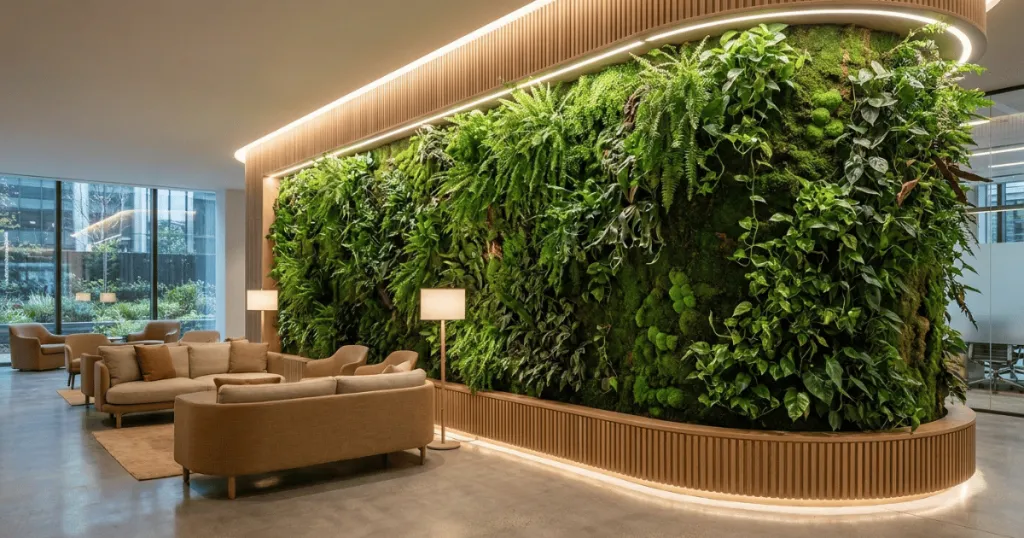
Understanding Active Botanical Filtration in Modern Workspaces
Active biofiltration systems force indoor air through a living matrix of plant roots and specialized growing media, accelerating the breakdown of gaseous pollutants compared to static potted plants. This mechanical movement of air introduces distinct environmental pressures that most common desk plants cannot handle. Roots are subjected to continuous air currents, while the surrounding medium experiences rapid wet-dry cycles driven by automated irrigation or circulating fans. Office environments add another layer of complexity, featuring low humidity from HVAC systems, limited natural sunlight, and extended periods of static conditions over weekends.
To succeed in these engineered setups, a plant must support dense root proliferation and host beneficial microbial colonies that mineralize airborne contaminants. Species with fragile root hairs or those highly sensitive to standing water often decline rapidly in active bio walls. Prioritizing plants with proven physical toughness ensures the living bio filter maintains its aesthetic density and pollutant breakdown capacity over years of continuous operation. In corporate environments where indoor air quality directly impacts worker comfort, these botanical air purification plants serve as dynamic living filters that handle volatile organic compounds more efficiently than passive arrangements.
Furthermore, indoor humidity management becomes significantly easier when integrating a well-designed botanical air filtration system. As water circulates through the root substrate and evaporates via transpiration, it counteracts the bone-dry conditions typical of HVAC-conditioned offices. However, this relies entirely on choosing the right living wall office plants that will not drown in recirculating water supply loops or suffer mechanical cell collapse from constant air movement tolerance.
Curated Plant Selections for Bio Filter Office Installations
Pothos
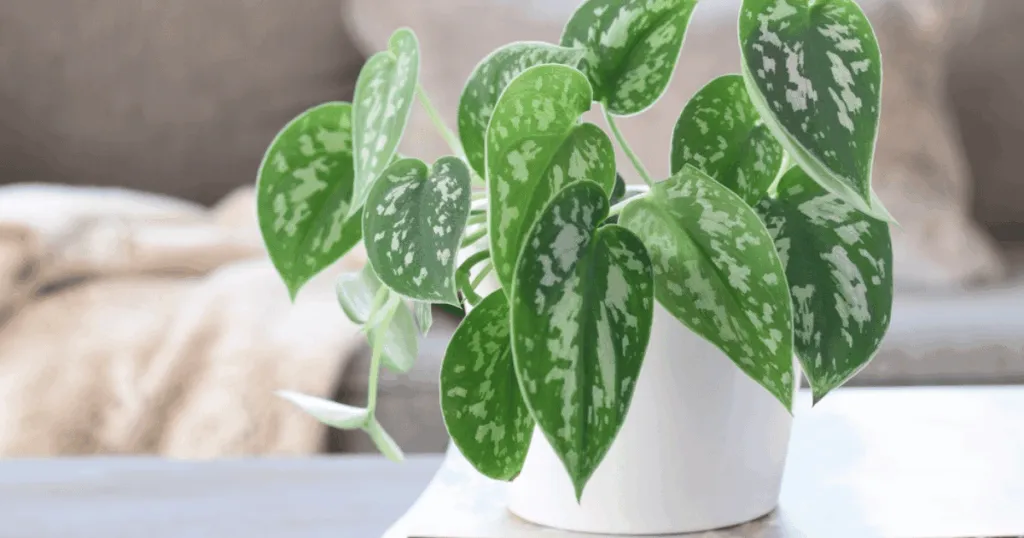
Pothos stands out as an exceptionally reliable option for living bio walls due to its aggressive root growth and high tolerance for pruning. The trailing stems adapt easily to vertical panel setups, while the root system rapidly colonizes engineered filter media. It thrives under standard fluorescent or LED office lighting and recovers quickly from occasional irrigation lapses. One important factor to monitor is that overwatering in sealed bio filter chambers can lead to stem rot, making proper drainage design essential.
In practice, Pothos functions as a workhorse variety for office managers deploying indoor biofilter greenery for the first time. Its trailing habit allows it to mask mechanical framework elements while its robust root mass density provides ample surface area for beneficial microbes. When integrated into systems driven by phytoremediation office species strategies, Pothos consistently demonstrates high survival rates even when weekend HVAC shutdowns cause minor temperature swings.
Heartleaf Philodendron
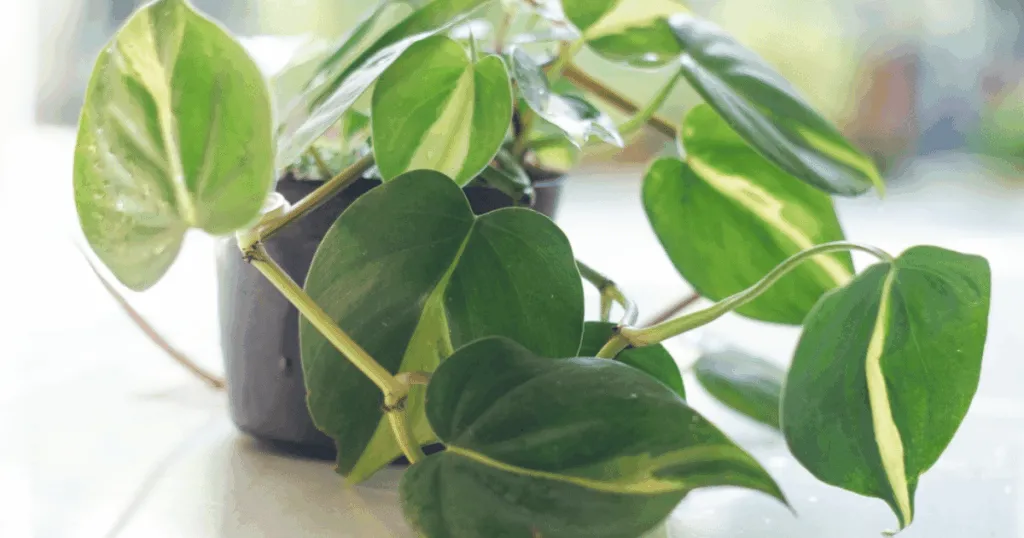
Heartleaf Philodendron shares many of the resilient growth habits of Pothos, making it a staple for vertical indoor gardening systems. The deep green foliage creates an immediate visual screen, while the flexible vines weave easily through support structures. It performs well in medium to bright indirect light and tolerates the lower light zones often found in interior core offices. A common mistake in bio filter applications is letting the trailing stems block airflow vents, which can disrupt the overall efficiency of the mechanical system.
Because these plants prefer top inch of soil dry between waterings in standard settings, their adaptation to constant-moisture bio filter media requires careful monitoring of the irrigation pump cycles. If the root zone remains waterlogged without adequate oxygen exchange, lower leaves may turn yellow. However, when paired with well-aerated substrates, Heartleaf Philodendron offers a lush, full aesthetic that enhances corporate reception areas and open-plan partitions alike.
Peace Lily
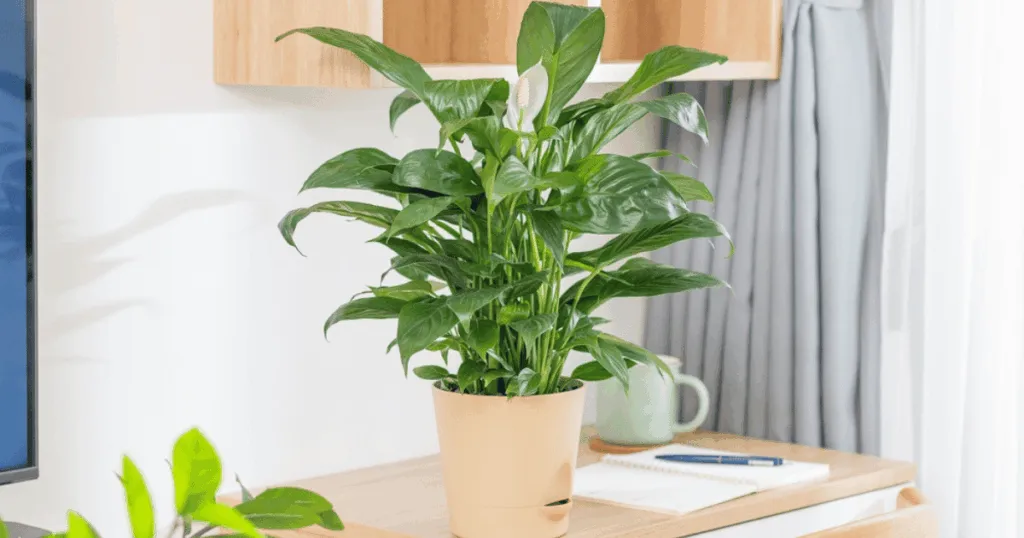
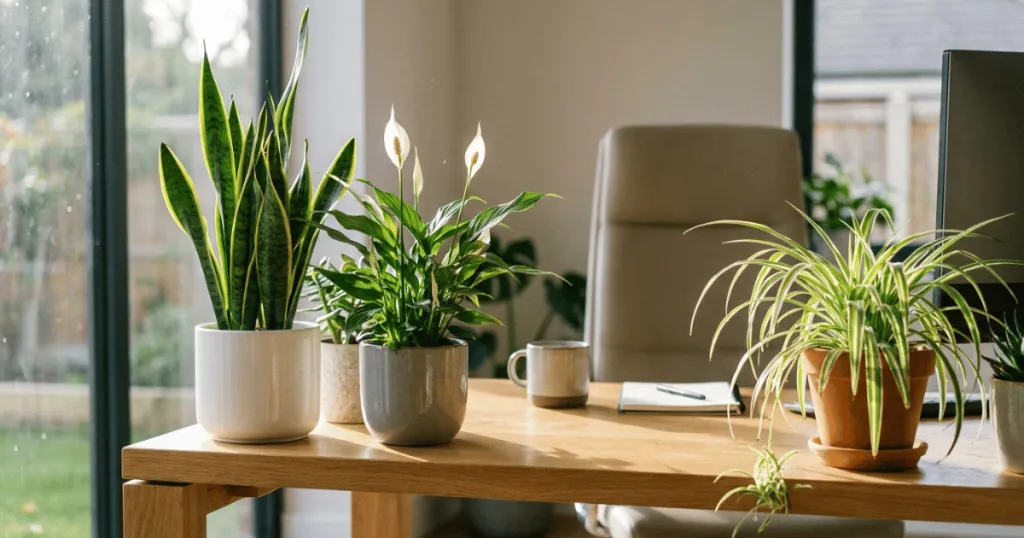
Peace Lily brings broad, glossy leaves and delicate white spathes to office bio filters while handling constant moisture remarkably well. Because these systems often feature continuous or frequent watering cycles, the aquatic tendencies of the Peace Lily prevent the root suffocation that kills drier climate species. It prefers medium indirect light and will visibly droop as a natural indicator when moisture levels drop too low. However, flowering can be inconsistent under purely artificial office lighting, meaning the focus remains primarily on its lush foliage contribution.
For office environments dealing with high levels of particulate matter and gaseous pollutants, the broad leaf surface area of the Peace Lily acts as an effective capture zone. Maintenance teams should note that while it tolerates moist conditions, it still requires periodic flushing of the bio wall matrix to prevent fertilizer salt accumulation from tap water irrigation.
Spider Plant

Spider Plant produces a dense fountain of arching leaves and an extensive, fleshy root system that excels at anchoring into porous bio filter substrates. It is exceptionally forgiving of fluctuating office conditions and handles artificial lighting without losing vigor. The plant frequently produces small plantlets on long runners, adding a dynamic, living texture to corporate reception areas and open-plan partitions. In very dry HVAC environments, the tips can sometimes brown, which requires monitoring the system humidity levels.
The thick, tuberous roots of the Spider Plant store moisture effectively, allowing it to bridge short-term gaps if an automated watering cycle malfunctions over a holiday weekend. This resilience makes it a premier choice for facilities managers who need dependable indoor air cleaning plants that require minimal manual intervention once established in a vertical matrix.
Chinese Evergreen
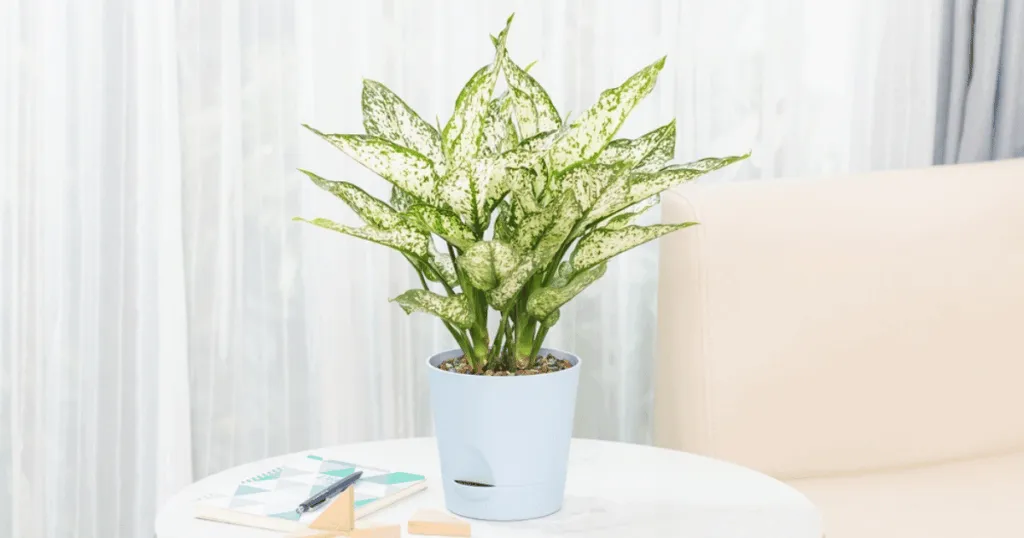
Chinese Evergreen offers striking leaf variegation in shades of silver, white, and deep green, providing a sophisticated aesthetic upgrade to institutional bio walls. It adapts exceptionally well to low light and moderate indirect light conditions typical of interior office spaces. The thick stems and robust root system anchor securely into vertical pockets without succumbing to minor moisture imbalances. A safer approach is to ensure the bio filter substrate drains freely, as stagnant water will eventually cause lower stem collapse.
In modern office architecture, Chinese Evergreen cultivars break up monotonous expanses of drywall and glass. Their upright growth habit complements linear wall modules, and their tolerance for stable, indoor temperatures means they rarely experience shock when transitioning from greenhouse propagation to commercial workspace installations.
Dracaena
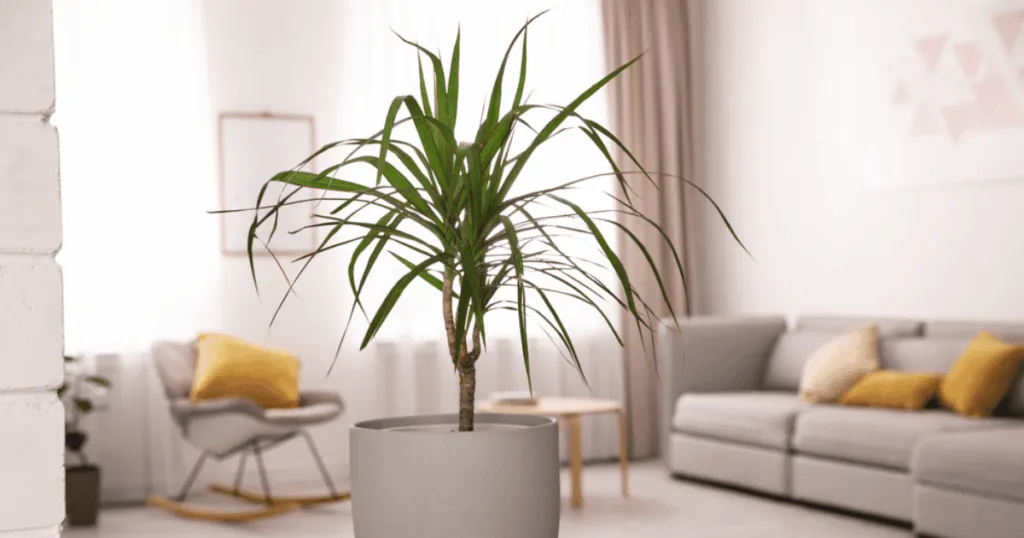
Dracaena varieties, particularly compact cultivars, provide strong architectural lines that anchor large-scale bio filter installations. Their upright canes and sturdy root structures handle forced air movement far better than delicate ferns or thin-stemmed herbs. They tolerate low light reasonably well, though growth slows down noticeably away from windows. One detail to keep in mind is that Dracaena is sensitive to fluoride and heavy minerals in tap water, which can cause leaf tip necrosis if the bio filter uses untreated municipal water.
When integrated into closed-loop systems, Dracaena helps establish a multi-tiered canopy effect on large bio walls, allowing shorter trailing species to cascade beneath them. Their rigid stems resist bending under high-velocity fan output, ensuring the mechanical integrity of the living wall remains undisturbed.
Boston Fern
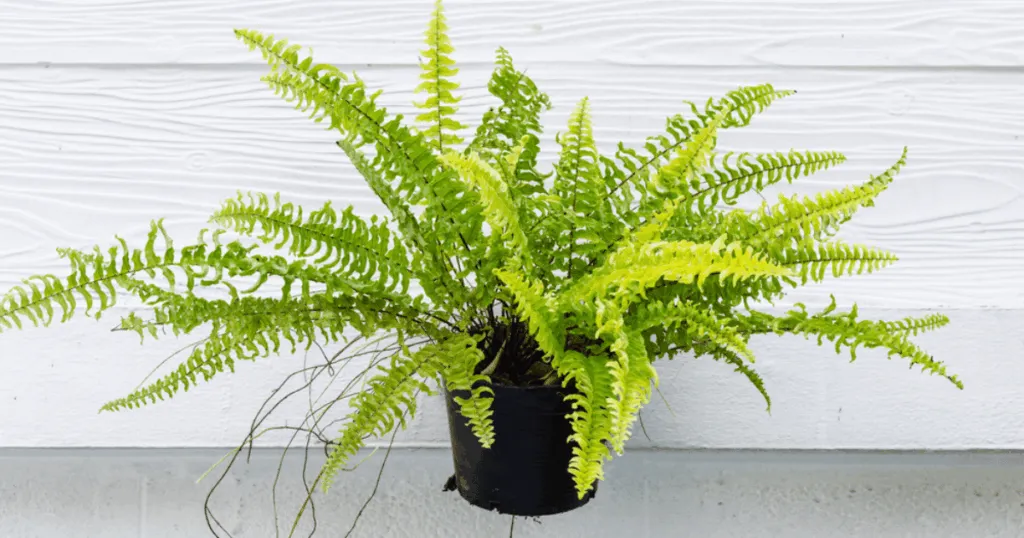
Boston Fern is a classic choice for high-moisture bio walls, offering dense fronds that maximize surface area for air contact. It thrives in the humid microclimates created by active water-recirculating bio filters. While traditional potted Boston ferns often struggle with dry office air, placing them directly into a living bio filter system provides the continuous ambient moisture they need to stay lush. A practical limitation is its complete intolerance for drying out, meaning pump failures or holiday shutdowns can quickly lead to severe frond drop.
Because of this high moisture demand, Boston Ferns perform best in bio walls equipped with redundant water delivery mechanisms or continuous drip lines. Their fine, fibrous root network weaves tightly into mat substrates, maximizing the biological activity of the root zone and contributing directly to overall air purification performance.
Placement and System Integration Strategies
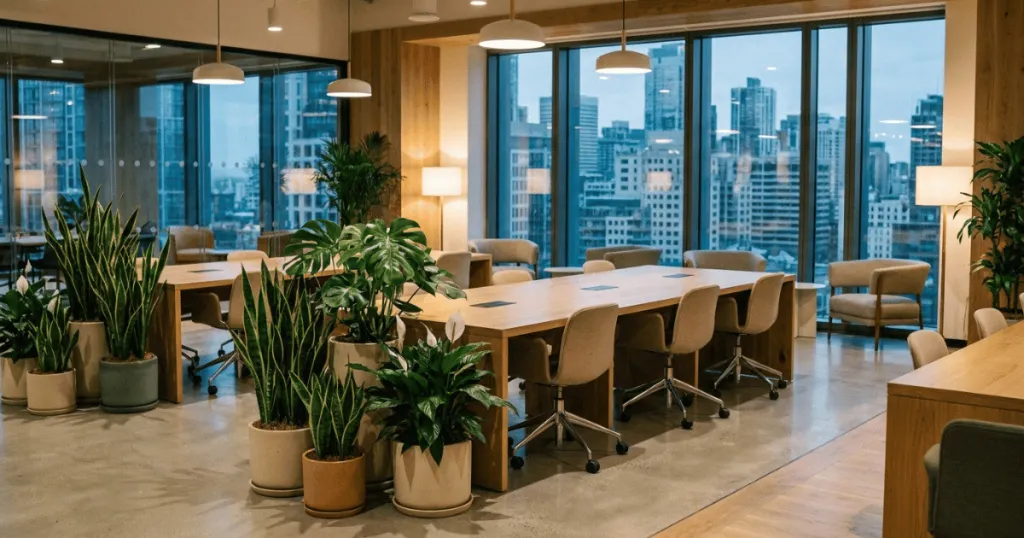
Integrating living greenery into an office bio filter successfully merges visual appeal with the operational demands of mechanical equipment. Positioning plants near primary workspace entries or core collaboration zones maximizes the psychological and air-cleaning benefits for staff. However, care must be taken to align the plant’s light requirements with existing architectural lighting or supplemental LED grow fixtures designed into the bio wall housing.
Airflow velocity is another critical integration factor. Directing high-speed fan output straight onto delicate foliage causes rapid moisture loss and mechanical cell damage. Baffle systems or louvered vents should disperse the purified air gently into the room. Maintenance access remains the final priority; modular bio filter designs that allow individual plant pods to be swapped out without dismantling the entire wall save significant time during routine workplace upkeep.
Limitations, Trade-Offs, and Maintenance Realities
Deploying living plants inside engineered bio filtration systems introduces distinct operational trade-offs that office managers must anticipate. Unlike traditional potted plants cared for by individual desk owners, bio wall plants share a centralized root zone or circulating water supply. This means a pathogen or pest outbreak in one section can spread rapidly through the entire installation. Regular inspection for common office pests like spider mites, which thrive in warm, dry corporate interiors, is non-negotiable.
Another common oversight involves nutrient management. Over time, circulating water can deplete essential micronutrients or accumulate mineral scale from office tap water, leading to interveinal chlorosis in sensitive species. Establishing a scheduled nutrient flush and monitoring pH levels in closed-loop systems prevents premature plant decline. Facilities with irregular weekend HVAC shutdowns must also account for temperature swings that can shock tropical species during winter months.
Operational planning must also incorporate redundancy protocols. When automated nutrient delivery fails or lighting timers malfunction, resilient species survive short disruptions far better than delicate cultivars. Facility teams should document exact maintenance intervals, monitor pump pressures, and keep replacement stock acclimatized in nearby staging areas to ensure the active bio filter never suffers prolonged aesthetic or functional gaps. Identifying the best plants for bio filter office setups helps streamline this entire process.
FAQ
How do active bio filter office walls affect plant health compared to standard pots?
Active bio walls force air through the root zone, increasing oxygen exchange but also accelerating moisture loss and requiring greater root resilience.
Can low-light office lighting sustain bio filter plants effectively?
Many shade-tolerant species survive under fluorescent or LED office lighting, though growth rates will be slower and supplemental grow lights may be needed for dense coverage.
What is the biggest risk to plants installed in recirculating bio filter systems?
The rapid spread of root pathogens or pests through shared water supplies represents the primary operational risk for integrated living walls.
How often do bio filter office plants need to be replaced?
With proper nutrient management and balanced watering cycles, hardy species can thrive for several years before needing individual pod replacements.