Affiliate Disclosure: As an Amazon Associate, I earn from qualifying purchases.
The most reliable office plants for low-light environments are those that prioritize foliage durability over rapid growth or flowering.
Key Takeaway
- Focus on species with thick, waxy, or dark green leaves.
- Prioritize plants that tolerate dry, HVAC-conditioned air.
- Avoid flowering varieties, which rarely bloom without high-intensity light.
Selecting the best office plants that don’t need sunlight requires a realistic assessment of your workspace conditions. While no plant can survive in total darkness, many species have evolved to thrive in the dim, filtered, or artificial light typical of interior offices. Success in these environments is less about finding a plant that enjoys the dark and more about finding one that effectively manages its energy consumption when photosynthesis is limited.
In most office settings, the primary challenge is not just the lack of direct sun, but the combination of low light, stagnant air, and fluctuating temperatures. Plants that struggle in these conditions often show signs of stress through leggy growth, leaf drop, or susceptibility to pests. By choosing varieties with proven tolerance for these specific limitations, you can maintain a vibrant, professional workspace without the need for specialized lighting equipment or constant intervention.
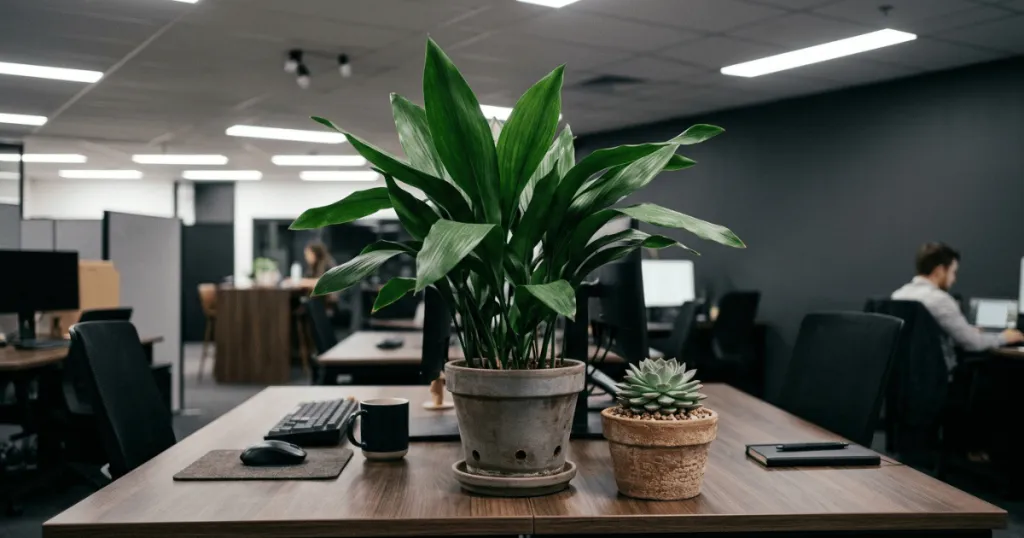
Understanding Low-Light Tolerance in the Workplace
The term “low light” in an office context usually refers to areas far from windows, such as interior cubicles, hallways, or meeting rooms lit primarily by fluorescent or LED fixtures. These light sources provide far less intensity and a narrower spectrum than natural sunlight. When selecting plants for these spots, look for species with high chlorophyll density, which allows them to capture the limited available light more efficiently.
Maintenance in low-light conditions requires a shift in your watering routine. Because these plants are photosynthesizing at a slower rate, they consume water much more slowly than those in bright, sunny windows. A common mistake is to water on a fixed calendar schedule regardless of the soil moisture. In low-light offices, always check the top two inches of soil before adding water. If the soil remains damp, the plant does not need more moisture, and adding it will likely lead to root rot.
The Most Resilient Office Plants That Don’t Need Sunlight
Snake Plant
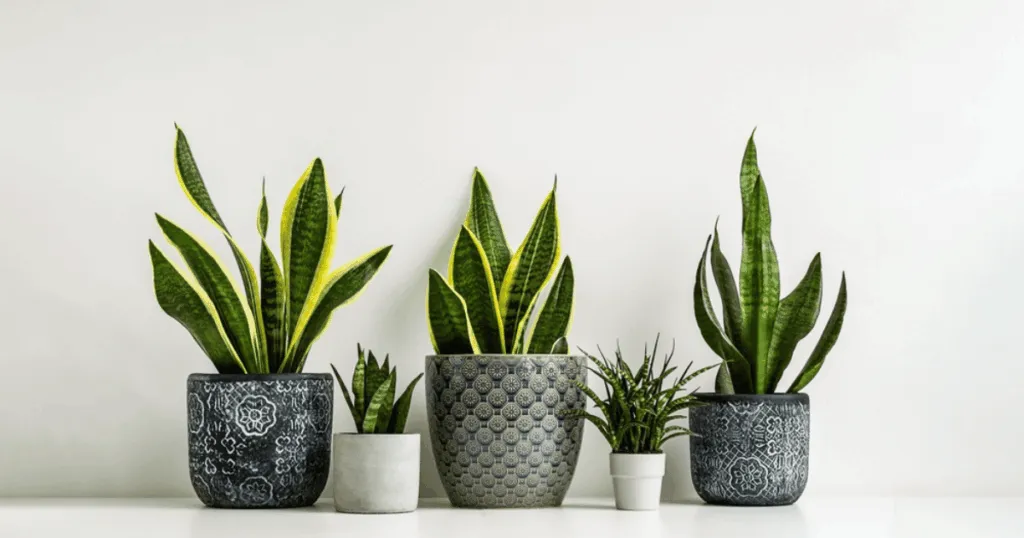
The Snake Plant is arguably the most forgiving option for a dim office. Its upright, architectural leaves make it an excellent choice for corners or narrow spaces. It is remarkably drought-tolerant, meaning it can easily survive weekends or even longer stretches without attention. Because it stores water in its thick leaves, it is much more likely to suffer from overwatering than underwatering. Note that it is mildly toxic to pets if ingested.
ZZ Plant
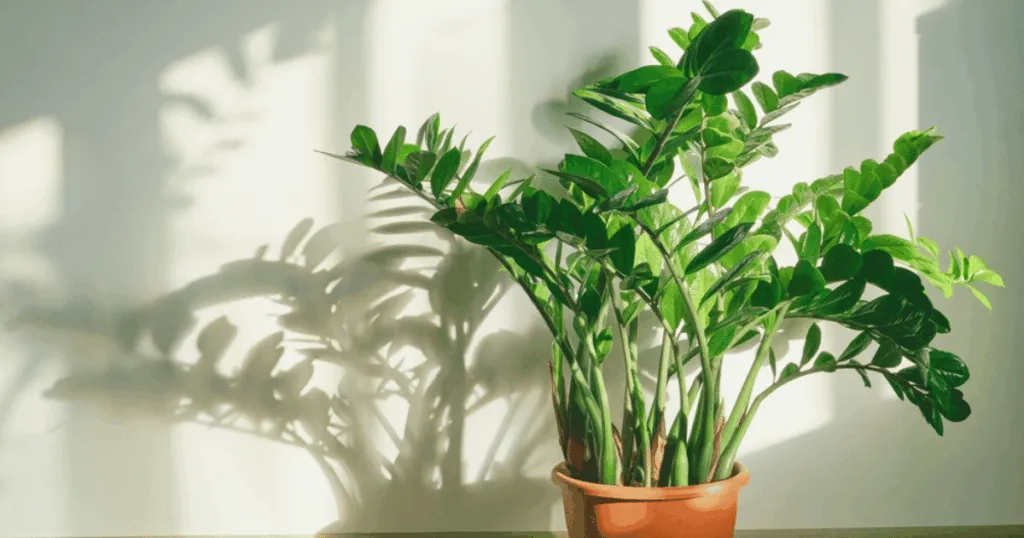
The ZZ Plant is a standout for its ability to look pristine even in windowless offices. Its waxy, deep green leaves reflect light, and its rhizomatous root system allows it to store water efficiently. This plant is particularly well-suited for reception areas or desks where natural light is non-existent. It is highly resistant to the dry, recycled air common in modern office buildings. Be aware that it is toxic to pets.
Cast Iron Plant
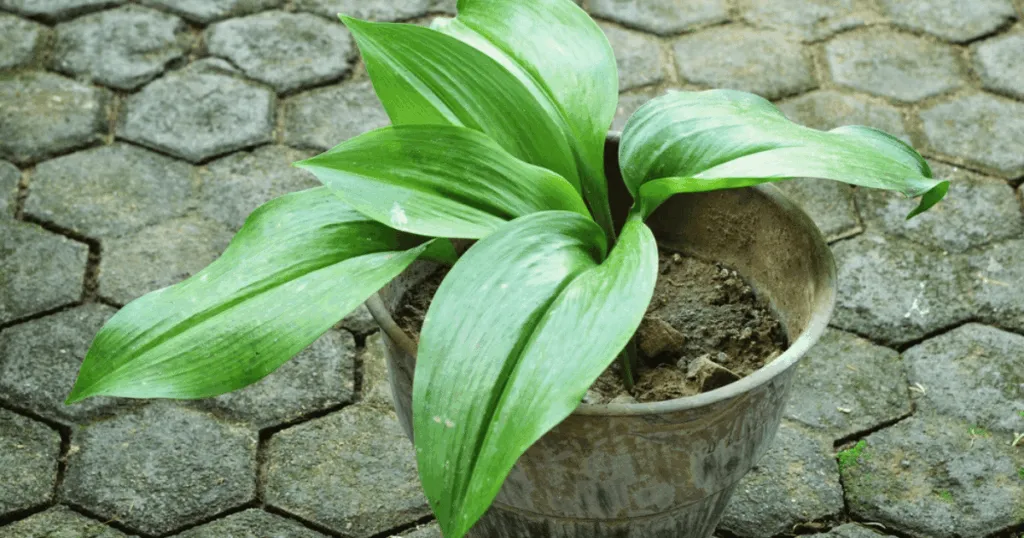
True to its name, the Cast Iron Plant is nearly indestructible. It is one of the few plants that genuinely thrives in deep shade, where others would simply languish. It grows slowly, which is an advantage for office managers who prefer a plant that doesn’t quickly outgrow its designated space. Its broad, dark green leaves provide a classic, polished look that fits well in professional settings. It is also non-toxic to pets, making it a safe choice for shared office spaces.
Chinese Evergreen
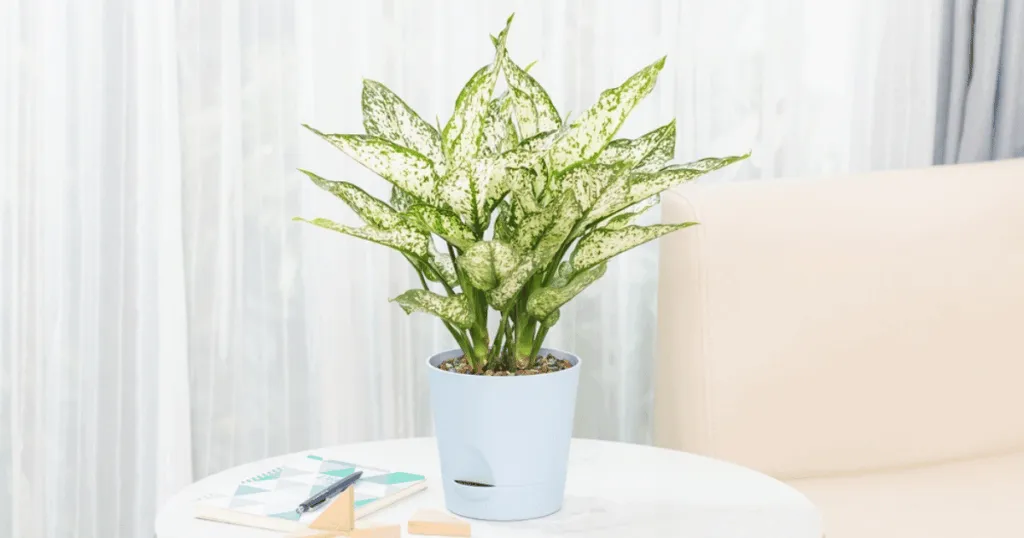
Chinese Evergreen, or Aglaonema, offers a bit more visual interest with its patterned foliage. While varieties with lighter, variegated leaves may require slightly more light to maintain their patterns, the darker green cultivars are excellent for low-light corners. They are relatively compact and maintain a tidy appearance, making them ideal for individual desks. These plants prefer average to above-average humidity, so keep them away from direct HVAC blasts.
Pothos
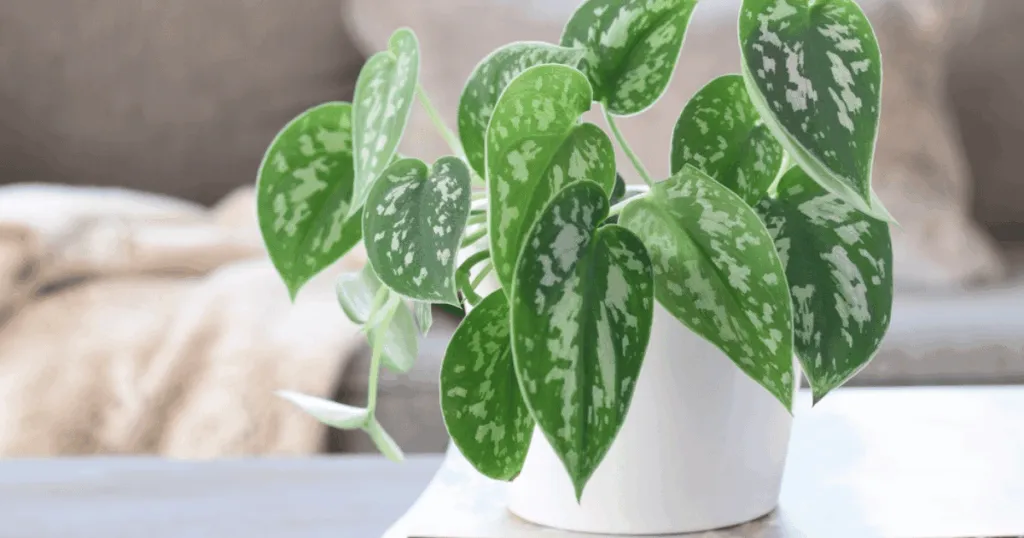
Pothos is a versatile trailing vine that adapts well to various light levels. While it grows fastest in bright, indirect light, it is perfectly capable of maintaining its health in lower-light conditions. It is a great choice for bookshelves or high filing cabinets where its vines can trail downward. If you notice the leaves becoming smaller or the stems becoming too long and bare, simply move it slightly closer to a light source. Note that it is toxic to pets.
Parlor Palm
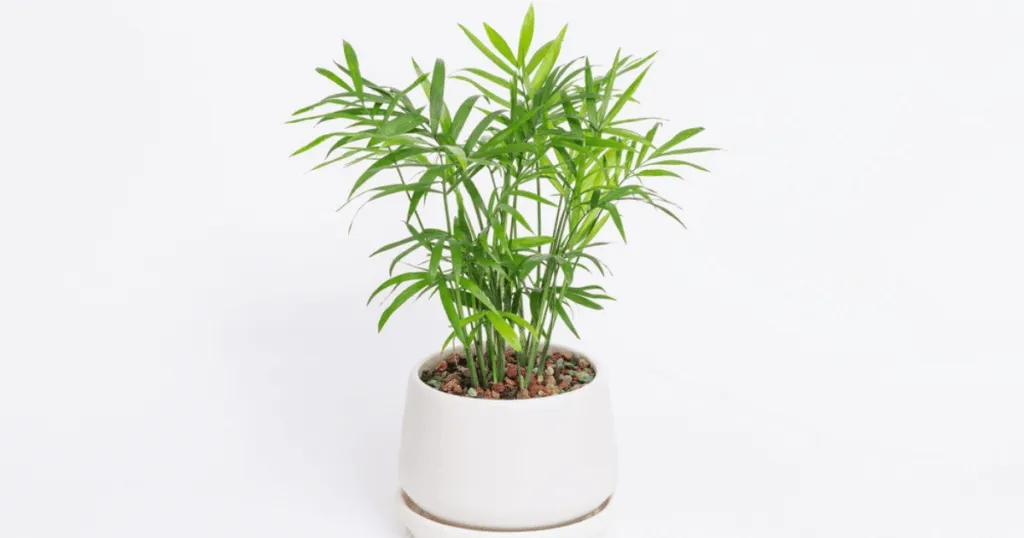
If you need a plant with a softer, more tropical aesthetic, the Parlor Palm is the best choice for low-light offices. Unlike many other palms that demand bright, direct sun, the Parlor Palm is specifically adapted to the understory of forests, making it well-suited for indoor shade. It adds height and texture to a room without requiring the intense light that most other palms demand. It is non-toxic to pets.
Bird’s Nest Fern
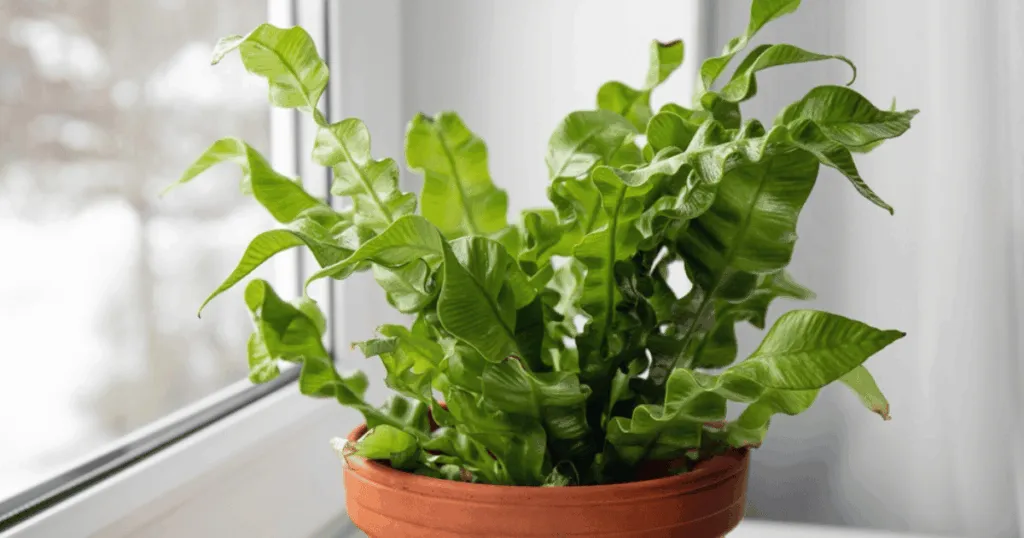
For a unique, sculptural look, the Bird’s Nest Fern is an excellent candidate. Its rosettes of bright green, wavy fronds stand out against more common foliage. It is more tolerant of lower light than many other ferns and appreciates the stable, if dry, environment of an office. Keep in mind that it prefers its soil to remain consistently, but not soggily, moist. It is non-toxic to pets.
Heartleaf Philodendron
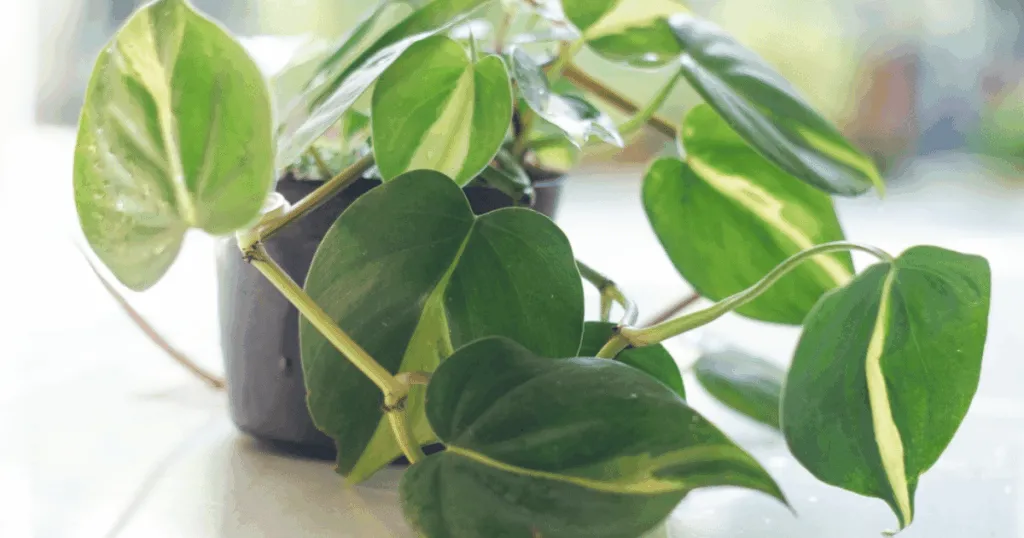
This classic trailing plant is a staple for a reason. Its heart-shaped leaves are resilient and can tolerate the lower light levels of an office environment better than many other vining plants. It is very communicative; if it needs more light or water, it will often show subtle signs like slower growth or slight drooping, allowing you to adjust your care before the plant suffers. It is toxic to pets.
Dracaena
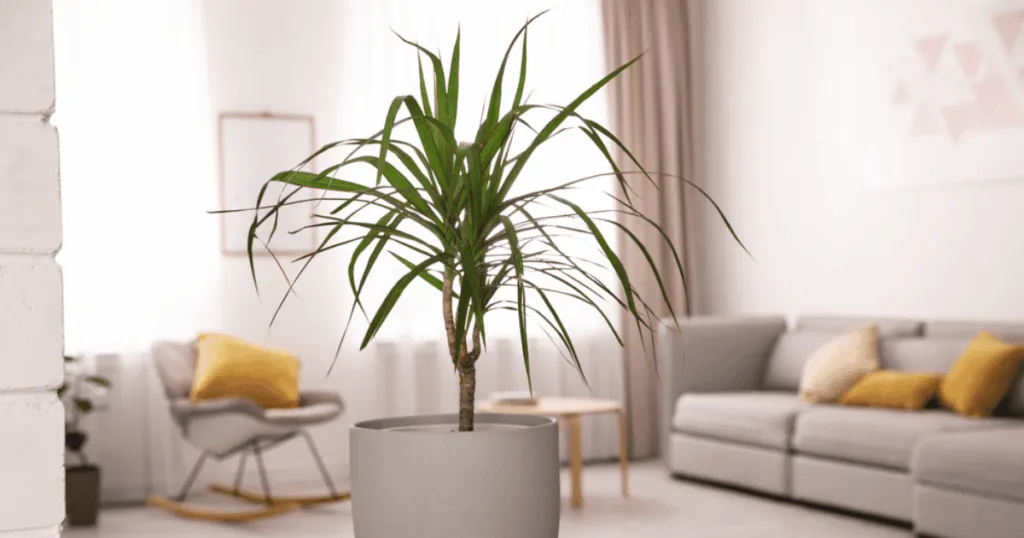
Dracaena varieties are excellent for adding vertical interest. They are highly adaptable to low-light conditions. One important note for office managers: they are sensitive to fluoride and chlorine found in some tap water, which can cause brown leaf tips. If you notice this, switching to filtered or distilled water can maintain the plant’s aesthetic appeal. They are moderately toxic to pets.
Dieffenbachia
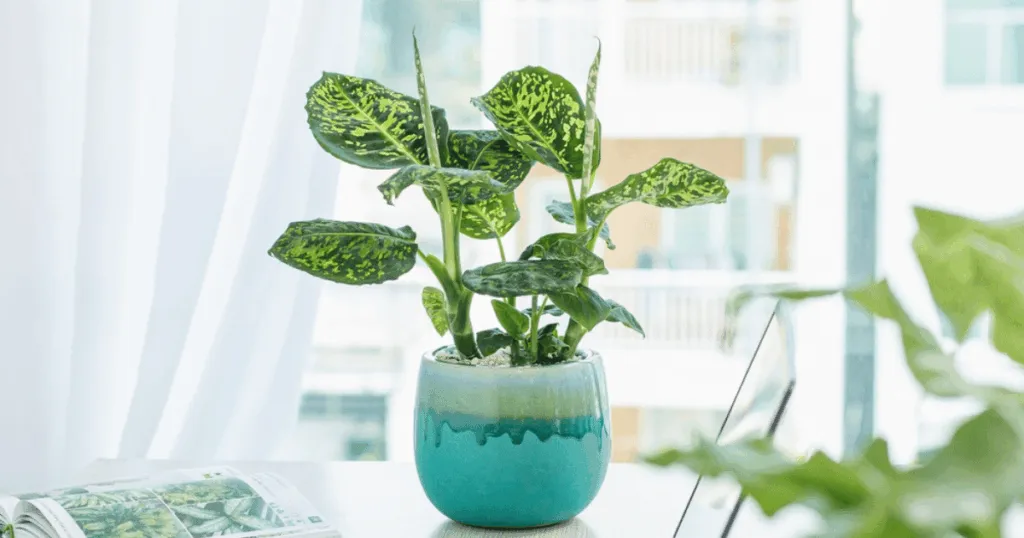
Also known as “Dumb Cane,” this plant features beautiful, patterned leaves that brighten up dull corners. It thrives in medium to bright indirect light but can tolerate lower light levels. It is an easy-to-moderate care plant, but be aware that it is toxic to pets and humans if ingested, as it can cause temporary numbness in the mouth and throat.
Syngonium
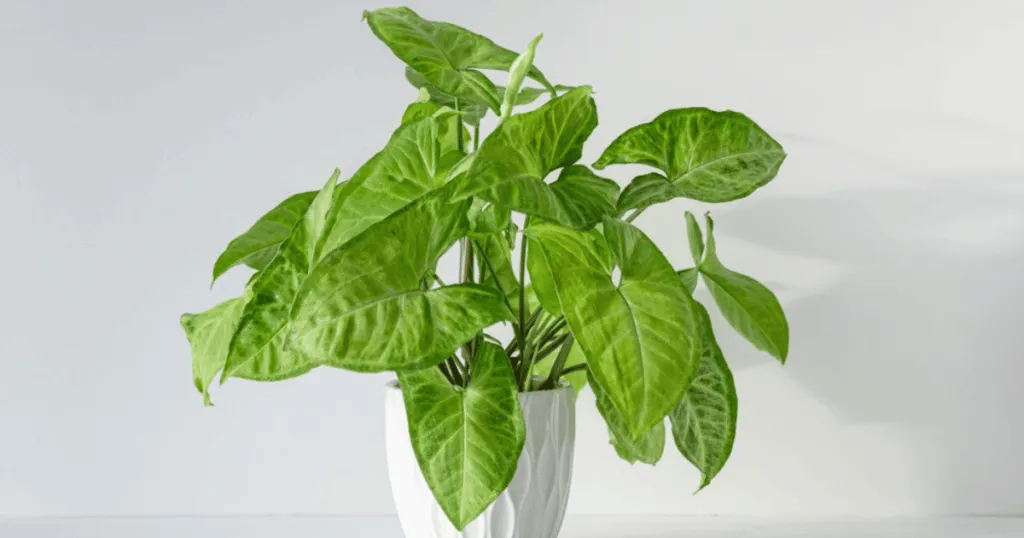
The Arrowhead Plant is a fantastic choice for those who want a plant that changes as it matures. Its leaf shape evolves, providing visual variety. It is quite easy to care for, preferring the top inch of soil to dry out between waterings. It is toxic to pets, so ensure it is placed in a secure location if your office is pet-friendly.
Schefflera
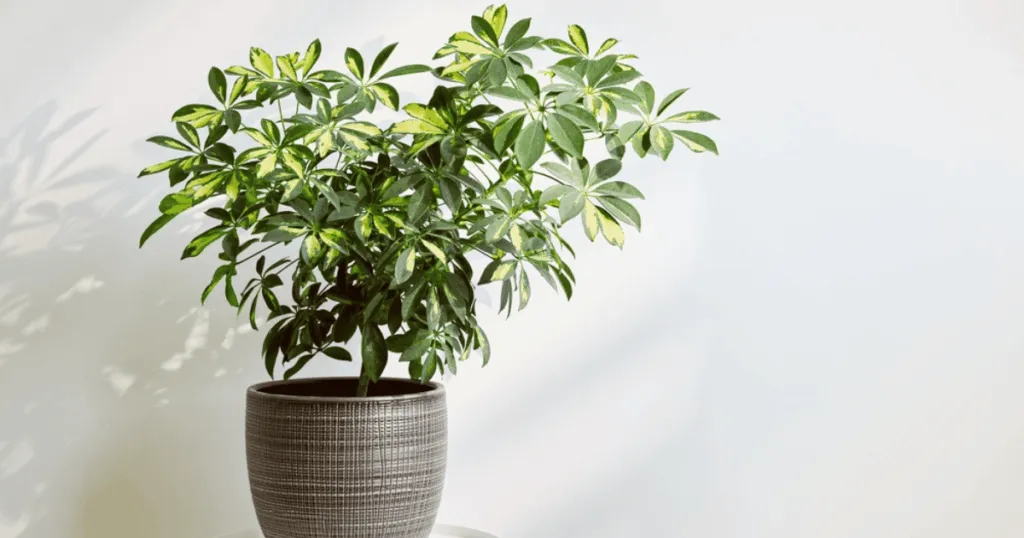
The Umbrella Tree is a classic office plant that handles fluorescent lighting with ease. It is quite resilient and can grow into a substantial floor plant over time. It prefers the top inch of soil to dry out before watering. Like many other popular office plants, it is toxic to pets, so keep it out of reach of curious animals.
Additional Low-Light Contenders
Beyond the primary list, several other species offer specific benefits for office environments. The Kentia Palm is a superior choice for large, open-plan offices where a taller, elegant specimen is needed; it is slower growing than other palms but exceptionally hardy. For those seeking a non-toxic desk plant, the Peperomia genus offers a vast array of leaf textures and colors, fitting perfectly into small spaces without requiring intense light. If you require a plant that signals its needs clearly, the Fittonia (Nerve Plant) will wilt dramatically when thirsty, acting as a visual alarm for the office manager, though it does require higher humidity levels than most office spaces naturally provide.
Strategic Placement for Success
Placement is just as important as plant selection. In an office, you are often working with fixed light sources. If you have a desk near a hallway, consider placing your plant on a surface that captures the light from overhead fixtures. Avoid placing plants directly under air vents, as the constant draft can dry out the foliage and cause premature leaf drop, regardless of how much light the plant receives.
If you are managing a larger space like a reception area, consider using a group of plants rather than a single specimen. Grouping plants can create a more humid microclimate, which helps them cope with the dry air of an office. Even in low light, this collective approach can make the plants appear more lush and intentional. Always ensure that your chosen spot allows for easy access for watering, as plants that are difficult to reach are often the first to be neglected.
Limitations and Trade-offs
It is important to acknowledge that “low light” does not mean “no light.” Every plant requires some level of light to perform photosynthesis. If you place a plant in a windowless room with no artificial light, even the most resilient species will eventually decline. If your office lacks windows, ensure that the overhead lights are left on for a standard workday or consider using a simple LED grow bulb in a nearby desk lamp to supplement the natural light.
Another trade-off is growth rate. Plants in low-light environments will grow significantly slower than those in bright, indirect light. This is actually a benefit for office managers, as it means less frequent repotting and pruning. However, do not expect your plant to double in size within a year. If you are looking for a fast-growing plant to fill a large space, a low-light environment may not be the right setting for that goal.
Finally, be aware of toxicity. Many of the most popular low-light office plants, such as the Snake Plant, ZZ Plant, and Pothos, contain compounds like calcium oxalate crystals or saponins. While these are not a concern for the plant itself, they can be harmful if ingested by pets or small children. If your office is a public-facing space where pets might be present, or if you have concerns about accidental ingestion, opt for non-toxic choices like the Parlor Palm or the Cast Iron Plant.
Managing Environmental Stressors in the Office
Office plants face unique stressors that home plants rarely encounter. The most significant of these is the weekend cycle. In many offices, HVAC systems are dialed back or turned off entirely on weekends, leading to temperature swings. Plants like the Snake Plant and ZZ Plant are particularly well-equipped for these fluctuations because they are physiologically adapted to survive periods of environmental instability. Conversely, ferns and tropical foliage plants may struggle if the temperature drops significantly overnight or over the weekend.
Another common issue is the accumulation of dust on leaves. In an office, dust can settle on foliage, blocking the limited light available and hindering the plant’s ability to photosynthesize. Regularly wiping down leaves with a damp cloth not only keeps the plant looking professional but also ensures it can maximize the light it does receive. This simple maintenance step is often overlooked but is crucial for long-term health in dim environments.
Finally, consider the pot and soil medium. Many office plants are sold in plastic nursery pots that do not provide adequate drainage. When you bring a new plant into the office, ensure it is in a container with drainage holes. If you must use a decorative cachepot without holes, keep the plant in its plastic nursery liner and remove it for watering, allowing it to drain completely before returning it to the decorative pot. This prevents the “hidden” root rot that kills many office plants.
The information provided here is for general informational purposes only and does not constitute professional horticultural advice. Office environments vary significantly in terms of humidity, temperature, and light quality, all of which can affect plant performance. We recommend observing your specific office conditions and adjusting care routines accordingly. Always prioritize the health of your workplace environment and ensure that any plants selected are appropriate for your specific office policies and safety standards.
FAQ
Can these plants survive in a windowless office?
Most of the best office plants that don’t need sunlight can survive in windowless offices provided they receive consistent exposure to artificial light, such as LED or fluorescent office lighting, for at least 8-10 hours a day.
How often should I water plants in low-light offices?
In low-light conditions, plants grow slower and use less water. Always check the top two inches of soil; only water when the soil feels dry to the touch, which is often less frequent than in brighter environments.
Why are my low-light plants losing leaves?
Leaf drop is often caused by overwatering, drafts from HVAC vents, or a sudden change in environment. Ensure the plant is not sitting in soggy soil and is away from direct air currents.
Do I need to fertilize plants that don’t need sunlight?
Fertilizer is rarely needed for low-light plants. Because they grow slowly, they have low nutrient requirements. A light application of balanced fertilizer once or twice a year is usually sufficient.