The African Violet (Saintpaulia) is a staple of indoor plant collections, prized for its ability to produce vibrant, long-lasting blooms in relatively compact spaces. For the office environment, these plants offer a unique balance of aesthetic appeal and manageable size, making them a frequent choice for personal desks, reception counters, and shared meeting room tables. Unlike many larger tropical houseplants that require significant floor space or high-intensity light, the African Violet is purpose-built for the intimate scale of a workspace.
- Thrives in bright, indirect office lighting.
- Water at the soil line; avoid leaf contact.
- Prefers consistent, moderate room humidity levels.
- Non-toxic to common office pets like cats and dogs.
- Compact size ideal for desks and shared workstations.
While they have a reputation for being temperamental, much of this stems from applying home-gardening habits to the specific constraints of an office. When you understand how to navigate the limitations of fluorescent lighting and HVAC-controlled air, these plants can provide a consistent splash of color throughout the year. They are not merely ornamental; they serve as a reliable, low-profile greenery option that fits neatly into the professional landscape without encroaching on your workspace.
Appearance and Growth Habit
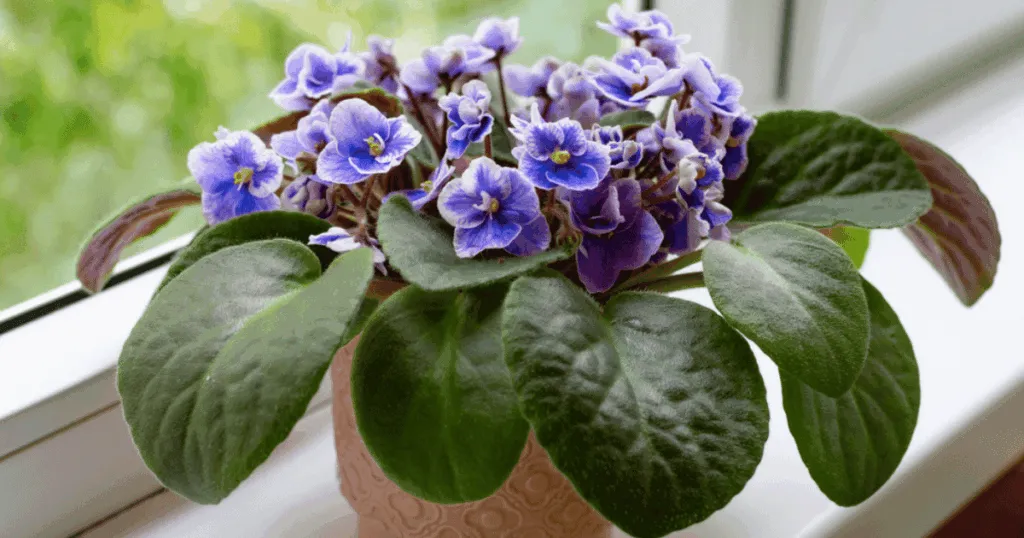
African Violets are defined by their low-growing, rosette-forming habit. The foliage consists of thick, fuzzy, dark green leaves that provide a soft texture, contrasting beautifully with the delicate, multi-petaled flowers that rise above the center of the plant. In an office setting, you can expect a mature plant to remain relatively small, typically spanning six to twelve inches in diameter. This compact nature is their greatest asset, allowing them to occupy a corner of a desk or a narrow shelf without requiring a dedicated plant stand or floor space.
The growth rate of an African Violet is moderate, but it is characterized by cycles of blooming and resting. Under optimal conditions, a healthy specimen can remain in bloom for several weeks at a time. The leaves themselves are quite sensitive to their environment; the fine hairs on the surface are designed to trap moisture, which is why they react poorly to overhead watering. Because they grow close to the soil surface, they do not require frequent repotting, which is a significant advantage for office managers looking to minimize maintenance tasks.
One practical consideration for the office is the plant’s sensitivity to temperature shifts. Because they have a dense, low profile, they are susceptible to cold drafts from air conditioning vents or windows. Keeping them in a stable, temperate zone—ideally away from direct airflow—ensures the foliage remains lush and the crown stays healthy. Unlike vining plants that can become unruly, the African Violet maintains its shape, making it a predictable and tidy addition to a professional environment.
Care Needs at a Glance
Successfully maintaining an African Violet in an office requires a shift in how you think about hydration and light. These plants do not tolerate the “drench and drain” method often used for hardier office plants. Instead, they require a more surgical approach to moisture management.
Light Requirements
While African Violets are often labeled as low-light plants, this is a common misconception in the office context. They require bright, indirect light to bloom effectively. If your office has a window with a sheer curtain or a location that receives filtered morning sun, that is ideal. If you are relying on artificial office lighting, ensure the plant is close enough to the light source to receive consistent exposure, but avoid placing it directly under high-intensity task lamps that could scorch the leaves.
Watering Strategy
Watering is the most critical aspect of African Violet care. The golden rule is to keep water away from the leaves and the crown. If water sits on the foliage, it causes unsightly brown spotting and can lead to crown rot. The most effective method for an office setting is bottom-watering. Place the pot in a shallow saucer or tray of water for 15 to 20 minutes, allowing the soil to soak up the moisture through the drainage holes. Once the surface of the soil feels slightly damp, remove the plant from the water. This prevents the crown from staying wet and ensures the root system receives exactly what it needs.
Humidity and Temperature
Office environments are notoriously dry due to HVAC systems. African Violets prefer average to above-average humidity. To support this, you might place the plant on a tray filled with pebbles and a small amount of water, ensuring the bottom of the pot does not sit directly in the water. This creates a micro-climate of higher humidity around the plant. Keep them away from direct heat sources like radiators or cold drafts from vents, as they prefer a stable temperature range between 65 and 75 degrees Fahrenheit.
Office Suitability and Placement
The African Violet is an excellent candidate for the modern office, provided you select the right location. Because they do not grow tall or wide, they are perfect for cubicle desks, reception desks, and communal tables in meeting rooms. They add a touch of color that is often missing from sterile office environments without requiring the complex care of larger, more demanding species.
Placement should be determined by the light availability and the potential for human traffic. Avoid placing them in high-traffic corridors where they might be knocked over or brushed against, as the leaves are somewhat brittle. A corner of a desk or a stable shelf is best. If you manage a shared space, consider placing them in a central, visible location where they can be monitored by a designated team member. Because they are not prone to rapid growth, they will not quickly outgrow their designated space, which is a major advantage for long-term office planning.
One important thing to note is the “weekend effect.” If your office shuts down over the weekend and the climate control is turned off, ensure the plant is not in a location that will experience extreme temperature fluctuations. A stable, interior location is usually safer than a windowsill that might get too hot during the day or too cold at night. If you are in a building that maintains constant climate control, you have more flexibility in your placement choices.
Safety and Limitations
A significant benefit of the African Violet is its safety profile. According to guidance from organizations like the ASPCA, the African Violet is non-toxic to both cats and dogs. For offices that allow pets or for managers concerned about the safety of employees’ pets in a home-office setting, this makes them a worry-free choice. You do not need to worry about the plant causing issues if a pet happens to brush against it or ingest a leaf.
However, the primary limitation of the African Violet is its specific care requirements. It is not a “set it and forget it” plant. If your office culture involves long periods of total neglect or if you are looking for a plant that can survive in a dark, windowless corner, the African Violet will struggle. They require a human touch—someone who is willing to check the soil moisture and ensure the plant is not being overwatered. If you are looking for a plant that thrives on minimal attention, you may find the African Violet to be more demanding than other foliage-heavy office plants like Pothos or Snake Plants.
Care and Troubleshooting Handoff
While the overview provided here covers the essential requirements for keeping an African Violet healthy in your workspace, the nuances of long-term care—such as selecting the right potting mix, managing fertilizer schedules, and addressing specific pest issues—are topics for a more detailed care manual. If you notice your plant failing to bloom, developing yellowing leaves, or showing signs of root distress, these are often symptoms of deeper environmental imbalances that require a step-by-step diagnostic approach.
For those interested in mastering the long-term maintenance of these plants, we recommend consulting our dedicated guides on soil composition and seasonal care. These resources provide the granular detail necessary to troubleshoot common issues like crown rot or leaf spotting, ensuring your African Violet remains a vibrant, blooming feature of your office for years to come. By moving beyond the basics, you can turn a simple desk plant into a long-term, thriving office companion.
Related African Violet Guides
- keeping a African Violet healthy
- fixing common African Violet issues
FAQ
Why are the leaves on my African Violet developing brown spots?
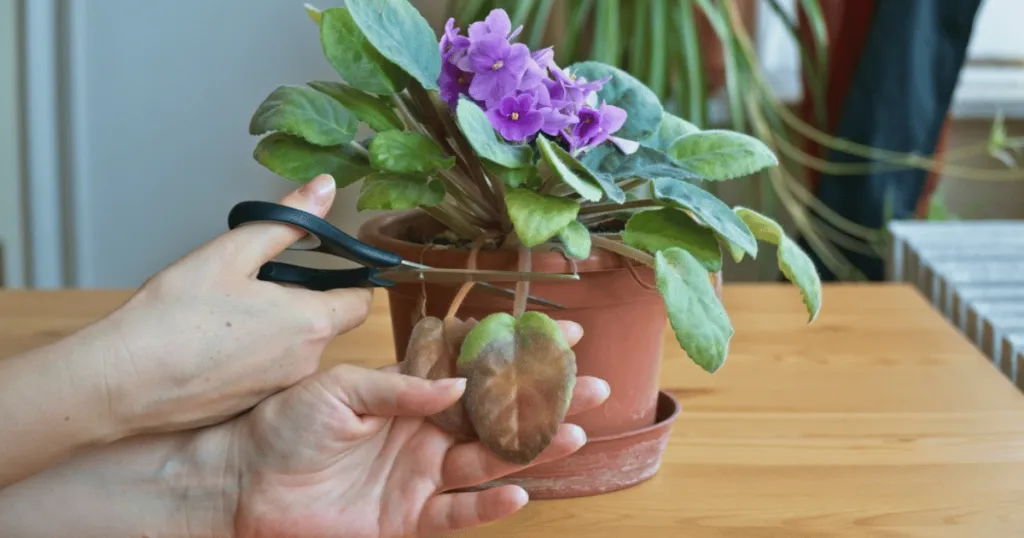
Brown spots on African Violet leaves are almost always caused by water touching the foliage. Because the leaves are fuzzy, they trap moisture, which leads to spotting or decay. To prevent this, always use the bottom-watering method or ensure you only pour water directly onto the soil at the base of the plant, avoiding the leaves entirely.
Can African Violets survive in an office with no windows?
They can survive, but they will not thrive or bloom without supplemental light. If your office lacks natural light, you must place the African Violet under a dedicated LED or fluorescent desk lamp. Without sufficient light, the plant will become leggy and cease flowering, eventually losing its compact shape and vigor.
How often should I fertilize my African Violet in an office setting?
In an office environment, a balanced, water-soluble fertilizer designed for African Violets should be applied sparingly. During the growing season, a weak, diluted solution added to your bottom-watering tray once a month is sufficient. Avoid over-fertilizing, as this can lead to salt buildup in the soil, which is particularly problematic in the small pots typically used for these plants.
What should I do if I go on vacation and can’t water my plant?
African Violets prefer consistent moisture, but they can handle a short period of dryness better than they can handle being waterlogged. Before leaving for a week, ensure the plant is well-hydrated. If you will be gone for longer, consider using a self-watering wick system or a glass watering globe, which can provide a slow, steady supply of water to the soil without the risk of over-saturation.