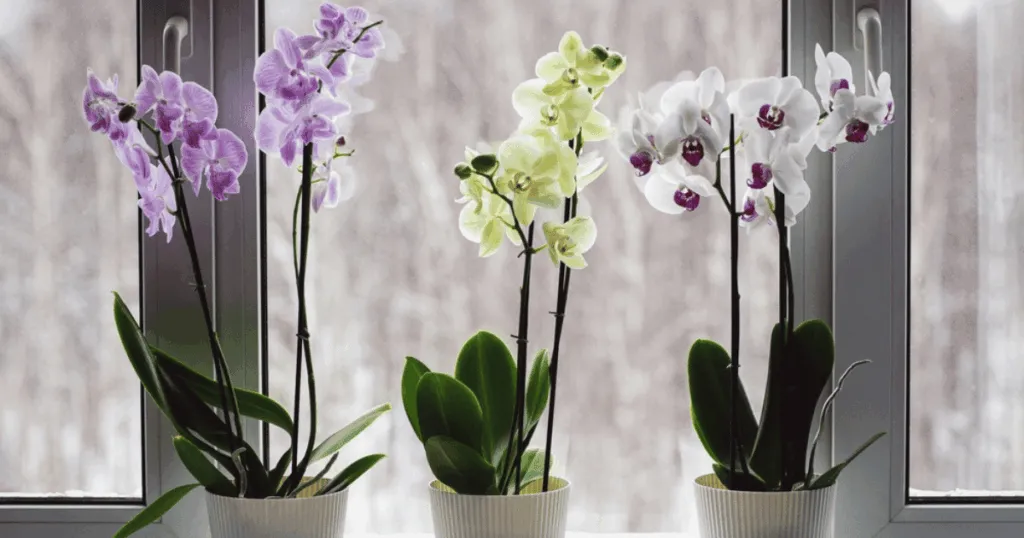
When most office managers or employees think of an Orchid, they are visualizing the Phalaenopsis, or moth orchid. This species is the gold standard for corporate gifting and desk decor, primarily because of its long-lasting, architectural blooms that can remain vibrant for several months. Unlike traditional potted plants that grow in dense, peat-based soil, these epiphytes naturally cling to tree bark in their native habitats, absorbing moisture and nutrients through exposed roots.
- Provide medium to bright indirect light; avoid direct sun exposure.
- Use a soak-and-dry cycle with specialized, airy bark media.
- Maintain above-average humidity levels to prevent bud drop.
- Non-toxic to cats and dogs according to ASPCA guidance.
- Moderate difficulty; best for desks with consistent environmental control.
The Anatomy and Growth Habit of the Moth Orchid
In an office environment, this unique growth habit is the most important factor to understand. The roots are not designed to sit in soggy, anaerobic soil. Instead, they require high airflow. If you look closely at a healthy specimen, you will notice thick, fleshy roots that often spill over the edge of the pot. These roots are green when hydrated and silvery-gray when dry, serving as a built-in indicator of the plant’s current water status. The leaves are broad, leathery, and dark green, providing a structural, minimalist aesthetic that fits well in modern meeting rooms or reception areas.
Growth is generally slow and steady. You should not expect a rapid expansion in size; instead, the plant focuses its energy on maintaining its current foliage and producing a singular, elegant flower spike. Once the flowers fade, the spike can be trimmed, allowing the plant to enter a vegetative phase where it focuses on root and leaf development before the next blooming cycle begins. Understanding that this is a slow-growing, specialized plant helps set realistic expectations for anyone tasked with its long-term maintenance.
Essential Care for Office Environments
Caring for an Orchid in a workplace requires a departure from standard “water-and-forget” plant protocols. Because office environments are typically dominated by HVAC systems that strip moisture from the air, you must be proactive about creating a microclimate. The most common mistake is treating the plant like a standard foliage houseplant, which often leads to root rot from overwatering or dehydration from improper humidity.
Watering and Media Requirements
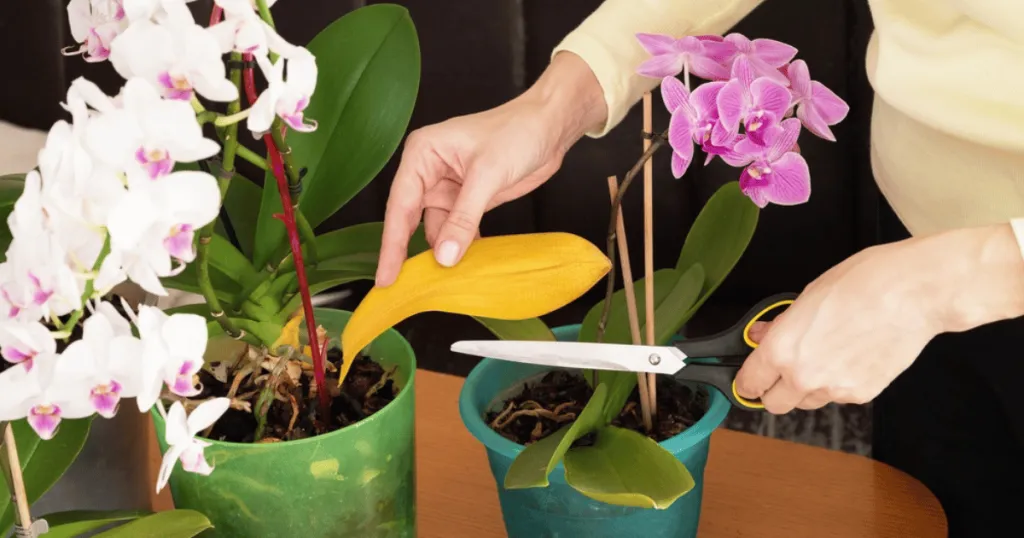
Never plant an Orchid in standard potting soil. The roots will suffocate and rot within weeks. Instead, use a specialized, chunky bark-based mix that allows water to drain rapidly while keeping the roots oxygenated. The soak-and-dry method is the most reliable approach: take the inner plastic liner out of the decorative pot, run lukewarm water through the bark until it is saturated, and let it drain completely for at least 15 minutes before returning it to the desk. Never leave the plant sitting in standing water at the bottom of a cachepot.
Light and Humidity Dynamics
Light is the primary driver of health. While these plants are often marketed as low-light survivors, they will only bloom reliably in medium to bright indirect light. A north-facing window is often ideal, as it provides consistent, gentle illumination without the scorching intensity of direct afternoon sun, which can burn the leaves. If your office lacks natural light, a desk lamp with a full-spectrum LED bulb can often bridge the gap.
Humidity is the second major hurdle. Office air is notoriously dry, often dipping below 30% relative humidity. To combat this, consider placing the pot on a tray filled with pebbles and a small amount of water, ensuring the bottom of the pot sits above the water line. This creates a localized humid zone that protects the delicate flower buds from drying out and dropping prematurely.
Placement Strategy for Professional Spaces
Choosing the right location for an Orchid is as much about aesthetics as it is about environmental stability. In an open office or reception area, avoid placing the plant directly in the path of air vents. The constant, dry blast from HVAC systems will dehydrate the plant rapidly and cause the flowers to wither. Similarly, keep the plant away from drafty doorways or areas with significant temperature fluctuations, such as near a breakroom refrigerator or a heater.
For individual desks, a spot near a window is usually best, provided the glass doesn’t become a heat trap in the summer. If you are managing a fleet of plants for a meeting room, rotate them into a “recovery” area with better light and humidity after they finish blooming. This allows the plants to recharge their energy reserves. Because these plants are relatively compact, they are excellent for tight spaces, but their visual impact is highest when they are placed at eye level or on a clean, uncluttered surface where their architectural form can be appreciated.
Safety and Limitations
One of the most significant advantages of the Orchid in a professional setting is its safety profile. According to the ASPCA, Phalaenopsis orchids are non-toxic to cats and dogs. This makes them a worry-free choice for offices that allow pets or for public-facing areas where you want to avoid any liability regarding plant toxicity. Unlike many popular office plants that contain calcium oxalate crystals or other irritants, you can place these freely without concern for accidental ingestion by office visitors or pets.
However, the limitation of this plant is its “disposable” perception. Many people view them as temporary floral arrangements, similar to a bouquet, and discard them once the flowers fall. If you want to keep your Orchid for years, you must accept that it will spend a significant portion of its life as a non-flowering foliage plant. If your priority is a constant display of flowers, you may need to rotate plants in and out of your space, which requires a dedicated maintenance plan or a relationship with a local plant service.
Transitioning to Long-Term Maintenance
Successfully keeping an Orchid in the office is a rewarding shift from the typical maintenance of leafy green plants. By focusing on the specific needs of the root system and managing the dry air of the workplace, you can move beyond the “disposable” mindset and enjoy the plant’s natural cycles. Once you master the soak-and-dry method and find the right light levels, the plant becomes a low-maintenance companion that adds a sophisticated, professional touch to any desk.
We have focused here on the core environmental needs that dictate long-term success. For those interested in the finer points of maintenance—such as how to encourage a second bloom, how to identify the signs of root rot, or when to repot into fresh bark—we recommend consulting specialized guides on orchid propagation and recovery. These resources will provide the granular detail needed to transition your plant from a temporary desk accessory into a permanent, thriving fixture in your workspace.
Related Orchid Guides
- Orchid watering and light needs
- fixing common Orchid issues
FAQ
Can I keep an Orchid on a desk with no windows?
Yes, but you will need to supplement the light. A standard office desk lamp equipped with a full-spectrum LED bulb can provide the necessary intensity. Position the light about 6 to 12 inches above the plant for 8 to 10 hours a day to mimic the bright, indirect light they require to maintain their health and initiate new blooms.
Why are the leaves of my office Orchid turning yellow?
Yellowing leaves are usually a sign of root stress, most commonly caused by overwatering. If the roots are sitting in water or the bark has broken down into a dense, soggy mess, the roots cannot breathe and will begin to rot. Check the roots; if they are mushy or brown, you must repot the plant into fresh, airy orchid bark immediately.
Do I need to fertilize my Orchid in an office setting?
Yes, but use a very light hand. Orchids in bark media do not get nutrients from soil, so they rely on you. Use a balanced, water-soluble fertilizer specifically formulated for orchids, diluted to one-quarter of the recommended strength, and apply it only once every month during the growing season. Over-fertilizing in an office environment often leads to salt buildup, which can damage the roots.