Affiliate Disclosure: As an Amazon Associate, I earn from qualifying purchases.
When selecting the best plants for therapy office environments, the primary reality is that your greenery must serve the space, not dominate it. A therapy office relies on a sense of neutrality, safety, and predictability. While a vibrant, flowering plant might look beautiful in a retail store or a home, it can become a visual distraction or an allergen trigger in a clinical setting. The goal is to introduce biophilic elements that lower cortisol levels and soften the room’s acoustics without requiring constant intervention or creating clutter.
- Prioritize non-toxic species to ensure safety for all clients.
- Select low-maintenance varieties that thrive in artificial office lighting.
- Avoid plants with aggressive growth or sharp, defensive thorns.
- Focus on foliage texture rather than flowers to minimize allergens.
The best plants for therapy office settings are those that provide a steady, reliable presence. You need species that tolerate the specific constraints of professional buildings: the hum of HVAC systems, the lack of natural sunlight in interior rooms, and the reality that your schedule is dedicated to clients, not plant maintenance. By focusing on foliage-heavy, resilient species, you create a backdrop that feels alive and welcoming while remaining firmly in the background of your therapeutic work.
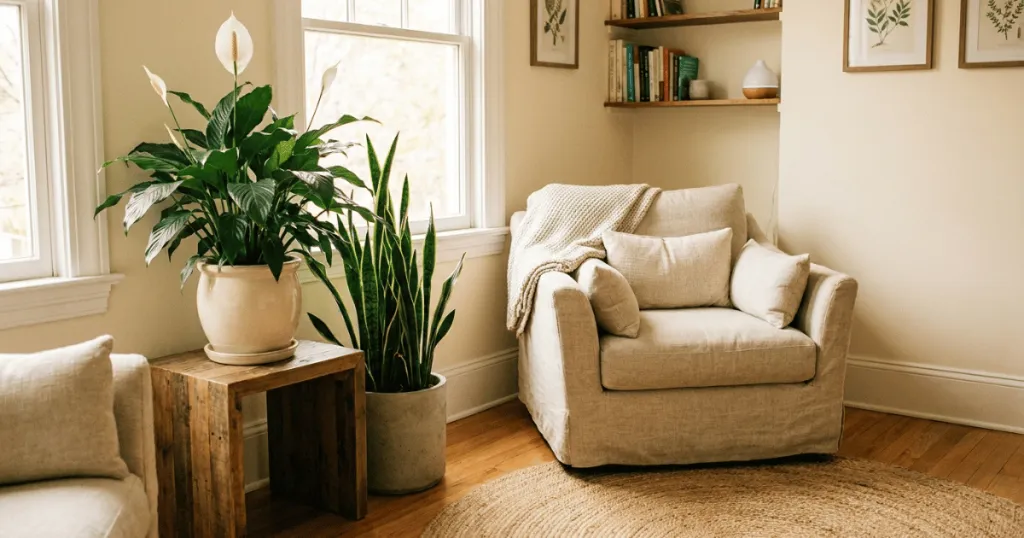
What Defines a Suitable Therapy Office Plant
In a clinical or counseling environment, the criteria for plant selection shift from aesthetic preference to functional utility. The most important factor is the sensory experience of your client. A plant should never be a source of stress. This means avoiding plants with strong, cloying scents that could trigger sensory sensitivities or migraines. Similarly, avoid plants that shed leaves frequently or require messy soil-top dressing, as these create a sense of disorder that contradicts the calm, organized environment you aim to provide.
Lighting is the next major hurdle. Most therapy offices are located in commercial buildings where natural light is either non-existent or filtered through heavy blinds to ensure privacy. You must choose plants that are physiologically adapted to low-light, indoor conditions. If a plant requires direct sun, it will quickly become leggy, yellow, and sickly—a visual representation of neglect that does not belong in a professional setting. Instead, look for plants that thrive on the steady, consistent output of LED or fluorescent office lighting.
Finally, consider the physical footprint. A therapy office is often a compact space where the furniture layout is optimized for seating and conversation. A sprawling, wide-spreading plant can obstruct walkways or make a room feel cramped. Vertical growth habits are generally superior to horizontal ones. You want plants that draw the eye upward, adding a sense of height and airiness to the room, rather than plants that demand a large floor radius.
Curated Selections for Clinical Environments
Snake Plant (Dracaena trifasciata)
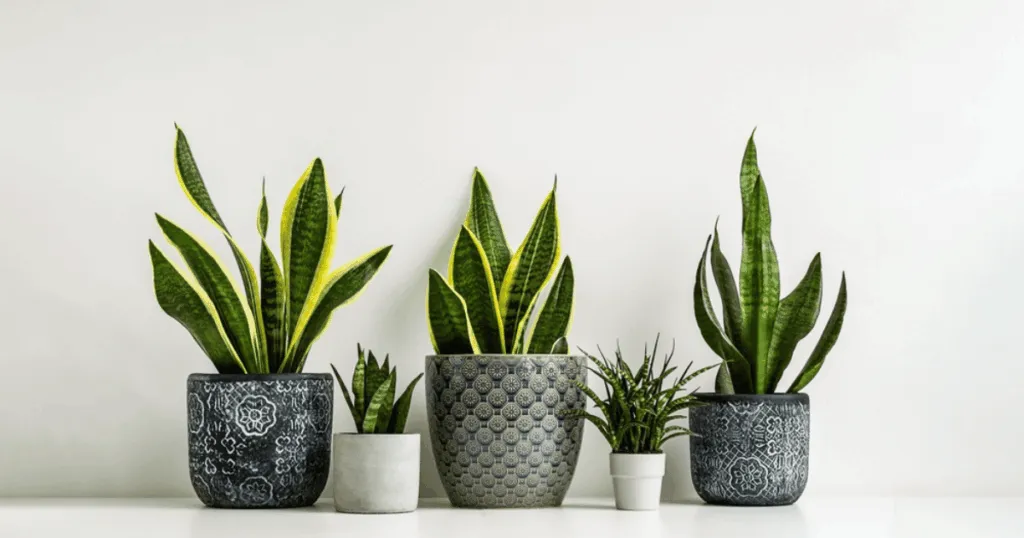
The Snake Plant is arguably the gold standard for office environments due to its architectural, vertical growth habit and extreme resilience. It thrives in the low-light conditions typical of interior offices and requires very little water, making it a perfect fit for a busy practitioner. Its stiff, upright leaves provide a clean, modern aesthetic that fits well in a professional setting.
ZZ Plant (Zamioculcas zamiifolia)
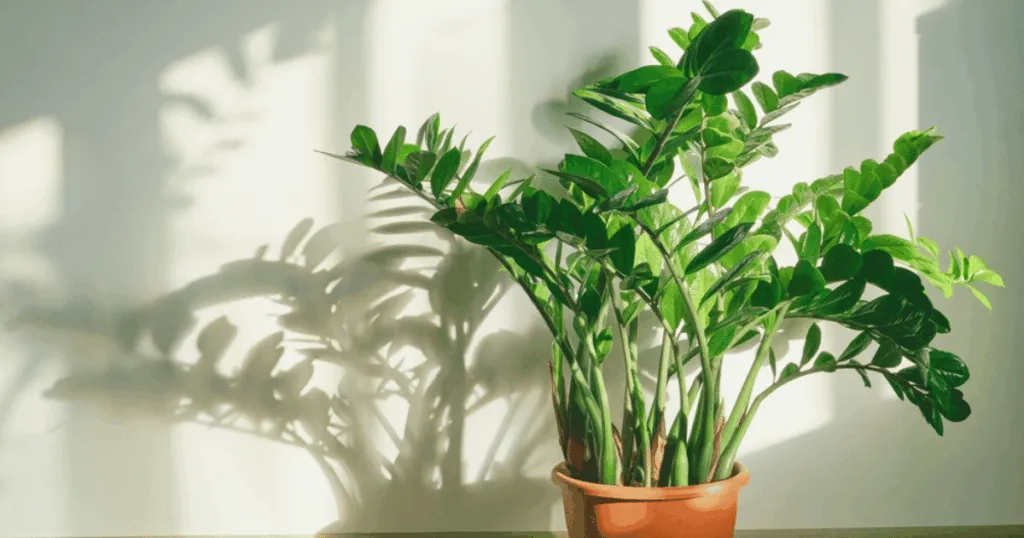
If you need a plant that can survive in a windowless room, the ZZ plant is your best option. It has a waxy, deep green foliage that reflects artificial light, adding a subtle brightness to dark corners. It is incredibly forgiving of irregular watering schedules, meaning you won’t have to worry if you forget to check it during a particularly busy week of sessions.
Pothos (Epipremnum aureum)
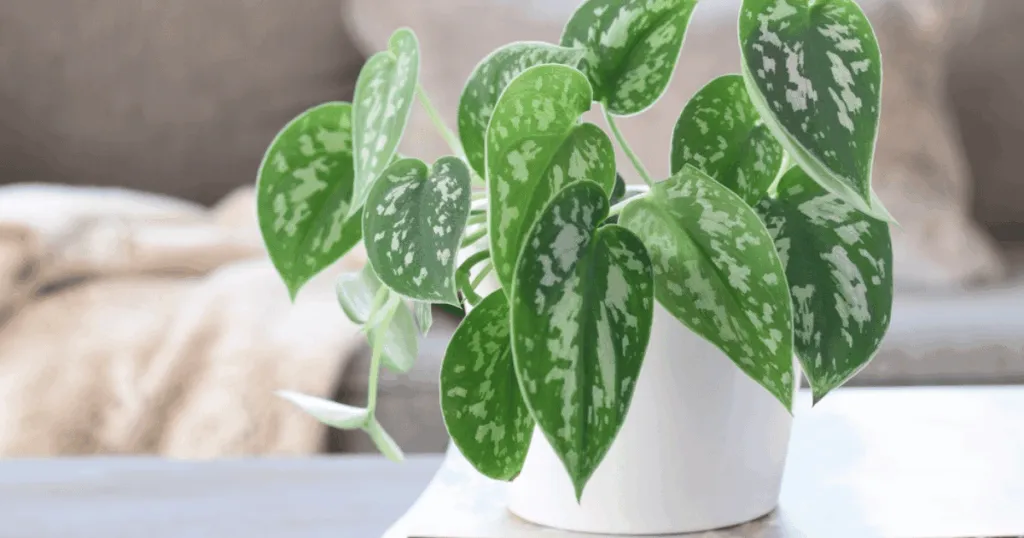
For a softer, more trailing aesthetic, the Pothos is an excellent choice. It is highly adaptable and can be placed on a high bookshelf or a filing cabinet where its vines can hang down, softening the hard edges of office furniture. It is one of the easiest plants to propagate and maintain, and it provides a lush, verdant look that feels very grounding.
Cast Iron Plant (Aspidistra elatior)
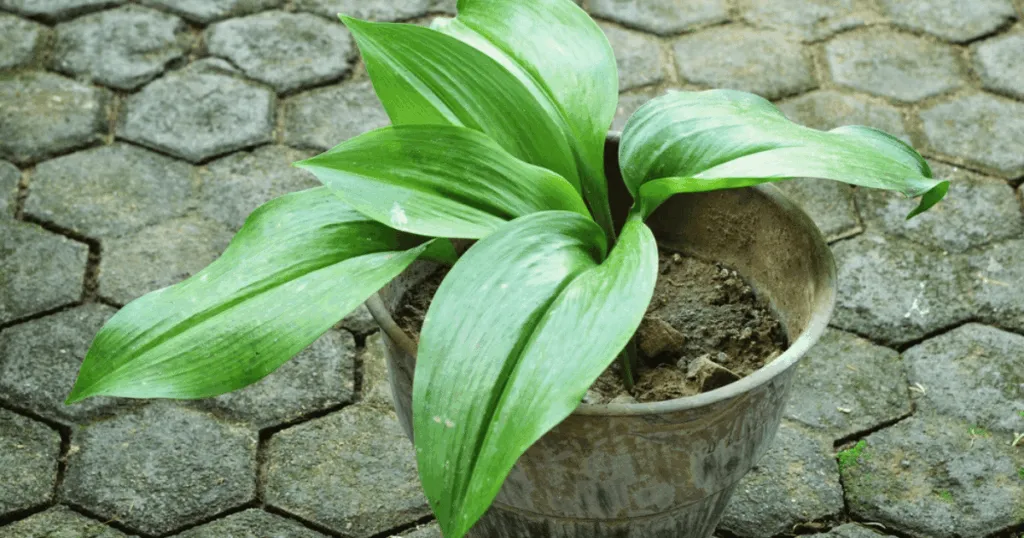
True to its name, this plant is nearly indestructible. It handles low light and temperature fluctuations with ease. It is a slow grower, which is a significant benefit for a therapy office because you won’t need to worry about repotting or pruning it frequently. Its broad, dark green leaves provide a sense of stability and permanence.
Peace Lily (Spathiphyllum)
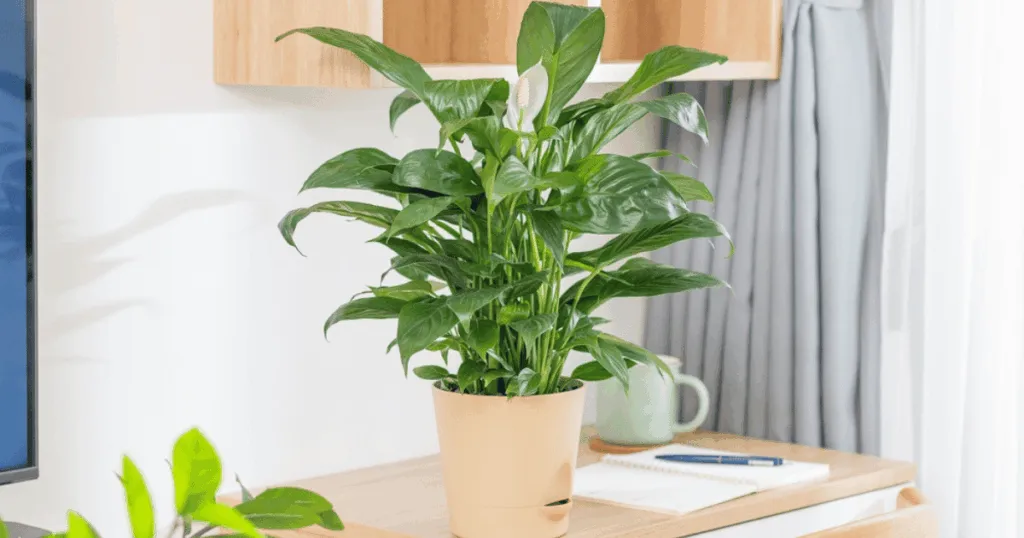
While many flowering plants are discouraged, the Peace Lily is a notable exception due to its reputation for air purification and its ability to clearly communicate its needs. When the soil becomes too dry, the leaves will droop, providing a clear signal that it needs water. This takes the guesswork out of care, allowing you to maintain a healthy, vibrant plant with minimal mental effort.
Parlor Palm (Chamaedorea elegans)
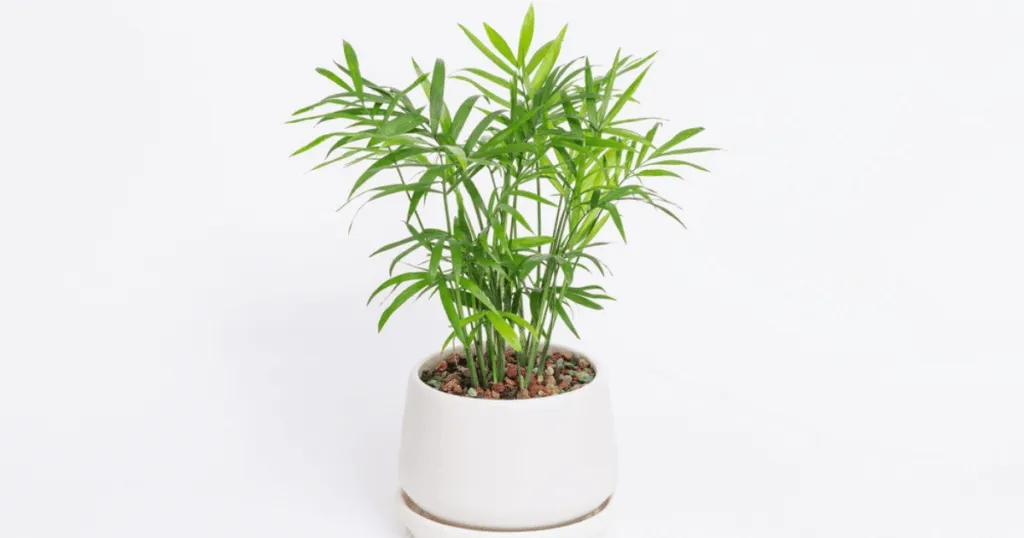
The Parlor Palm brings a touch of soft, feathery texture to a room without the sharp edges of other tropical plants. It is a classic choice for offices because it stays relatively compact and thrives in the indirect light typical of indoor spaces. Its gentle, arching fronds create a sense of movement that can be very soothing for clients who find rigid, architectural plants too sterile.
Chinese Evergreen (Aglaonema)
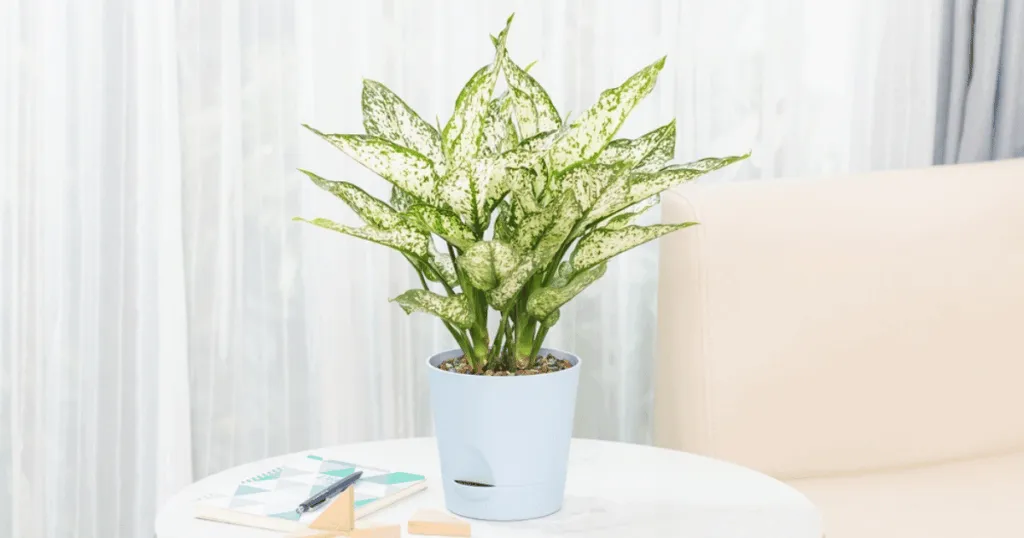
For offices that need a splash of subtle color, the Chinese Evergreen is ideal. Many varieties feature silver or white variegation on their leaves, which helps brighten up dim corners. They are exceptionally tolerant of low-light conditions and are among the most resilient plants for indoor environments, making them a reliable choice for long-term office decor.
Placement and Use-Case Strategies
Where you place your plants is just as important as the species you choose. In a therapy office, plants should be used to define zones or to soften transition areas. Placing a tall Snake Plant in a corner can draw the eye toward a neutral focal point, helping to anchor the space. On a desk, a smaller Pothos can provide a touch of nature without obstructing the line of sight between you and your client.
Avoid placing plants directly in the path of air vents. The constant, dry airflow from HVAC systems can cause leaf tips to brown and crisp, which makes the plant look unhealthy. If your office has limited floor space, consider wall-mounted planters or high shelving. This keeps the floor clear, maintaining a sense of openness that is crucial for a comfortable therapeutic environment.
The Psychology of Greenery in Clinical Settings
The integration of biophilic office design in a therapeutic space is not merely about decoration; it is about creating a supportive environment that facilitates the therapeutic process. Research into workplace wellness suggests that the presence of greenery can help reduce stress and improve focus. In a therapy office, this translates to a space that feels less institutional and more human-centric. By carefully selecting plants that require minimal intervention, you ensure that the greenery remains a supportive backdrop rather than an additional task on your to-do list.
Consider the “soft fascination” theory, which suggests that nature-based stimuli can help restore cognitive resources. By providing a gentle, non-demanding visual point of interest, plants can help clients feel more at ease during sessions. However, it is vital to keep the plant density moderate. A room overcrowded with plants can feel cluttered and chaotic, which is the opposite of the calm, organized environment you want to foster. Aim for a few well-placed, healthy specimens rather than a large collection of struggling plants.
Managing Environmental Constraints
Therapy offices often present unique challenges for plant health, primarily due to the controlled environment. HVAC systems are designed for human comfort, not plant health, often resulting in low humidity levels that can stress tropical plants. To mitigate this, consider grouping plants together to create a microclimate with slightly higher humidity, or simply choose species that are known to be drought-tolerant. Avoid misting plants in a professional office, as this can lead to water spots on furniture and potential mold growth on surfaces.
Lighting is another critical factor. If your office lacks windows, you may need to rely on existing overhead lighting. Most of the plants listed here, such as the ZZ plant and Snake Plant, are highly efficient at utilizing low-intensity light. If you find that your plants are struggling, consider rotating them to a brighter area of the office for a few days, or simply accept that some plants may need to be replaced periodically. This is a normal part of maintaining a living space, and it should not be viewed as a failure of your care routine.
Limitations and Trade-Offs
Every plant comes with maintenance trade-offs. While the plants listed above are chosen for their resilience, no plant is truly “set and forget.” Even the most durable ZZ plant will eventually collect dust on its leaves, which can inhibit photosynthesis and make it look dull. A quick wipe-down with a damp cloth every few weeks is a necessary task to keep the plant looking professional. Additionally, you must be mindful of soil pests like fungus gnats, which are common in office environments with poor air circulation. Using a high-quality, well-draining potting mix and avoiding overwatering is the best way to prevent these issues before they start.
If you are managing a space with high foot traffic, avoid plants with fragile stems that could be easily broken by a passing client or a bag. In these cases, a sturdy, woody-stemmed plant is a safer choice. Always prioritize the safety of your clients; if you have children or pets visiting the office, ensure that any toxic plants are placed well out of reach or opt for non-toxic varieties entirely.
A Note on Plant Maintenance
Maintaining greenery in a professional space is not about achieving botanical perfection; it is about consistency. If a plant begins to look tired, don’t feel pressured to keep it alive at all costs. A struggling plant can create a sense of unease or neglect in a space meant for healing. It is perfectly acceptable to replace a plant that has reached the end of its life cycle or to rotate it out to a more favorable location. The goal is to use nature to support your work, not to add another layer of administrative burden to your day.
Ultimately, the best plants for therapy office spaces are those that align with your capacity for care. If you have a busy schedule, lean toward the most resilient options like the ZZ plant or Snake Plant. If you enjoy the process of tending to greenery, you might opt for a Pothos that requires slightly more attention. Regardless of your choice, keep the focus on the client experience. A healthy, well-maintained plant is a silent partner in your office, contributing to a sense of peace and professional stability.
FAQ
Are there any plants that help with office acoustics?
While no plant will act as a soundproof barrier, plants with large, broad leaves like the Cast Iron Plant can help slightly dampen ambient noise by absorbing sound waves and reducing echo in rooms with hard surfaces.
How often should I water plants in a climate-controlled office?
Office environments are often very dry due to HVAC systems. Instead of a rigid schedule, check the soil moisture by inserting a finger an inch deep. If it feels dry, it is time to water. Most of the best plants for therapy office settings prefer to dry out slightly between waterings.
Should I use fertilizer in a therapy office?
Generally, no. Office plants grow slowly due to lower light levels. Over-fertilizing can lead to salt buildup in the soil and actually stress the plant. A light application once or twice a year is usually more than enough.
What is the best way to clean plant leaves in an office?
Simply wipe the leaves with a soft, damp cloth every few weeks. This removes dust, allows the plant to breathe, and keeps the foliage looking vibrant and professional for your clients.