The Areca Palm (Dypsis lutescens) often carries a reputation as the quintessential office plant, frequently seen in lobby corners and open-plan workspaces. Its feathery, arching fronds offer a distinct tropical aesthetic that many office managers find appealing for softening the harsh lines of modern cubicles and desks. However, the reality of its performance in a workplace setting is more nuanced than its popularity suggests.
- Requires bright, indirect light to maintain healthy, vibrant fronds.
- Keep soil lightly moist; avoid letting the root ball dry out.
- Sensitive to low humidity; prone to brown tips in dry air.
- Non-toxic to cats and dogs according to ASPCA safety standards.
- Moderate maintenance level; best suited for well-lit, climate-controlled spaces.
While it is undeniably visually striking, the Areca Palm is not a “set it and forget it” plant. It demands specific environmental conditions that are not always present in every office. Before committing to this species, it is essential to understand whether your specific office layout-with its unique lighting, HVAC cycles, and weekend maintenance gaps-can support its physiological requirements. If you prioritize aesthetics above all else, the Areca Palm is a top-tier candidate, provided you can account for its moderate care demands.
Appearance and Growth Habit
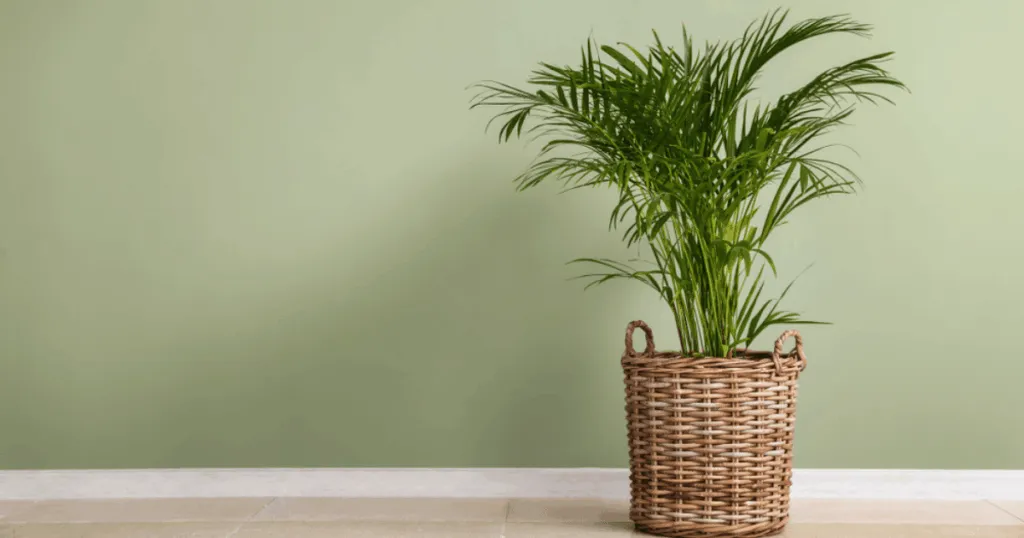
The Areca Palm is characterized by its clumping, multi-stemmed growth habit. Unlike palms that grow from a single central trunk, the Areca sends up multiple slender, bamboo-like canes from the soil line. These canes are often yellowish-green, which contributes to its common name, the Golden Cane Palm. As the plant matures, these canes grow taller and denser, creating a lush, full appearance that works exceptionally well as a natural room divider or a focal point in a reception area.
The foliage consists of long, pinnate fronds that arch gracefully outward. In an office environment, this arching habit is a critical consideration for space planning. A healthy, mature specimen can easily reach five to seven feet in height and several feet in width. Because the fronds are delicate and prone to snapping if brushed against, they are best placed in areas with moderate foot traffic rather than narrow hallways or tight corridors where employees might frequently bump into them.
Growth speed is moderate, but it is highly dependent on light availability. In lower-light office corners, the plant will essentially go into stasis, maintaining its current size without adding significant new growth. In brighter, south- or east-facing windows, you can expect a steady emergence of new fronds throughout the growing season. Understanding this growth habit is key to long-term placement; you must allow enough vertical and horizontal clearance so the plant does not become a physical obstruction as it matures.
Care Needs at a Glance
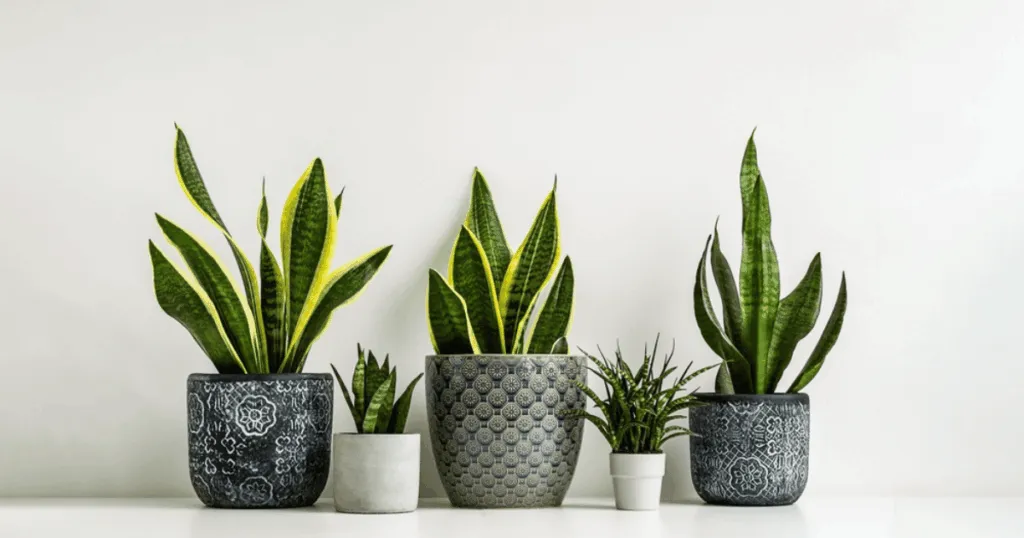
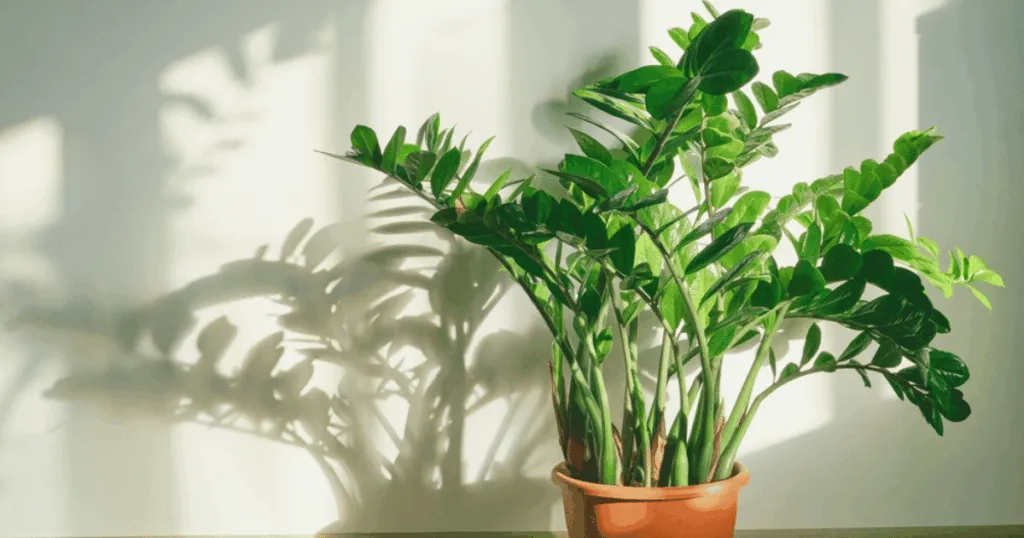
The Areca Palm is classified as a moderate-care plant, primarily because it is less forgiving of neglect than common office staples like the Snake Plant or ZZ Plant. Its primary requirement is light. It thrives in bright, indirect light. If your office relies heavily on dim, recessed lighting, the Areca Palm will likely struggle, eventually showing signs of chlorosis or stunted development. Ideally, place it within a few feet of a window that receives filtered sunlight.
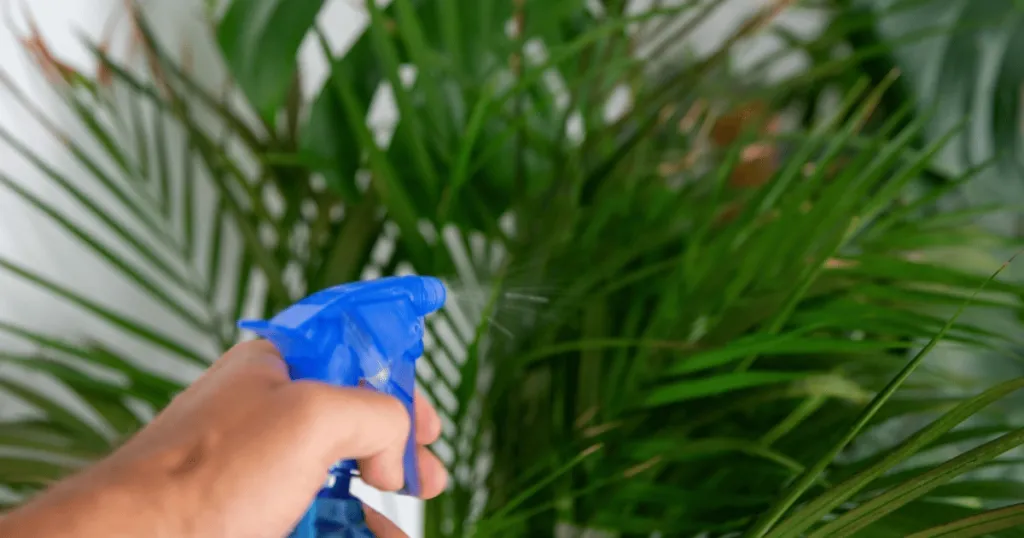
Watering is the second pillar of its care. The goal is to keep the potting medium consistently, lightly moist. A common mistake in office settings is allowing the soil to dry out completely over the weekend. While the plant does not want to sit in standing water which can lead to root rot, it also does not tolerate the “drought-then-drench” cycle well. If the soil becomes bone-dry, the fronds will quickly show stress, often manifesting as crispy, brown leaf tips.
Humidity is the most overlooked factor in office environments. Modern HVAC systems are designed to strip moisture from the air, creating a desert-like microclimate that the Areca Palm dislikes. In low-humidity offices, you may notice the tips of the fronds turning brown and brittle even if your watering schedule is perfect. If you cannot provide a humid environment, you must accept that some cosmetic browning of the tips is a normal, albeit frustrating, part of keeping this species in an office.
Office Suitability and Placement
For an office manager, the Areca Palm is best utilized in high-visibility areas where there is a dedicated person or team responsible for its upkeep. It is not an ideal choice for a remote desk or a breakroom where watering might be forgotten for weeks at a time. Its size and beauty make it perfect for executive offices, reception desks, or meeting rooms that receive natural light.
Placement strategy should prioritize the plant’s need for consistent environmental conditions. Avoid placing the Areca Palm directly in the path of HVAC vents. The constant stream of dry, forced air-whether hot or cold-will rapidly dehydrate the foliage and cause premature leaf drop. Similarly, avoid areas with extreme temperature fluctuations, such as near exterior doors that are frequently opened during winter or summer months.
If you have an open-office layout, consider grouping the Areca Palm with other plants that have similar water requirements. This creates a small, localized microclimate that can help stabilize humidity levels slightly better than a single, isolated plant. When choosing a container, ensure it has adequate drainage holes. A decorative outer pot can hide the functional nursery pot, but never allow the plant to sit in a saucer of stagnant water, as this will quickly compromise the root system.
Toxicity and Safety Considerations
One of the most significant advantages of the Areca Palm in a workplace setting is its safety profile. According to the ASPCA, which provides extensive resources on toxic and non-toxic plants for common household pets, the Areca Palm is considered non-toxic to both cats and dogs. This makes it an excellent, worry-free choice for offices that allow pets or for managers who want to ensure their plant choices remain compliant with general safety standards.
While the plant is non-toxic, this does not mean it is indestructible or immune to damage. The fronds are fibrous and can cause minor digestive upset if ingested in large quantities by pets, though it is not classified as poisonous. From a workplace safety perspective, the main concern is the physical structure of the plant. As it grows, the sharp, stiff tips of the fronds can be a minor nuisance if placed at eye level or near seating areas. Always position the plant so that the foliage does not pose a physical hazard to employees moving through the space.
Care and Troubleshooting Guide Handoff
Successfully maintaining an Areca Palm requires a consistent routine rather than sporadic attention. If you find your plant is consistently developing brown tips or losing lower fronds, it is a signal that your office environment is falling short in either humidity or water consistency. These issues are rarely sudden; they are usually the result of long-term environmental stress.
We recommend establishing a simple, documented watering schedule that accounts for the office calendar. If your office is closed on weekends, ensure the plant is adequately watered on Friday afternoons, but avoid over-saturating the soil. For more granular advice on managing specific issues like pest management-such as spider mites, which are occasionally attracted to palms in dry office air-or guidance on repotting and soil amendments, please refer to our dedicated, species-specific care and troubleshooting guides. These resources provide the technical steps needed to address common health declines before they become irreversible.
Related Areca Palm Guides
- the full Areca Palm care breakdown
- fixing common Areca Palm issues
FAQ
Can the Areca Palm survive in an office with only fluorescent lighting?
Generally, no. While the Areca Palm can tolerate lower light levels for a short period, it will not thrive under standard office fluorescent lighting alone. It requires bright, indirect natural light to maintain its health and vigor. If your office lacks windows, consider a more shade-tolerant species.
Why are the tips of my Areca Palm fronds turning brown?
Brown tips are most commonly caused by low humidity or inconsistent watering. Office HVAC systems often create dry air that causes the plant to lose moisture through its fronds faster than it can take it up through the roots. Increasing the ambient humidity or ensuring the soil remains consistently moist can help mitigate this.
How often should I fertilize an Areca Palm in an office setting?
Fertilization should be limited to the active growing season, typically spring and summer. Use a balanced, water-soluble fertilizer at half-strength. Do not fertilize during the winter months or if the plant is showing signs of stress, as this can lead to salt buildup in the soil and root damage.